

Antique French Light Fixture
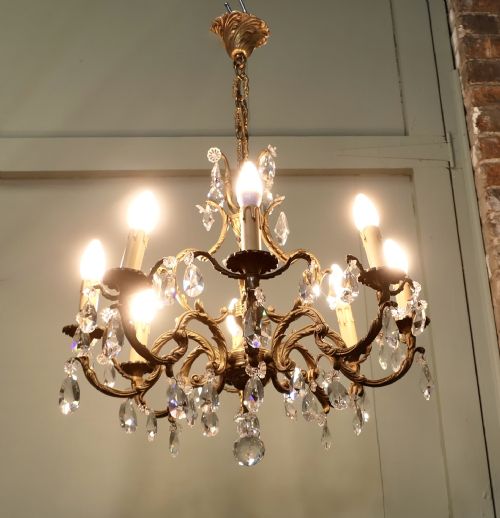
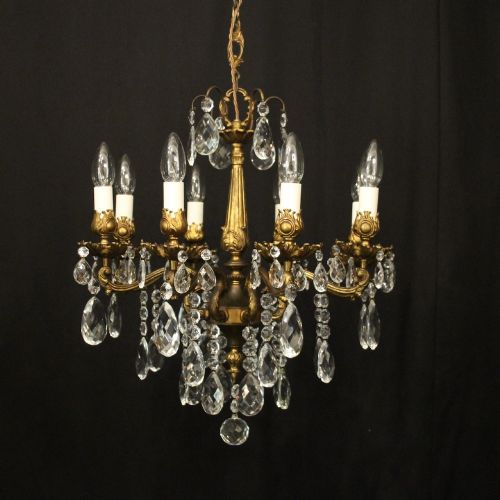
An antique french light fixture brings unmistakable continental character into a room, offering grand illumination through traditional craftsmanship and enduring metalwork.
Antique French Light Fixture
When you search for an antique french light fixture, you encounter a diverse array of illumination pieces rooted in continental design traditions. The selection spans grand chandeliers and intimate wall sconces, alongside practical hall lanterns and delicate pendants designed to hang centrally within a room.
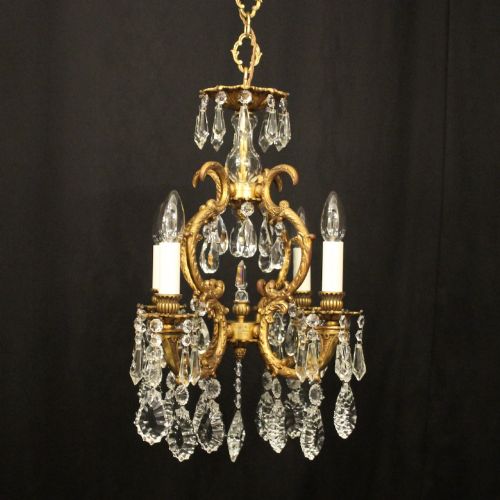
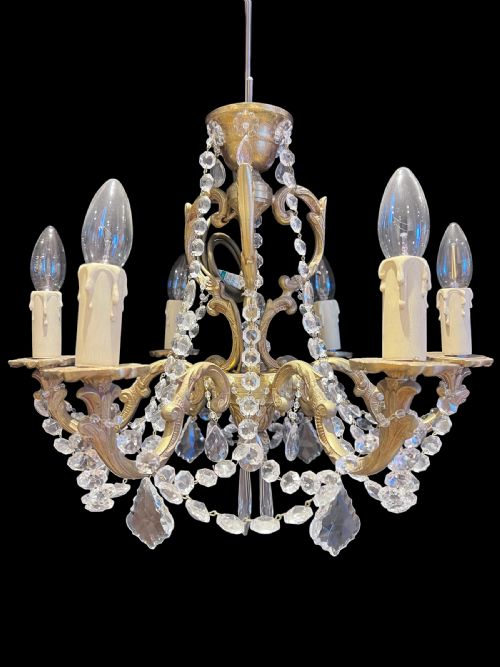
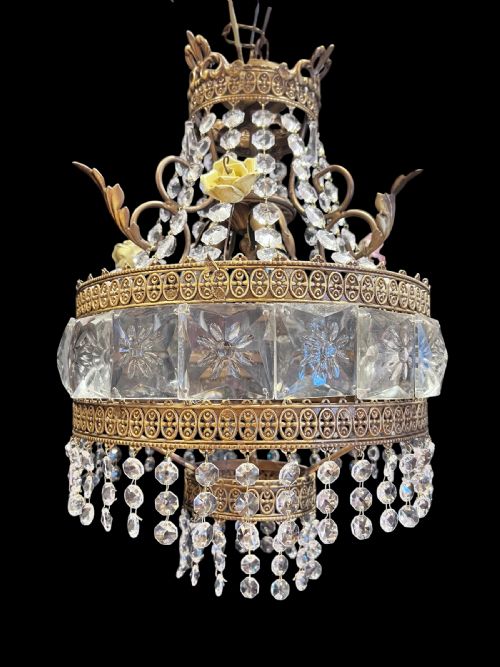
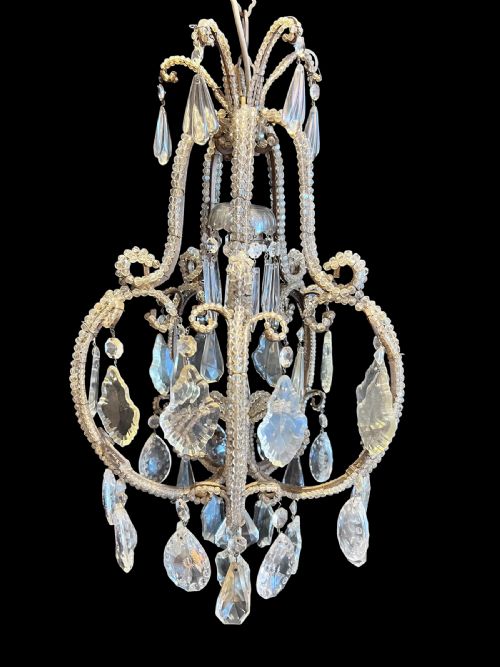
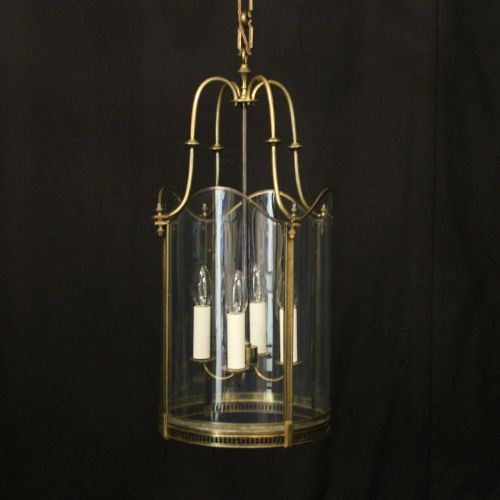
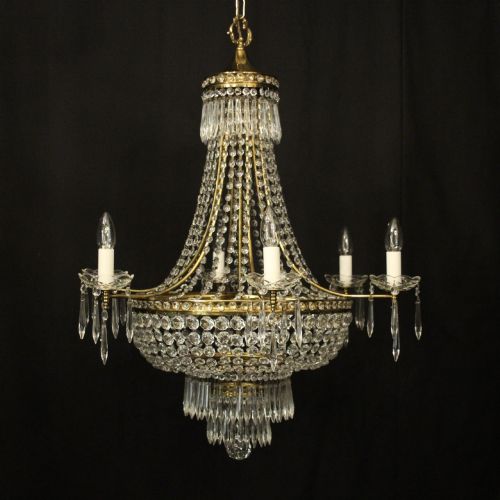
Most items you meet on this page originate from the nineteenth and early twentieth centuries, capturing periods from Edwardian refinement through to Art Deco simplicity. Common forms include multi-armed chandeliers hung with crystal lustres, tent and waterfall configurations, and convex hall lanterns.
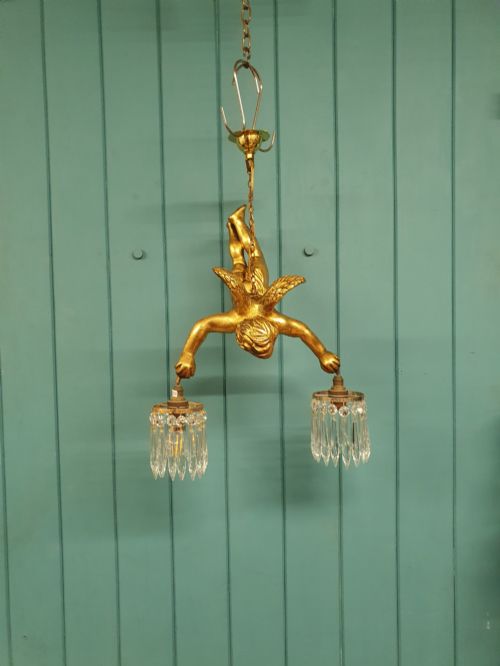
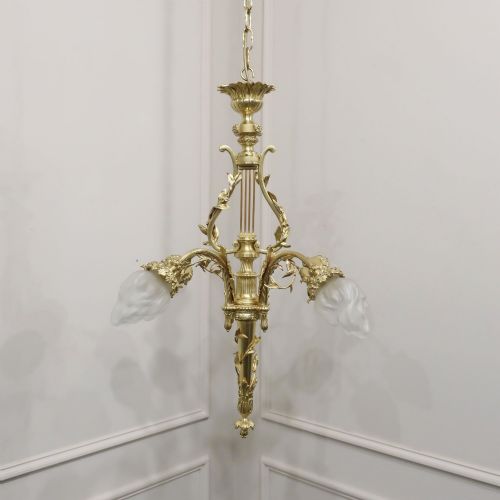
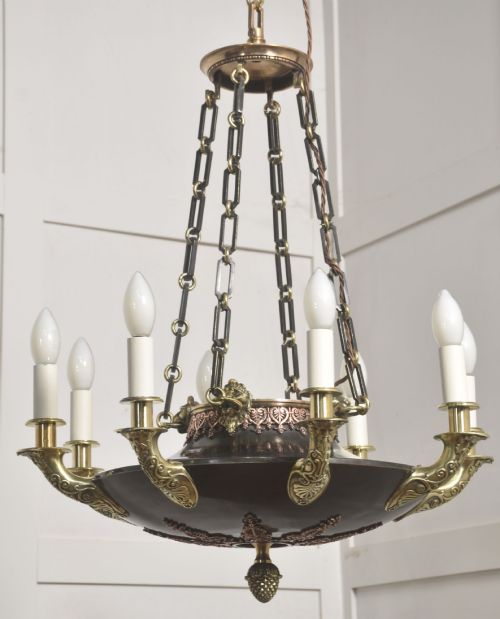
Originating predominantly from French workshops and chateau styles, these fixtures reflect historical design movements such as Neoclassical, Empire, and Rococo Revival. They range from simple brass ceiling fittings to elaborate multi-light gilded bronze centrepieces adorned with porcelain flowers or flying cherubs.
How they were made
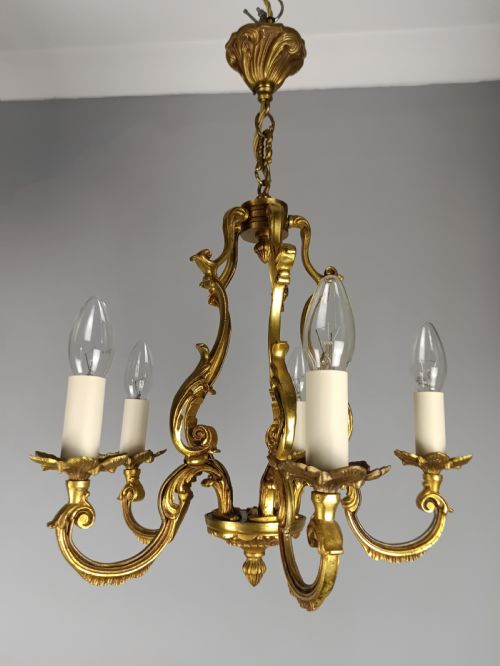
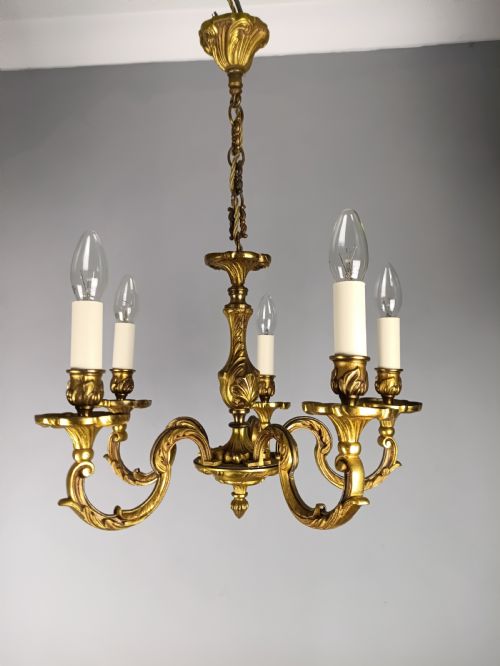
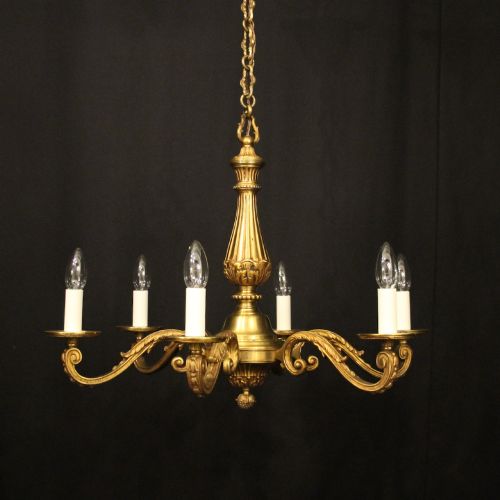
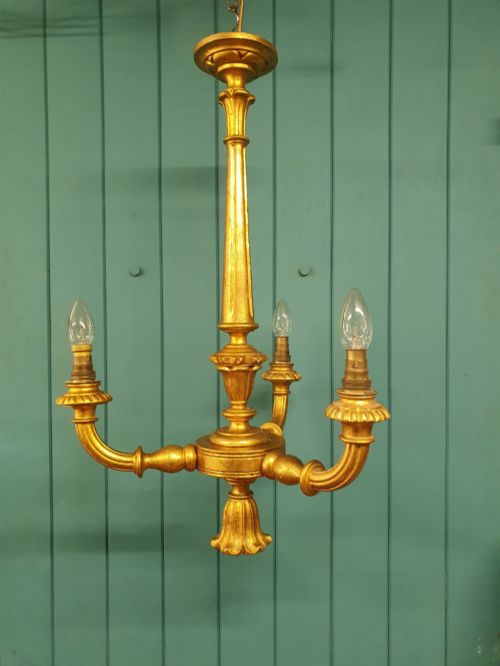
The construction of these luminaires relies heavily on metals such as brass, bronze, and spelter, often finished with gilt or silver leaf to impart a rich metallic sheen. Master artisans cast and carved these foundational structures before applying decorative elements like leaf motifs or figural details.
Glass and crystal form the second vital component, integrated through cut glass spikes, beaded strands, and intricate lustres that scatter light across a space. Artisans combined these glass elements with metal frames using traditional pin and wire fixings to support heavy tent and waterfall formations.
Antique French Light Fixture Retail Price Guide 2026
Typical asking prices for french light fixture among the pieces listed under this phrase on Sellingantiques today, from the lower quarter to the upper quarter. They describe what is for sale here now, not the wider market.
The inventory records pieces originating from the nineteenth century up to the 1930s, constructed predominantly in brass, bronze, and cut glass.
What varies in quality
The distinction between ordinary and exceptional examples rests upon the depth of hand-chasing in the bronze work and the crispness of cast details. Superior pieces display finely articulated ornamentation on arms and bobeches, whereas lesser items rely on softer, less defined mouldings.
Material composition also dictates excellence, with heavy gilt bronze commanding greater prestige than simpler plated brass or basic metal alloys. The clarity, cut, and abundance of the crystal components further elevate a fixture, as does the cohesive integration of ceramic or porcelain botanical additions.
Émile-Jacques Ruhlmann
The Antique French Light Fixture Glossary
- Chandelier
- A branched ornamental light fixture suspended from the ceiling. These pieces hold multiple bulbs or candles across tiers of arms.
- Lustre
- A cut glass pendant or drop hung from a chandelier. Lustres catch and refract light to enhance illumination.
- Tent and waterfall
- A specific chandelier silhouette featuring an upper triangular tent of glass beads flowing down into a wider cascade. This style defines many grand twentieth-century fixtures.
- Hall lantern
- An enclosed ceiling-hung light designed for corridors or entranceways. They frequently feature glazed panels within a gilded brass or bronze frame.
- Plafonniere
- A shallow bowl-shaped ceiling light mounted close to the surface. These fixtures diffuse light evenly across smaller rooms.
Antique French Light Fixture: Frequently Asked Questions
How do I hang a heavy chandelier safely?
Suspension of heavy bronze and crystal fixtures requires securing the hanging weight directly into a ceiling joist or structural beam using an appropriate steel hook and electrical box.
Electrical wiring must be assessed by a competent electrician to ensure the ceiling connection and internal leads support the total wattage and weight of multi-arm fittings.
What rooms suit an antique hall lantern?
Compact convex or triple-light lanterns fit narrow entryways, stairwells, and vestibules where hanging clearance is limited. Their enclosed glass panels protect the interior components from drafts and dust in high-traffic transition spaces.
Choosing a lantern with gilded brass or bronze framing adds architectural presence without overwhelming smaller domestic interiors.
How do I clean crystal drops safely?
Maintenance involves wiping individual crystal lustres and beads in situ using a lint-free cloth dampened with a mild solution of warm water and isopropyl alcohol. Avoid removing every piece unless necessary, as traditional wire fastenings can fatigue with repeated handling.
Dry each component thoroughly with a soft cloth to restore maximum brilliance and prevent moisture damage to the surrounding metal frame.
How can I tell an Edwardian piece from a 19th-century one?
Dating relies on stylistic cues and construction methods, with nineteenth-century examples often exhibiting heavier cast bronze, intricate Neoclassical or Empire motifs, and darker patination. Edwardian and early twentieth-century pieces frequently embrace lighter brass constructions, simpler tent configurations, or emerging Art Deco geometries.
Examining the casting seams and the method of joining the arms provides further clues regarding the period of manufacture.