

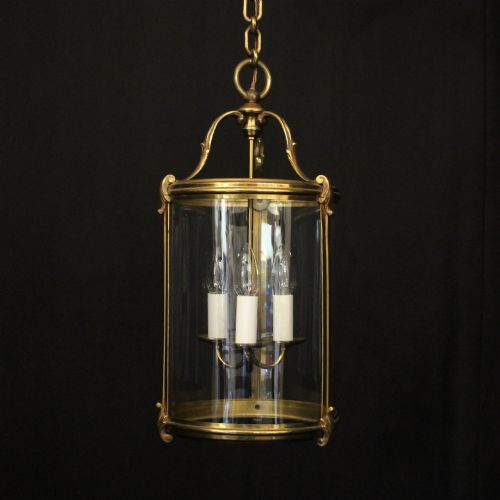
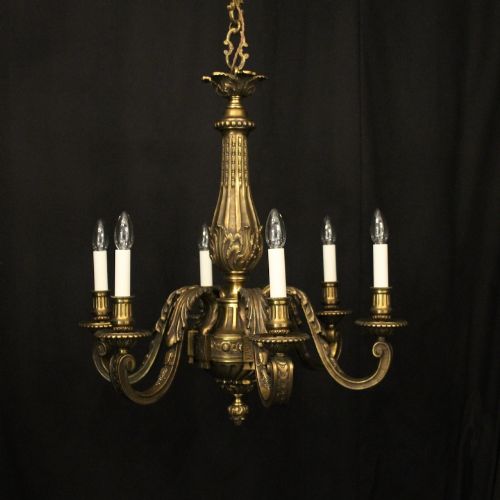
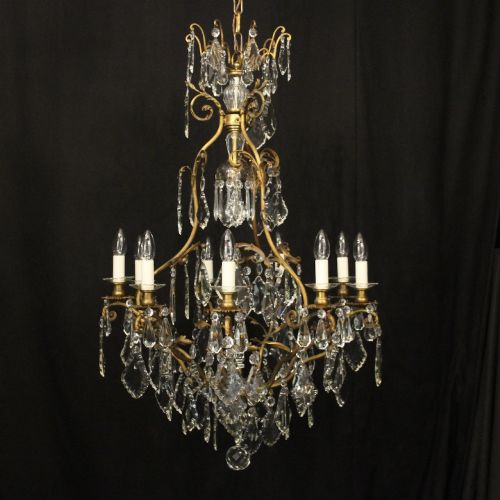
Antique French Light Fitting
An antique french light fitting brings warmth and historic charm to any room through ornate metalwork and brilliant glass drops.
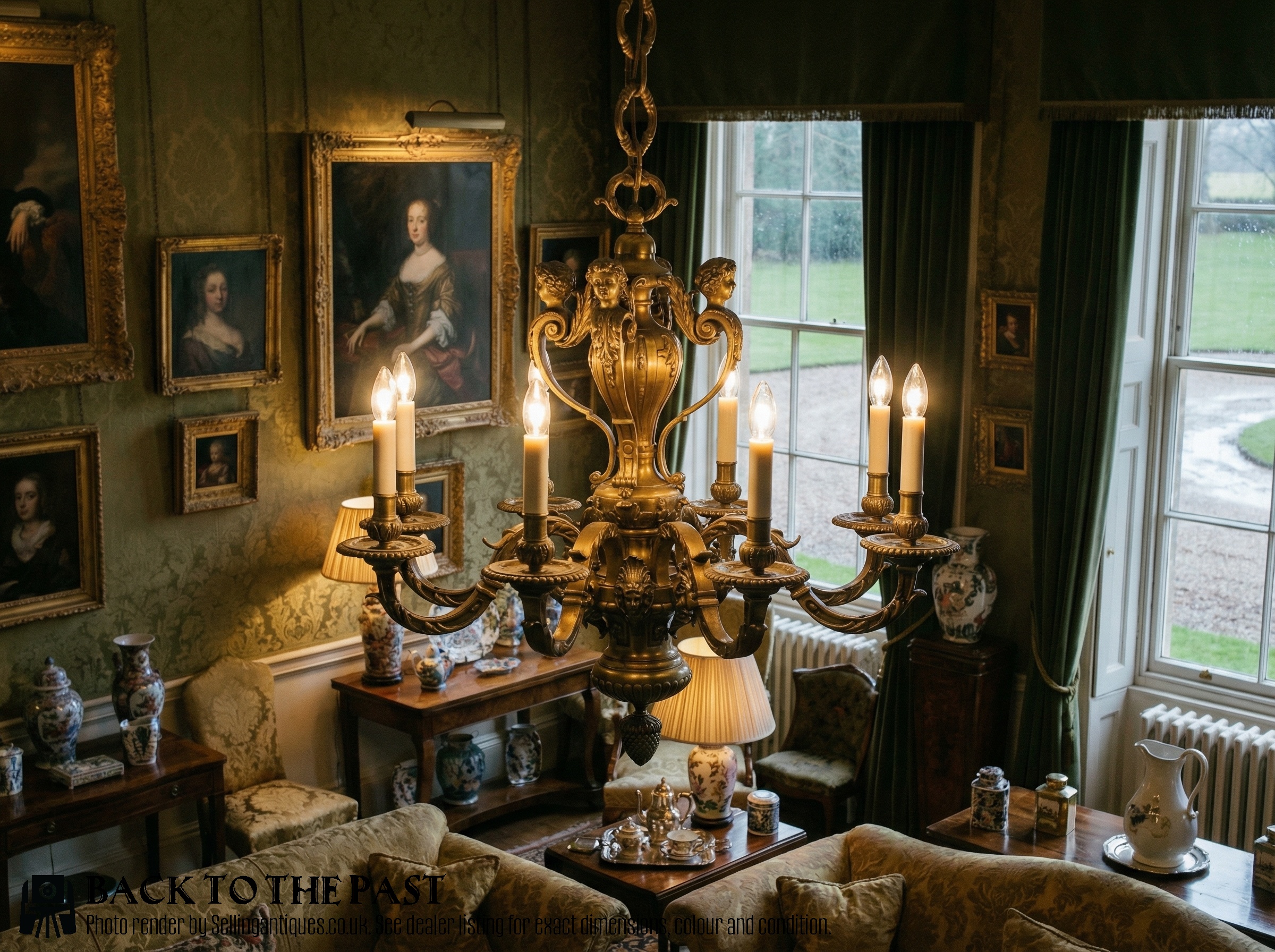
Antique French Light Fitting
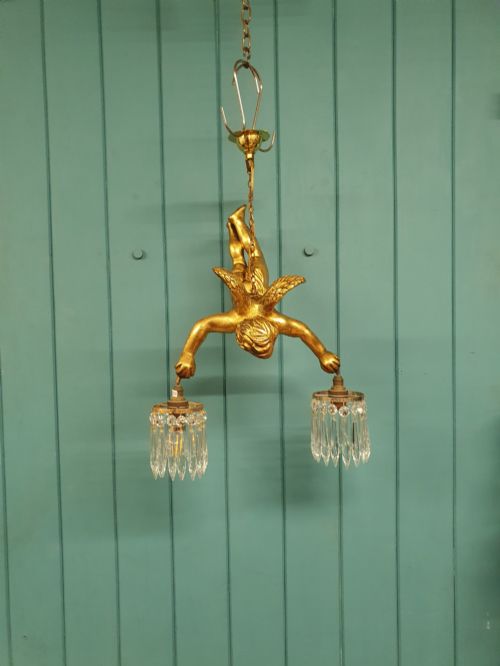
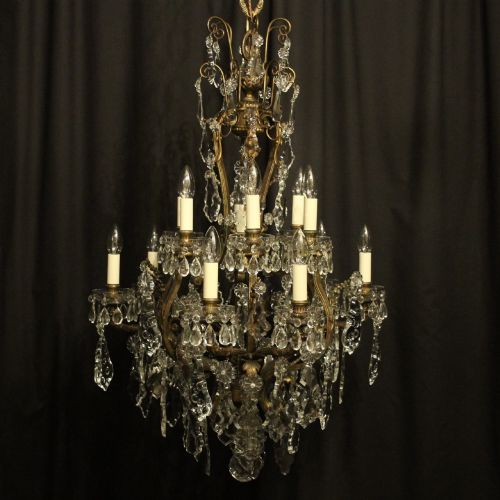
When searching for an antique french light fitting, buyers encounter a wide variety of overhead and wall-mounted illumination pieces designed to transform residential spaces. The selection ranges from grand multi-armed chandeliers and wall lights to ceiling lanterns, plafonieres, and table lamps.
Pieces frequently date from the nineteenth century through the early decades of the twentieth century, including Edwardian examples. Styles lean heavily towards French Rococo, Empire, Neoclassical, and Chateau aesthetics, bringing formal elegance into domestic interiors.
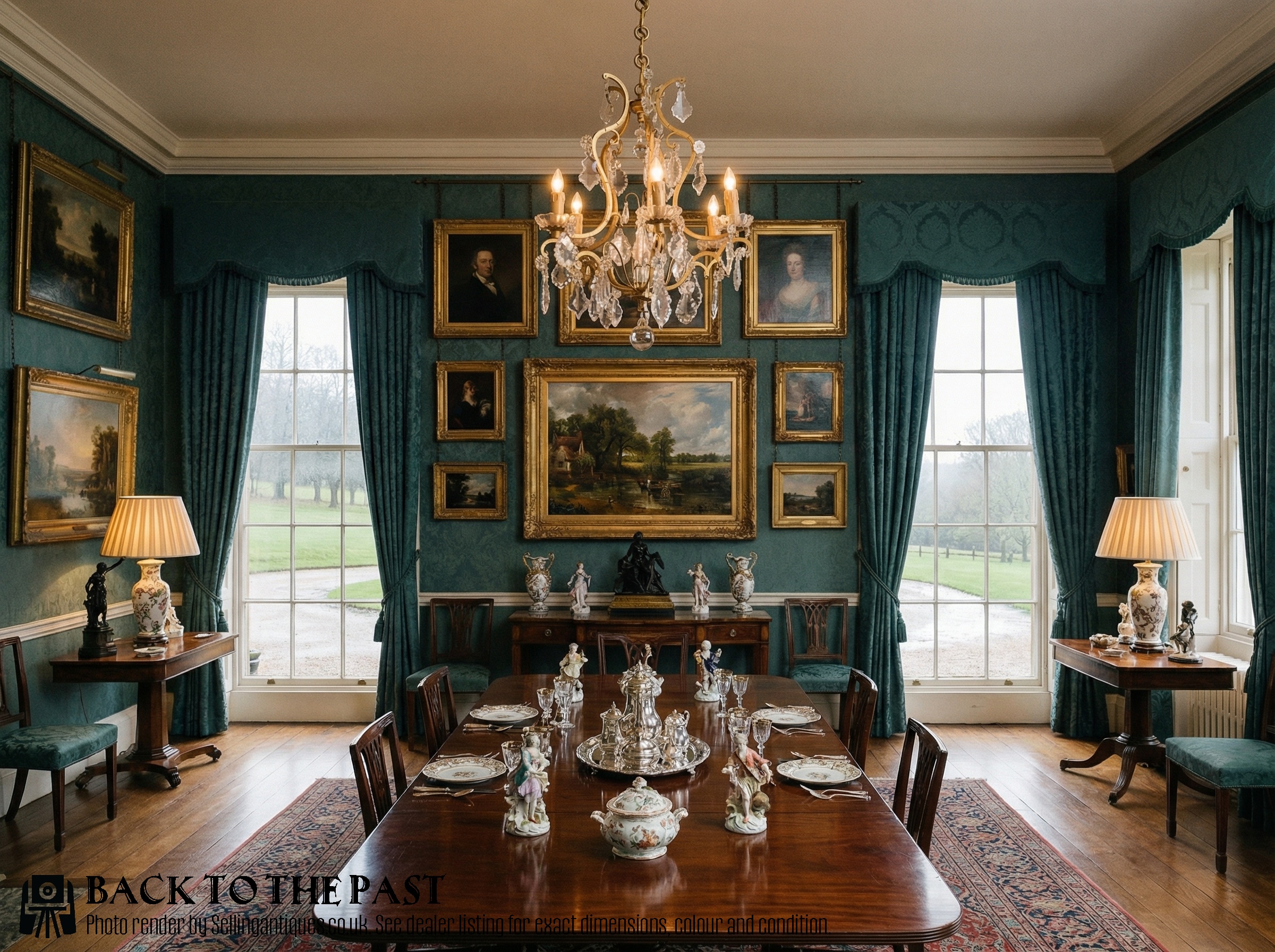
Materials and construction methods
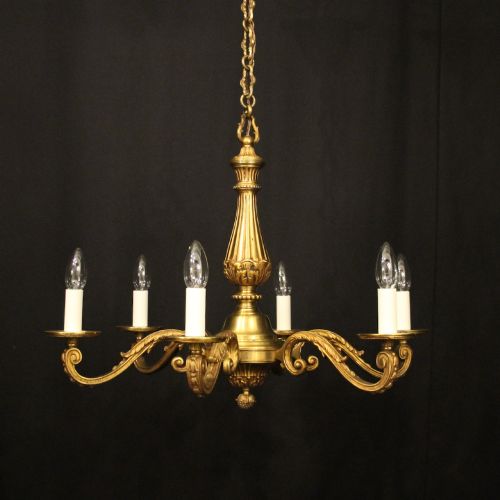
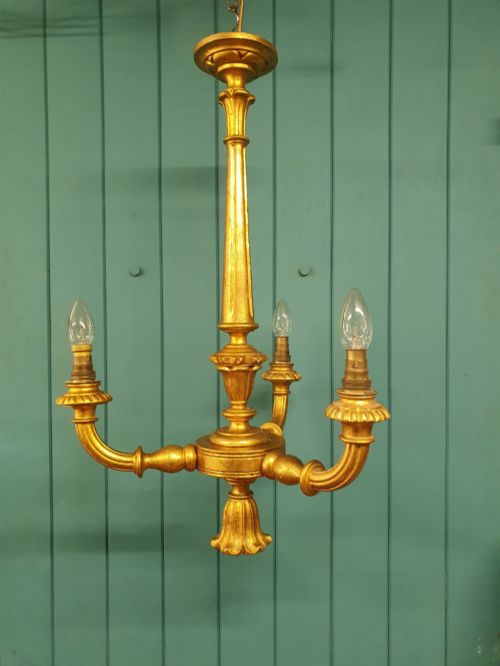
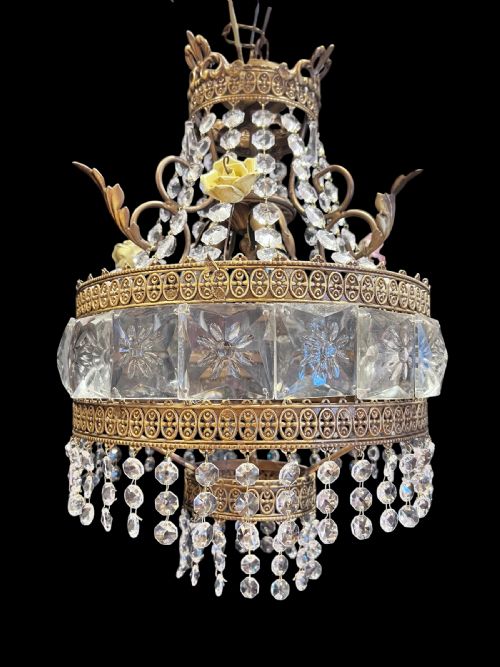
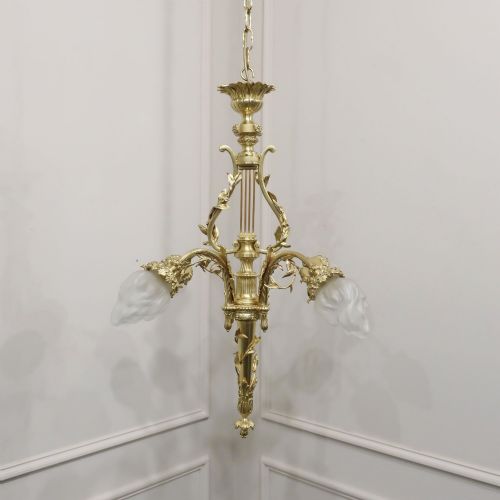
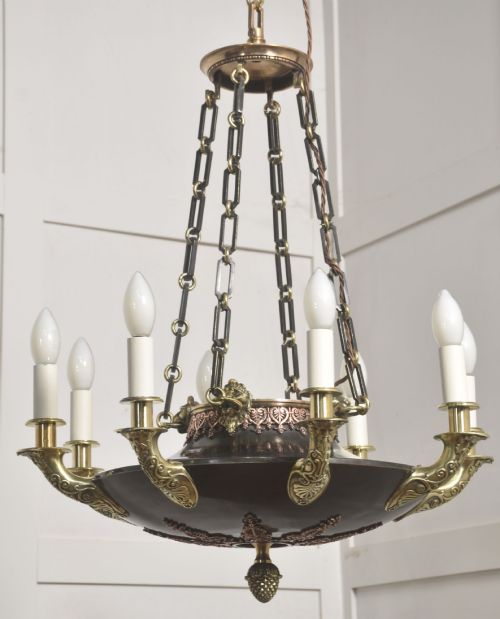
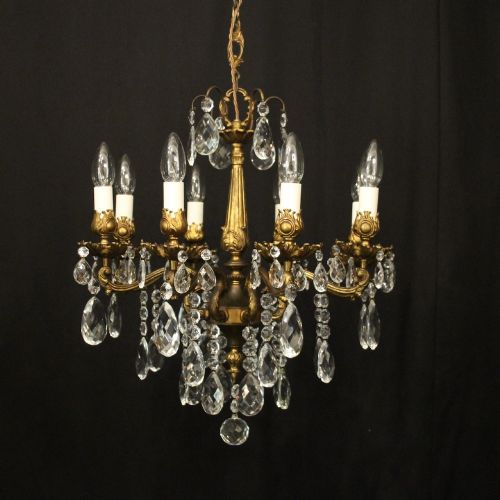
Construction relies primarily on metals such as brass, bronze, gilt bronze, spelter, and copper, paired with extensive glass and cut crystal components. Many pieces feature cast or carved metal frames finished with gilding, silver gilding, or dark patination.
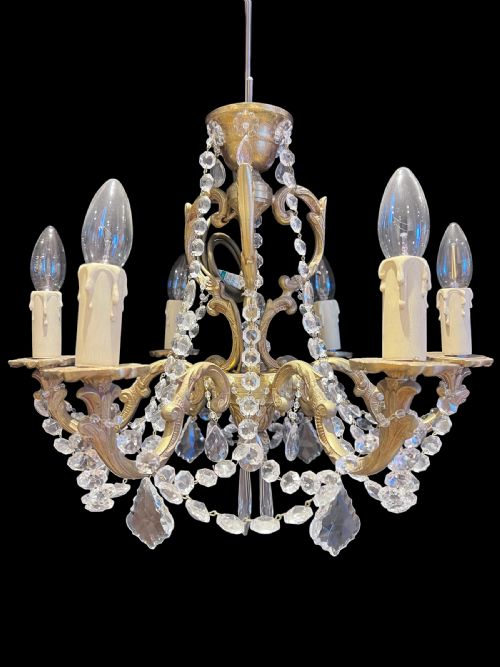
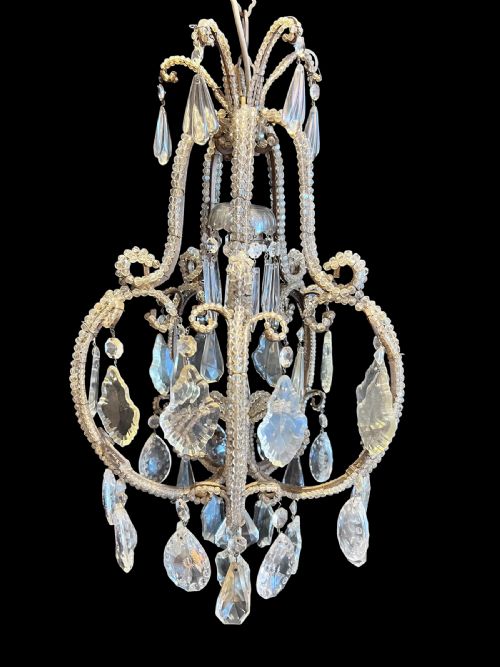
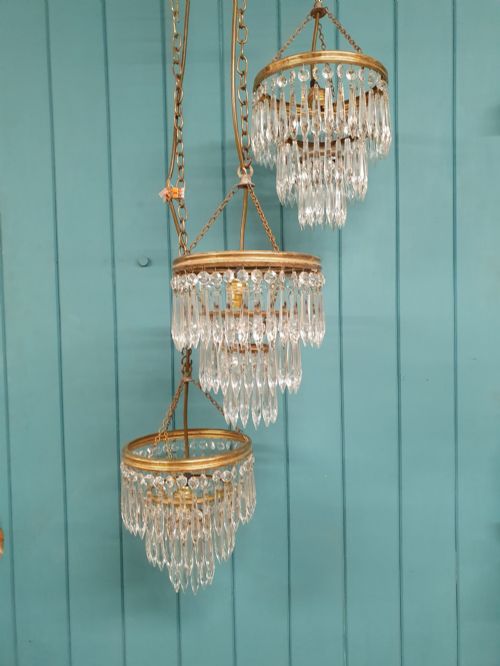
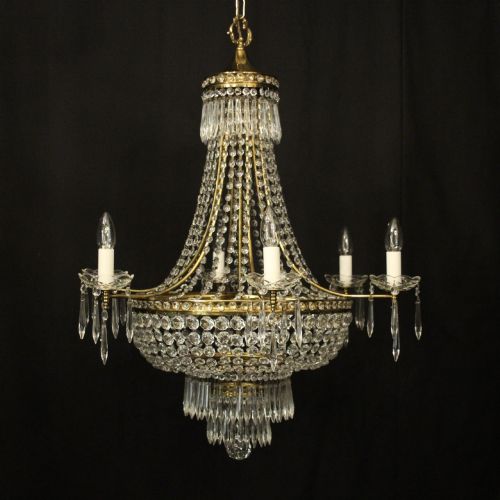
Lighting assemblies incorporate faceted crystal drops, spikes, beads, coffin prisms, and waterfalls designed to refract light across a room. Additional decorative elements include porcelain flowers, carved giltwood, and alabaster bowls.
Antique French Light Fitting Retail Price Guide 2026
Typical asking prices for french light fitting among the pieces listed under this phrase on Sellingantiques today, from the lower quarter to the upper quarter. They describe what is for sale here now, not the wider market.
What separates differing tiers of quality
Quality differences stem from the intricacy of the metal casting, the weight and clarity of the crystal, and the depth of the gilding. Heavier bronze frames with finely chased detailing and sharp cut crystal elements sit at the higher end of the scale.
Subtleties in stylistic execution, such as the naturalistic modelling of cherubs, floral ceramics, or Tolewear leaves, distinguish standard production pieces from finer studio and revival works.
The Antique French Light Fitting Glossary
- Tent and waterfall
- A lighting configuration featuring an upper triangular tent of crystals falling down into a wider bowl-like cascade of drops.
- Plafoniere
- A ceiling-mounted light fixture that sits flush or very close to the ceiling surface rather than hanging on a chain.
- Spike chandelier
- A vertical central pendant fixture characterised by a tight cluster of upward or outward pointing glass spikes and prisms.
- Gilt bronze
- Metal alloy cast into decorative shapes and coated with a thin layer of gold leaf or gold paint for a brilliant finish.
- Coffin prism
- A flat, elongated, multi-faceted crystal drop historically shaped like a geometric wedge to catch and scatter light.
Antique French Light Fitting: Frequently Asked Questions
Where should I hang a crystal chandelier?
These fixtures work best in high-ceilinged spaces such as dining rooms, living areas, or grand entrance halls where they have sufficient clearance.
Ensure the scale of the fitting matches the proportions of the room so it provides adequate illumination without overwhelming the furniture.
How do I identify a French Empire style light?
Empire style pieces usually feature classical motifs, symmetrical arrangements, and military or neoclassical ornamentation influenced by the Napoleonic era.
They frequently utilise heavy bronze or brass structures combined with structured rows of crystal drops.
Can these old lights use modern electrical bulbs?
Most antique fixtures accept standard modern wiring and low-wattage LED bulbs after professional rewiring and safety checks.
Consult a qualified electrician to ensure the internal components and ceiling mounts safely support the weight of the metal and crystal.
What is the difference between a sconce and a pendant?
Sconces mount directly onto vertical wall surfaces, typically holding a small number of candle arms or light bulbs.
Pendants and chandeliers hang downward from the ceiling on chains, cords, or rigid stems to illuminate the centre of a room.