


Antique French Gold Jewelry
Antique French gold jewellery brings together periods from the nineteenth century to the art deco era, offering pendants, rings and charms fashioned in yellow gold and white gold.
Antique French Gold Jewelry
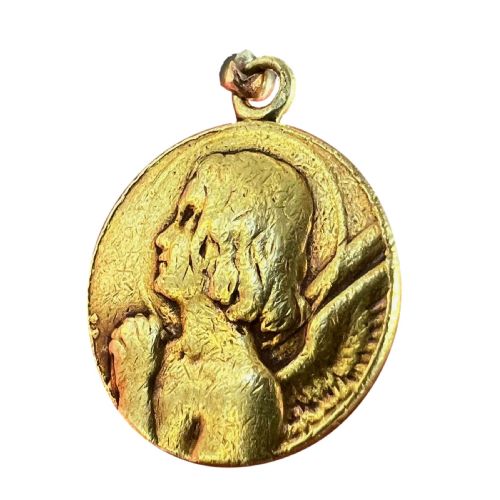
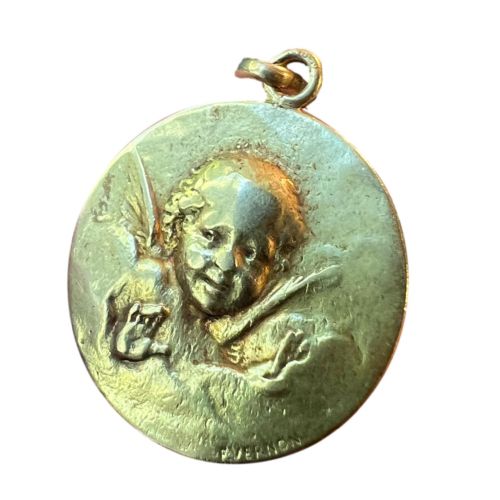
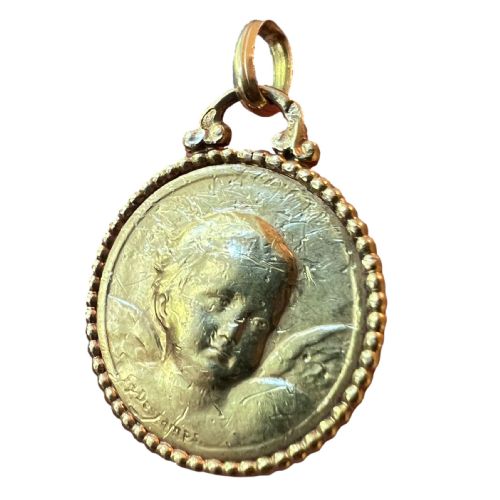
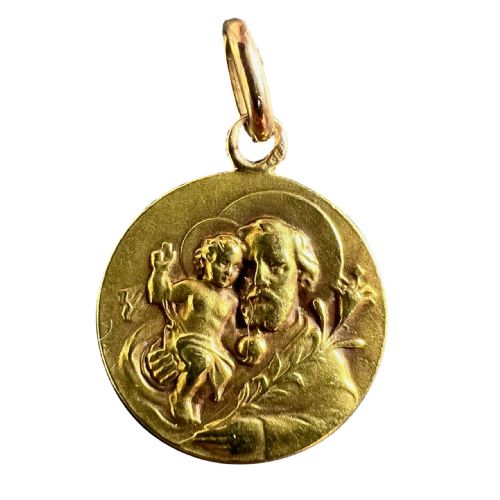
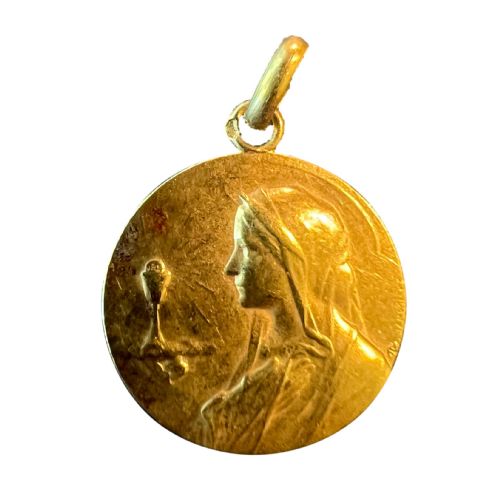
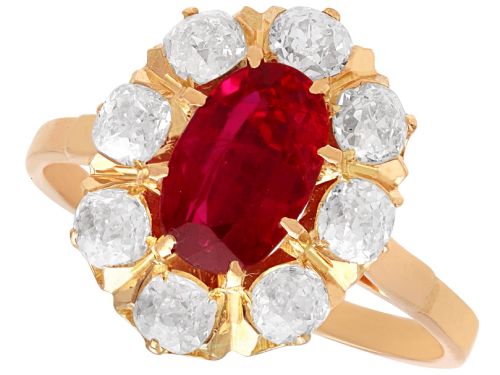
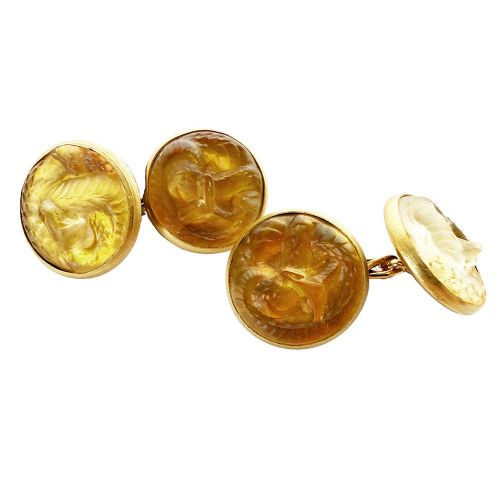
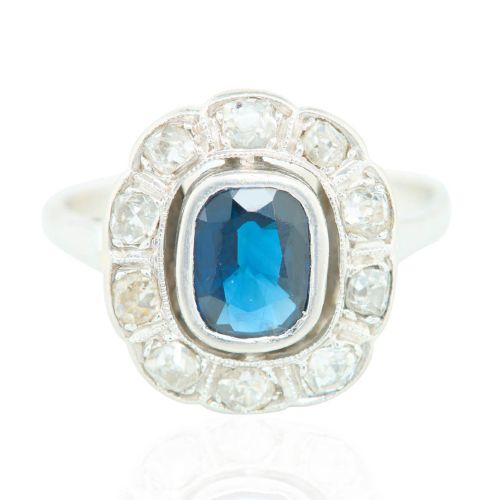
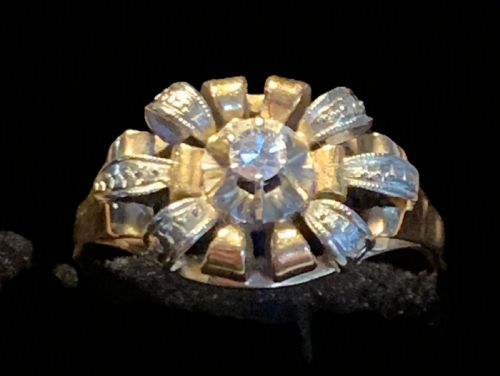
When searching for antique french gold jewellery, buyers encounter items spanning the Victorian, Edwardian, art nouveau and art deco periods. Pendants, religious medals, cluster rings and charm pendants form the core of the selection.
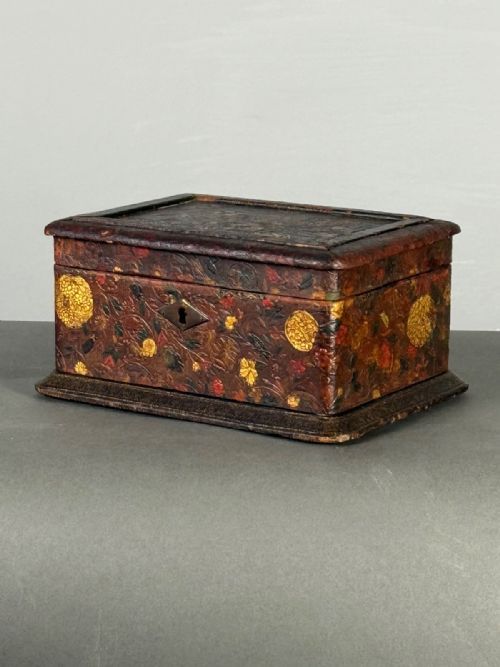
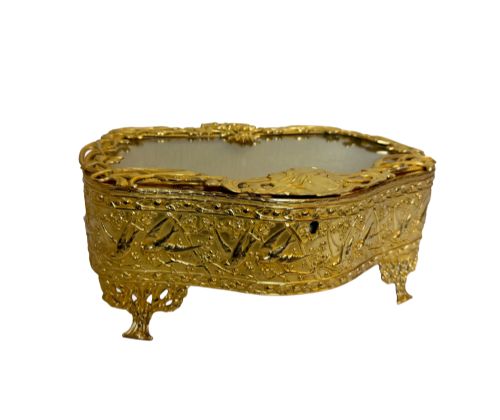
The objects extend to decorative boxes and caskets alongside bracelets and drop earrings. Items originate from workshops across France, reflecting stylistic shifts from nineteenth-century revivalism to twentieth-century geometric lines.
Materials and techniques
Maker workshops utilised eighteen-carat yellow and white gold alongside rose gold, paired with gemstones such as old-cut diamonds, rubies, sapphires and garnets. Platinum appears in clasps and settings on later pieces.
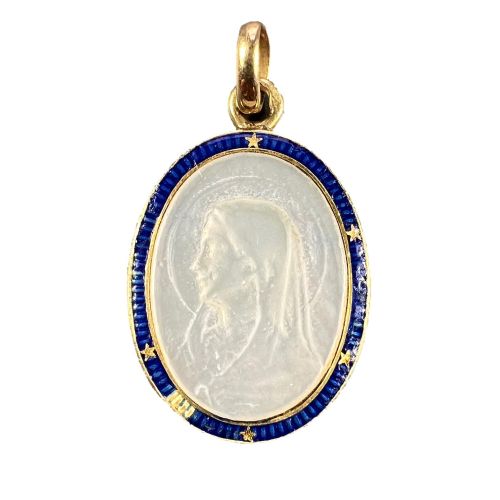
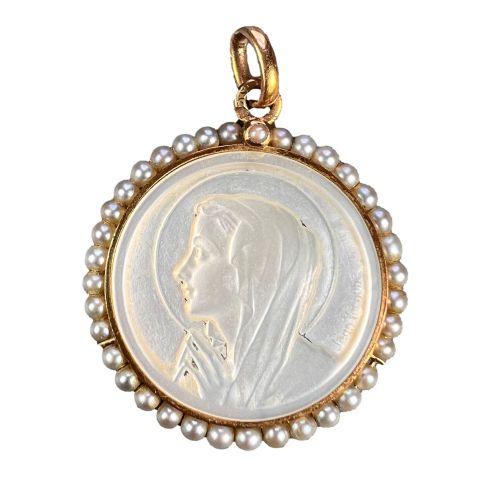
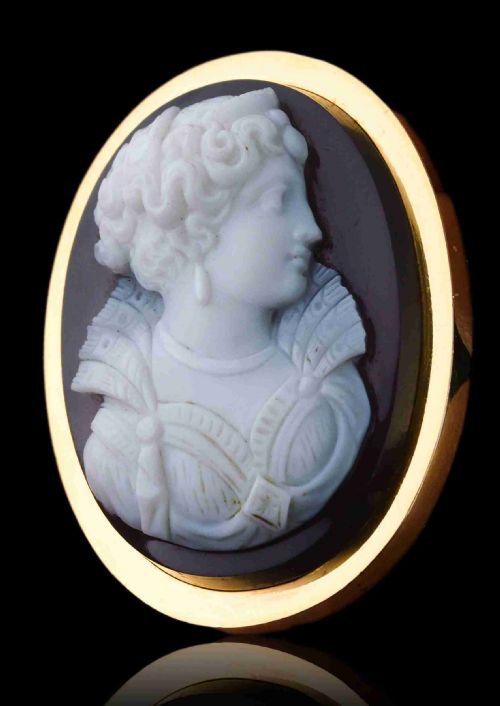
Enamel work, including translucent plique-a-jour and polychrome detailing, decorates religious medals and charms alongside mother-of-pearl and hardstone cameos. Cast and chased metalwork forms frames, bezels and box mounts.
Antique French Gold Jewelry Retail Price Guide 2026
Typical asking prices for french gold jewelry among the pieces listed under this phrase on Sellingantiques today, from the lower quarter to the upper quarter. They describe what is for sale here now, not the wider market.
Listings feature items from the Victorian, Edwardian, art nouveau and art deco periods, utilising yellow gold, white gold, enamel and diamonds.
Factors of quality
The execution of fine details separates standard production from superior examples. Enamel work that retains intact cells without chipping and crisp, well-defined hand-engraving on medals demonstrate higher craftsmanship.
Gemstone selection and setting precision influence overall merit, visible in the matching of cut stones and the security of claw or bezel settings. Maker signatures and workshop marks add documentary weight to surviving pieces.
Susse Freres Paris·R Lalique·Emile Monier·Paul Brandt·Mazzoni·Pageli Perriat·Guilbert
The Antique French Gold Jewelry Glossary
- Plique-a-jour
- An enamelling technique where enamel is applied to open frames without a backing, creating a stained-glass effect that lets light pass through.
- Navette
- A boat-shaped gemstone setting or ring face that tapers to points at both ends. This elongated silhouette gained popularity during the late nineteenth century.
- Old-cut
- A diamond cut predating modern brilliant standards, characterised by a smaller table, higher crown and open culet. These stones display softer light return under candlelight.
- Medal
- A devotional or commemorative pendant, frequently featuring religious figures in relief. French examples often carry hallmarks indicating gold fineness.
Antique French Gold Jewelry: Frequently Asked Questions
What periods do these pieces date from?
The items span the nineteenth century through the early twentieth century. Key periods represented include Victorian, Edwardian, art nouveau and art deco eras.
Most pieces date between eighteen-eighty and nineteen-thirty, reflecting distinct stylistic movements in French design and goldsmithing.
How were religious medals worn?
Devotional medals served as personal items of faith and protection. People wore them suspended from chains around the neck or attached to bracelets.
Many feature inscriptions, floral wreaths or representations of the Virgin Mary on the face, with space for personal engraving on the reverse.
What gold purity is standard?
Eighteen-carat gold forms the primary material for the jewellery items. Both yellow gold and white gold variants appear across rings, pendants and earrings.
French standard alloy marks, such as the eagle head, frequently verify the gold purity on surviving pieces.
How do art nouveau and art deco differ?
Art nouveau pieces incorporate flowing organic lines, floral motifs and natural forms like leaves and vines. Plique-a-jour enamel and curved settings define this aesthetic.
Art deco pieces shift towards geometric symmetry, sharp angles and structured diamond cluster arrangements, reflecting a modern industrial influence.