
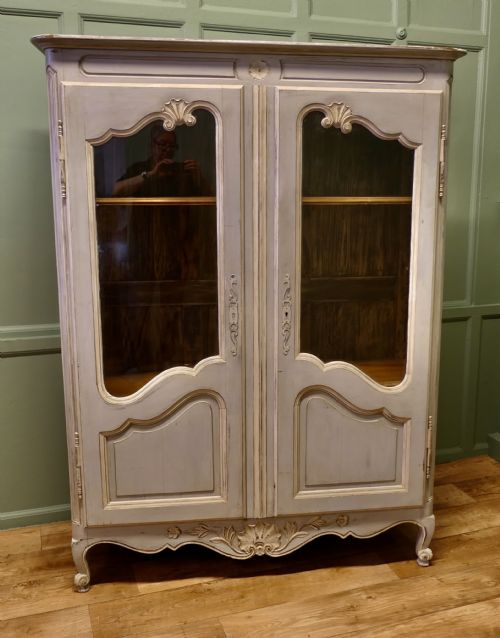
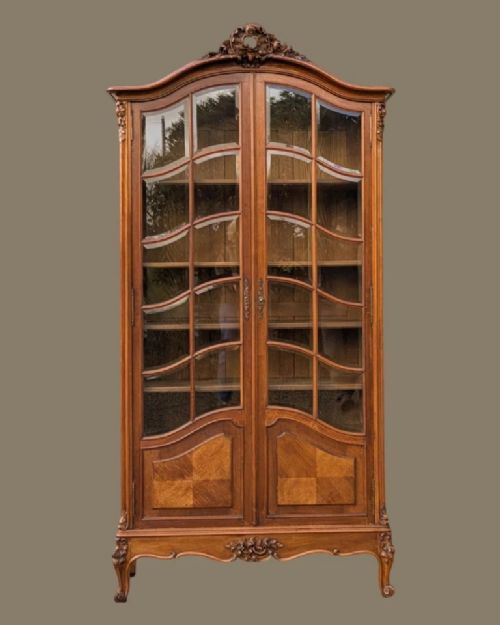
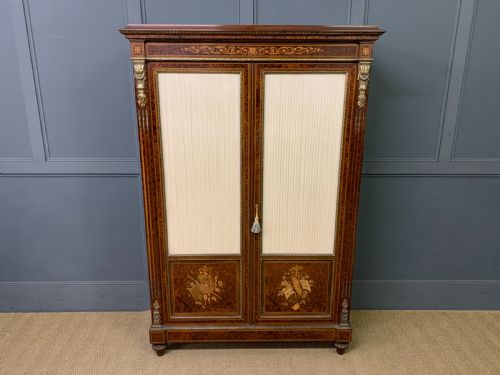


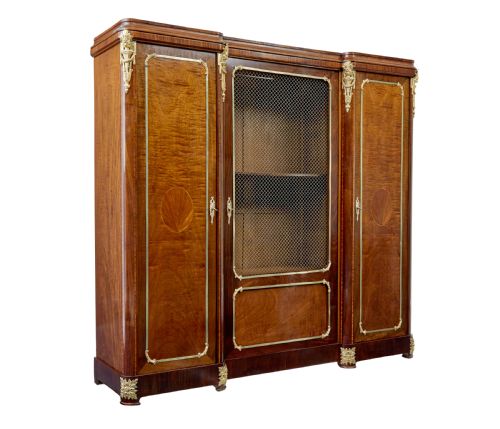

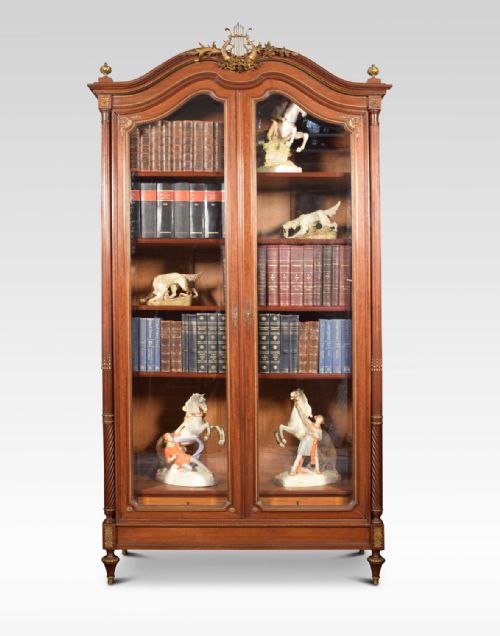


Antique French Glazed Armoire
These antique french glazed armoire pieces combine generous storage with glazed display, offering timeless elegance for refined interiors.
Antique French Glazed Armoire
An antique french glazed armoire serves as a substantial storage vessel and display cabinet, combining enclosed timber compartments with glazed upper doors. These pieces emerge in styles ranging from French Provincial to Louis XV Revival, spanning the eighteenth and nineteenth centuries.
The inventory on this page shows predominantly nineteenth century pieces, alongside notable eighteenth century examples in oak and walnut. Forms extend from library bookcases to vitrines and two-piece commodes, reflecting diverse regional French craftsmanship.
Buyers seeking an antique french glazed armoire will find items incorporating brass mounts, ormolu, and fine timber veneers. The configuration typically involves double or single doors fitted with glass panes to showcase books or precious objects.
How they were made
Cabinetmakers utilised robust structural timbers such as oak and walnut for the primary carcass, applying veneers of mahogany, amboyna, and rosewood to visible exterior surfaces. Joinery techniques ensured stability across large double-door formats and tall library bookcases.
Metal ornamentation played a significant role in embellishing the timber frames, with brass and ormolu mounts fitted to corners, cornices, and key escutcheons. Glass panes were secured within timber mullions to create the glazed upper sections characteristic of these cabinets.
The listings feature pieces spanning the 18th century, 19th century, and 1920, constructed from oak, walnut, mahogany, rosewood, and amboyna.
What varies in quality
The distinction between standard and exceptional pieces lies in the sophistication of the timber selection and the refinement of the decorative mounts. Finely figured mahogany veneers and detailed ormolu enrichment elevate an armoire above simpler provincial oak constructions.
Proportion and execution of carving also dictate the standing of a cabinet, with intricate Rococo or Empire influenced motifs showing superior handwork. The integration of original glass and well-cast brass mounts further distinguishes the finer examples.
The Antique French Glazed Armoire Glossary
- Armoire
- A large wardrobe or cupboard, traditionally used for storing garments but frequently adapted as a bookcase or display cabinet. These pieces often feature prominent cornices and panelled doors.
- Vitrine
- A glass-fronted cabinet designed specifically for the display of porcelain, books, or curiosities. The glazed panels allow maximum visibility of the interior contents.
- Ormolu
- Gilded bronze ornamentation applied to furniture, popular in French Empire and revival styles. This decorative technique adds metallic lustre to mahogany and walnut surfaces.
- Inlay
- The technique of inserting pieces of contrasting timber or exotic woods into a solid wood matrix to form decorative patterns. Amboyna and mahogany are frequently combined in this manner.
- Commode
- A low chest of drawers or cabinet, occasionally paired with a vitrine superstructure in eighteenth-century French furniture. It provides accessible storage alongside display space.
Antique French Glazed Armoire: Frequently Asked Questions
What is an antique french glazed armoire used for?
These cabinets serve as dual-purpose furniture pieces, offering enclosed lower storage alongside glass-fronted shelving for displaying books or collections.
In modern interiors, they function effectively in libraries, dining rooms, or living spaces to store and exhibit treasured items simultaneously.
How do I date an antique french glazed armoire?
Dating relies on examining the structural timbers, joinery methods, and stylistic indicators such as Empire or Rococo influence. Eighteenth-century examples often utilise solid oak or walnut, while nineteenth-century pieces frequently feature elaborate veneers and brass mounts.
Comparing the hardware, glass characteristics, and secondary woods helps narrow the manufacturing period between the 1700s and early 1900s.
Where should I place an armoire in my home?
Due to their substantial height and depth, these armoires require adequate wall space and a stable, level floor. Placing them away from direct sunlight protects vulnerable wood veneers and antique glass.
They anchor large rooms effectively, working well against feature walls where their glazed doors can catch and reflect ambient light.
How do I care for the wood and glass?
Maintain the timber surfaces by dusting regularly with a soft, dry cloth and applying appropriate beeswax sparingly to nourish antique finishes. Avoid synthetic cleaning sprays that can degrade historic polishes.
Clean the glass panes carefully using a mild solution applied to the cloth rather than directly sprayed onto the glass near the timber frames.