





Arched Top Glazed Bookcase
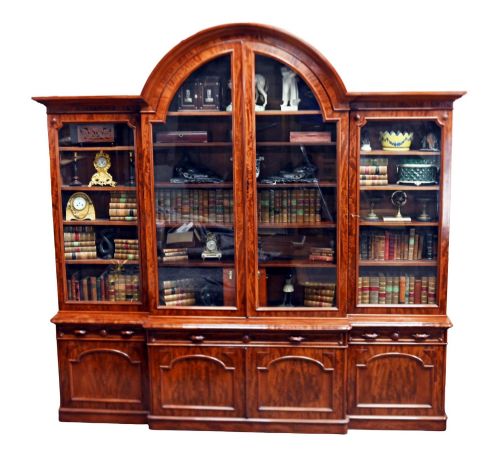
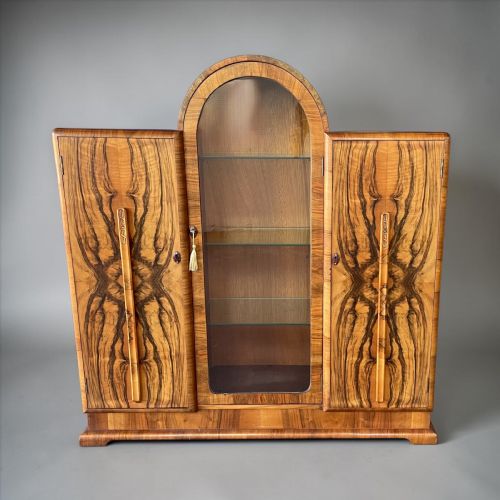
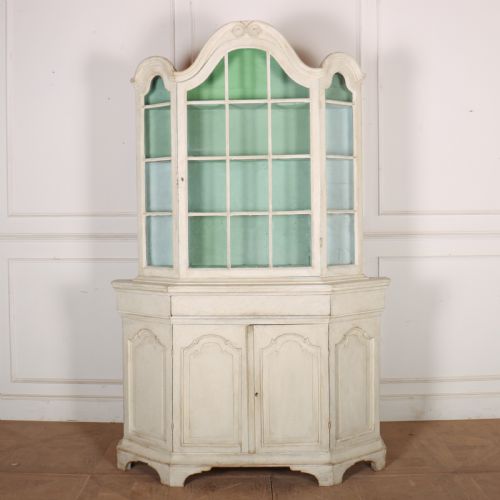
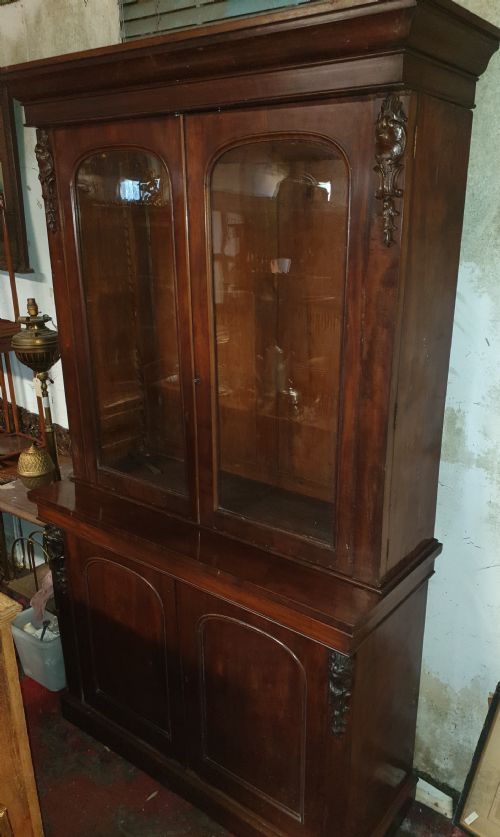
These arched top glazed bookcase examples are classic storage furniture for books and display, offering glass-fronted protection that lets a room show its character.
Arched Top Glazed Bookcase
An arched top glazed bookcase offers enclosed shelving behind glass panels, typically designed to keep volumes clean whilst keeping titles visible within a room. When you search for an arched top glazed bookcase, you encounter varying formats ranging from tall standing cabinets to corner cupboards and pieces set on stands.
The pieces listed on this page span several distinct periods including the eighteenth century, Regency era, and twentieth century. Walnut, oak, and mahogany appear frequently alongside painted wood finishes and burr walnut veneers, reflecting traditional cabinet-making choices across English, French, and Dutch origins.
Forms vary from upright two-part bookcase cabinets to corner cupboards and vitrines, occasionally displaying styles such as Art Deco, Queen Anne, and Dutch Baroque. These variations show how cabinet-makers adapted the arched glass-fronted concept for different domestic spaces over centuries.
How they were made
Makers constructed these cabinets using dense hardwoods like mahogany, walnut, and oak, often applying figured veneers such as burr walnut to create patterned surfaces on the exterior doors and panels. Glazing bars divide the glass panes into geometric patterns, requiring precise joinery to hold the glass securely within the arched framework.
Metal fittings such as brass hardware appear alongside wooden framing, while painted wood and marquetry finishes provide alternative decorative treatments seen in French and Dutch pieces. Construction methods ranged from single-piece upright cases to modular two-part bookcase cabinets designed for easier transport.
Materials recorded across the current listings include glass, brass, walnut, oak, painted wood, metal, mahogany, and burr walnut.
What varies in quality
The quality of an arched top glazed bookcase depends heavily on the selection of timber veneers and the crispness of the joinery around the arched glass doors. Superior examples demonstrate careful grain matching across the panels and finely moulded glazing bars that hold the glass without heavy or clumsy framing.
Proportion and structural balance separate simpler utility pieces from finer cabinet work, particularly in how the upper arched section integrates with the base or stand. The refinement of interior shelving adjustments, backboards, and original hardware further distinguishes the standard of manufacture.
The Arched Top Glazed Bookcase Glossary
- Glazed
- Fitted with glass panels to protect the interior contents from dust whilst maintaining visibility. This feature defines the display function of the bookcase.
- Vitrine
- A glass-fronted cabinet or display case traditionally used for showing porcelain or decorative objects. It shares similar construction methods with glazed bookcases.
- Marquetry
- The art of applying pieces of veneer to a structure to form decorative patterns and pictures. Dutch examples frequently employ this technique on cabinet doors.
- Burr Walnut
- Timber taken from a walnut tree growth that produces intricate, swirling grain patterns. Cabinet-makers prized this material for high-status furniture fronts.
Arched Top Glazed Bookcase: Frequently Asked Questions
How do I clean the glass?
Use a soft cloth with a mild glass cleaner sprayed onto the cloth rather than directly onto the wood. This prevents moisture from damaging antique wood finishes and framing.
Take care around old putty or glazing bars, as older glass can be thinner and more fragile than modern window panes.
Can shelves be adjusted?
Shelf adjustability depends entirely on the period and internal construction of the specific cabinet. Many older bookcases feature fixed wooden shelves or simple slotted supports.
Heavier volumes require sturdy internal supports, so check the weight capacity of older shelf fixings before loading heavy books.
Are these pieces heavy?
Hardwood bookcases constructed from solid mahogany, oak, or walnut carry significant weight, especially tall two-part models. Having assistance helps when moving them safely.
Removing the glass doors and internal shelves prior to transport reduces weight and prevents accidental damage to fragile glazed sections.
How do I identify the period?
Period identification relies on observing timber choices, construction techniques, hardware types, and stylistic details like marquetry or arched framing. Comparing the proportions against known design eras helps narrow down the date.
Secondary woods used for interior panels and drawer linings often provide reliable clues to the manufacturing region and approximate age.