



Antique French Floral Artwork
Antique French floral artwork brings botanical grace and painterly depth into a room through oil, canvas and paper.
Antique French Floral Artwork
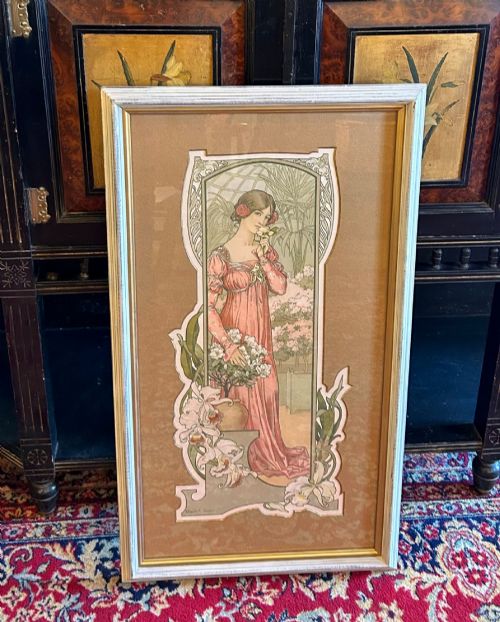
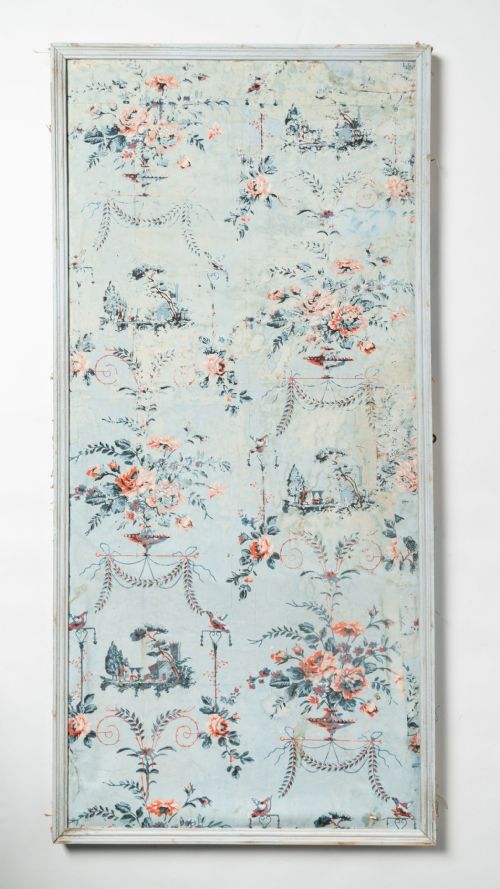
When you search for antique french floral artwork, you encounter oil paintings, botanical prints, gouache, watercolours and wall panels spanning several centuries. These pieces capture blossoms, garden flowers, water lilies and still lifes through the lenses of impressionism, post-impressionism, art nouveau and academic tradition.
The selections on this page lean heavily towards oil on canvas and oil on panel, alongside framed watercolours and engraved botanical plates. Domestic interiors gain immediate warmth from these floral depictions, which range from intimate watercolours in pewter frames to large oil paintings of roses and anemones.
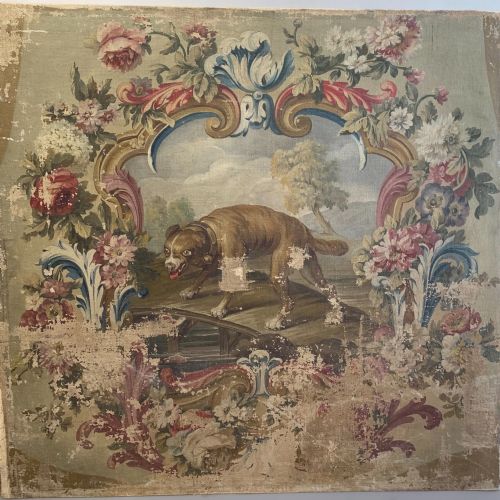
Origins stretch from the eighteenth century through the nineteenth century and into the early decades of the twentieth century. You find works by named painters and circle artists alongside anonymous studies intended for tapestries or decorative wall schemes.
Separating top examples from ordinary ones
Quality rests upon the confidence of the brushwork and the precision of the composition. Masterful handling of light, shadow and colour brings floral arrangements to life, whereas lesser works remain stiff and formulaic.
The preservation of the underlying canvas, wood panel or paper surface dictates the longevity and visual impact of the piece. Intact original frames with period gesso and gold leaf elevate the overall integrity of the artwork.
A white spider lily shares canvas space with a delicate butterfly in eighteenth-century botanical artistry.
Elisabeth Sonrel·Paul Lelong·Pancrace Bessa·Pierre Joseph Redoute·Bertoldo Taubert·Jules Felix Ragot
The Antique French Floral Artwork Glossary
- Lithograph
- A printmaking process where an image is drawn onto limestone or a metal plate with a greasy medium and then inked for transfer to paper. This technique allowed artists to reproduce detailed floral illustrations accurately.
- Gouache
- An opaque water-based paint that dries to a matte finish, offering greater coverage than watercolour. It enabled artists to achieve vibrant opacity in early nineteenth-century still lifes.
- Gesso
- A plaster-like mixture applied to wood frames or panels to prepare the surface for gilding or painting. It provides a smooth base for intricate decorative mouldings.
- Pointillism
- A painting technique involving small, distinct dots of pure colour applied in patterns to form an image. Luminist pointillist works utilise this method to capture shimmering light on floral subjects.
- Cartoon
- A full-scale preparatory drawing for a large work such as a tapestry or mural. Early nineteenth-century examples often served as guides for weavers in workshops.
Antique French Floral Artwork: Frequently Asked Questions
How do I date an antique floral painting?
Dating relies upon examining the canvas preparation, stretcher bars, framing style and the artistic movement evident in the brushwork. Eighteenth-century works differ noticeably in palette and canvas texture from nineteen-thirties modernist pieces.
Signatures, inscriptions on the reverse, and known artist lifespans provide further chronological anchors for attribution.
Where should I hang a floral canvas?
These works suit drawing rooms, dining spaces and studies where natural light complements the botanical subject matter. Pairing a medium-scale oil painting with antique furnishings creates a cohesive interior.
Avoid placing canvas works in direct, harsh sunlight or damp environments to preserve the integrity of the oil paint and wood.
Are botanical prints and oil paintings different?
Botanical prints and engravings focus on scientific accuracy and precise plant morphology, often originating from illustrated books or herbariums. Oil paintings prioritize painterly atmosphere, colour harmony and textural depth.
Both forms capture floral subjects but serve different aesthetic roles within a collection.
What framing should I look for?
Original period frames featuring gesso and gold leaf enhance the historical authenticity of nineteenth-century canvases. Pewter frames suit specific aesthetic movement pieces from the late Victorian era.
Matching the frame's patina to the age of the artwork ensures a harmonious presentation.