
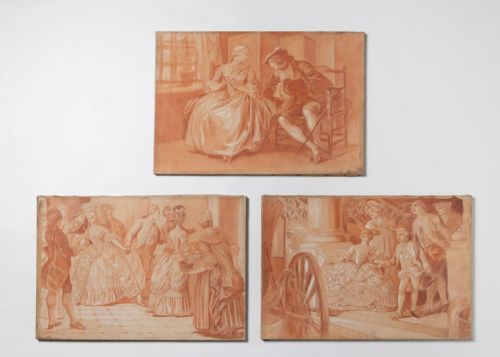
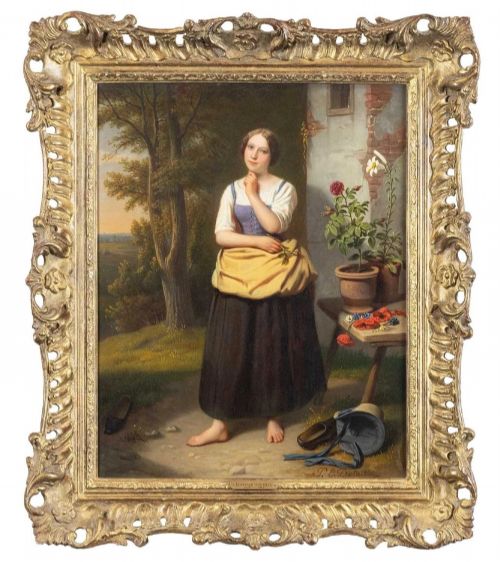
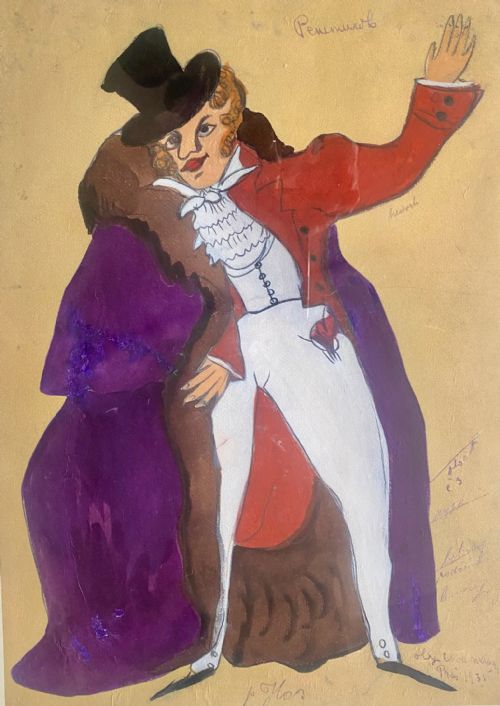


Antique French Figurative Painting
An antique french figurative painting brings human presence, narrative and period atmosphere straight onto the wall.
Antique French Figurative Painting
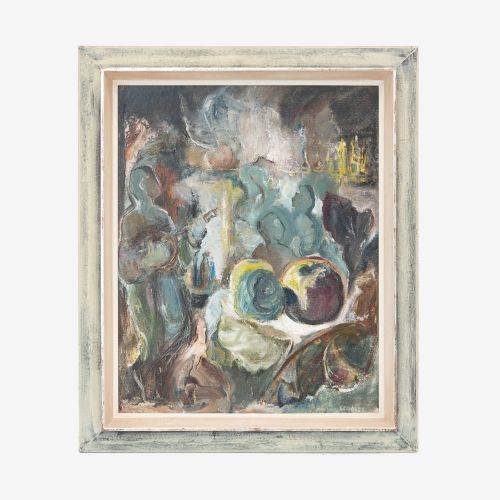
When you search for an antique french figurative painting, you encounter works centring on people, from intimate domestic interiors to grand historical and mythological scenes. The selection spans centuries of artistic movement, encompassing academic portraits, impressionist studies, and avant-garde interpretations.
You are most likely to meet oil paintings on canvas or panel dating from the nineteenth and early twentieth centuries. These range from tightly rendered romantic and academic compositions to looser post-impressionist and fauve depictions of everyday life and leisure.
How they were made
Makers utilised oil paint applied to stretched canvas, wooden panels, copper sheets, or heavy paper to achieve varying textures and depths of tone. Support materials dictate the preservation and surface character of each individual work over time.
Frames frequently incorporate carved and gilded wood or gesso moulded in classical and revival styles. The physical construction of the stretcher frames and backing boards often provides clear physical indicators of period origin.
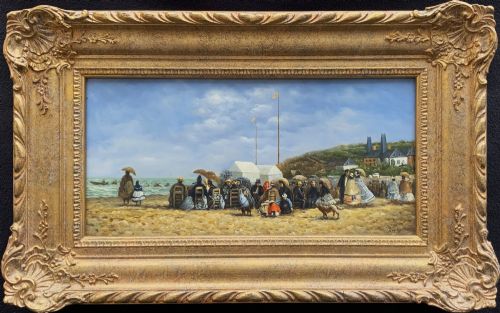
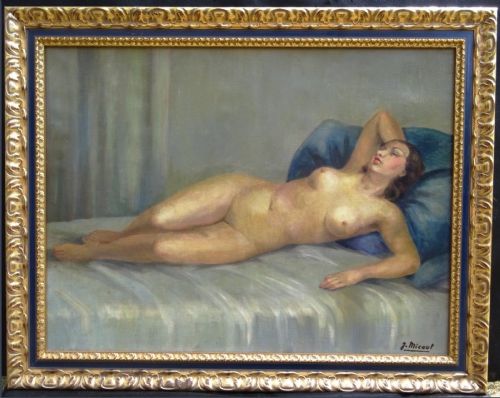
Canvases capture everything from solemn courtiers playing chess to sunbathing bathers and dogs joining family portraits.
What varies in quality
The standard of execution rests upon the confidence of the brushwork, the handling of light and shadow, and the psychological depth captured in the human subject. Masterly proportion and anatomical conviction separate casual student exercises from accomplished academic or avant-garde works.
The integrity of the original surface, minimal restoration to the pigment layer, and period-appropriate framing heavily influence the standing of a canvas. Works retaining their initial unrestored vitality command greater attention from discerning collectors.
Adelaïde Salles Wagner·Charles Zacharie Landelle·Raymond Moritz·Antoine Calbet·Fernand Jean Barbier·Paul Leon Jazet·Jean Hippolyte Marchand·Albert Guillaume·Edmund Alphonse Andre·James Bertrand·Albert de Belleroche·Frederick Bartman·Adolphe Alexandre Lesrel·Leon Girardet·Gaston Bouy·William Lee Hankey
The Antique French Figurative Painting Glossary
- Canvas
- Woven fabric stretched across a wooden frame to serve as a painting support. It offers a resilient and flexible surface for oil application.
- Impressionism
- A nineteenth-century artistic style prioritising visible brushstrokes, open composition, and the accurate depiction of light. This approach moves away from rigid academic finish towards sensory capture.
- Gesso
- A paint mixture consisting of a neutral binder mixed with chalk, gypsum, or pigment. It prepares wood or canvas panels for receiving oil paint.
- Fauvism
- An early twentieth-century movement characterised by strong colours and fierce brushwork over representational reality. Artists working in this manner emphasised painterly qualities and bold visual abstraction.
- Panel
- A flat piece of wood used as a rigid painting support. Panels frequently indicate earlier execution dates prior to the widespread adoption of canvas.
Antique French Figurative Painting: Frequently Asked Questions
What defines an antique french figurative painting?
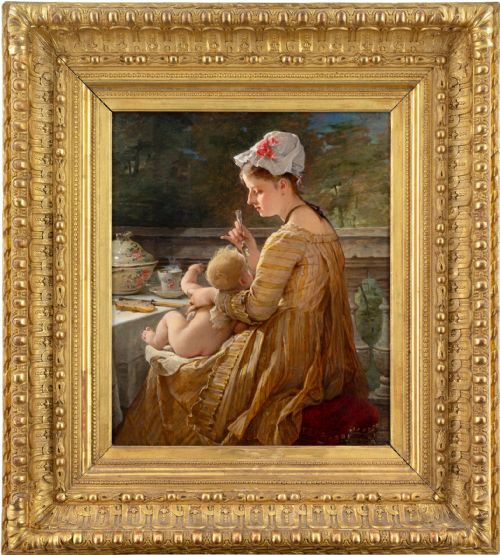
These works focus primarily on human figures, depicting portraits, domestic scenes, mythological narratives, and leisure activities originating from French studios and schools. They capture the shifting social attitudes and artistic philosophies of their respective decades.
Subjects range from formal courtly gatherings to candid seaside moments and intimate boudoir studies. Each piece reflects the dominant aesthetic climate of French art production at the time of its creation.
How were these paintings displayed originally?
Owners mounted these works in prominent reception rooms, private chambers, and salons within urban townhouses and country estates. Elaborate giltwood frames were selected to complement contemporary interior decoration schemes and project social standing.
Lighting played a crucial role in viewing, with natural daylight from tall windows illuminating the textured oil surfaces. Frames were designed to integrate with the architectural mouldings of the rooms they inhabited.
How do I live with an oil painting?
Position paintings away from direct sunlight, excessive humidity, and rapid temperature fluctuations to protect the fragile canvas and pigment layers. Stable environmental conditions prevent the drying and cracking of traditional oil paints.
Dust surfaces gently with a soft, dry brush without applying liquid cleaners or pressure. Allowing the work to breathe within a well-ventilated space ensures longevity for both the support and the frame.
How can I tell the periods apart?
Stylistic shifts offer the clearest guide, moving from the strict academic realism of the nineteenth century towards looser impressionist and fauve brushwork in the twentieth. Subject matter also evolves, transitioning from historical and mythological tableaus to modern leisure and intimate interiors.
Examination of the reverse side often reveals period stretcher construction, stamps, and labels from Parisian framers or suppliers. These physical markers help anchor the creation date alongside the stylistic evidence of the paint surface.