
Antique French Decor
Antique french decor encompasses centuries of craftsmanship, bringing historical elegance into modern interiors through authentic objects.
Antique French Decor
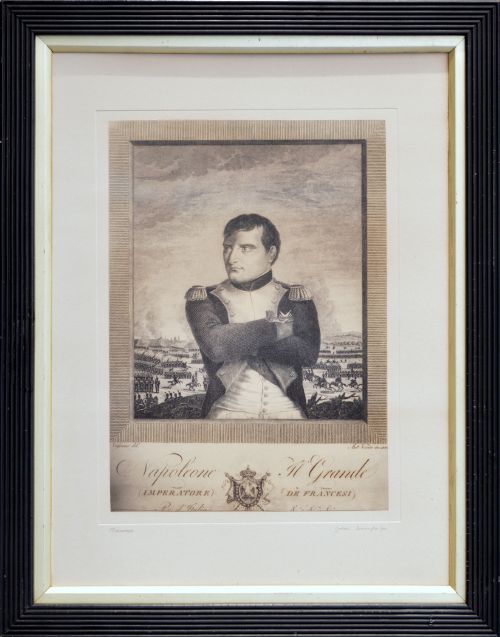
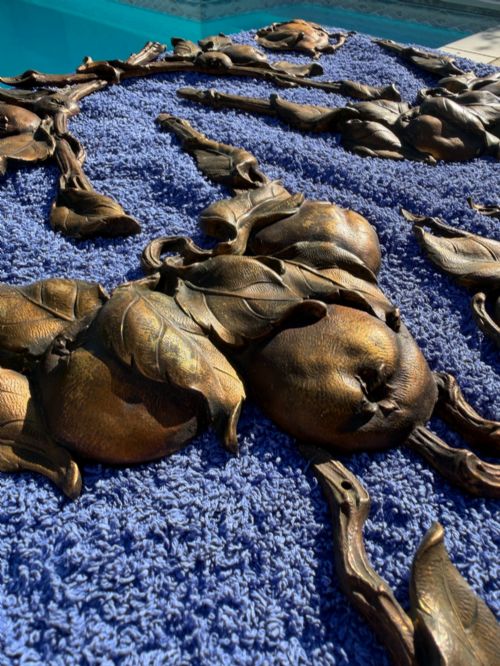
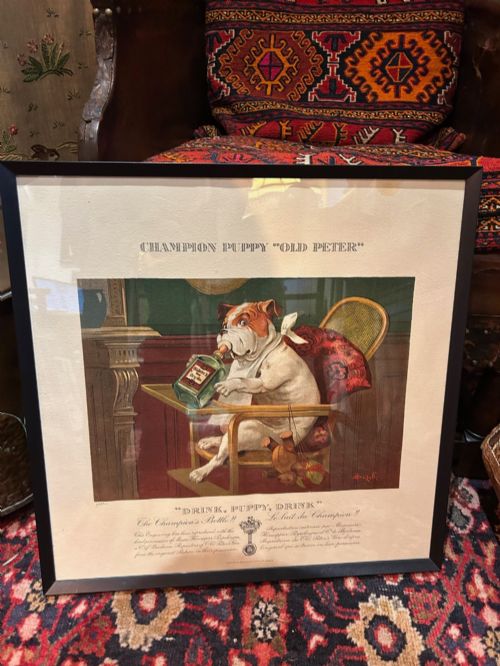
When searching for antique french decor, buyers encounter a diverse selection of items spanning multiple centuries, from 18th century architectural wall carvings to 20th century advertising prints and sculptures.
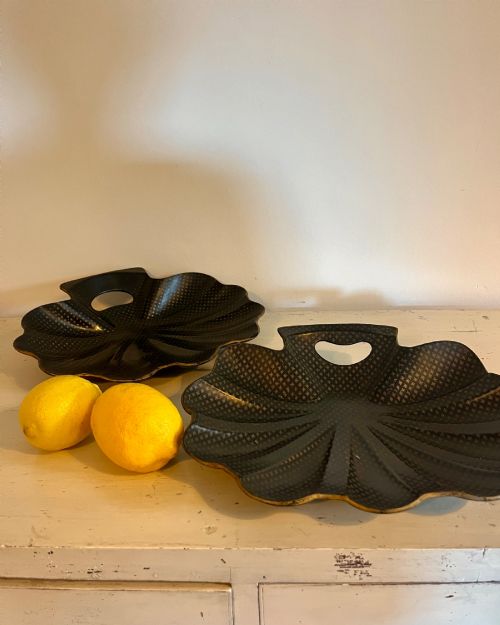
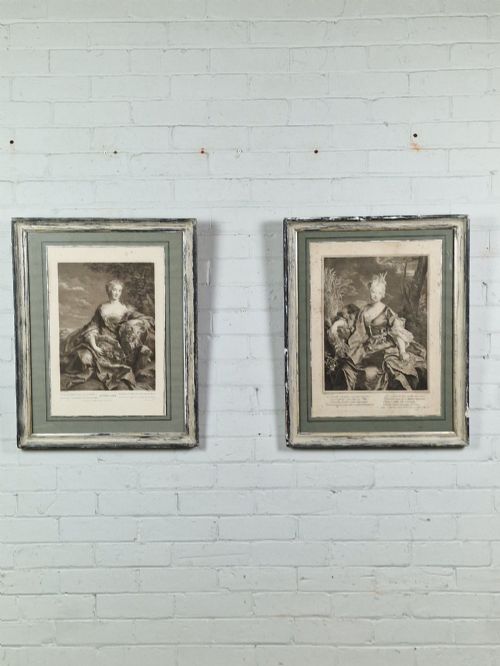
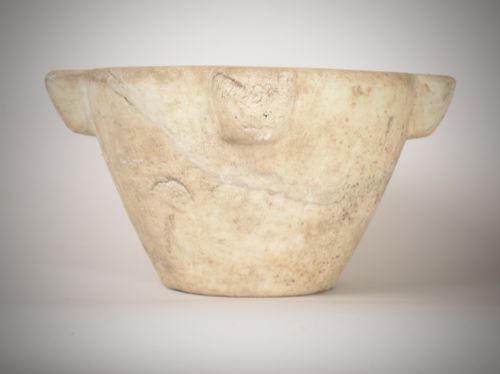
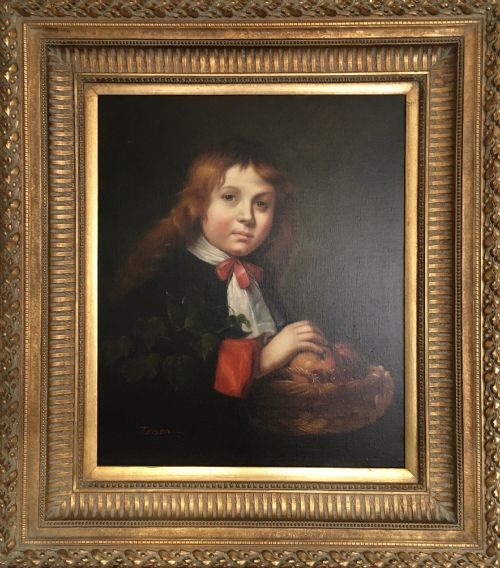
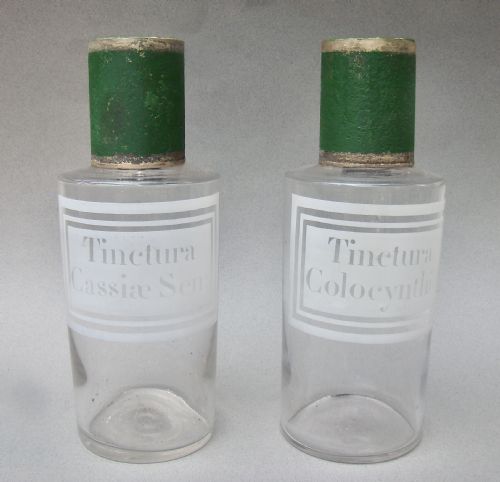
The objects commonly found include utilitarian items transformed into decorative pieces, such as copper kitchen moulds, milliner hat stretchers, and apothecary jars, alongside traditional fine art and gilded furnishings.
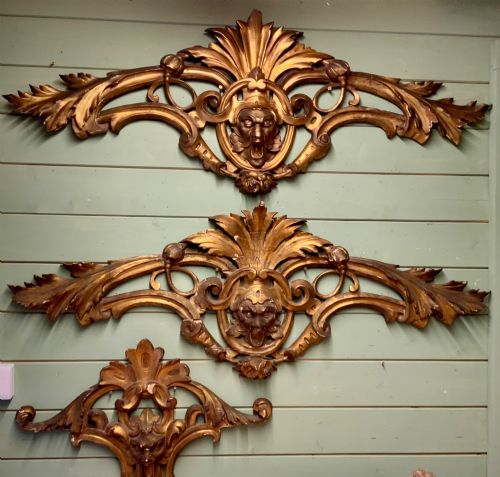
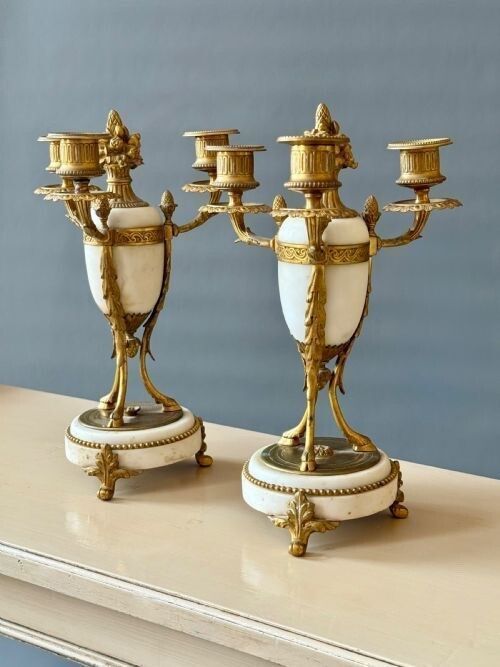
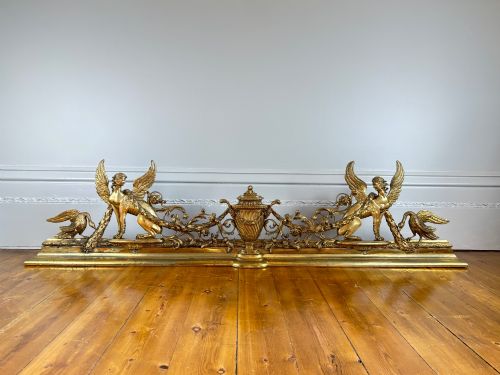
Nineteenth century pieces dominate the selection, heavily reflecting historical revivals including Rococo, Empire, and Neoclassical styles through gilt bronze, marble, and carved timber.
How they were made
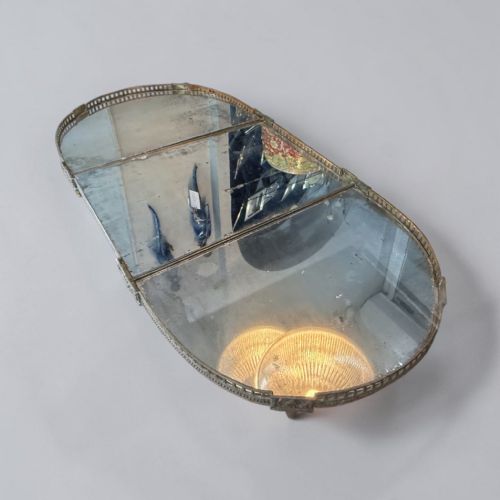
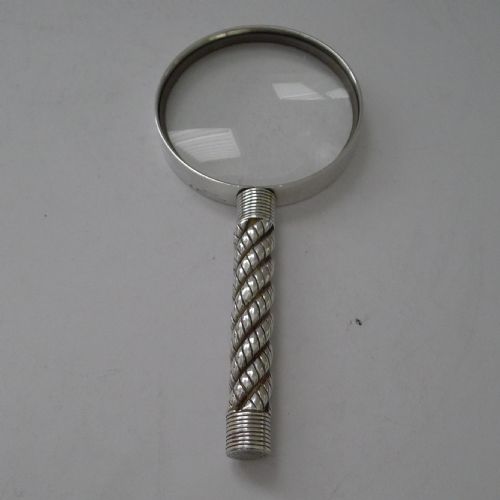
The physical construction relies heavily on traditional metalworking techniques, utilising cast bronze, wrought iron, and silvered metal to form candelabras, appliques, and fenders.
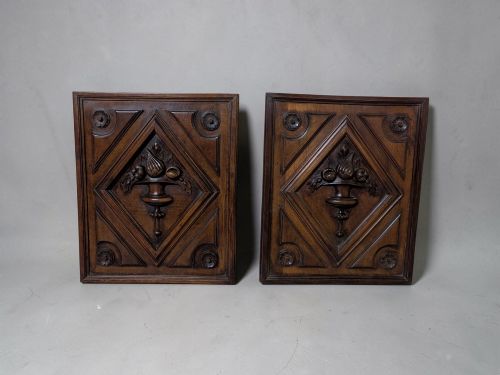
Woodworking forms another primary method of creation, visible in hand-carved panels, giltwood mirrors, and structural architectural fragments shaped from timber.
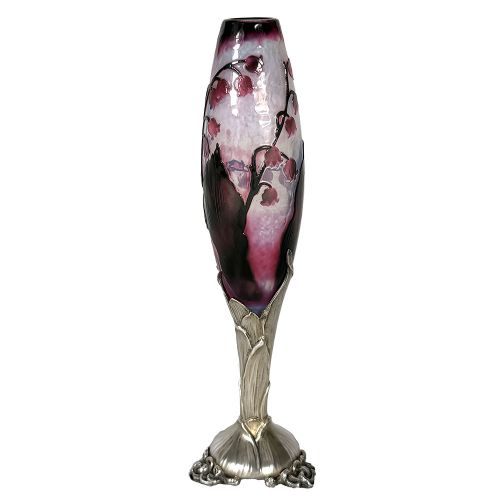
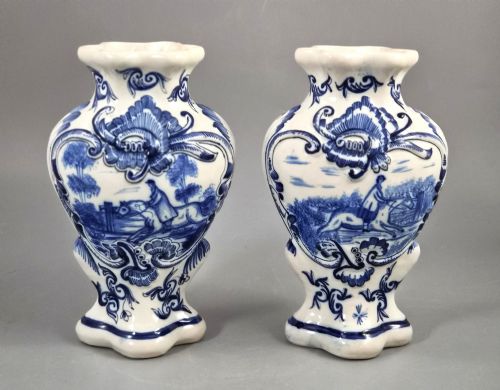
Ceramic and glass items demonstrate specialised production methods, incorporating faience earthenware, wheel-carved glass, and etched apothecary vessels.
Milliner hat stretchers and apothecary jars prove that historic shop fittings make remarkably charming home ornaments.
What varies in quality
Quality differences stem from the dexterity of the initial hand-carving or bronze-casting, where sharper chisel work and more defined sculptural details separate superior items from mass-produced wares.
The grade of materials utilised significantly influences overall standard, distinguishing solid hardwoods, heavy gilt bronze, and quality marble from lighter plated metals and composite substitutes.
Originality of surface finish dictates value, preserving patinated copper, aged giltwood, and hand-tinted photographic details rather than modern over-restoration.
Georg Adam Scheid·Daum·Poix Blin·Hermes Paris·E F Caldwell New York·Julian Mandel
The Antique French Decor Glossary
- Faience
- Tin-glazed earthenware produced in France, often featuring hand-painted blue and white motifs.
- Gilt Bronze
- Metalwork coated in a thin layer of gold, frequently found on 19th century decorative appliques and candleholders.
- Girandole
- An ornamental branched candlestick or light fixture arranged to reflect in an attached wall mirror.
- Repose
- A sculptural casting technique where metal is hammered from the reverse side to form raised decorative reliefs.
- Corbel
- A structural or decorative projection from a wall, commonly carved from wood or stone to support weight.
Antique French Decor: Frequently Asked Questions
How do I date antique french items?
Dating relies on identifying period-specific stylistic markers, material compositions, and manufacturing techniques characteristic of particular centuries.
Examining construction methods, tool marks, and signatures helps confirm the era of origin.
What materials are common in french antiques?
Common materials include gilt bronze, carved timber, wrought iron, marble, and faience earthenware.
These substances reflect the dominant decorative arts traditions across the 18th, 19th, and early 20th centuries.
How were decorative panels used?
Decorative carved panels and painted artworks historically adorned interior walls, boiserie, and architectural spaces.
They served to introduce texture, classical motifs, and visual interest into domestic rooms.
Are bronze items solid or plated?
Many decorative objects utilise cast bronze or brass, sometimes enhanced with fire-gilding or silver plating.
Weight, surface depth, and metal colour beneath wear points typically indicate the underlying material.