
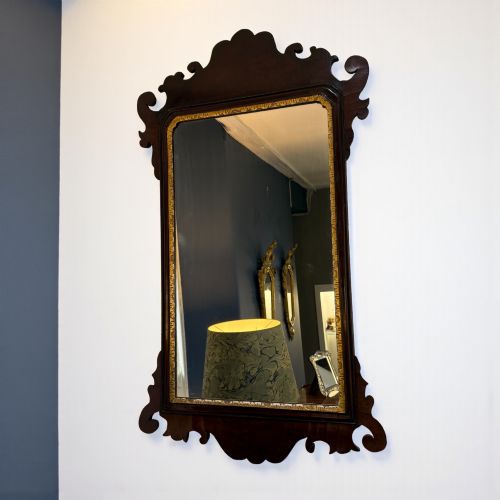
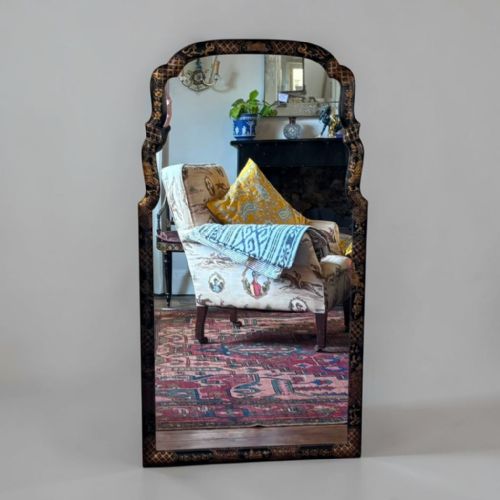
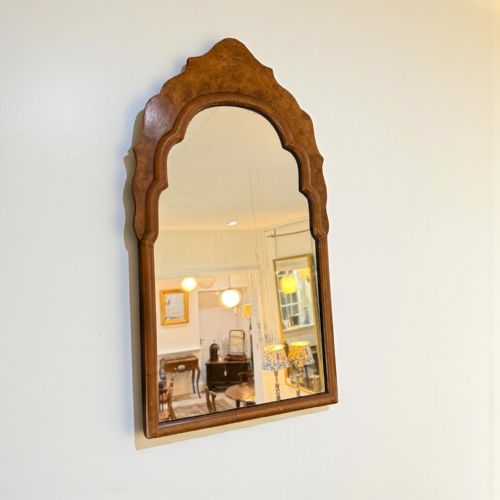
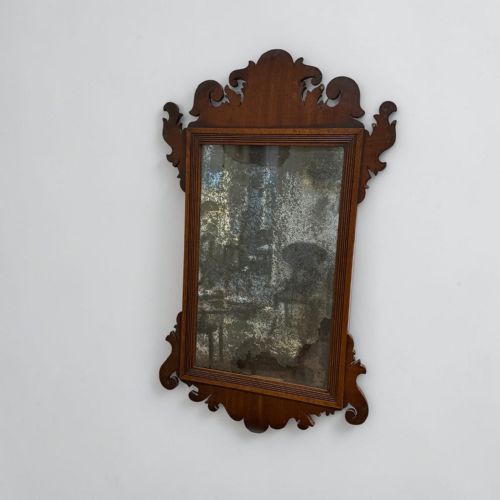
Antique Framed Pier Glass
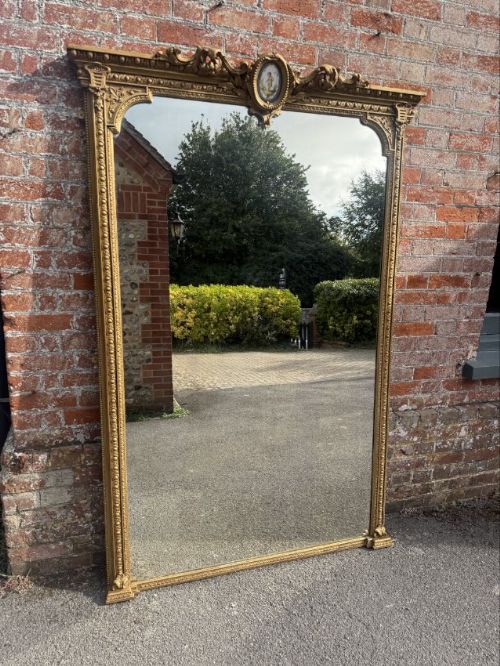
An antique framed pier glass brings architectural dignity to a wall, hanging between windows or above a console table to catch the natural light.
Antique Framed Pier Glass
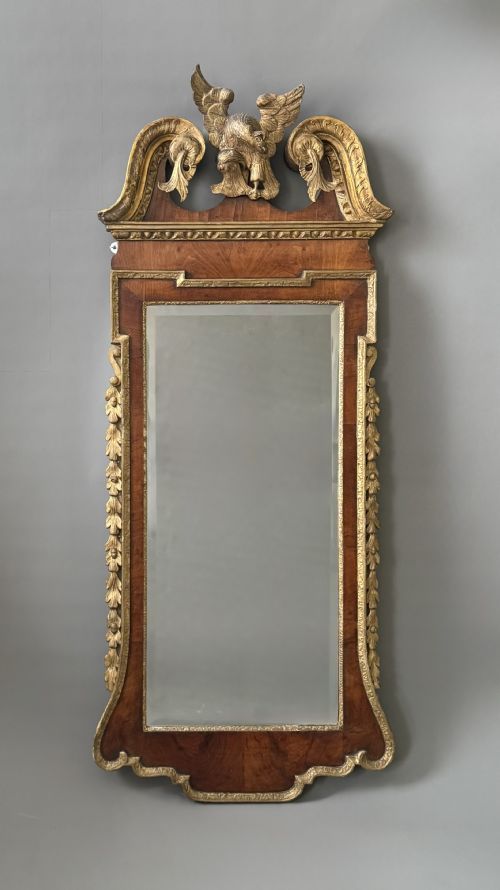
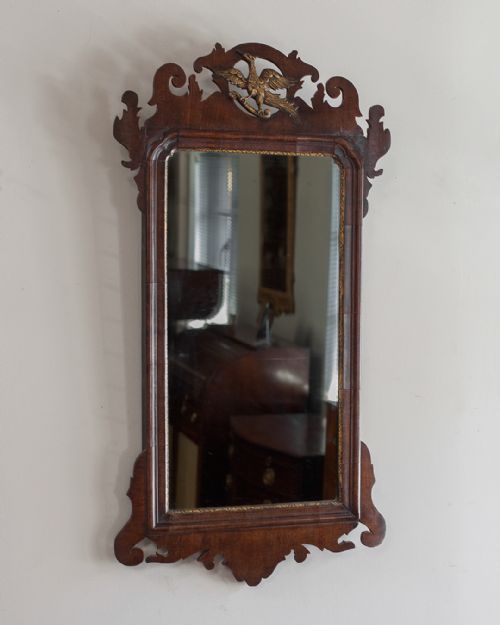
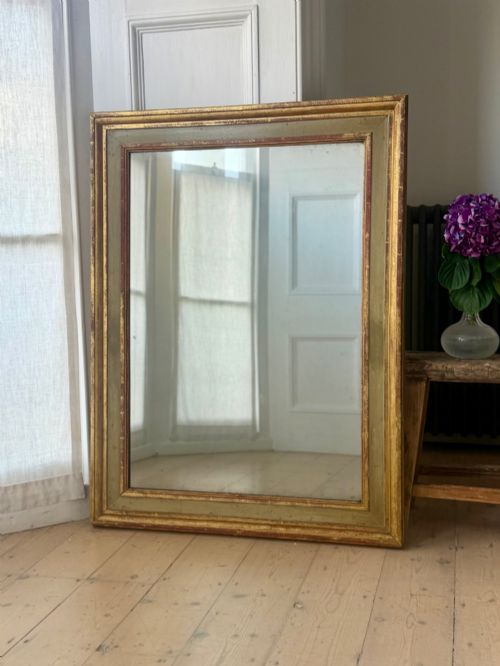
When searching for an antique framed pier glass, buyers encounter tall, vertical wall mirrors historically designed to fit the narrow expanse of wall between two windows. These pieces originate across the eighteenth and nineteenth centuries, spanning Georgian, Regency, and Victorian periods.
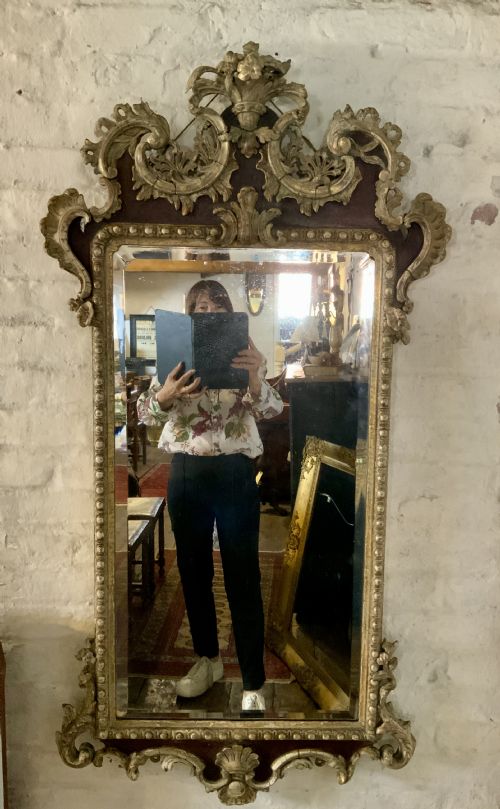
The selection ranges from restrained mahogany and walnut frames to heavily gilded and carved giltwood constructions. English and French examples dominate the offerings, often incorporating original mercury glass plates or decorative verre eglomise panels.
How they were made
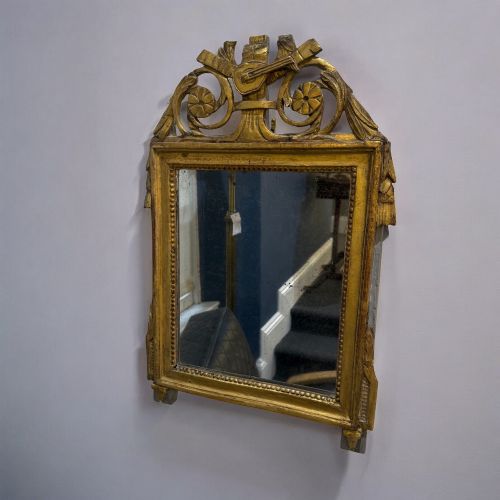
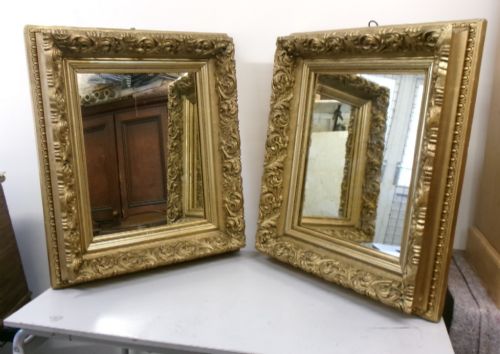
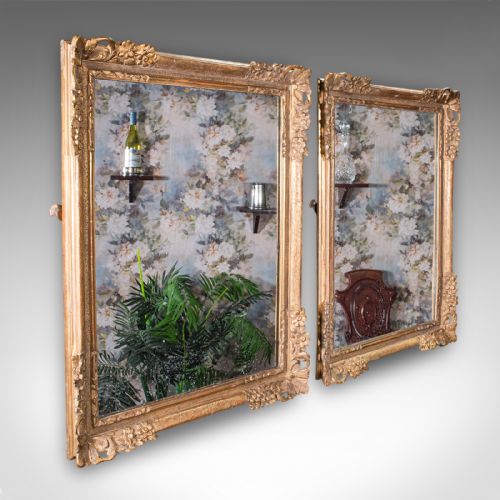
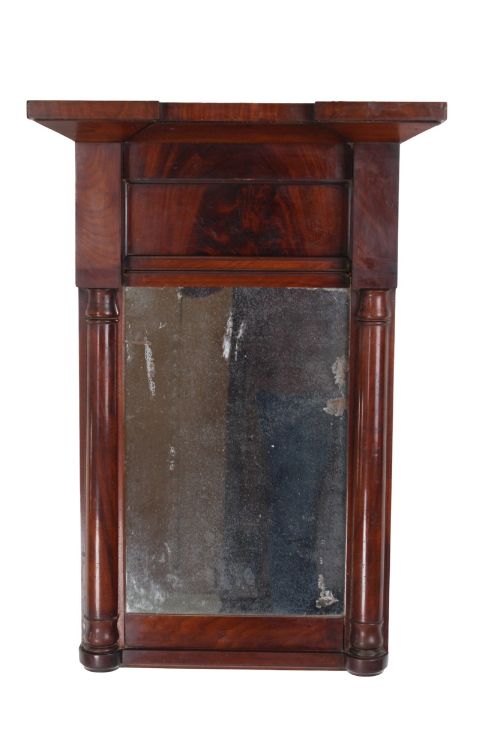
Cabinetmakers constructed the foundational frames using timber such as mahogany, walnut, or pine, frequently applying carved gesso and gold leaf to create ornate gilded surfaces. Many nineteenth-century examples utilise mercury glass plates, which produce a characteristic mottled reflection due to the tin-mercury amalgam backing.
Inlaid marquetry, parcel-gilt details, and ebonised finishes provide surface contrast on wooden frames, while specialised joinery secures the heavy mirror plates within their architectural housings.
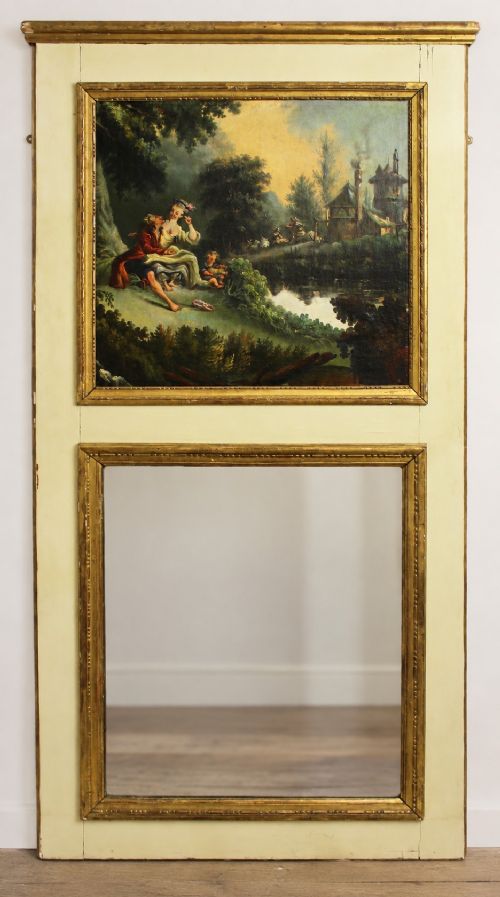
Some tall French pier glasses include pastoral oil paintings tucked right above the glass, doubling as fine art.
What varies in quality
The distinction between tiers rests upon the crispness of the hand-carved gesso and the depth of the gilding, where superior examples retain sharper relief and richer layers of gold leaf. Originality plays a major role, distinguishing pieces that retain their earliest mirror plates and backboards from those with later replacements.
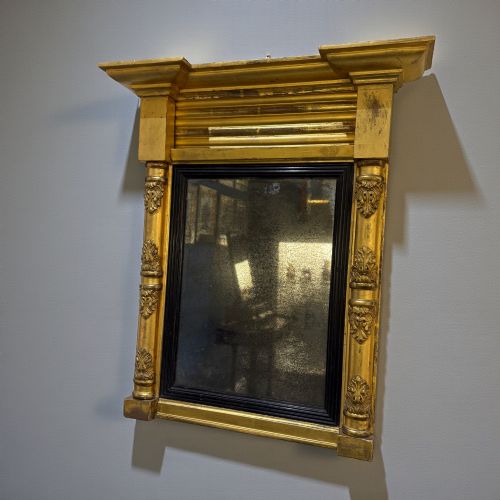
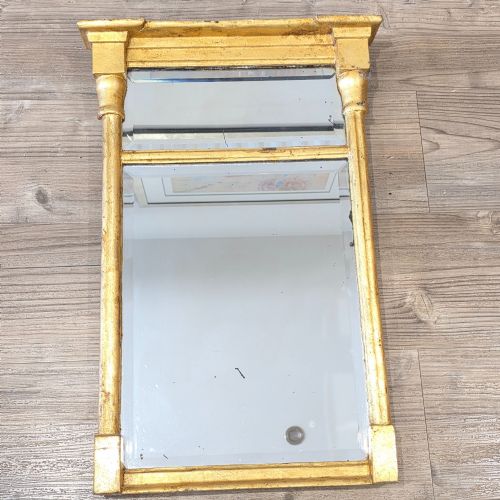
Proportion and execution set the finer works apart, particularly in architectural pier glasses where symmetry, column detailing, and the integrity of mercury glass plates dictate the overall merit of the object.
The Antique Framed Pier Glass Glossary
- Pier glass
- A tall mirror designed specifically for the wall space between windows. These vertical glasses expanded interior light in period rooms.
- Giltwood
- Timber carved and coated with gold leaf. This finish provided brilliant light reflection in candlelight.
- Gesso
- A plaster-like mixture applied to wood frames and carved before gilding. It allowed makers to achieve intricate relief ornamentation.
- Mercury glass
- A mirror plate backed with a silver-mercury amalgam. This historical technique creates a characteristic cloudy, soft reflection.
- Verre eglomise
- Cold painting and gilding on the reverse of glass. It frequently appears in the upper panels of Regency mirrors.
- Trumeau
- An architectural mirror incorporating a painted panel or oil painting above the glass. French examples often feature pastoral scenes.
Antique Framed Pier Glass: Frequently Asked Questions
Where should I hang a pier glass?
These mirrors historically hung on the narrow pier of wall between two windows, maximising the entry of natural daylight into a dark room.
Today, they function equally well placed above a fireplace mantel or a low console table in a hallway.
Are the mirror plates original?
Many eighteenth and nineteenth-century examples retain their original glass plates, which often show signs of age through foxing and dark spots.
Replaced plates appear cleaner and lack the characteristic distortion found in early mercury glass.
How do I identify a Regency pier glass?
Regency pieces frequently display classical motifs such as ebonized reeding, columns, and reverse-painted glass panels at the top.
They combine architectural structure with bold gilding typical of the early nineteenth century.
What is the difference between gesso and carved wood?
Carved wood frames feature ornamentation sculpted directly into the timber base before finishing.
Frames with gesso have plaster applied over the wood base to build up intricate relief details before gilding.