




Antique Footed Tub
These antique footed tub vessels are heavy metal and ceramic basins designed for bathing, wine cooling, and fireside storage, prized for their robust utility and decorative presence.
Antique Footed Tub
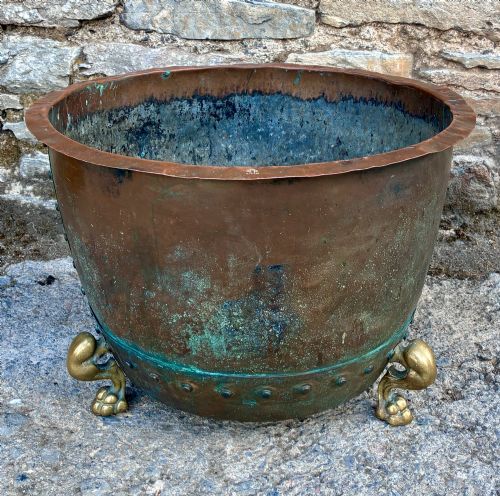
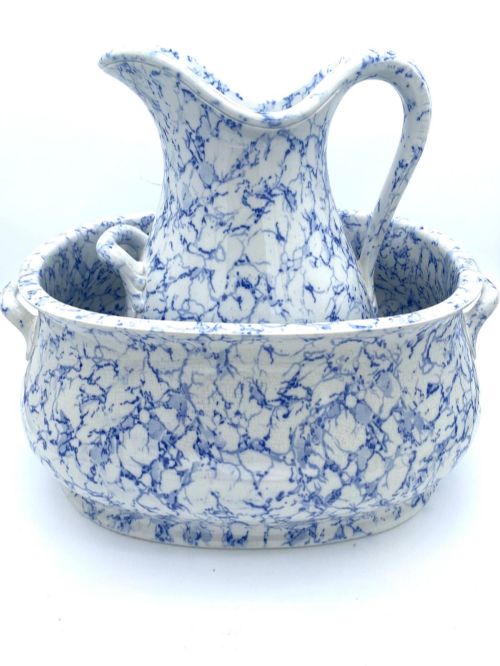
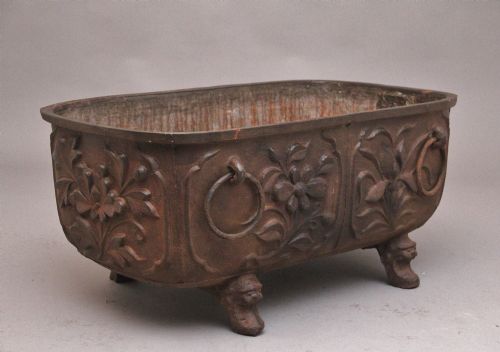
When you search for an antique footed tub, you encounter a varied selection of vessels originally built for practical domestic tasks like footbathing, wine cooling, and log storage. The records show forms spanning from the Georgian and Regency periods through to the late Victorian era, taking shape as footbaths, wine coolers, and log bins.
The most common versions met on this page are metal and ceramic footbaths and copper or brass bins. These pieces transition easily from their original functional roles into decorative planters, jardiniere stands, and fireside accessories in modern interiors.
How they were made
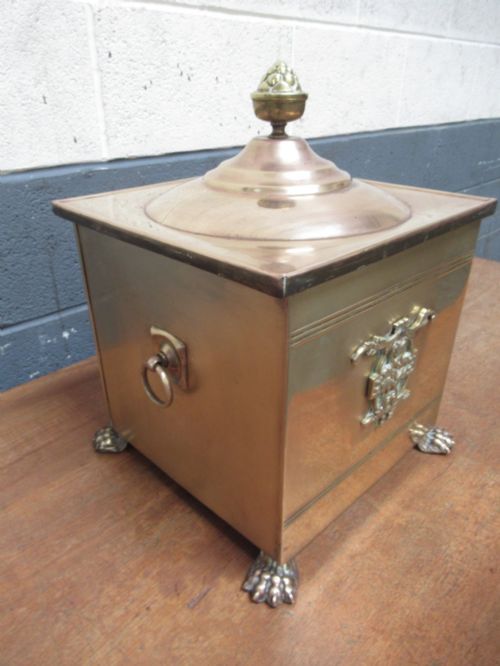
Makers shaped these pieces from hammered and riveted sheet copper and brass, alongside cast iron and heavy hardwoods like mahogany. Metal vessels often feature handbeaten surfaces, riveted joints, and applied brass paw or claw feet.
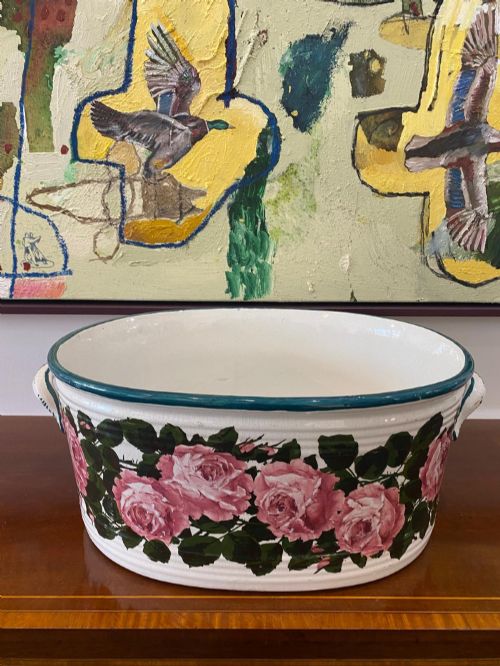
Ceramic examples utilise earthenware, creamware, and flow blue transfer printing techniques to apply detailed patterns onto glazed surfaces. These materials dictate the weight and durability of each vessel, whether intended for holding water, coal, or wine.
Antique Footed Tub Retail Price Guide 2026
Typical asking prices for footed tub among the pieces listed under this phrase on Sellingantiques today, from the lower quarter to the upper quarter. They describe what is for sale here now, not the wider market.
An eighteenth-century Dutch brass wine cooler doubles quite happily as an extremely grand home for a stubborn fern.
What varies in quality
The standard of an antique footed tub is judged by the crispness of its transfer printing, the weight of its metal, and the integrity of its construction. Heavy gauge copper with handbeaten detailing and tight riveting represents superior execution compared to lighter utility vessels.
Design flourishes also distinguish finer examples, such as cast brass claw feet, decorative script, or maker attributions. Pieces retaining their original stands, matching liners, or complete handles command greater interest than those altered or stripped over time.
Gillows·Wemyss·Minton·Heathcote·Copeland
The Antique Footed Tub Glossary
- Footbath
- A vessel shaped with handles and a raised base, originally designed for washing feet before the widespread use of plumbed bathrooms.
- Flow blue
- A cobalt blue transfer printing technique used on earthenware where the colour intentionally blurred into the surrounding white glaze during firing.
- Wine cooler
- A large container, often made of mahogany or brass, used to chill wine bottles in ice during dining.
- Jardiniere
- An ornamental pot or stand designed to hold a plant or flower arrangement, frequently constructed from copper or brass.
- Creamware
- A fine-bodied earthenware developed in the eighteenth century with a pale yellowish-cream glaze.
- Scrumbled
- A surface paint finish applied to mimic the natural grain of more expensive woods or decorative textures.
Antique Footed Tub: Frequently Asked Questions
What is an antique footed tub used for now?
These vessels serve primarily as decorative planters, jardiniere stands, and fireside log bins in contemporary spaces. Their robust construction makes them practical containers for household items or indoor plants.
Collectors also place them purely as display pieces to highlight period craftsmanship in hallways and living rooms.
How do I clean an antique copper footbath?
Cleaning depends on the desired appearance, as many owners prefer to leave the natural darkened patina undisturbed. Gentle washing with warm soapy water removes dust without harming the historic metal.
Avoid harsh chemical polishes that strip away the aged character accumulated over the centuries.
How can I tell a Regency footbath from a Victorian one?
Regency pieces often display restrained neoclassical lines in mahogany or early transfer-printed earthenware dating around eighteen-twenty. Victorian examples frequently utilise heavier stamped brass, vibrant flow blue patterns, or robust copper construction.
Examining the manufacturing techniques and any registered transfer patterns helps narrow down the production decade.
Were these ceramic tubs waterproof?
Earthenware and creamware footbaths were glazed to hold water for washing purposes during the eighteenth and nineteenth centuries. Over time, hairline cracks in the glaze can develop, so checking for water retention is recommended before indoor planting.
Many owners now use plastic inner liners to protect the historic ceramic from moisture damage.