



Antique Food Mould
These antique food mould pieces are kitchen treasures shaped in copper, earthenware, and ironstone that turn simple jellies, cheeses, and ice creams into sculptural table centrepieces.
Antique Food Mould
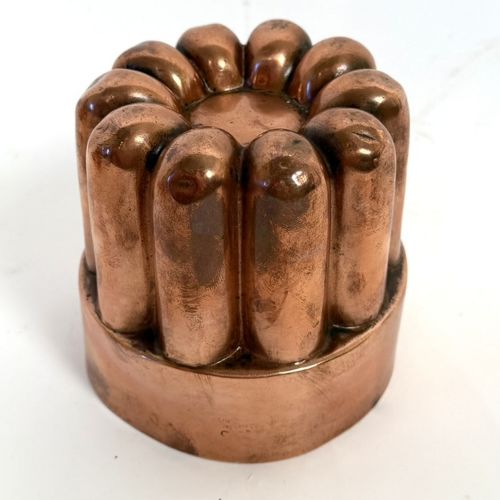
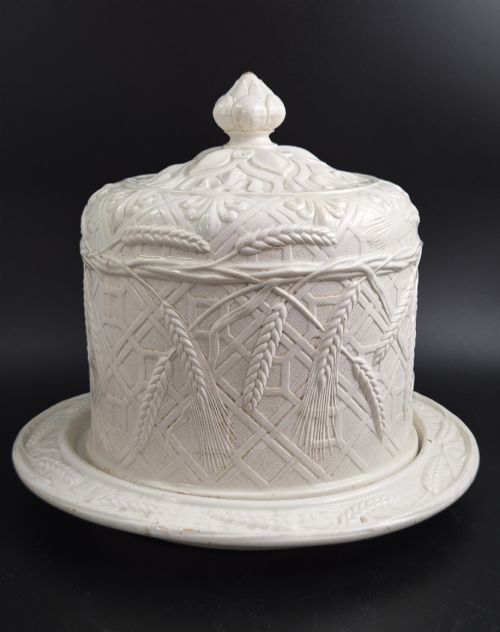
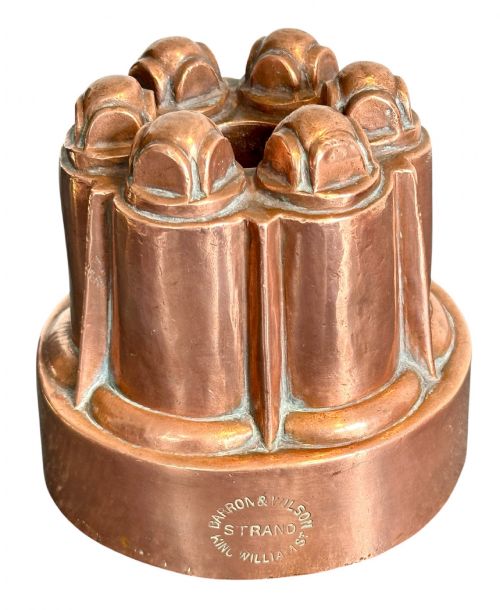
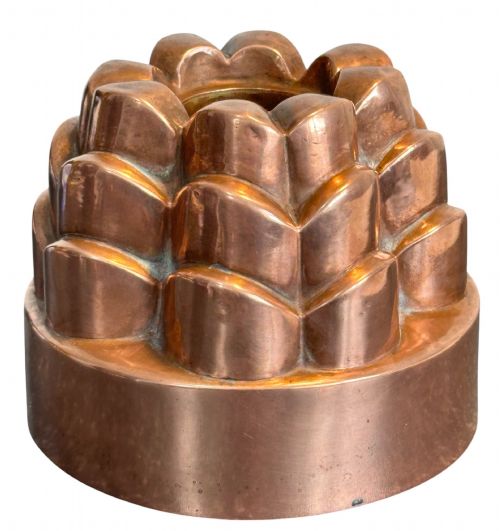
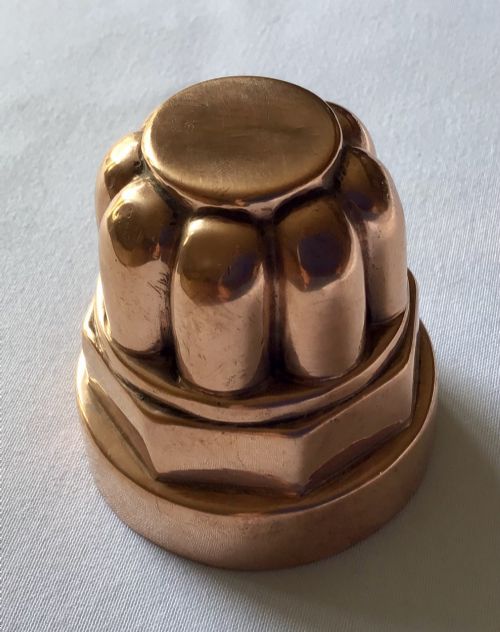
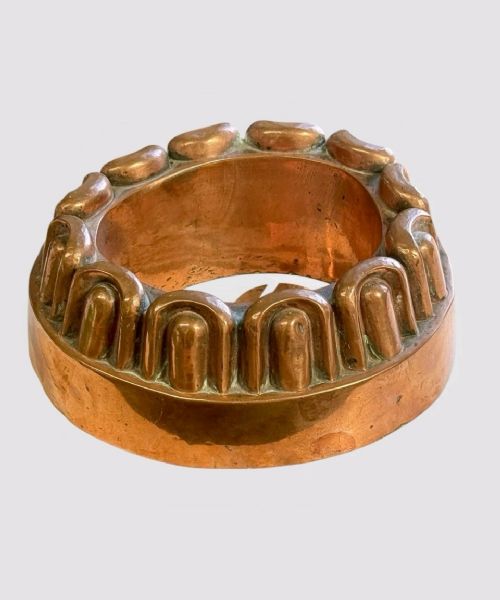
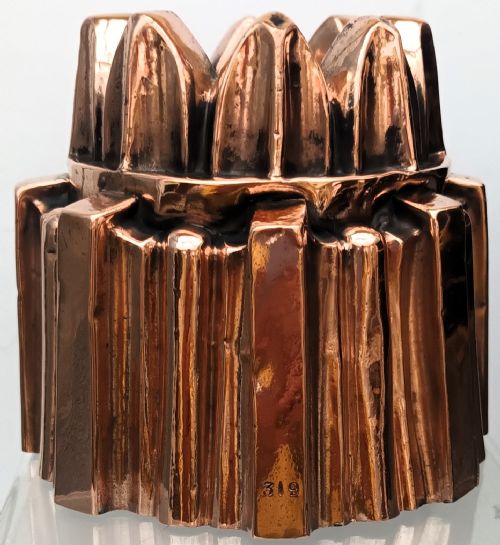
When you search for an antique food mould, you encounter Victorian kitchenware designed to shape culinary preparations before refrigeration made holding jelly straightforward. The items on this page span the nineteenth century, featuring domestic kitchenalia like copper jelly moulds and ironstone cheese domes.
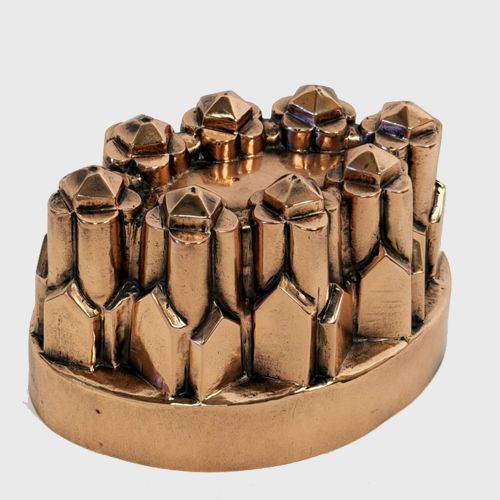
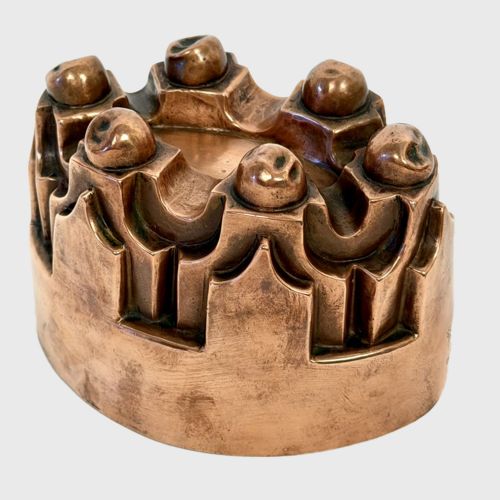
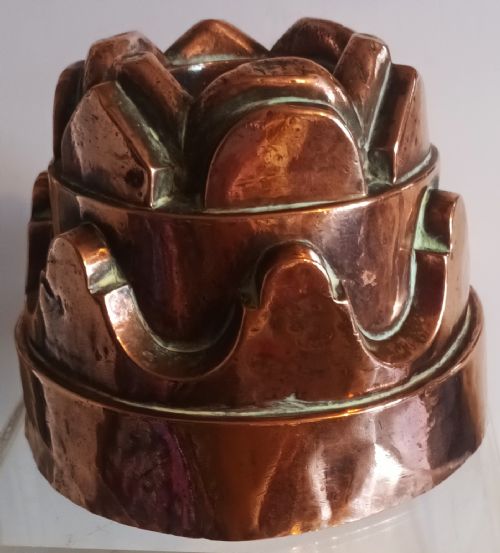
Most examples you meet are heavy copper baking and culinary moulds or ceramic kitchen collectables decorated with architectural motifs and animal forms. These include castle top designs, fruit patterns such as grapes and grapevines, and occasional lidded ice cream pots.
Moulds vary from utilitarian kitchen pieces to decorative items produced by established potteries like Wedgwood. You find everything from miniature copper jelly moulds to large earthenware pastry and dessert shapes.
How they were made
Metal pieces rely on heavy gauge copper with tin linings to prevent food interaction, fashioned into intricate shapes through hammering, spinning, and soldering. Ironstone and earthenware versions are shaped in clay moulds and finished with glaze before firing in kilns.
The decorative motifs on ceramic examples, including wheat, lattice, floral patterns, and animal subjects like wild boars and cats, are pressed directly into the clay body while soft. Copper moulds achieve their detailed castle tops and geometric ridges through skilled sinking and repoussé techniques.
Antique Food Mould Retail Price Guide 2026
Typical asking prices for food mould among the pieces listed under this phrase on Sellingantiques today, from the lower quarter to the upper quarter. They describe what is for sale here now, not the wider market.
A nineteenth century cat mould stands ready to turn out feline jellies for Victorian guests.
What varies in quality
Ceramic pieces differ according to the depth of the glaze and the complexity of the subject matter, with figurative designs like cat and wild boar forms showing greater sculptural ambition than standard floral patterns. Maker attribution further separates standard kitchenalia from documented factory production.
Wedgwood·Harrods
The Antique Food Mould Glossary
- Ironstone
- A heavy, durable type of earthenware patented in the nineteenth century, often used for white kitchenware and cheese domes. It resists chipping better than standard pottery.
- Tin lined
- The interior coating of copper culinary vessels using molten tin to prevent toxic reactions between acidic foods and the copper metal. This surface shows hand application marks.
- Castle top
- A decorative design feature on the upper section of a jelly mould resembling medieval fortification battlements. It creates an elaborate architectural shape on the turned-out jelly.
- Kitchenalia
- Domestic utensils and culinary equipment collected for their historical interest and visual appeal. These items record nineteenth century food preparation methods.
- Culinary mould
- A rigid container used to shape jellies, ices, and savory dishes before setting. They are produced in metals and ceramics with hollow interior designs.
Antique Food Mould: Frequently Asked Questions
What were antique food moulds used for?
These moulds shaped jellies, blancmanges, ice creams, and cheeses for formal dining tables and domestic meals. Cooks packed the interior with ingredients before chilling the vessel to set the mixture.
Once set, the contents were turned out onto a serving dish to reveal the decorative exterior pattern. They transformed simple ingredients into elaborate sculptural centerpieces.
How do I clean a copper jelly mould?
Copper kitchenalia benefits from gentle washing with warm soapy water and soft cloths to preserve the aged metal surface. Avoid harsh abrasive cleaners that strip the natural oxidation.
If the tin lining inside is intact, take care not to scratch the protective coating. Many collectors prefer leaving a natural patina rather than polishing the metal to a bright shine.
Can I still use these moulds for cooking?
Ceramic and ironstone pieces can be used for display or food service if the glaze remains sound and undamaged. Metal moulds require checking the interior tin lining before any contact with food.
Most buyers keep nineteenth century culinary items as decorative display pieces in kitchens and dining rooms. Modern materials offer easier maintenance for actual food preparation.
How do I date a Victorian kitchen mould?
Dating relies on material types, manufacturing marks, and stylistic clues from the nineteenth century. Copper items often feature dovetail seams or hand-hammered surfaces typical of that era.
Ceramic examples show factory stamps or registry marks that narrow down the production period. Animal and architectural motifs also reflect Victorian design preferences.