





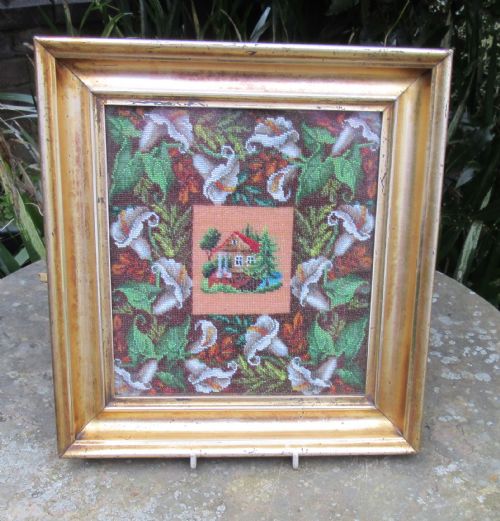

Antique Folk Embroidery
These pieces of antique folk embroidery bring rich textile traditions into modern interiors through centuries of hand-stitched artistry.
Antique Folk Embroidery
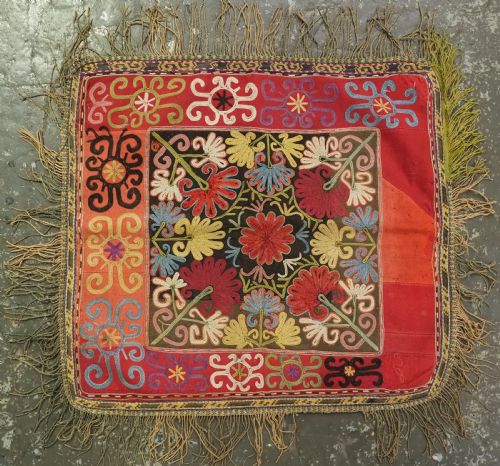
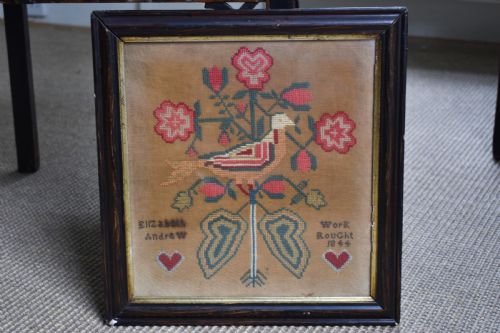
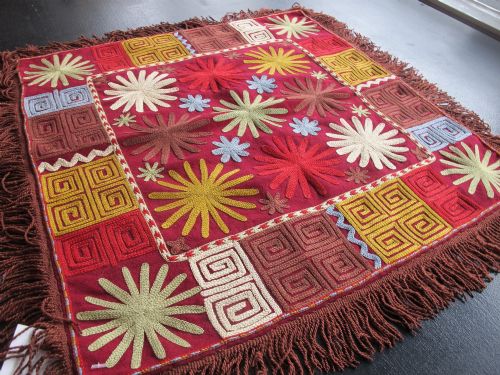
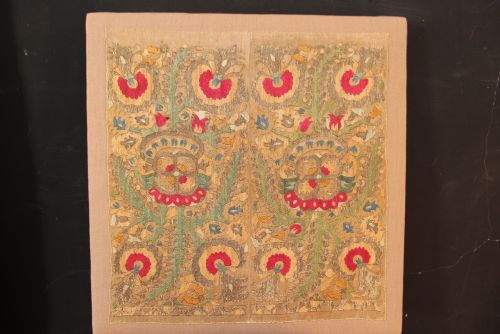
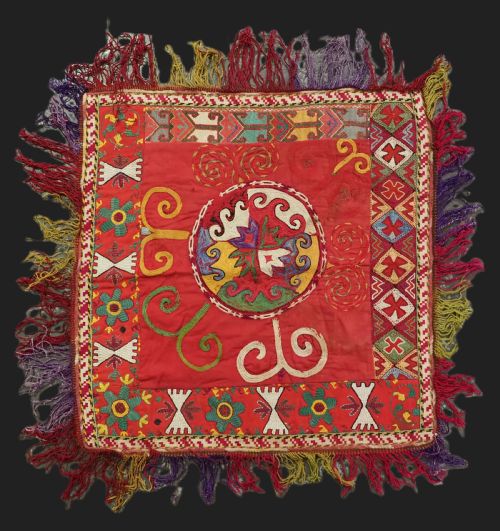
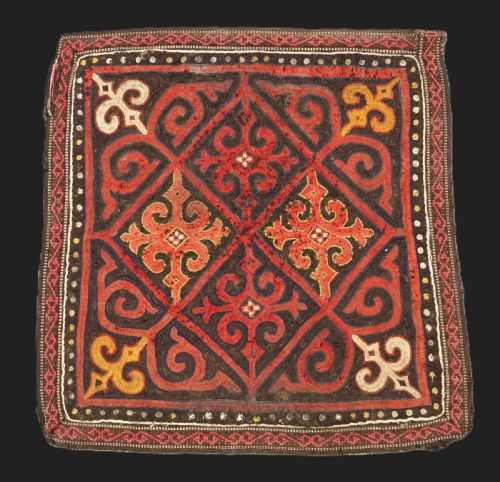
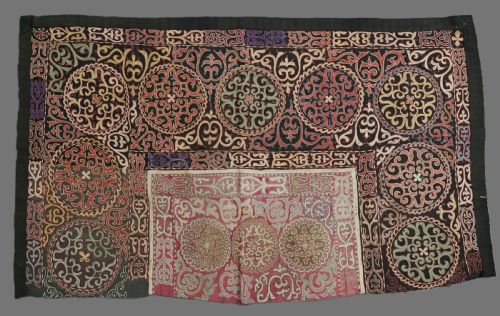
When you search for antique folk embroidery, you encounter wall hangings, framed textile art, and panels originating from domestic or tribal traditions rather than formal court workshops. The selection encompasses English and American samplers, Greek island fragments, and Central Asian pieces such as Uzbek suzanis and Kyrgyz wall hangings.
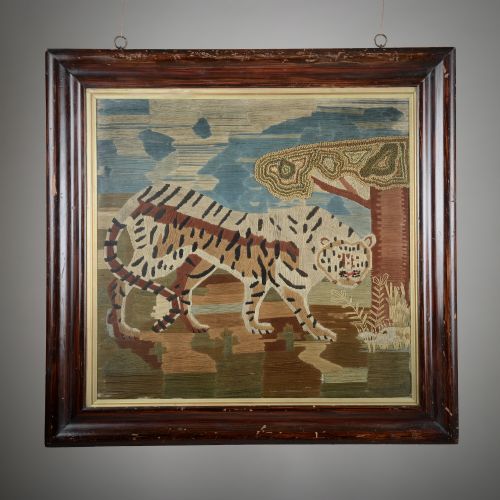
The version most commonly met on this page is the Central Asian Suzani or tribal dowry hanging, alongside Victorian wool work samplers and sailors' woolies. These textiles span periods from the eighteenth century through to the early twentieth century, utilising traditional motifs unique to their regions of origin.
Buyers look for these objects to introduce texture, pattern, and historical depth to a room, whether through a bold red ground Uzbek panel or a finely stitched British pictorial sampler.
How they were made
The makers of these textiles relied on natural plant and animal fibres, working primarily with silk, wool, linen, and cotton as the ground materials for their needlework. Metallic thread also appears alongside wool and silk in specific regional traditions to add contrast and catch the light.
Techniques varied from counted thread work on linen for European samplers to free-form surface embroidery using silk on cotton or wool grounds for Central Asian panels. Support materials such as wood and glass are found in the framing of these textiles for display purposes.
Listings feature textiles from the eighteenth century to the early twentieth century, spanning English, Greek, Swedish, and Central Asian origins.
What varies in quality
The distinction between ordinary and exceptional pieces rests upon the density of the stitching, the precision of the needlework, and the complexity of the design layout. Fully embroidered surfaces require immense labour and skill compared to simpler panel layouts.
Colour saturation and the survival of natural dye hues contribute significantly to the visual impact of a textile. Original grounds and well-preserved thread structures elevate the integrity of the piece.
The Antique Folk Embroidery Glossary
- Suzani
- A large embroidered wall hanging from Central Asia, traditionally made by brides as part of their dowry. They typically feature bold floral and botanical motifs on cotton or silk grounds.
- Sampler
- A piece of needlework produced to demonstrate and test a beginner's skill with various stitches and alphabets. Victorian examples often include pious verses or family records.
- Woolie
- A type of embroidery created by nineteenth-century sailors using coloured wool yarns. These pictures frequently depict maritime scenes and ships under sail.
- Lakai
- A nomadic Uzbek tribe known for distinctive, energetic embroidery styles using vibrant colours and geometric motifs. Their dowry pieces and small wall hangings display vigorous tribal patterns.
Antique Folk Embroidery: Frequently Asked Questions
How were these textiles used?
Many of these pieces served functional or ceremonial purposes within domestic spaces, acting as dowry items, yurt wall decorations, or hand towels.
Central Asian suzanis were hung on interior walls or used as bed covers, while European samplers recorded household lineages and displayed needlework proficiency.
How do I hang a textile safely?
Hanging textile art requires careful distribution of weight to avoid placing stress on the historic fabric fibres.
Mounting the piece over a padded, archival board or using a concealed Velcro heading allows the textile to hang flat without direct tacking or pinning.
Can I clean an antique embroidery?
Historic textiles demand extreme caution and generally cannot tolerate standard washing methods due to fugitive natural dyes and fragile grounds.
Surface dust can sometimes be removed with gentle vacuuming through a protective mesh screen, but wet cleaning should be left to professional textile conservators.
How are different regional styles told apart?
Regional identification relies on recognising specific combinations of stitch types, motifs, and ground fabrics used by particular cultures.
Central Asian pieces frequently employ large-scale botanical designs in silk on cotton, whereas British samplers utilise wool or silk thread on linen with text and pictorial borders.