


Antique Folding Cabinet
An antique folding cabinet is a clever piece of transformable furniture designed to save space, and you want one for its ingenious mechanism and concealed utility.
Antique Folding Cabinet
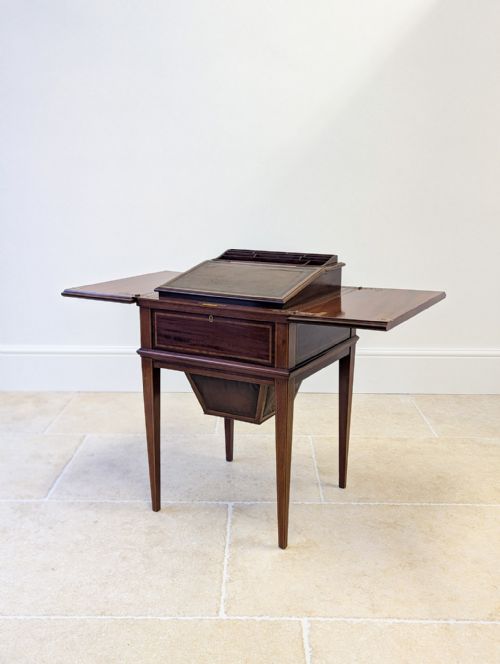
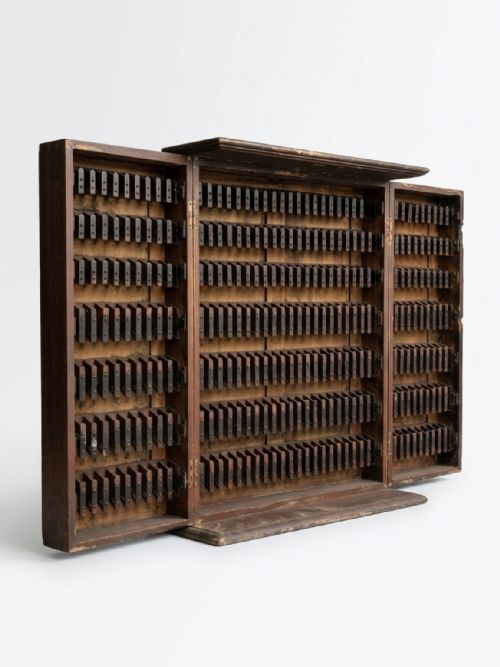
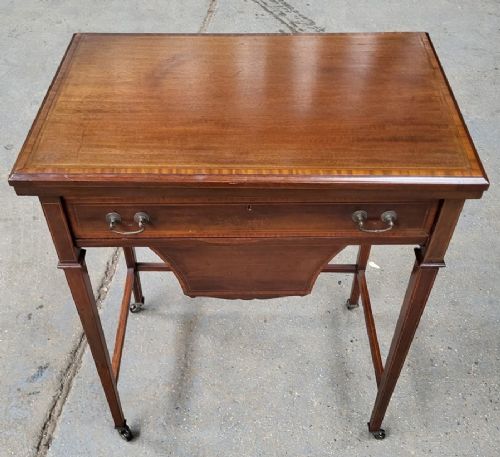
An antique folding cabinet encompasses a diverse group of transformable furniture, spanning from the Georgian period through to the Edwardian era and the early twentieth century. These items include clever washstands, metamorphic writing tables, games tables, and liquor cabinets that fold or conceal their primary functions.
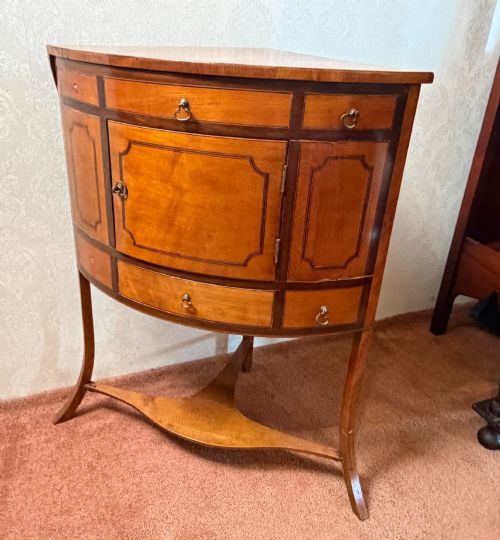
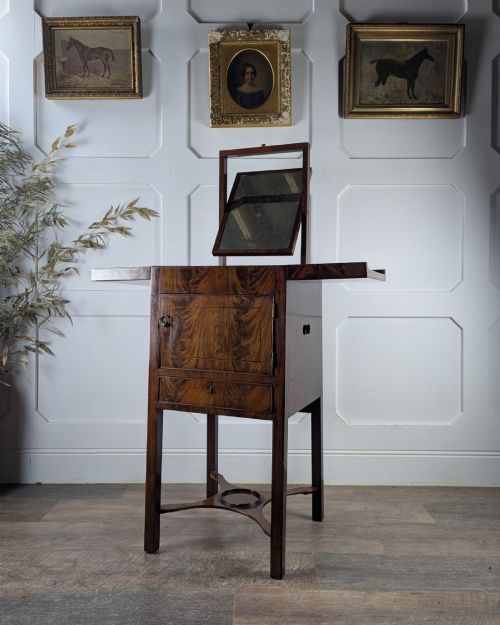
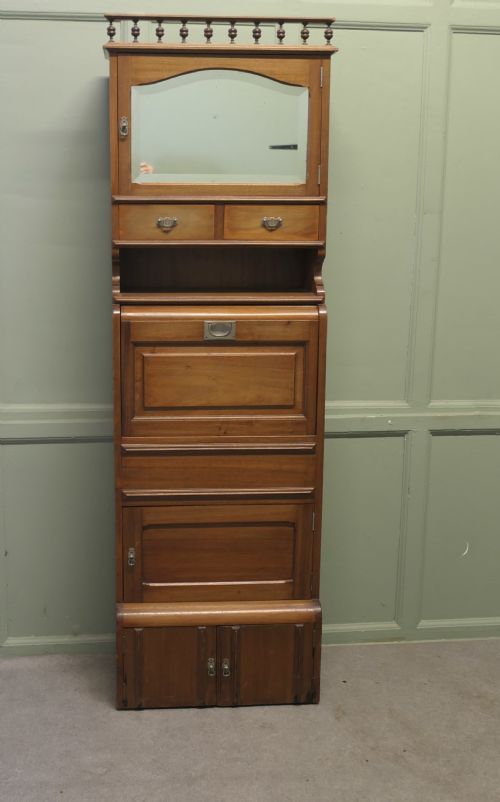
You are most likely to encounter campaign and gentleman's washstands featuring fold-down tops or clever internal basins, alongside metamorphic writing desks and drinks cabinets. The selection reflects both domestic refinement and travel utility, taking forms such as corner washstands, vanity tables, and compact wall cabinets.
Origins stretch from English workshops to French marine and Parisian makers, as well as Arts and Crafts output. The unifying characteristic across all these pieces is the ability to alter shape, revealing compartments, writing surfaces, or washing facilities only when opened.
How they were made
Cabinet makers utilised dense timbers such as mahogany, walnut, and satinwood, frequently embellishing surfaces with boxwood inlay, cross-banding, or burr walnut veneers. These materials provided the structural stability required for intricate hinges, folding leaves, and sliding panels to function smoothly over generations.
Hardware played a crucial role in construction, with brass and iron fittings, locks, and hinges engineered to bear the weight of moving tops and drop-down fronts. Fine joinery ensured that closed cabinets presented a seamless exterior while concealing complex internal compartments for bottles, stationery, or washware.
Listings feature items spanning the eighteenth, nineteenth, and early twentieth centuries, constructed in mahogany, walnut, satinwood, and oak.
What varies in quality
The sophistication of the internal mechanism dictates the standing of an antique folding cabinet, separating standard utilitarian furniture from masterworks of transformation. Smooth action in folding leaves, rising compartments, and drop-down desks points to superior original engineering.
The choice and execution of secondary materials also divide the range, from simple oak and pine carcases to finely figured Cuban mahogany and satinwood adorned with precise cross-banding. Maker attribution, seen in stamps or high-grade brass hardware, further elevates certain pieces above standard production.
Arthur Simpson·J.C Vickery of London·Gillows Lancaster
The Antique Folding Cabinet Glossary
- Metamorphic
- Furniture designed to transform from one object into another, such as a table turning into a desk or a cabinet revealing a bar. This clever engineering defines much of the folding furniture group.
- Tantalus
- A locking drinks cabinet holding decanters visible through a wooden and metal frame, designed to prevent servants or guests from helping themselves. They often feature folding or lifting handles.
- Cross-banded
- A border technique where thin strips of veneer are laid perpendicular to the grain of the main surface. It adds a neat decorative frame to mahogany and satinwood tops.
- Campaign
- Portable furniture built for travel, typically featuring brass corners, recessed handles, and folding legs. These pieces were constructed to dismantle or pack down compactly.
- Cellarette
- A lockable container or cabinet for holding wine bottles, often kept beneath a sideboard or designed as a transformable table. They keep bottles secure and cool.
Antique Folding Cabinet: Frequently Asked Questions
What is an antique folding cabinet?
It is a transformable piece of furniture designed to conceal its true purpose until opened by the user.
These items range from washstands and writing desks to drinks cabinets and games tables, created to save space in period homes.
How do you use a metamorphic piece?
You operate the integrated hinges, folding leaves, and sliding panels to reveal hidden compartments, basins, or writing surfaces.
These mechanisms require gentle handling to ensure the original brass hardware and timber joints continue to move freely.
Where were these cabinets placed?
They sat in bedrooms, gentlemen's dressing rooms, libraries, and aboard ships or yachts where space was at a premium.
Corner washstands and wall cabinets utilised awkward angles, while games tables moved easily between parlours and drawing rooms.
How do I date a folding cabinet?
You examine the timber species, construction methods, and style of the hardware, comparing them against known periods like Georgian or Edwardian.
Maker stamps and distinctive veneer choices, such as satinwood or burr walnut, provide further clues to the exact decade of manufacture.