
Antique Fob Chain
An antique fob chain brings functional history to daily wear, securing timepieces with substance and style.
Antique Fob Chain
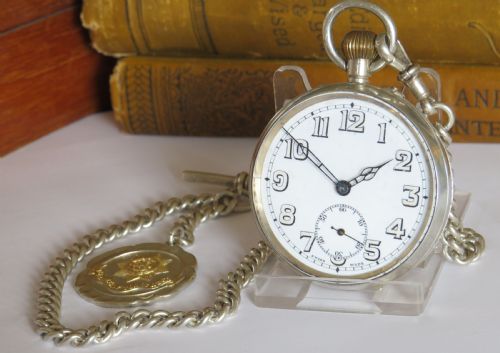
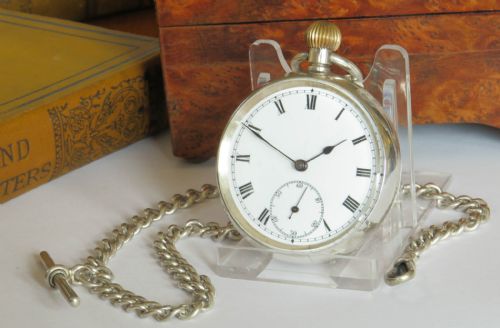
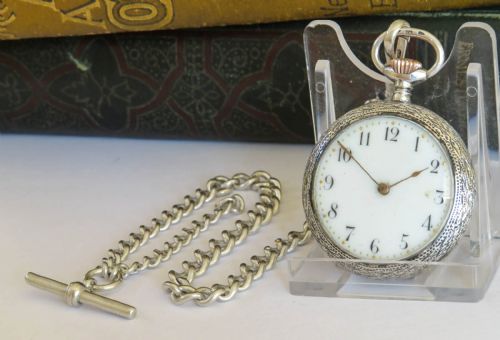
An antique fob chain is a traditional linked metal chain designed originally to anchor a pocket watch in a waistcoat pocket while displaying a decorative pendant, or fob, on the front. These pieces emerge predominantly from the Victorian, Edwardian, and Art Deco eras, spanning the late nineteenth century through the nineteen-thirties.
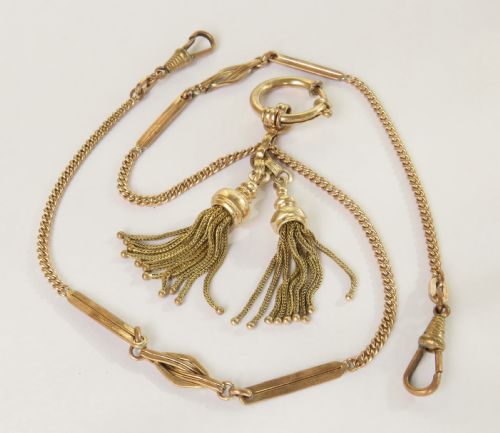
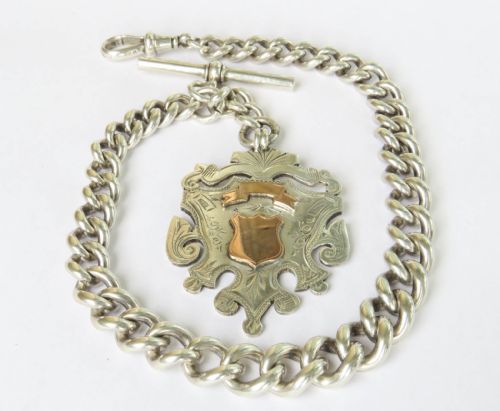
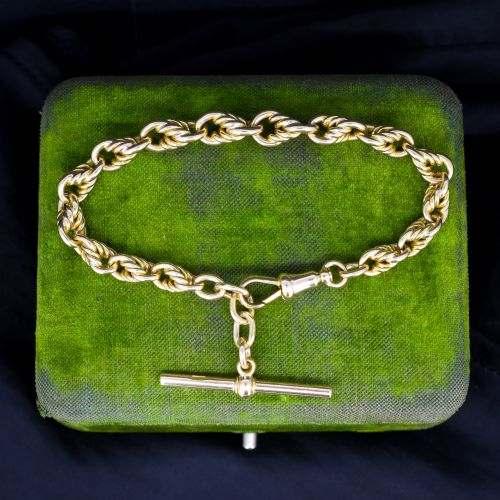
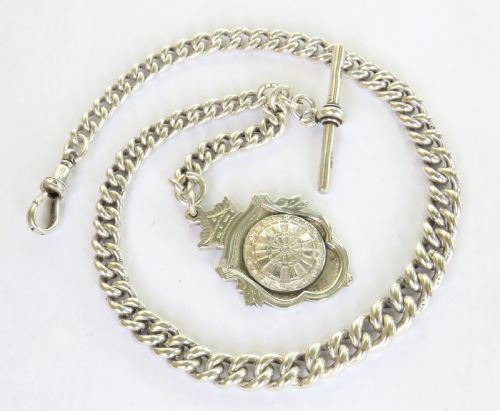
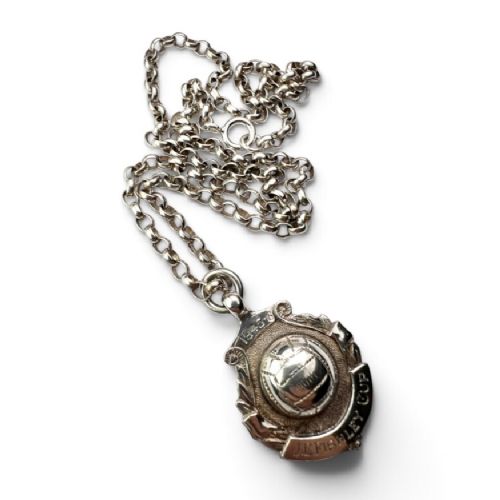
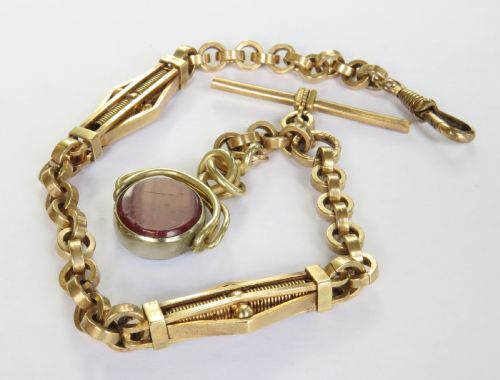
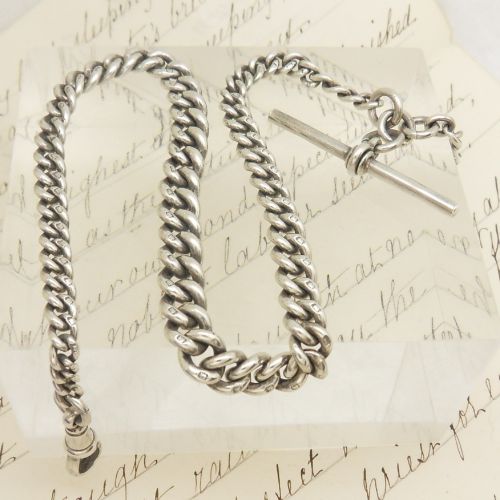
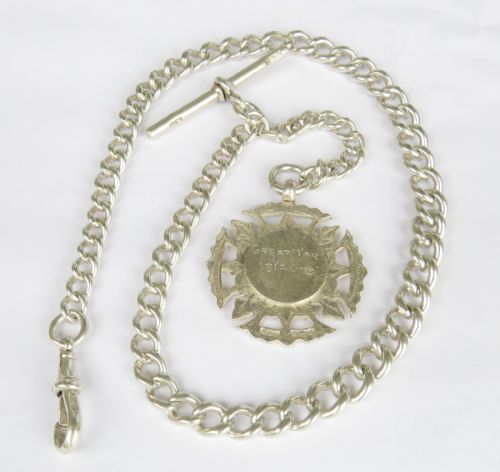
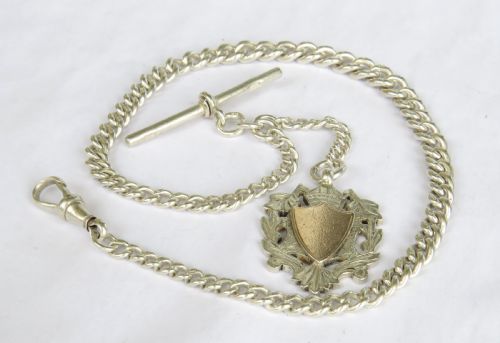
The versions most commonly met on this page include sterling silver albert chains and rolled gold designs, frequently accompanied by swivel clasps, T-bars, and various hanging fobs. They appear both in their original utilitarian configurations and as repurposed necklaces.
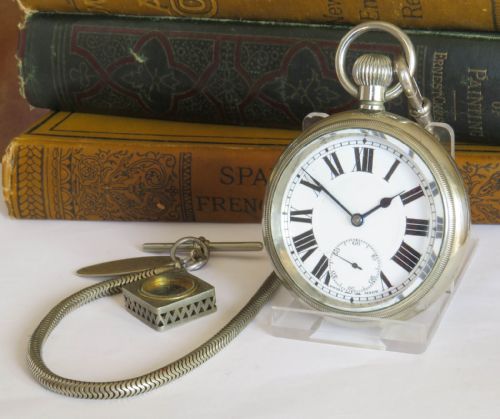
Makers and owners of the period attached military mementos, sports medals, compasses, and spinning stone fobs to these links, turning practical timekeeping accessories into personal archives. Surviving examples demonstrate the shift from strict pocket watch utility to decorative neckwear.
Materials and construction
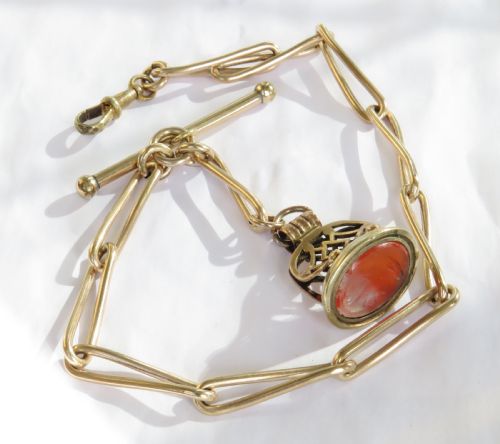
Makers constructed these chains using sterling silver, rolled gold, and nine-carat yellow or rose gold, shaping metal into robust curb links, trombone links, and intricate albertina strands. Hallmarks stamped into the silver and gold links record assay offices such as Chester and Birmingham alongside specific production years.
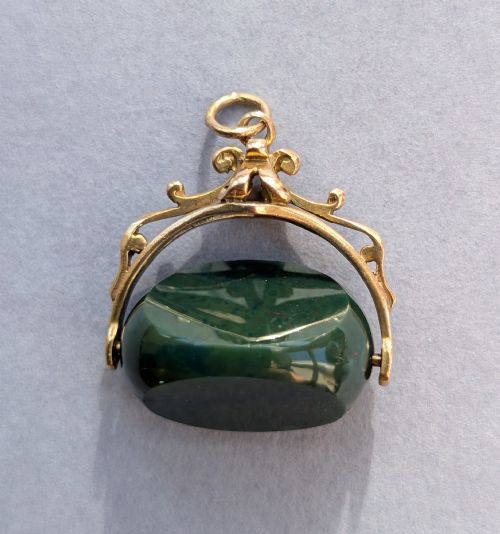
Pendants incorporate natural materials including bloodstone, carnelian, and glass, often set into rotating metal mounts or hinged stamp cases. Skilled metalworkers assembled swivel clips and T-bars to withstand daily handling by watch owners.
Object types include pocket watch albert chains, bloodstone spinning fobs, stamp cases, and compiled necklace conversions.
Judging quality in these chains
Quality rests in the weight of the metal links and the crispness of the individual stampings on the components. Substantial curb and trombone links demonstrate a higher standard of manufacture than lighter, hollow variations.
The integrity of mechanical fixings such as swivel clips and spring rings indicates the grade of the piece. Well-preserved hallmarks and intact stone fobs with clean polishing separate superior specimens from standard examples.
Crisford and Norris
The Antique Fob Chain Glossary
- Albert chain
- A pocket watch chain named after Prince Albert, featuring a T-bar at one end to secure through a buttonhole. It typically includes a drop for a fob in the centre.
- Albertina
- A delicate variation of the standard watch chain, woven with multiple fine strands of metal. These finer pieces frequently terminate in tassels or small pendants.
- T-bar
- The small horizontal metal bar attached to the middle or end of a watch chain. It slips through a waistcoat buttonhole to anchor the entire assembly securely.
- Swivel fob
- A decorative pendant mounted on a rotating axis so both sides can be viewed or presented. They often hold inset hardstones like bloodstone or carnelian.
- Vesta
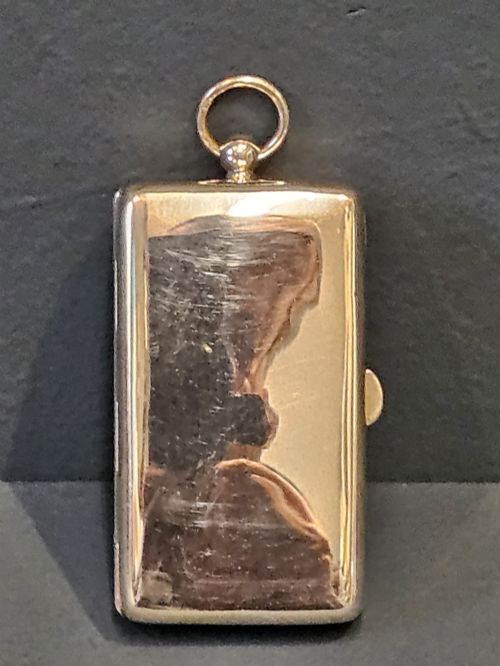
- A small pocket container designed for holding matches, frequently included alongside watch chains. These metal cases often feature engraved decoration or hallmarked surfaces.
Antique Fob Chain: Frequently Asked Questions
How do I wear an antique fob chain?
These chains adapt easily to modern wardrobes by being fastened around the neck as a short necklace or draped through clothing loops. Many buyers choose to remove the T-bar or leave it hanging as a decorative element.
Original albert chains can also be secured to pockets in traditional fashion if wearing structured garments. The added fobs and pendants rest against the fabric as focal points.
What is the difference between silver and rolled gold?
Sterling silver chains consist of solid precious metal marked with official assay office hallmarks indicating their purity. They develop a dark patina over time with handling and exposure.
Rolled gold pieces feature a thick layer of gold mechanically bonded to a base metal core. This technique provides the appearance and durability of solid gold at a different weight and price point.
Can I attach a modern watch to these chains?
The swivel clips on these chains easily attach to belt loops, modern pocket watches, or compatible clothing attachments. The sizing of the spring clips matches standard pocket watch loops from any era.
Care should be taken with the weight of heavy silver links when attaching them to delicate modern garments. Using the T-bar through a reinforced loop provides a secure hold.
How do I date a watch chain?
Dating relies heavily on the presence of hallmarks stamped onto individual links, T-bars, or clip fittings. These small stamps reveal the assay office, such as Chester or Birmingham, and a specific year letter.
Stylistic indicators like trombone links point toward the Edwardian period, while bulkier curb links often align with late Victorian production. Rolled gold pieces without hallmarks are generally dated by their overall form and accompanying fobs.