




Antique Flower Box
An antique flower box brings organic warmth indoors through lasting craftsmanship and floral design.
Antique Flower Box
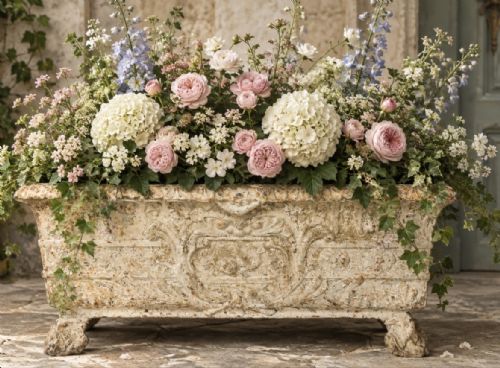
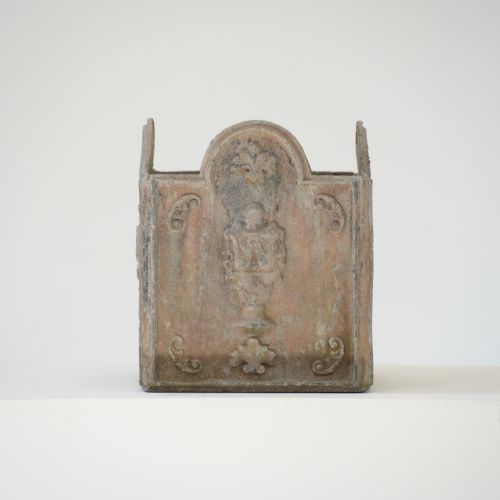
When you search for an antique flower box, you encounter a diverse collection of jardiniere planters, decorative caskets, and functional desktop containers designed to hold flora or botanical keepsakes. The pieces range from substantial garden vessels to small silver trinket boxes adorned with floral motifs.
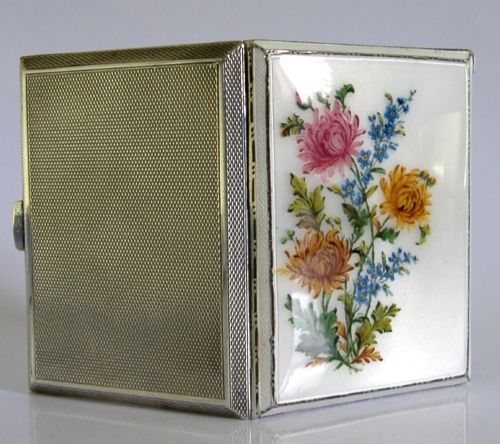
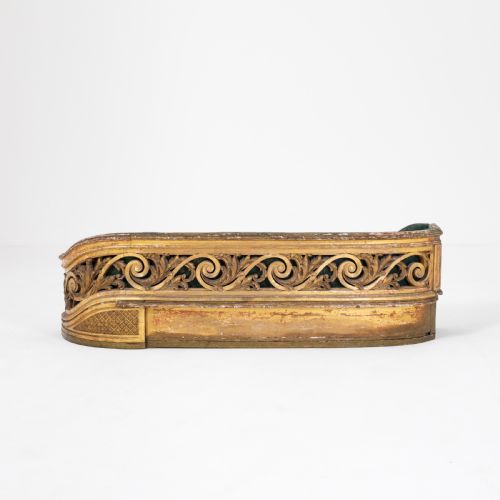
The options here include nineteenth-century brass planters, eighteenth-century French and Georgian lead jardinieres, and delicate Edwardian silver boxes with hand-painted or embossed flower decoration. You will also find carved wooden snuff boxes and giltwood containers featuring foliage patterns.
These items served various historical purposes, from housing indoor potted plants to storing tobacco, snuff, and jewellery. The heavier cast iron and brass examples suit botanical displays, while the smaller sterling silver and painted wooden boxes preserve personal treasures.
Materials and construction
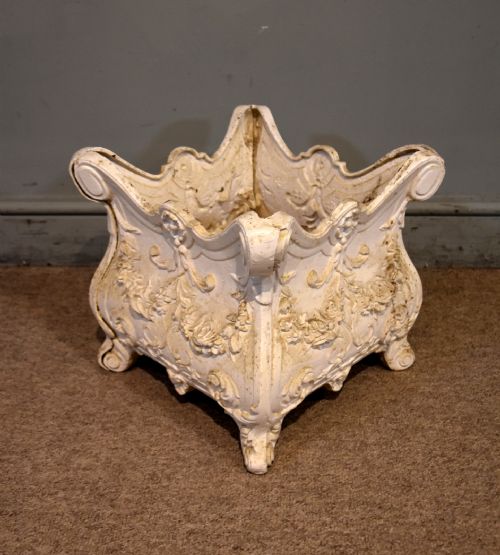
Metalwork dominates the larger containers, utilising cast iron, brass, zinc, and sterling silver shaped through casting, hammering, and repoussé techniques. Coalbrookdale examples demonstrate the detailed potential of nineteenth-century iron foundry work.
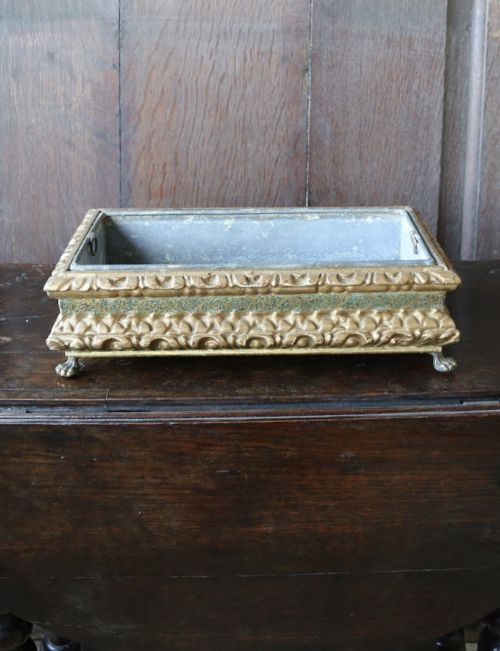
Woodworking traditions appear in carved giltwood, beech, boxwood, and sycamore structures. Artisans applied intricate brass pique work, intricate inlay, and hand-painted enamel finishes to depict botanical subjects.
One listed nineteenth-century snuff shoe even incorporates inlaid diamonds and brass pique work foliage for a pocket-sized botanical display.
Evaluating quality and execution
Quality rests upon the crispness of the botanical carving or metal chasing and the integrity of the materials. Fine cast iron displays sharp relief detail, whereas superior silver boxes exhibit precise hand engraving and secure mounts.
The distinction between standard utility items and high-end pieces lies in the depth of decoration, such as fully hand-painted enamel panels or complex marquetry depicting floral baskets.
Coalbrookdale·Minton
The Antique Flower Box Glossary
- Jardiniere
- A large ornamental pot or stand for holding flowers or plants. These vessels often sit on floors or tabletops.
- Pique work
- A method of decorating tortoiseshell or wood with tiny gold or brass pins and studs. This technique creates delicate floral and geometric patterns.
- Tunbridge ware
- A specialised form of woodworking utilising thousands of tiny coloured wood blocks to form mosaic pictures. Common motifs include floral baskets and geometric borders.
- Repoussé
- A metalworking technique where the artisan hammers the design from the reverse side to form a raised relief on the front. This method gives depth to floral motifs on silver and brass boxes.
- Snuff box
- A small hinged container designed for holding powdered tobacco. Many examples feature carved or engraved flower decorations on the lid.
Antique Flower Box: Frequently Asked Questions
What were antique flower boxes used for?
These containers served multiple domestic functions, ranging from holding indoor potted plants and window box flora to storing personal trinkets and snuff. Larger metal vessels managed botanical displays, while smaller silver and wooden boxes protected valuables.
Makers tailored the interior spaces to the intended contents, lining trinket boxes with velvet or silk and leaving metal jardinieres ready for direct planting.
How do I identify a nineteenth-century brass jardiniere?
Nineteenth-century brass planters typically display heavy metal construction, sometimes featuring cast handles, paw feet, or embossed floral friezes. Examine the weight and the method of joining at the seams to assess the period.
Many examples from this era show natural patination and tool marks consistent with nineteenth-century foundry practices rather than modern machine stamping.
Are wooden flower boxes durable for plants?
Historical wooden boxes, such as those made from beech or sycamore, generally require a protective inner liner if used for living plants. Direct moisture damages old timber and historic painted finishes.
Using a contemporary waterproof insert preserves the structural integrity of carved wooden containers while allowing safe indoor botanical use.
How do I date an antique silver flower box?
Silver pieces often carry British hallmark stamps that indicate the exact year of assay, the maker's mark, and the town of origin. These official marks provide reliable chronological anchors.
Items without hallmarks require dating through the style of the floral repoussé work, the construction of the hinge, and the overall aesthetic of the period.