






Antique Floral Woven Runner
An antique floral woven runner brings narrow rooms to life with centuries of botanical pattern and tactile wool.
Antique Floral Woven Runner
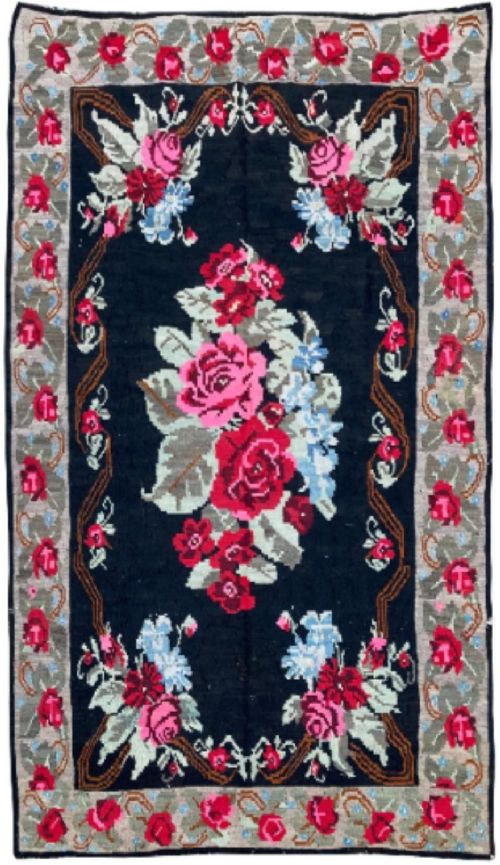
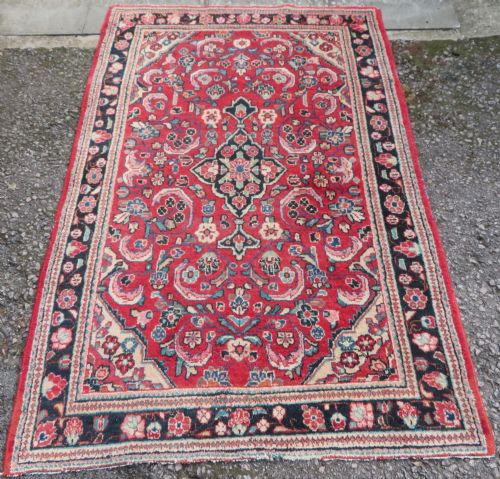
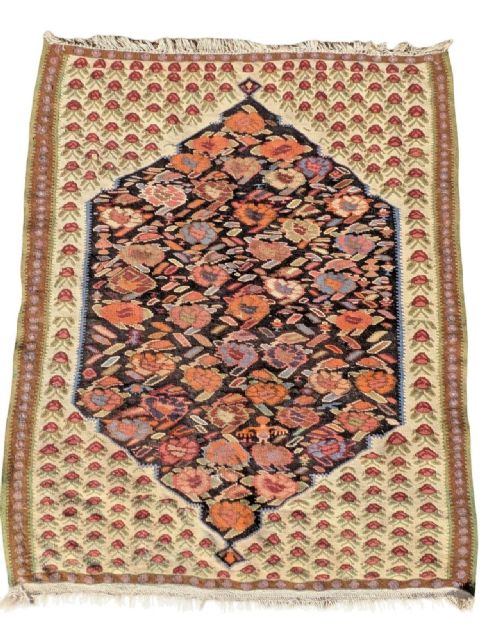
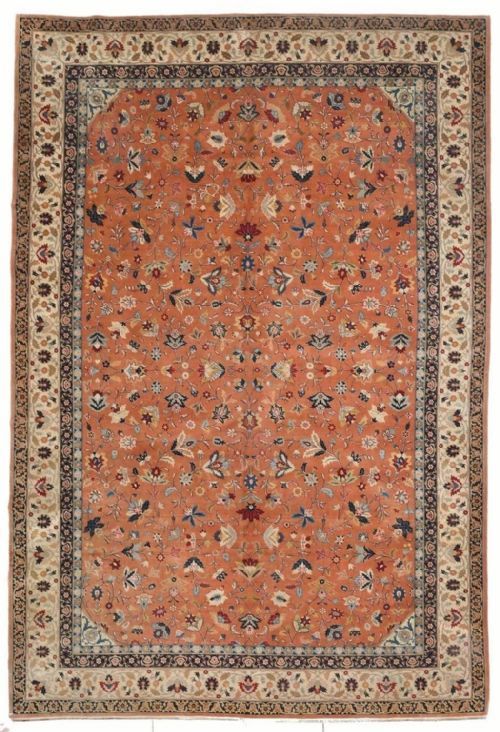
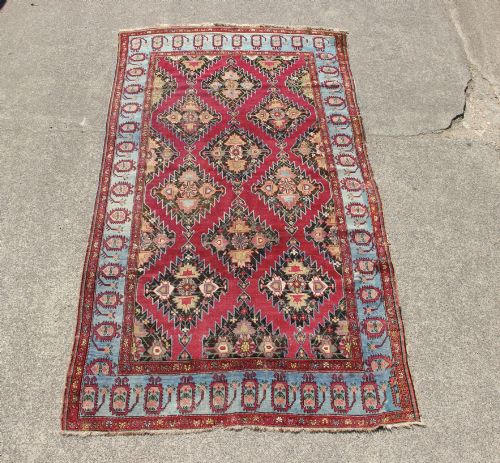
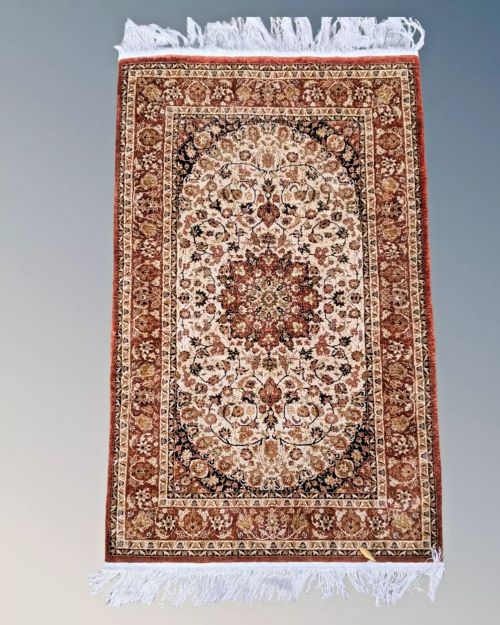
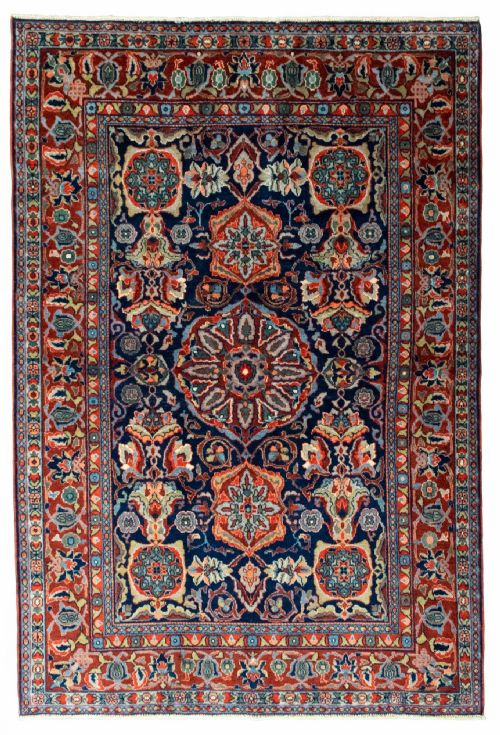
An antique floral woven runner is a long, narrow textile designed for corridors, hallways, and stairs, bringing botanical motifs into transitional spaces. These pieces span the late nineteenth century into the early decades of the twentieth century, originating primarily from Persian weaving centres alongside European Bessarabian and Caucasian workshops.
Buyers encountering this group will find elongated formats woven in wool, cotton, and occasionally silk. The decorative schemes rely heavily on floral medallions, lattice layouts, and climbing garden vines mapped across characteristic runner proportions.
How they were made
Weavers constructed these long floor coverings using hand-knotted piles or flatwoven tapestry techniques, tying wool and cotton yarns onto sturdy foundation warps. Natural dye baths yielded rich tones of madder red, indigo, and earthy saffron that settled into the fibres over generations.
The density of the knotting or the tightness of the flatweave dictated the crispness of the botanical geometry. Dense wool structures provided the physical resilience necessary for heavy foot traffic in domestic hallways.
Listings feature pieces spanning from the nineteenth century through the 1930s, utilising wool, cotton, and silk materials.
What varies in quality
Quality rests upon the crispness of the floral drawing and the handled weight of the woven textile. Tighter knot counts or finer flatweave structures allowed makers to render intricate flower and vase designs with distinct botanical clarity rather than blurred outlines.
The selection of the underlying wool yarns also shapes the character of the piece. Resilient, lanolin-rich fleece aged gracefully under foot, whereas brittle or heavily depleted piles alter the visual depth of the natural dyes.
Mohtasham Kashan
The Antique Floral Woven Runner Glossary
- Kilim
- A flatwoven textile produced without a pile by interlocking the coloured weft threads through the warp. This technique yields a smooth, lightweight fabric often utilised for reversible rugs.
- Pile
- The vertical or diagonal tufts of yarn that form the soft surface of a knotted rug. It is created by looping yarn around warp threads and cutting or leaving the ends exposed.
- Warp
- The stationary vertical strings stretched on a loom that form the structural skeleton of the textile. Weft threads are woven horizontally across these foundational strands.
- Weft
- The horizontal threads passed back and forth across the warp to bind the woven structure together. In flatweaves, the weft forms the visible pattern itself.
- Medallion
- A central symmetrical ornamental motif placed in the field of a rug. It anchors the surrounding floral and geometric design elements.
Antique Floral Woven Runner: Frequently Asked Questions
Where should I place a runner?
These narrow textiles suit hallways, corridors, and bedside spaces where standard rectangular carpets prove too wide. Their elongated proportions draw the eye down a passage while protecting wooden floorboards.
Ensure you measure the clear floor space between skirting boards carefully. Leaving a uniform border of exposed wood on all sides frames the textile correctly.
How do I clean an antique runner?
Gentle surface brushing and careful periodic vacuuming without a rotating beater bar remove embedded grit safely. Professional textile conservators should handle deep washing to protect vulnerable wool and cotton foundations.
Keep woven runners out of direct, blazing sunlight to prevent natural dyes from fading unevenly over the years. Rotating the piece occasionally balances natural wear patterns.
Are these runners durable enough for daily use?
Traditional wool construction gives these textiles remarkable physical resilience for domestic environments. Dense pile work and sturdy cotton foundations absorb the friction of footsteps efficiently.
Adding a quality underlay beneath the textile prevents slipping and cushions the weave against hard subfloors. This simple addition extends the working life of the backing materials significantly.
How do I distinguish regional weaving styles?
Regional identity reveals itself through specific colour palettes, border arrangements, and floral geometries. Persian workshops often favoured intricate garden and vase compositions, whereas Caucasian pieces lean towards sharper geometric lattice work.
Examining the selvedges and fringe finishes provides further clues to origins. Different weaving communities utilised distinct side-cord wrappings to secure their edges.