

Antique Floral Ring
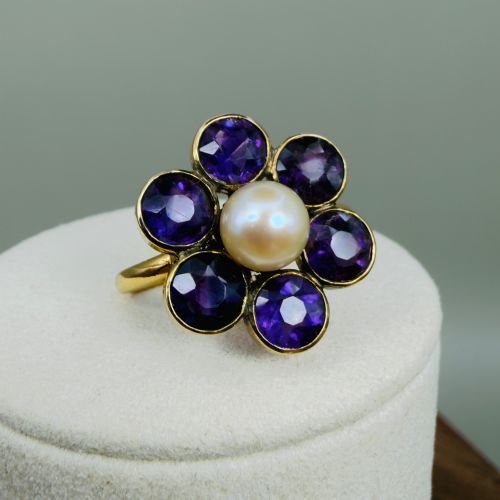
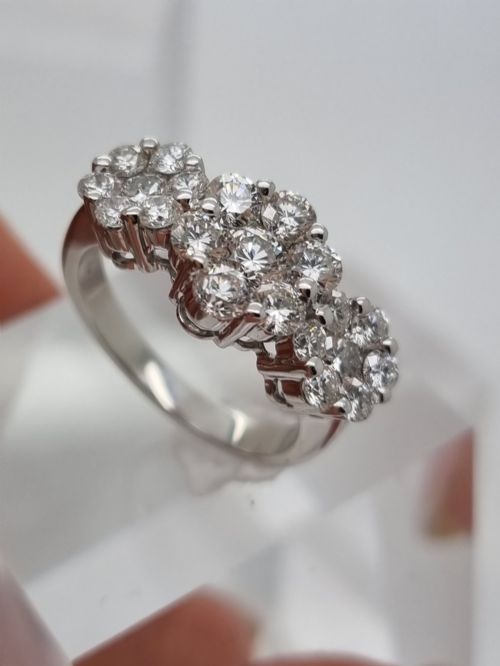
When searching for an antique floral ring, collectors find delicate clusters of diamonds and coloured stones arranged as daisies or blossoms spanning from the Georgian era to the mid-century.
Antique Floral Ring
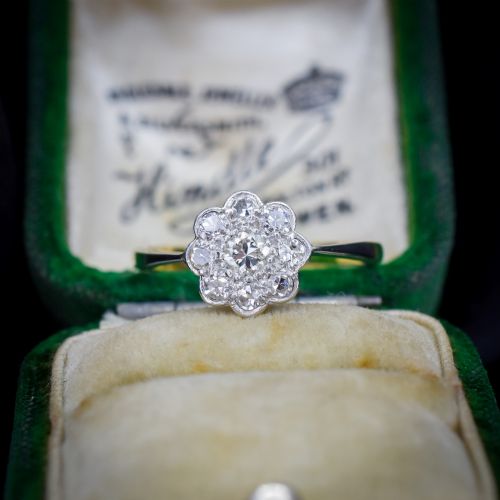
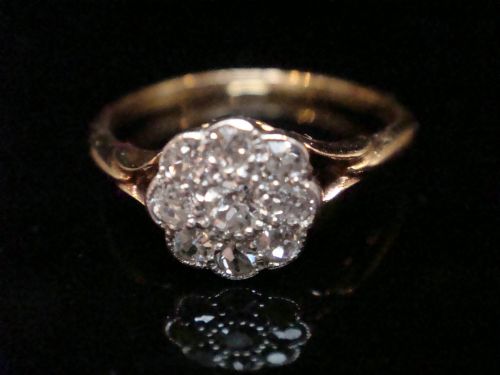
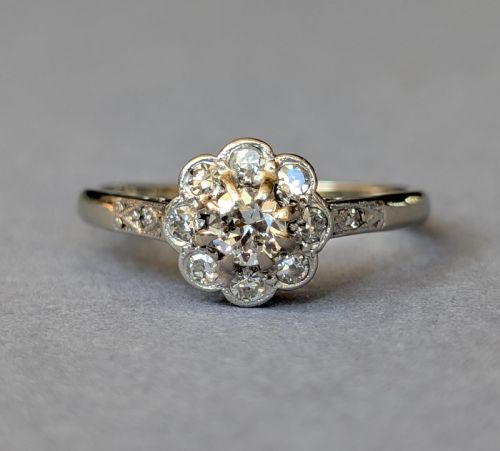
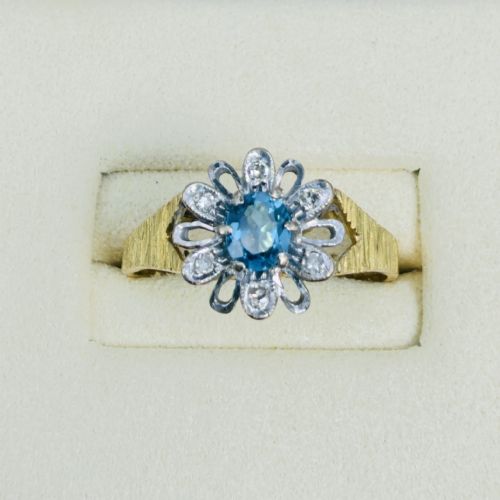
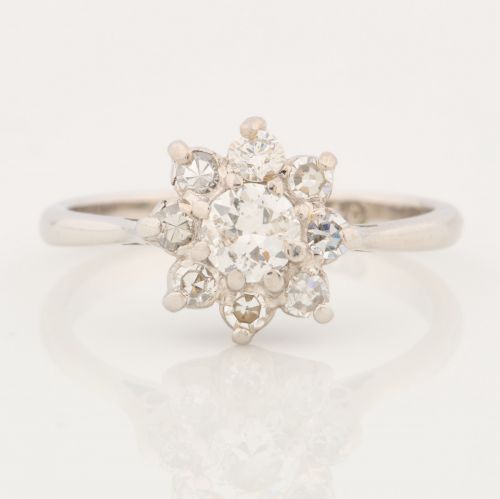
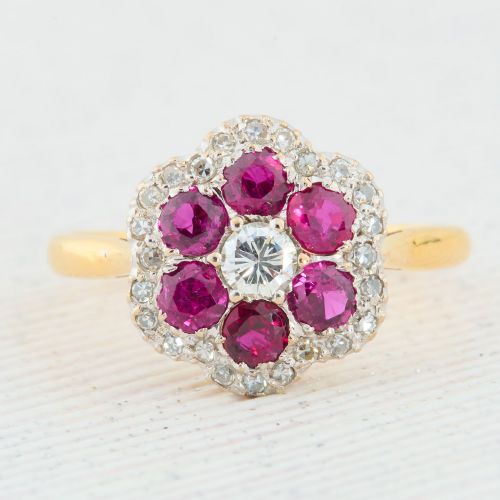
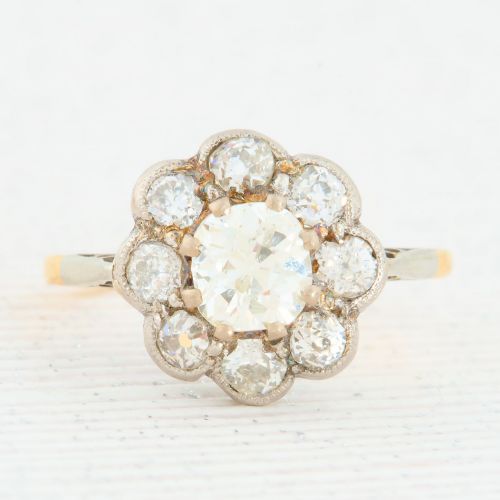
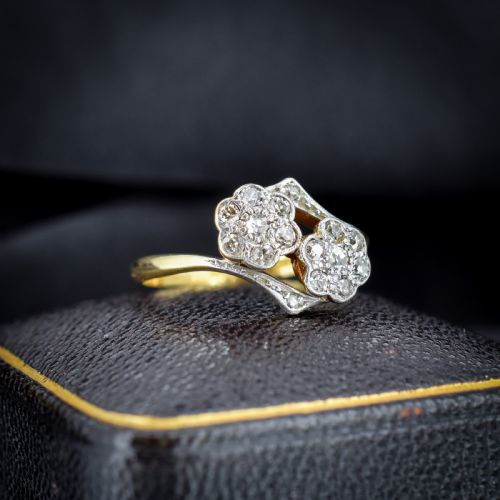
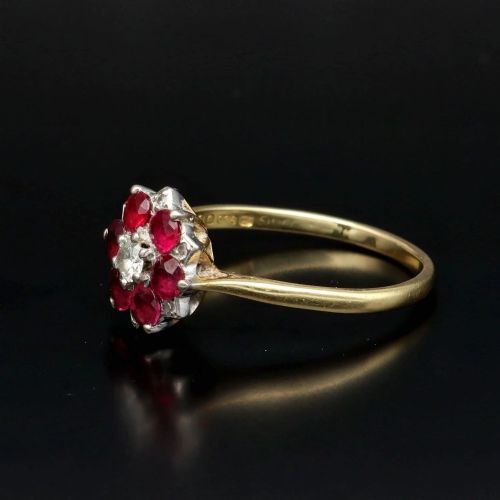
An antique floral ring typically takes the form of a cluster or daisy design, grouping central stones with surrounding petals in gold and platinum settings. These pieces span multiple eras, with Edwardian and Victorian examples appearing frequently alongside Art Deco and mid-century interpretations.
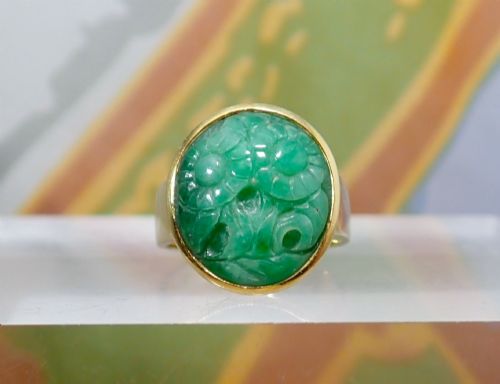
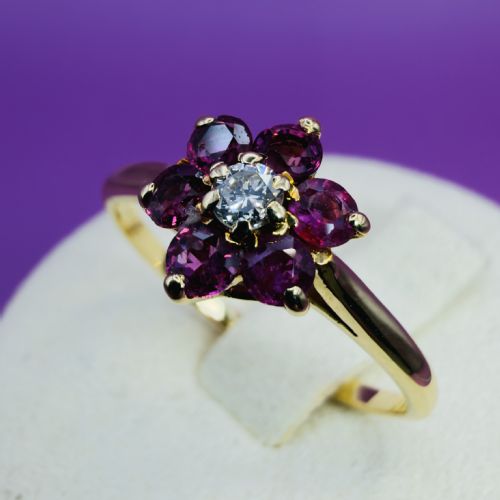
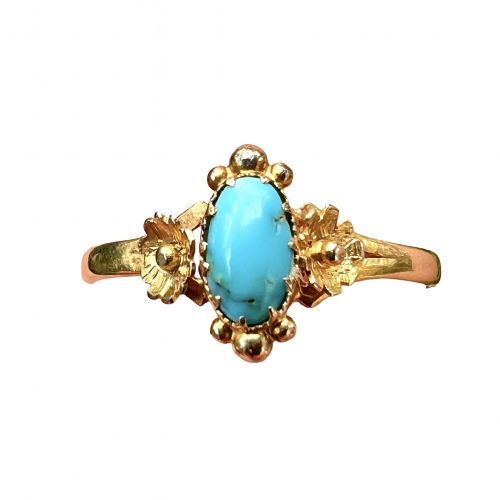
Makers shaped these floral motifs using diamonds, rubies, sapphires, turquoise, and pearls. The forms range from strict geometric daisy clusters to organic Victorian flower heads and engraved bands.
Buyers exploring this selection encounter rings originally fashioned as engagement tokens or personal ornaments. The survival of these pieces demonstrates the enduring appeal of botanical designs across successive decades of jewellery manufacturing.
Materials and construction methods
Goldsmiths constructed these rings primarily in yellow gold, white gold, and platinum, often combining gold shanks with platinum settings to enhance the brilliance of mounted diamonds. Gemstones including old-cut diamonds, rubies, sapphires, and seed pearls were secured by hand using claw or bezel settings.
Workshops employed techniques such as delicate piercing, engraving, and double-twist wirework to define the petals and foliage of each botanical motif. The integration of contrasting metals like sterling silver and gold also structuralised the floral faces of Victorian and Edwardian iterations.
Listings feature yellow gold, white gold, platinum, and sterling silver spanning the Victorian, Edwardian, Art Deco, and mid-century periods.
Distinctions in craftsmanship and materials
Quality in an antique floral ring rests upon the precision of stone cutting, the uniformity of matching petal gems, and the subtlety of metalwork details. Hand-cut old mine and old European diamonds exhibit distinct facet patterns that elevate the character of Edwardian and Victorian clusters compared to later uniform stones.
The integrity of the original setting and the preservation of delicate scrollwork or engravings dictate the desirability of a piece. Rings retaining their full structural depth without thinning shanks or replacement stones represent the higher tier of surviving examples.
Ollivant and Botsford
The Antique Floral Ring Glossary
- Cluster ring
- A ring featuring a central stone encircled by a border of smaller gems. This configuration forms the basis of most floral and daisy motifs.
- Old-cut diamond
- A diamond cut by hand before the standardisation of modern brilliant facets. These stones typically possess higher crowns and smaller tables.
- Daisy ring
- A specific cluster design resembling a flower, with round stones radiating around a central focal gem. It remains a defining silhouette of the Edwardian period.
- Platinum
- A dense, durable white metal utilised in jewellery manufacturing from the Edwardian era onward for securing delicate stone settings.
- Bezel setting
- A method of holding a gemstone in place with a thin metal rim that wraps around the girdle of the stone.
Antique Floral Ring: Frequently Asked Questions
How do I identify an Edwardian floral ring?
Edwardian pieces often feature platinum-topped yellow gold settings framing old-cut diamonds in delicate daisy or openwork floral configurations.
The lightness of the metalwork and the use of millegrain edging help distinguish this period from heavier Victorian designs.
What is a daisy ring?
A daisy ring is a specific style of cluster jewellery where a central gemstone is surrounded by a ring of smaller white stones, mimicking the petals of a flower.
This motif enjoyed immense popularity during the late nineteenth and early twentieth centuries.
Are these rings suitable for daily wear?
Most antique floral rings can be worn daily provided they receive regular checks by a jeweller to ensure the stone settings remain secure.
Older pieces in softer metals or with pearls require extra care to avoid accidental damage.
How do I care for antique gemstone jewellery?
Cleaning should be done gently using warm water and a soft brush, avoiding harsh chemical ultrasonic cleaners that can damage organic gems like pearls and turquoise.
Storing each ring in a separate compartment prevents scratching between softer stones and diamonds.