

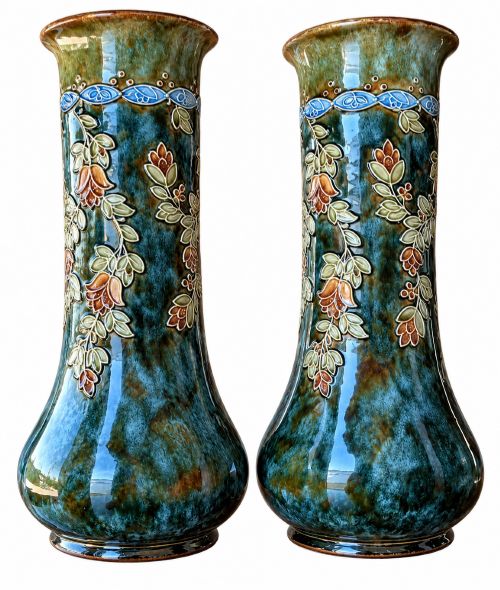
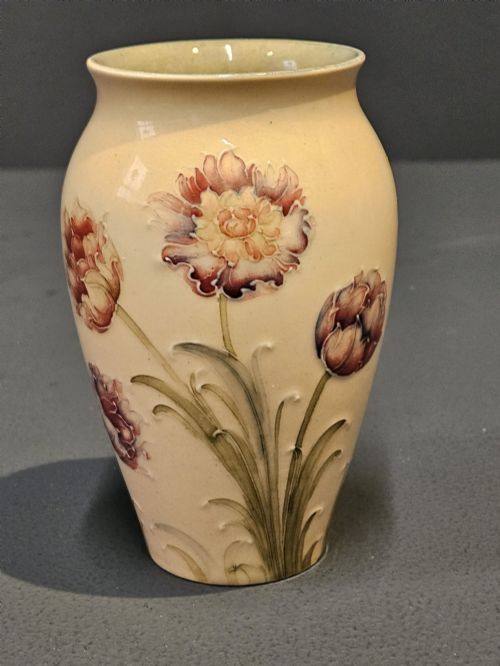
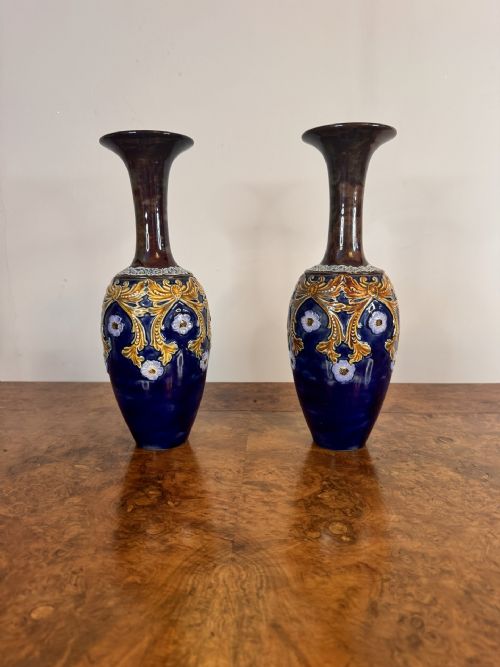

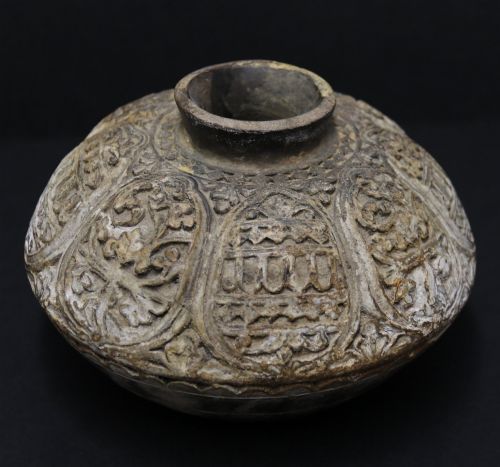

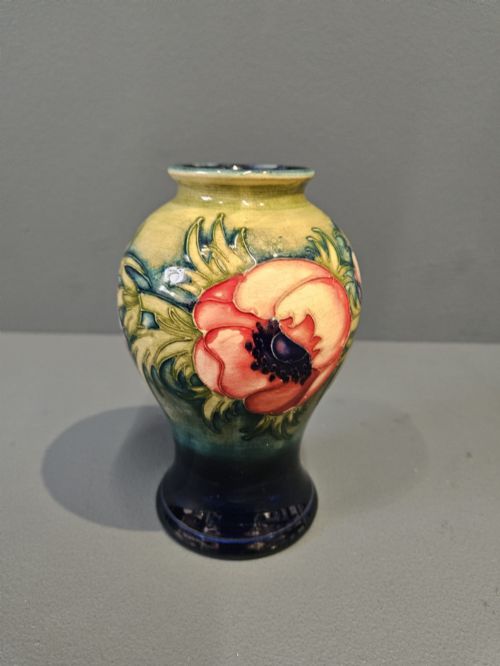
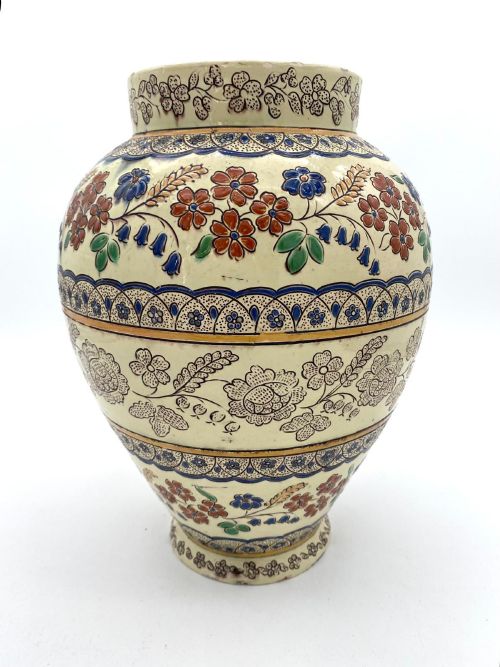
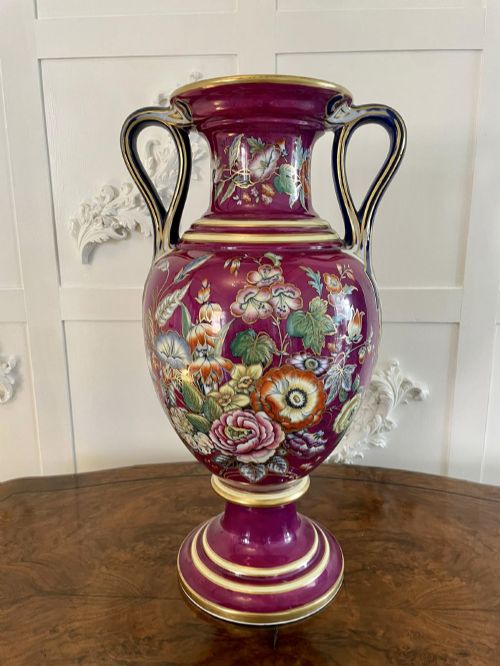
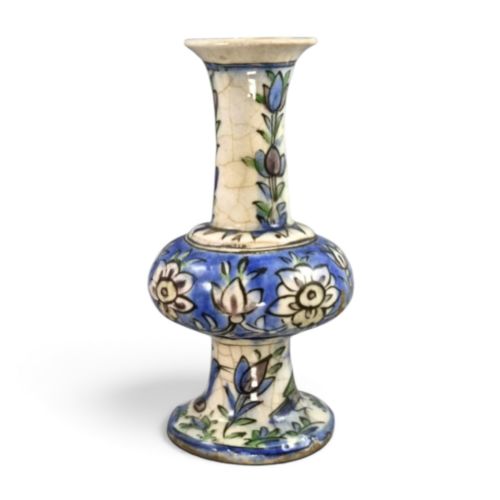
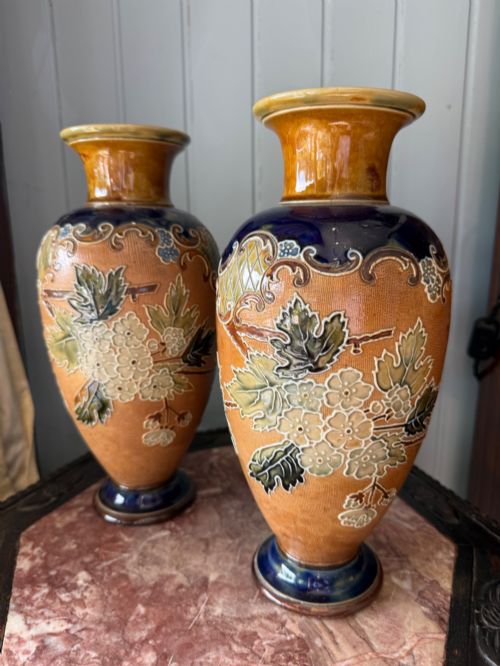
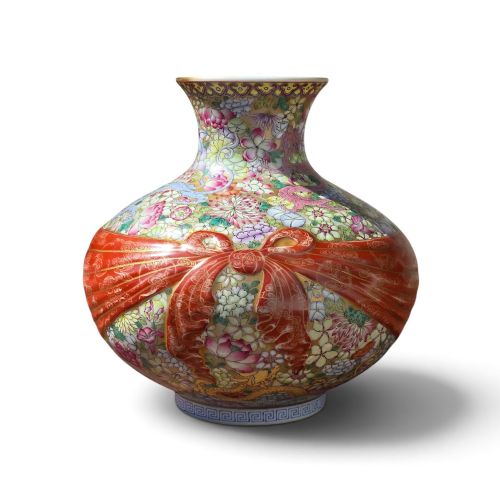
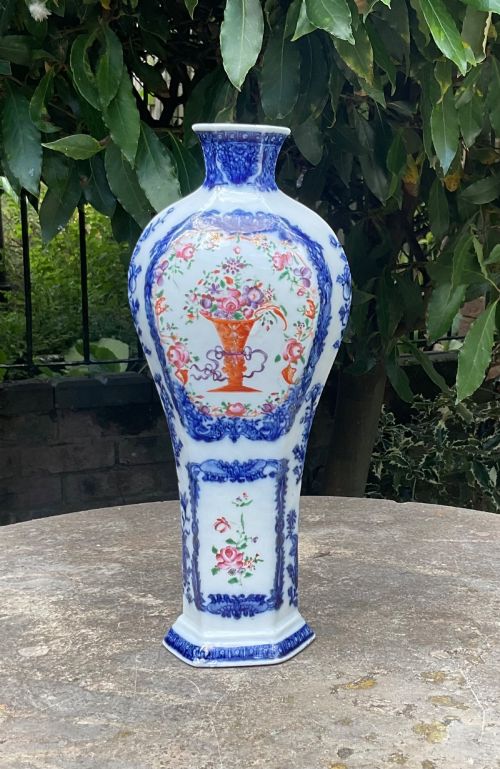
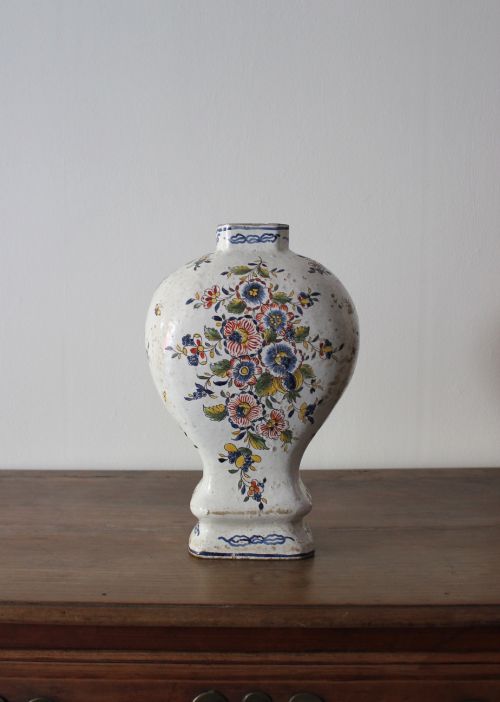

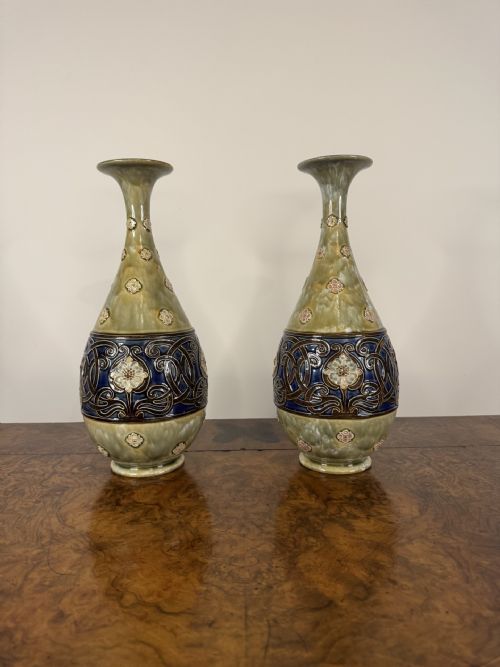
Antique Floral Pottery Urn
An antique floral pottery urn brings the weight of centuries into a room, offering a tangible link to historical ceramic traditions.
Antique Floral Pottery Urn
When you search for an antique floral pottery urn, you encounter vessels that served decorative and functional roles across domestic and public spaces. The pieces range from substantial nineteenth-century earthenware and stoneware to delicate porcelain and faience specimens spanning the eighteenth to the early twentieth centuries.
The selection on this page leans heavily toward English stoneware, Japanese Satsuma and Imari pieces, and Dutch Delftware. You will find baluster forms, lidded jars, and twin-handled vases decorated with floral motifs, botanicals, and birds.
Origins stretch from Staffordshire and Lambeth potteries to Japanese workshops and European factories. These vessels were made to anchor a mantelpiece or hold floral arrangements in period drawing rooms.
How they were made
Makers utilised ceramic bodies such as earthenware, stoneware, and porcelain, shaping them on the wheel or casting them in moulds. Surface decoration was applied using underglaze painting, enamels, and transfer printing, often finished with transparent or opaque glazes.
Techniques like gold leaf application, slip trailing, and specialised faience methods added texture and depth to the floral patterns. Firing took place in kilns at varying temperatures depending on whether the piece required a salt glaze or a delicate overglaze enamel finish.
Antique Floral Pottery Urn Retail Price Guide 2026
Typical asking prices for floral pottery urn among the pieces listed under this phrase on Sellingantiques today, from the lower quarter to the upper quarter. They describe what is for sale here now, not the wider market.
Some nineteenth-century artisans signed their ceramic flora so diligently that the painted leaves hide tiny artist ciphers.
What varies in quality
Quality rests in the crispness of the modelled form and the precision of the hand-painted or transferred floral details. Superior pieces display harmonious proportions, balanced glazes, and well-defined decorative elements without smudging or firing distortions.
The reputation of the pottery or the specific hand of an identified artist elevates a piece above standard production wares. The depth of colour in polychrome enamels and the integrity of the ceramic body also determine the standing of the vessel.
Royal Doulton·Doulton Lambeth·Royal Worcester·Royal Crown Derby·Wileman Intarsio·Minton Secessionist·TG Green·Mason·Spode·Booths
The Antique Floral Pottery Urn Glossary
- Earthenware
- Porous pottery fired at lower temperatures, typically requiring a glaze to render it waterproof. It forms the base for many traditional creamware and majolica pieces.
- Faience
- Tin-glazed earthenware produced in Europe, renowned for smooth white surfaces that accept painted floral designs.
- Imari
- A style of Japanese export porcelain characterised by a palette of underglaze blue, iron red, and gold. It was widely emulated by European potteries.
- Baluster
- A vase shape featuring a rounded body that tapers toward the neck, resembling a traditional architectural baluster.
- Polychrome
- Decoration employing multiple distinct colours across the ceramic surface.
Antique Floral Pottery Urn: Frequently Asked Questions
How were pottery urns used?
These vessels functioned primarily as decorative centerpieces or ornamental containers for dried and fresh botanical arrangements. Wealthy households displayed them on pedestals, sideboards, and mantelpieces to showcase refined taste.
Some larger lidded variations held dry goods or potpourri, releasing fragrance through small openings. Over time, their role shifted firmly toward interior display and collecting.
How do I identify the period?
Dating relies on factory marks, glaze characteristics, and the stylistic conventions of the era. Victorian pieces often feature heavy floral relief and rich polychrome palettes, while Arts and Crafts examples lean toward simpler, earthier tones and incised foliage.
Examining the foot ring, base wear, and manufacturing technique helps narrow down the decade of production. Reference marks specific to potteries like Doulton or Worcester provide precise chronological anchors.
Can I use them for flowers?
Many historic vessels hold water safely, but porous earthenware and antique porcelain require gentle handling to prevent damage. Glazed stoneware and modern porcelain liners offer better protection if you intend to use them with fresh stems.
Inspect the interior for old hairline cracks or repairs before filling the vessel with water. Often, collectors prefer to keep them dry to preserve the interior glaze and historical integrity.