


Antique Floral Panel
An antique floral panel brings botanical colour and texture into a room through carved timber, needlework embroidery or painted canvas.
Antique Floral Panel
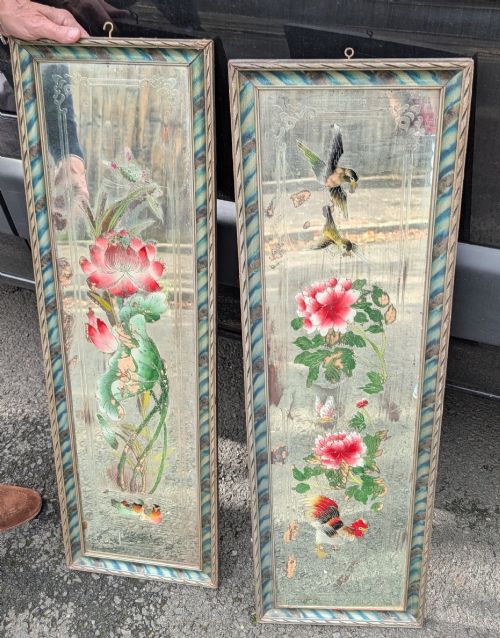
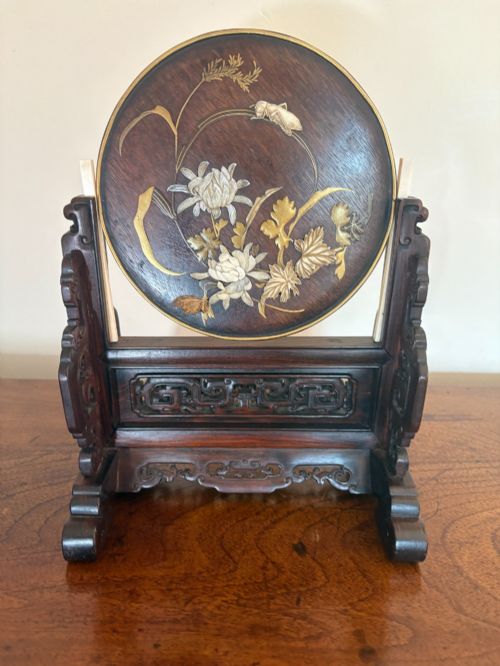
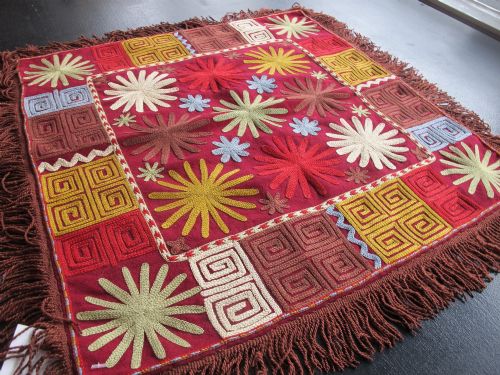
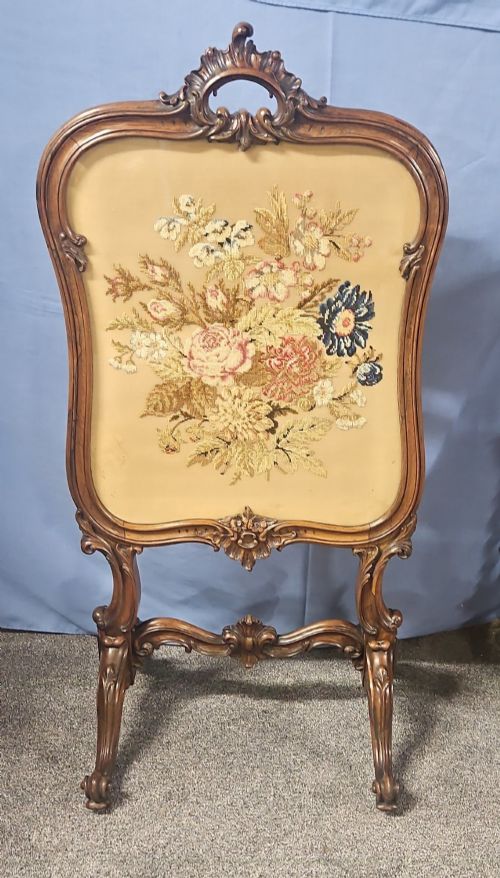
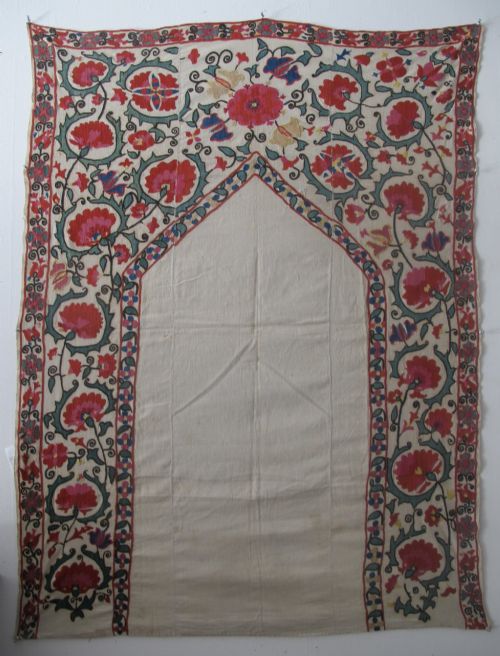
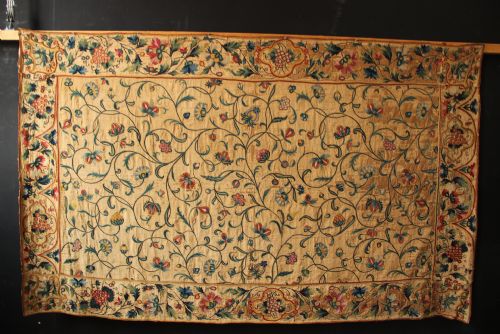
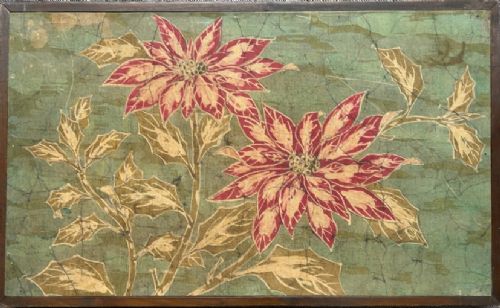
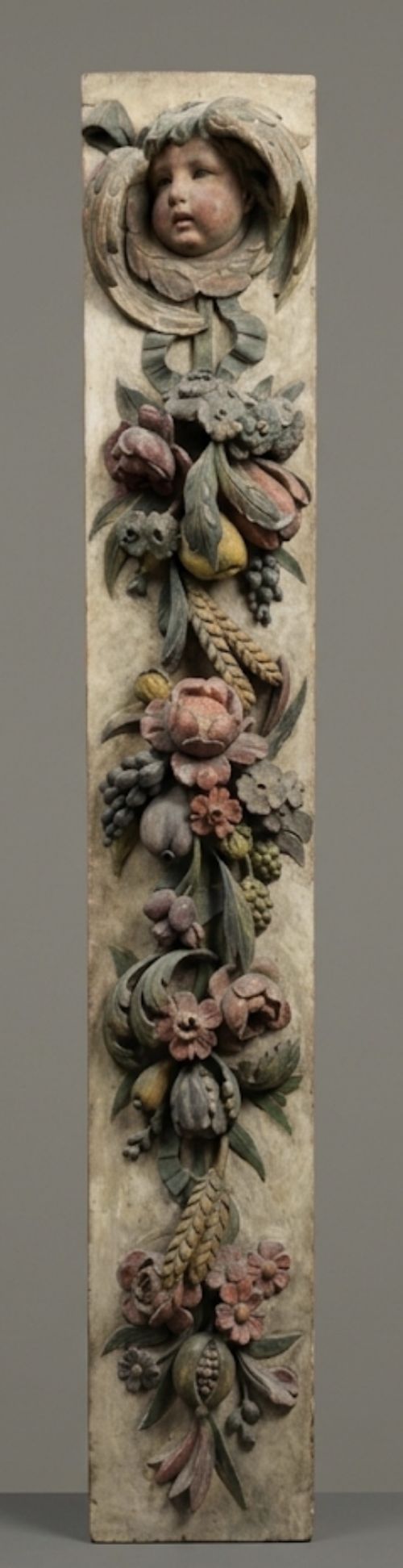
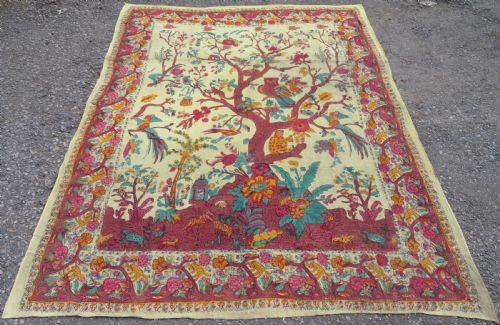
When searching for an antique floral panel, buyers encounter an eclectic mix of carved architectural fragments, painted wooden screens and embroidered textile hangings. These pieces bridge the gap between decorative arts and textiles, originating from workshops across Europe, Asia and Central Asia.
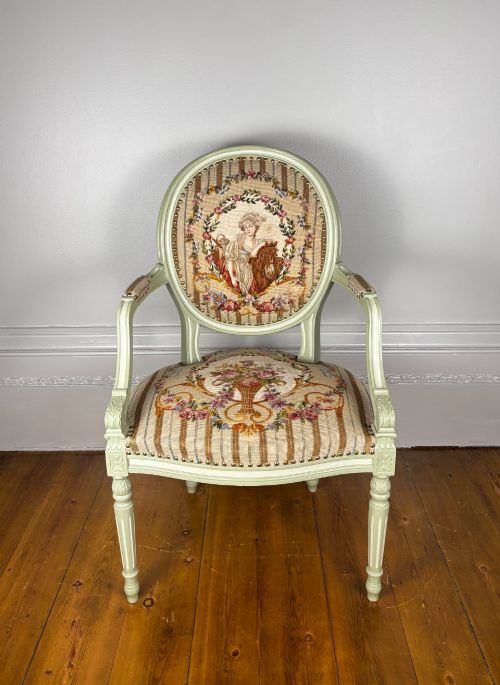
The selection on this page leans heavily towards woven and embroidered fabrics alongside carved timber reliefs. Textile examples include silk and cotton suzanis from Uzbekistan, crewelwork and needlepoint panels, while the wooden variants comprise carved temple panels and furniture insets.
Dating ranges from the seventeenth century through to the early twentieth century. Victorians and Edwardians collected and adapted many of these fragments for domestic display, creating the diverse forms found here today.
Materials and technique
Makers utilised organic media such as silk, cotton, wool and walnut, often combining them with oil paint, tempera or gilt. Textile works rely on needlework techniques including crewelwork, tambour embroidery and satin stitch applied to fine grounds.
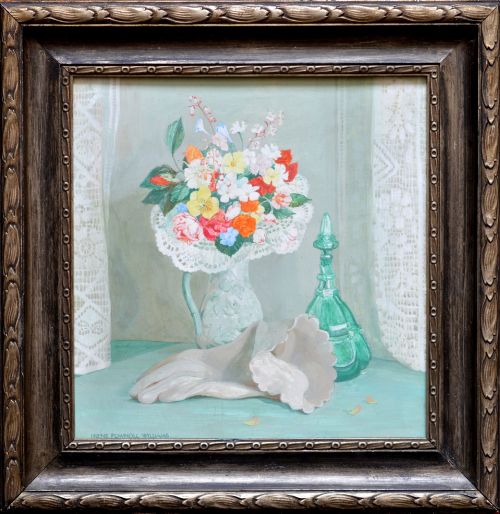
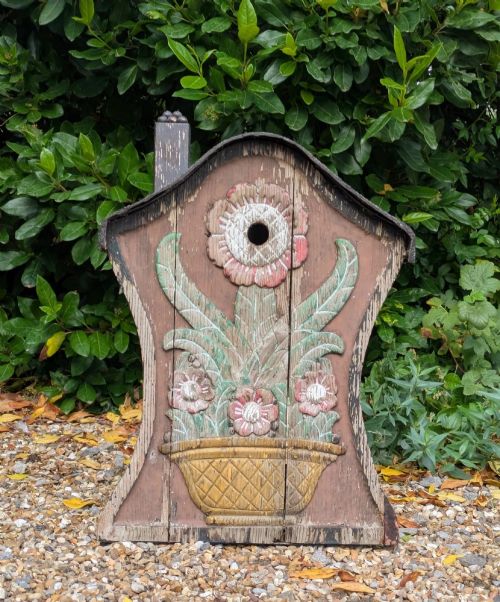
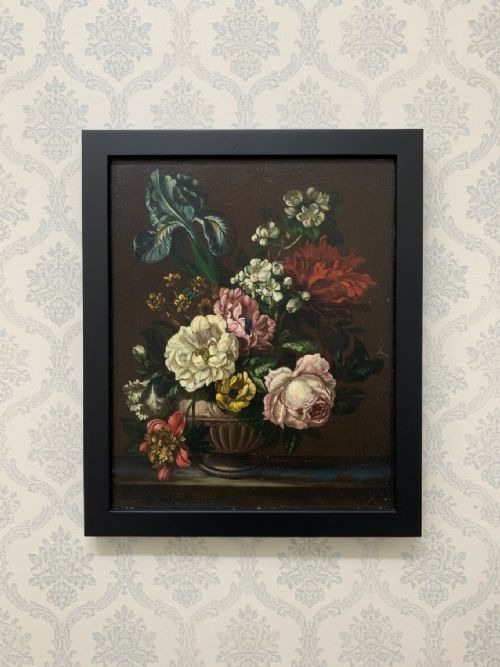
Wooden examples demonstrate deep hand carving, polychrome decoration and joinery techniques typical of period cabinetmaking. Painters utilised oil and tempera upon prepared wood or canvas panels, frequently working within decorative schemes inspired by earlier centuries.
Antique Floral Panel Retail Price Guide 2026
Typical asking prices for floral panel among the pieces listed under this phrase on Sellingantiques today, from the lower quarter to the upper quarter. They describe what is for sale here now, not the wider market.
Materials recorded across these items include silk, cotton, walnut, brass, glass, oil paint and wool.
Assessing quality
The upper tier of these pieces reveals itself through precision of hand execution and the integrity of the materials. Needlework panels demonstrate fine, even tension in the stitching and sophisticated dye palettes, while carved wooden reliefs show crisp undercutting and deliberate chisel work rather than mechanical smoothing.
Compositional balance and the preservation of original pigment or surface finish distinguish finer examples from simpler work. Pieces retain their character when alterations remain sympathetic to the original period of manufacture.
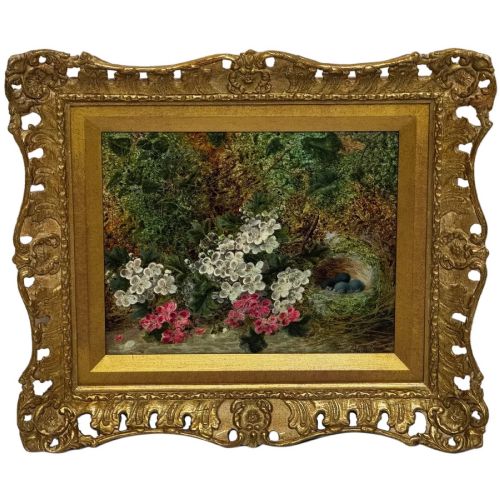
Irene Christobelle Pownoll Williams·Oliver Clare
The Antique Floral Panel Glossary
- Suzani
- A type of embroidered tribal textile from Uzbekistan, traditionally worked in silk on a cotton or silk foundation with bold floral motifs.
- Crewelwork
- A style of embroidery utilising wool yarn on a heavy linen or cotton twill fabric, frequently depicting scrolling floral and botanical patterns.
- Polychrome
- Decorated or painted in several different colours, commonly found on historic carved wooden panels and room dividers.
- Needlepoint
- A form of counted thread embroidery stitched onto an open-weave canvas ground to form dense tapestry panels for upholstery or wall hanging.
- Temple panel
- A carved architectural wooden element sourced from religious buildings, often finished with gilt or paint depicting floral and figurative subjects.
Antique Floral Panel: Frequently Asked Questions
How do I hang a textile panel?
Fabric panels require gentle support to distribute weight evenly across the textile. Conservation mounting involves stitching the piece to a padded, fabric-covered board before framing.
Alternatively, a sleeve can be sewn to the reverse to accommodate a thin hanging rod. Avoid hanging textiles in direct sunlight to protect the natural dyes.
Can wooden panels be cleaned safely?
Dust wooden carvings regularly with a dry, soft-bristled brush to prevent particulate buildup in the crevices. Avoid chemical polishes or excessive moisture, which can degrade old paint and gilt.
If the surface requires deeper attention, consult a professional conservator rather than attempting solvent cleaning at home.
How do I date an embroidered panel?
Examine the fibre type, dye colours and stitching irregularities to establish an approximate age. Natural plant-dyed silks and wools from Central Asian or European workshops typically display tonal variations absent in modern synthetic threads.
The backing fabric and framing methods provide additional clues regarding when the textile was mounted for display.
Where should I place a screen panel?
Screen panels function well as room dividers, wall art or integrated architectural accents in a hallway or sitting room. Place them away from heat sources and damp environments to protect the wood, leather or fabric components.
Freestanding multi-fold screens benefit from placement where they will not be frequently knocked by foot traffic.