






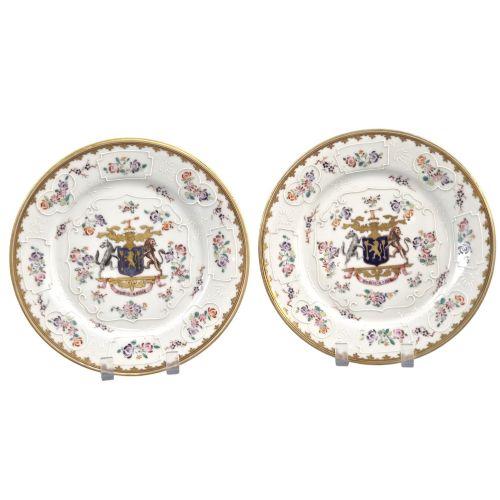
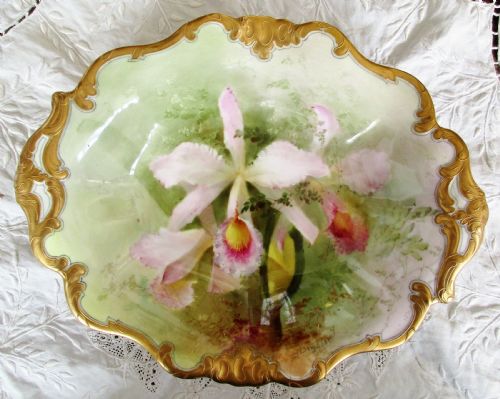
Antique Floral Display Dish
An antique floral display dish brings hand-painted botanicals and centuries of ceramic artistry straight to your table.
Antique Floral Display Dish
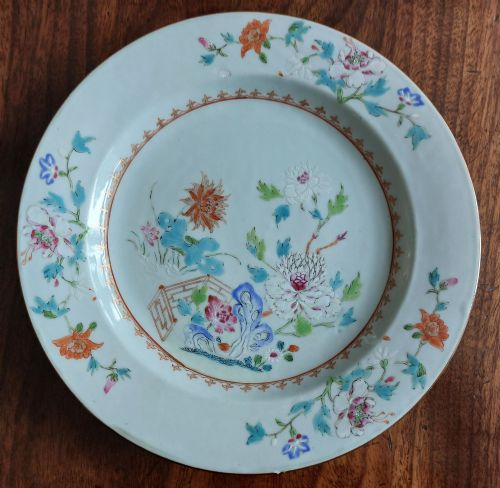
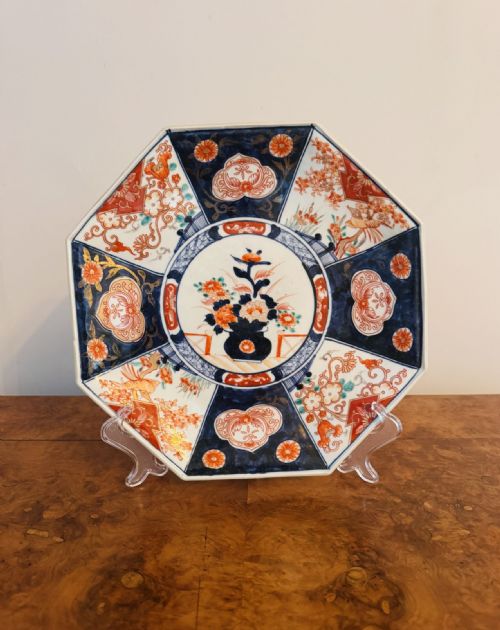
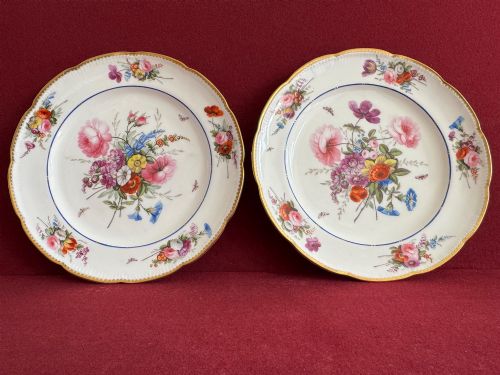
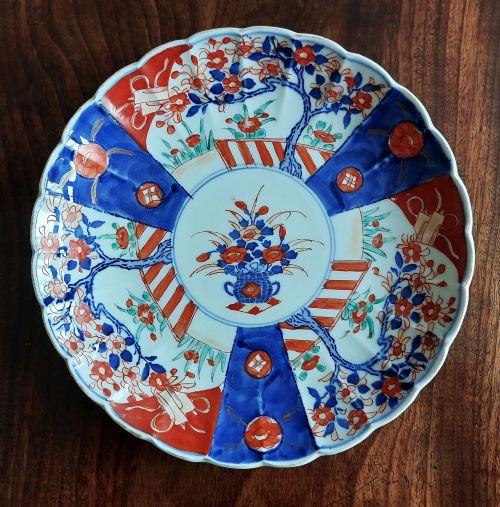
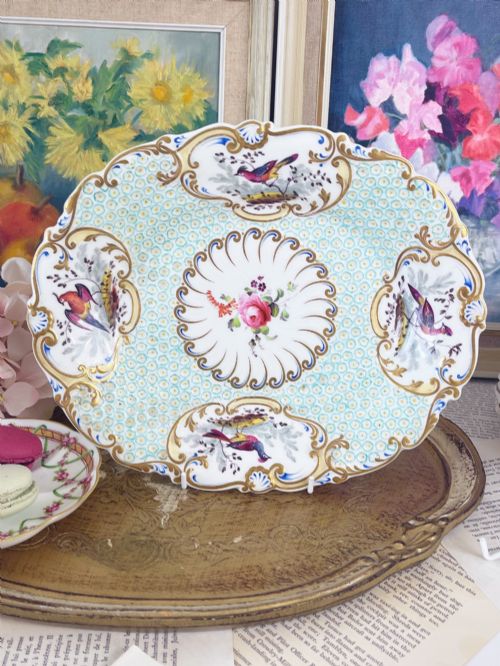
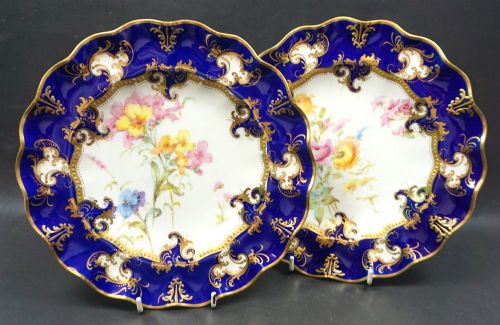
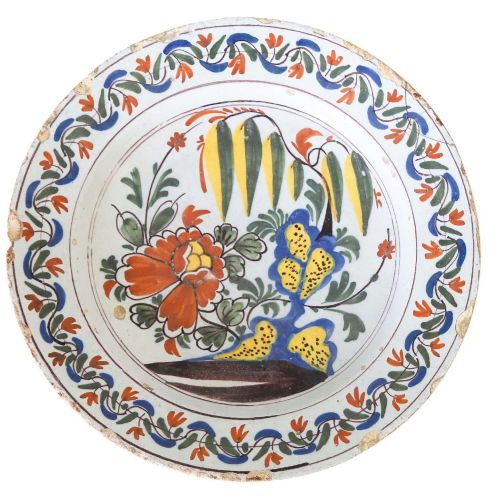
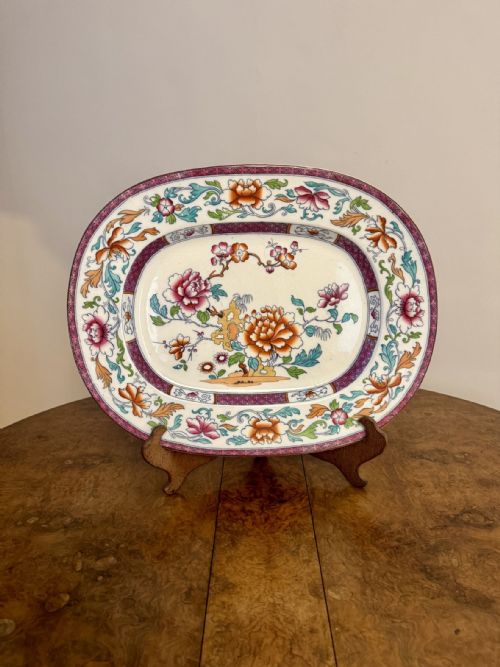
An antique floral display dish encompasses chargers, platters, cabinet plates, and bowls made across the eighteenth, nineteenth, and early twentieth centuries. Buyers frequently encounter Japanese Imari porcelains from the Meiji period alongside English and European earthenware and porcelain.
The forms range from large circular chargers and deep scalloped bowls to hexagonal plates and oval serving dishes designed for visual impact. Makers utilised these expansive surfaces to showcase intricate hand-painted floral motifs alongside birds and auspicious symbols.
Originating from diverse traditions including English factories, French ateliers, and Japanese kilns, these pieces served both functional dining roles and purely decorative cabinet display purposes.
How They Were Made
Potters shaped porcelain and earthenware bodies on wheels or pressed them into moulds before applying foundational glazes. Artisans then hand-painted detailed botanical scenes utilising polychrome pigments, cobalt blue, and copper wire frameworks.
Many items incorporate gold leaf, gilding, or enamel work applied over the glaze to highlight specific petals and borders. Kiln firing fixed these metallic accents and vibrant colours permanently into the ceramic surface.
Keep an eye out for hidden frogs sharing floral sanctuary with chrysanthemums and butterflies on nineteenth-century cloisonne chargers.
What Varies in Quality
Quality rests in the precision and complexity of the hand-painted floral brushwork, where finer pieces display meticulous detail in every petal and bird feather. The crispness of moulded forms, particularly on scalloped or hexagonal edges, distinguishes superior output.
The application of secondary materials such as rich gilding, enamel, and copper cloisonne wire indicates the level of craftsmanship invested by the workshop. Well-preserved surfaces with minimal pigment loss and balanced glaze application separate cabinet-grade items from utilitarian wares.
H and R Daniel·Royal Crown Derby·Royal Doulton·John Ridgway
The Antique Floral Display Dish Glossary
- Charger
- A large decorative plate or dish, typically measuring over twelve inches across. These prominent pieces were traditionally displayed upright on sideboards or used as centrepieces.
- Imari
- A style of Japanese porcelain featuring distinct underglaze blue and iron-red designs, frequently accented with gold. Production centred in Arita and gained immense popularity across European markets.
- Cloisonne
- A technique where enamel paste is applied within compartments created by soldered copper or metal wires on a base. Firing fuses the vitreous enamel to form intricate pictorial surfaces.
- Cabinet Plate
- A decorative ceramic plate intended strictly for display in a cabinet or on a wall rather than dining use. They often feature elaborate hand-painted subjects by named artists.
- Satsuma ware
- Japanese earthenware characterised by a pale, ivory craquelure glaze decorated with polychrome enamels and gilt. This pottery style emerged during the Edo period and flourished through the Meiji era.
Antique Floral Display Dish: Frequently Asked Questions
How were display dishes used historically?
Display dishes served as decorative centerpieces on dining tables or were mounted on walls and placed in cabinets to showcase wealth and taste. Large chargers often sat on sideboards during feasts.
Over time, fragile cabinet plates shifted entirely into ornamental roles, displayed on stands to protect their delicate hand-painted surfaces from daily wear.
How do I distinguish Japanese Imari from European copies?
Examine the paste, glaze texture, and iron-red pigment depth on the reverse of the dish. Japanese Arita Imari typically exhibits distinct foot rings and subtle potting characteristics unique to Meiji period kilns.
European factories often applied heavier white glazes and different clay bodies beneath their imitations, altering the weight and resonance of the piece.
What periods are common for these dishes?
The majority of pieces span the nineteenth century, encompassing the Victorian era and the Japanese Meiji period. Eighteenth-century examples also appear alongside early twentieth-century Edwardian items.
Dates often align with specific stylistic revivals and increased trade between European markets and East Asian kilns.