

Antique Floral Dining Chairs
These antique floral dining chairs combine period timber frames with botanical needlework and woven textiles for daily dining use.
Antique Floral Dining Chairs
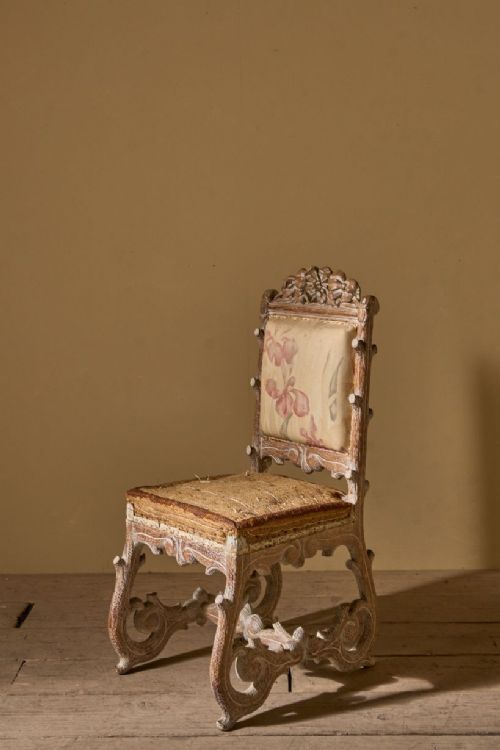
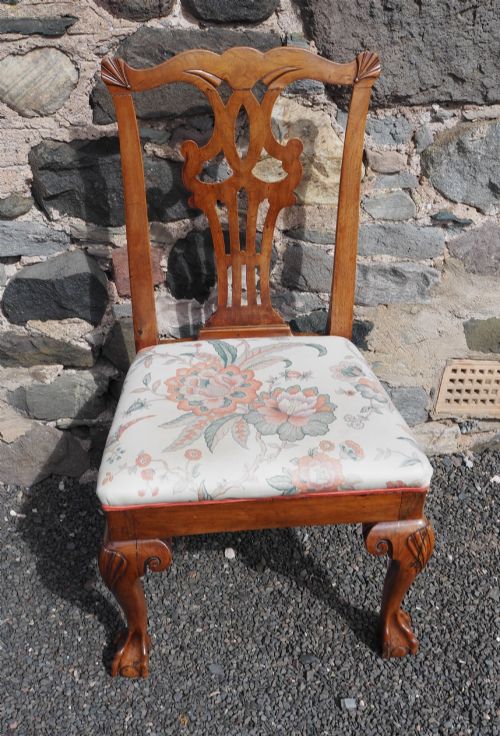
When you search for antique floral dining chairs, you encounter seating constructed across the eighteenth, nineteenth, and early twentieth centuries. The examples here span styles from Georgian and Regency to Victorian and Edwardian, offering various robust timber frames.
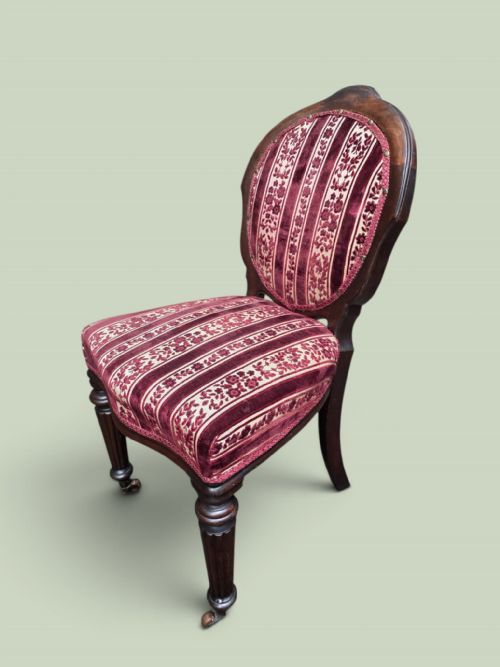
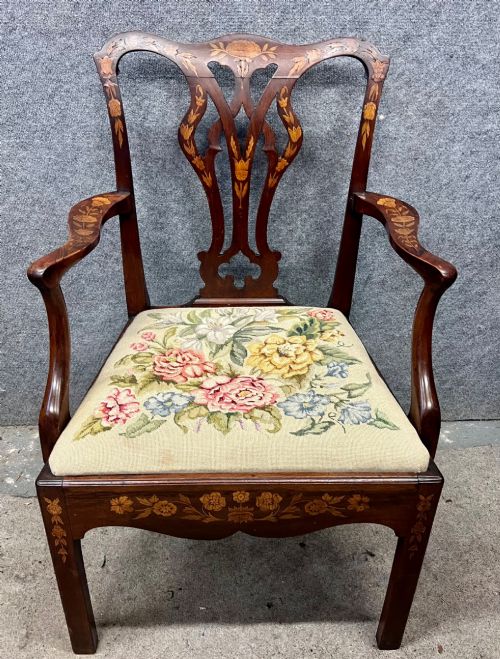
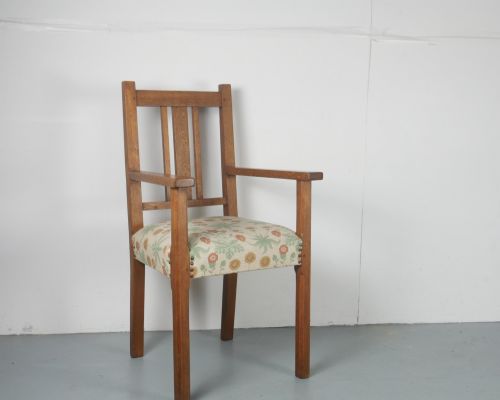
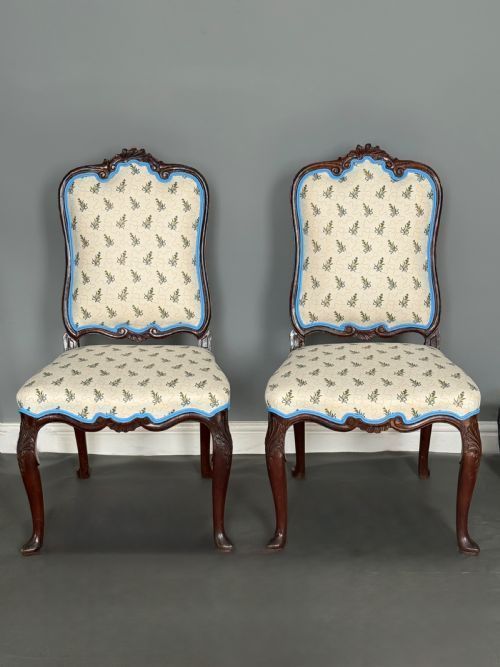
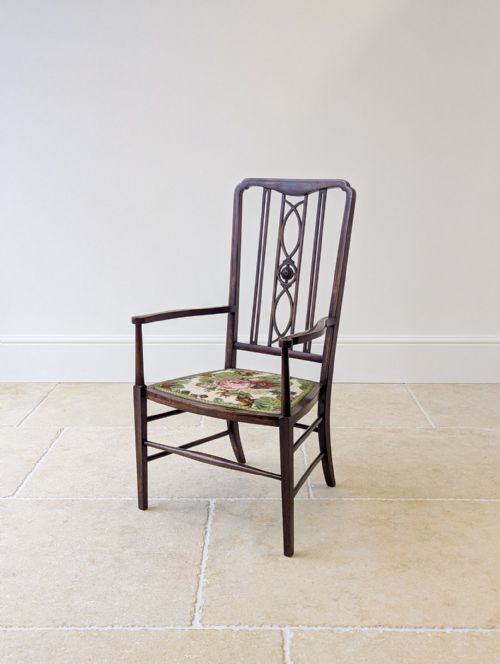
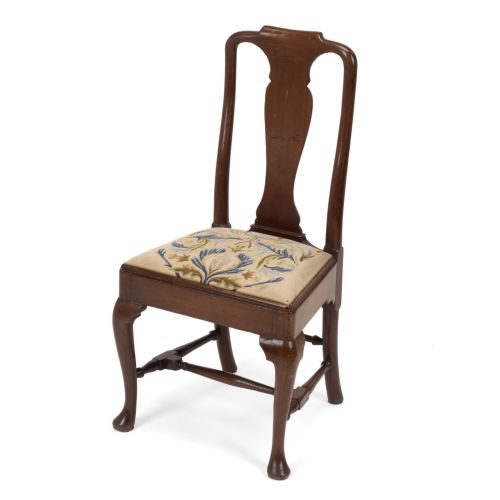
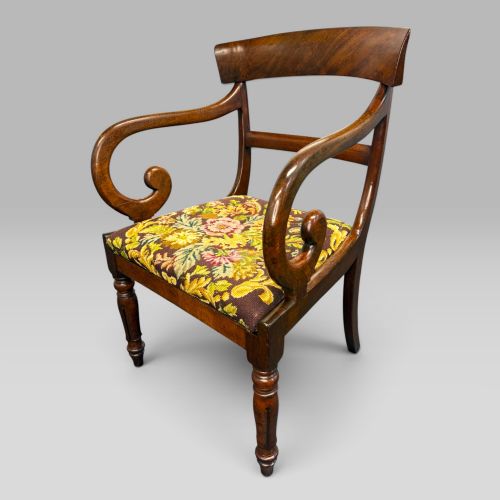
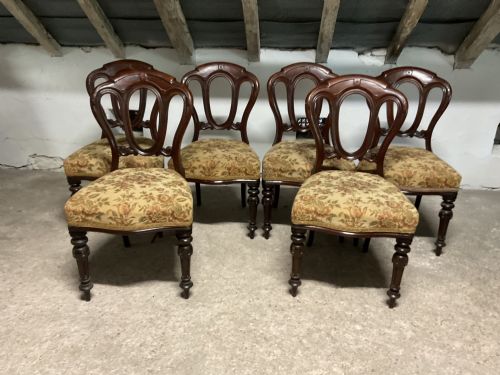
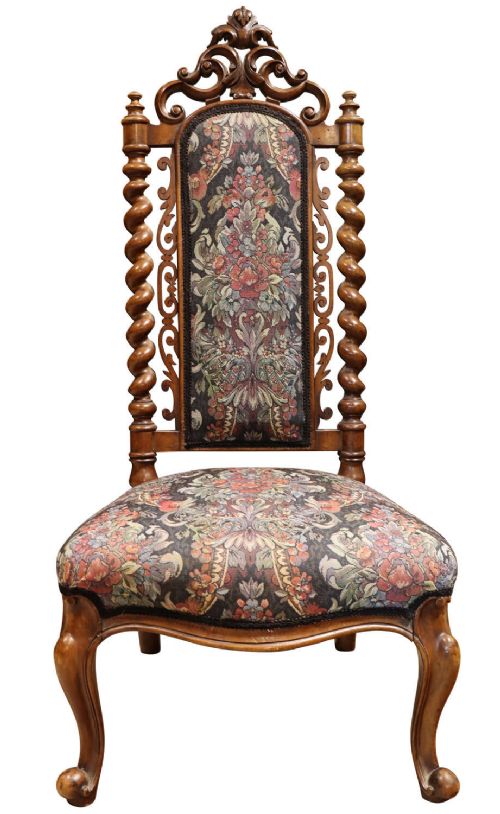
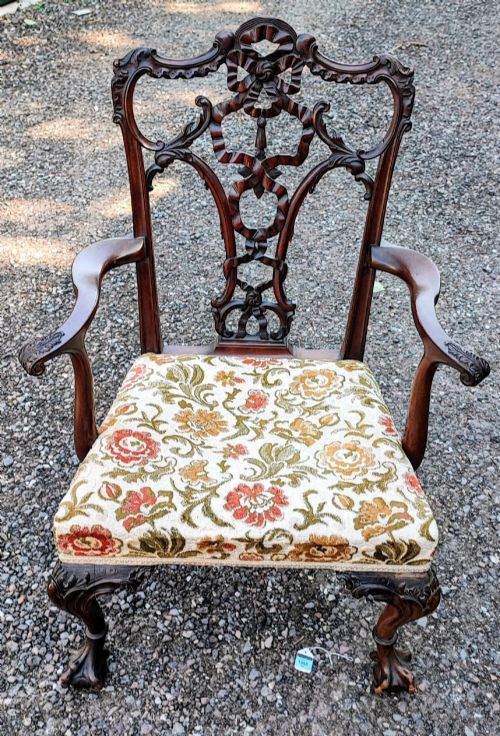
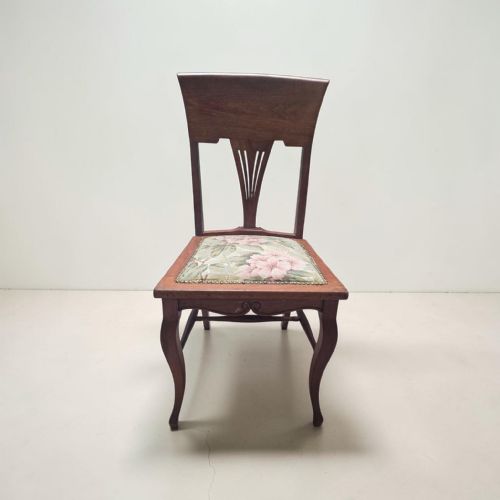
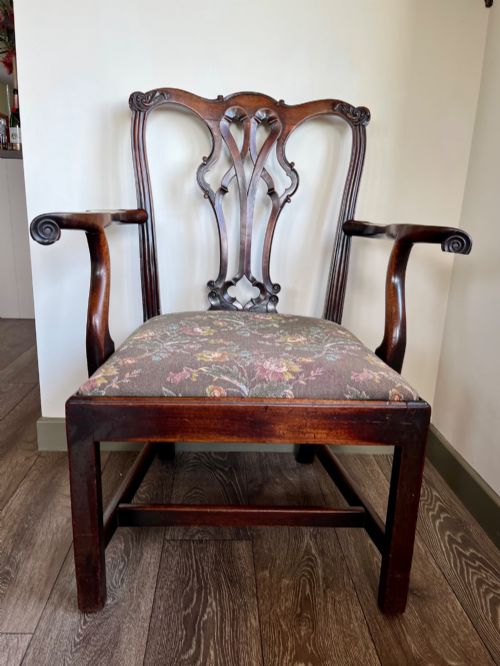
The characteristic floral element appears primarily in the upholstery, ranging from needlepoint and wool work to tapestry fabric and velvet. Side chairs and armchairs dominate the selection, often appearing in sets suitable for a dining table.
How they were made
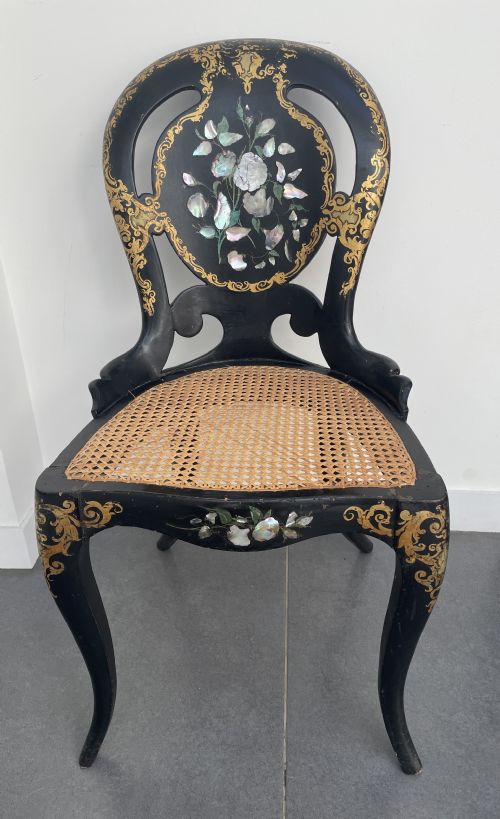
Cabinetmakers built the foundational frames using dense hardwoods such as mahogany, walnut, rosewood, and beech, frequently employing traditional joinery methods. Artisans shaped these timbers into balloon backs, bar backs, and cabriole legs, sometimes incorporating carved details or marquetry inlay.
Upholsters finished the seats and backs using textile materials including wool, cotton, and silk woven into floral patterns, needlepoint, or tapestry designs. Brass tacks or gimpe braid often secured these botanical coverings to the wooden frames.
Antique Floral Dining Chairs Retail Price Guide 2026
Typical asking prices for floral dining chairs among the pieces listed under this phrase on Sellingantiques today, from the lower quarter to the upper quarter. They describe what is for sale here now, not the wider market.
Early Welsh makers carved rural side chairs from local timber long before mass production reached the valleys.
What varies in quality
The integrity of the timber frame and the precision of the cabinetwork establish the foundational standard of each piece. Superior examples display crisp hand-carving, tight joinery, and matching timber grains across an entire set.
The artistry and condition of the floral textile finish also dictate the tier of the chair. Hand-stitched needlepoint or period-correct woven tapestry retains greater visual distinction than machine-woven replacement cloth.
Waring and Gillow·William Morris
The Antique Floral Dining Chairs Glossary
- Carver chair
- An armchair designed to sit at the head of a dining table, featuring supportive armrests.
- Balloon back
- A rounded, oval-shaped wooden chair back popular during the Victorian era.
- Marquetry
- Decorative veneer work arranged in intricate patterns, often depicting floral motifs on walnut or mahogany surfaces.
- Needlepoint
- Stitched yarn embroidery worked on a stiff canvas mesh, frequently utilised for historical chair seat coverings.
- Bar back
- A horizontal curved wooden slat across the upper section of a chair back, typical of the Regency period.
Antique Floral Dining Chairs: Frequently Asked Questions
Are these chairs sturdy enough for daily dining?
Period dining chairs are constructed from solid hardwoods like mahogany and walnut, making them structurally robust for regular use. Traditional joinery ensures they withstand the weight and movement associated with everyday meals.
Buyers should inspect the tightness of the joints and the condition of the frame. Professional tightening can restore stability to older seating without compromising the original timber.
How do I care for the floral upholstery?
Maintenance depends on the specific textile, whether it is wool needlepoint, woven tapestry, or velvet. Regular gentle vacuuming with a low-suction attachment removes surface dust and prevents fibre degradation.
Avoid placing antique textiles in direct sunlight to prevent the floral colours from fading. Professional specialist cleaning is advisable for stubborn marks on period fabric.
Can I mix these chairs with a modern table?
Mixing antique seating with a contemporary table creates a contrasting interior aesthetic that highlights the craftsmanship of the timber frames. The variety of woods, from warm mahogany to rich walnut, pairs well with modern glass, metal, or plain timber surfaces.
Consider the seat height and arm clearance to ensure the chairs slide comfortably beneath the table apron. Scale and proportion remain the primary factors when combining different eras of furniture.
How do I distinguish between Victorian and Regency styles?
Regency chairs often feature clean lines, classical revival motifs, and bar backs or saber legs derived from neoclassical designs. They typically date from the early nineteenth century and utilise dark mahogany with restrained ornamentation.
Victorian pieces tend to be heavier, displaying more elaborate carving, balloon backs, or applied mother of pearl. Walnut and rosewood frequently appear alongside richer floral needlework and tufted upholstery.