

Antique Floral Desk
An antique floral desk brings elaborate marquetry and refined writing surfaces into a room, offering both practical workspace and intricate historical artistry.
Antique Floral Desk
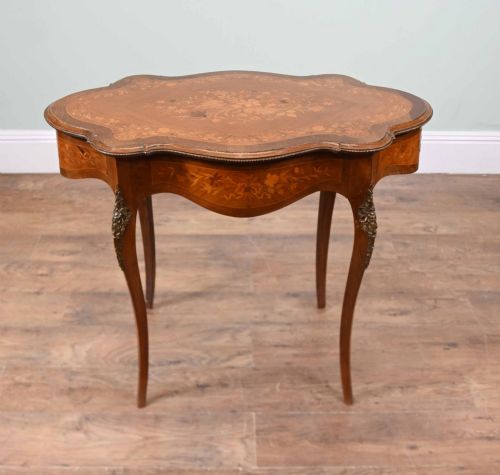
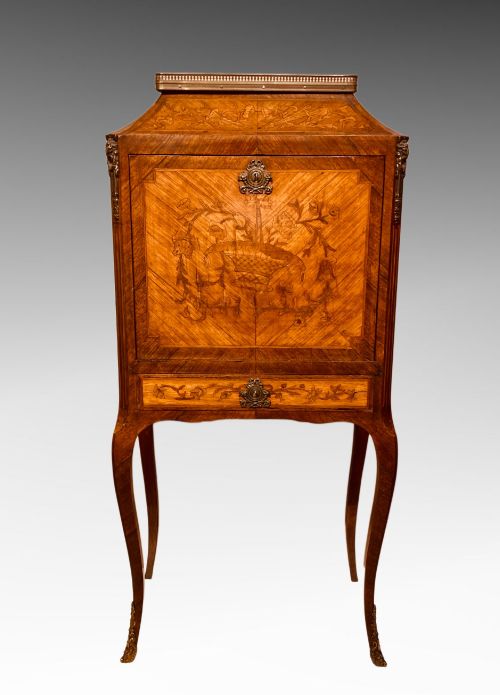
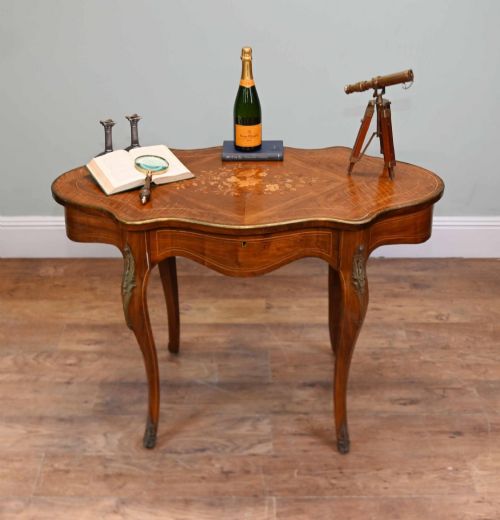
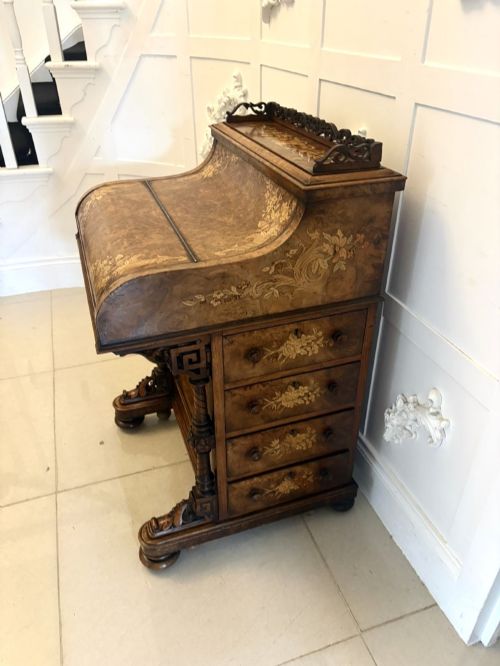
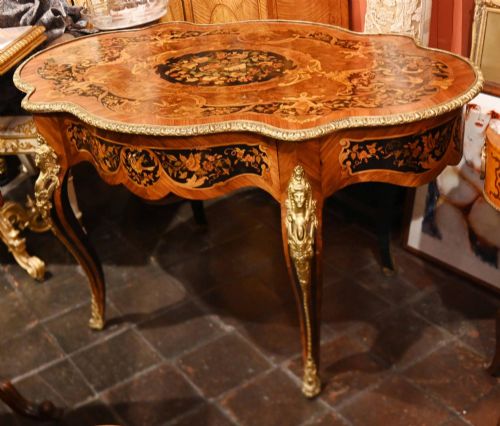
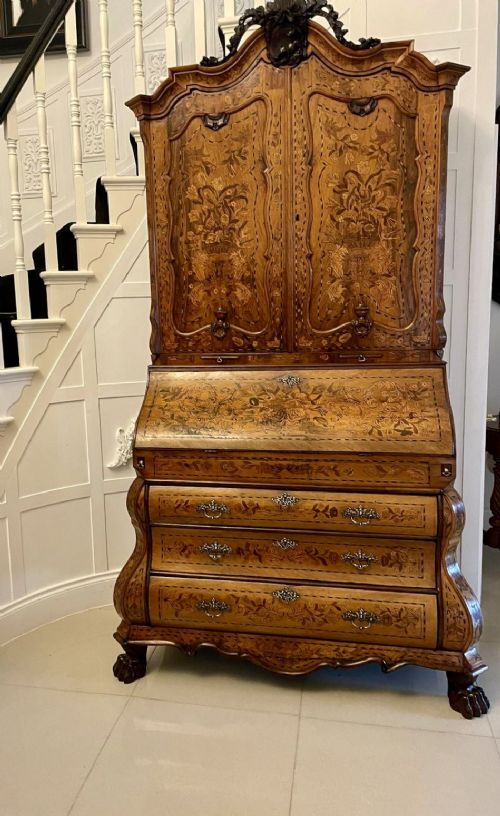
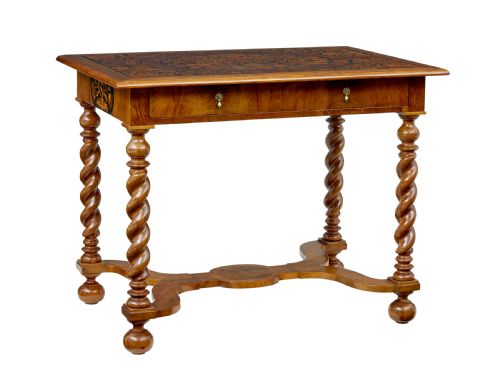
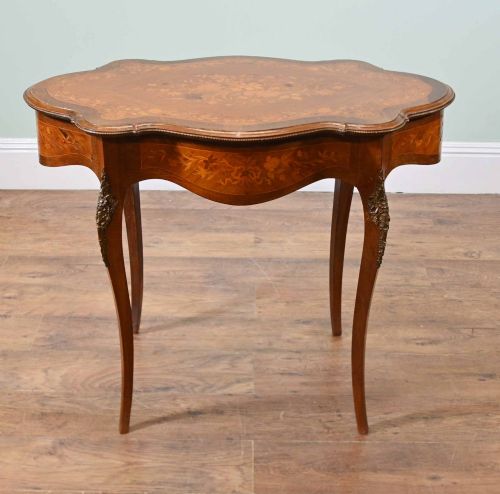
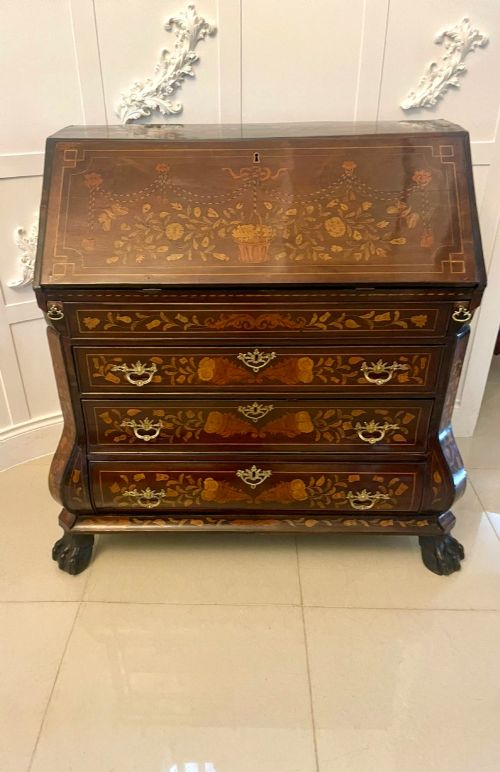
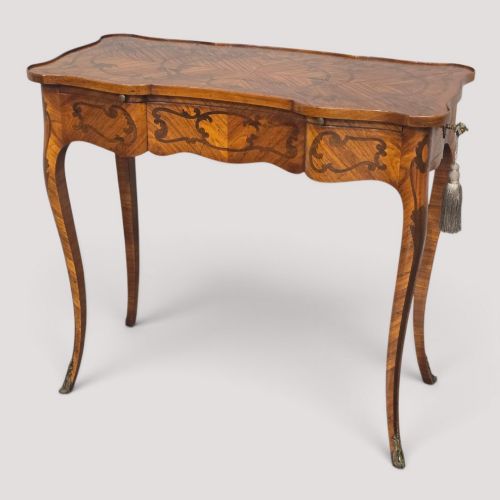
When you search for an antique floral desk, you encounter writing furniture decorated with botanical inlay or painted floral motifs. The selection spans bureau bookcases, cylinder desks, bombe bureaus, and writing tables from the seventeenth century through to the Edwardian period.
Bureau forms predominate, often combining sloped writing flaps with fitted interior drawers and pigeonholes. French Louis XV styles and Dutch baroque or rococo pieces appear frequently, alongside English walnut and mahogany examples.
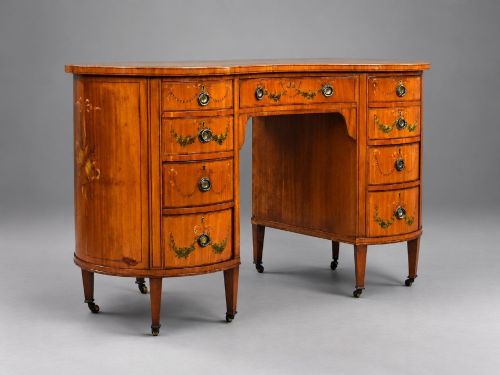
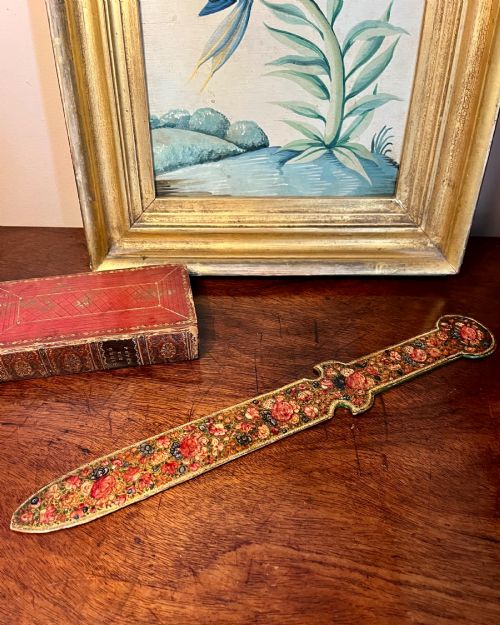
Makers utilised various regional interpretations of floral decoration, ranging from European marquetry in contrasting woods to Kashmiri papier-mâché and painted satinwood. These pieces served as the private writing cabinets and correspondence centres of prosperous households.
Materials and construction
Craftsmen built carcass structures from solid timbers such as walnut, mahogany, and fruitwood, applying veneers to create stable expanses for decoration. Marquetry panels required precise hand-cutting of different wood species, tinted bone, or mother-of-pearl to form floral scrolls and blossoms.
Surface ornamentation relied on intricate inlay work, where contrasting grains and dyed woods depicted naturalistic petals and leaves. Some items received hand-painted floral details directly onto satinwood or lacquer grounds, sealed with traditional polishes to protect the pigments.
Antique Floral Desk Retail Price Guide 2026
Typical asking prices for floral desk among the pieces listed under this phrase on Sellingantiques today, from the lower quarter to the upper quarter. They describe what is for sale here now, not the wider market.
The inventory includes continental European pieces from France and the Netherlands alongside English furniture forms.
Standards of craftsmanship
Quality rests in the precision of the marquetry cut and the botanical accuracy of the floral composition. Superior examples display tightly fitted wood joints with minimal filler, where individual petals show subtle shading achieved through hot sand scorching.
The sophistication of the internal mechanism and drawer construction separates standard items from exceptional ones. Finer desks incorporate secondary timbers of high grade, concealed secret compartments, and fully dovetailed drawer linings that match the exterior standard.
The Antique Floral Desk Glossary
- Marquetry inlay
- A decorative technique where small pieces of veneer are fitted together to form pictorial designs on a wooden background. This method allows artisans to depict complex floral patterns across desk lids and drawer fronts.
- Bombe shaped
- Describes furniture with an outward-curving, bulging front and sides. This swelling silhouette demands advanced cabinetmaking skills to ensure structural stability.
- Bureau bookcase
- A writing cabinet featuring a sloping desk flap above lower drawers, surmounted by an upper shelving section with doors. These combined pieces provided enclosed storage for both correspondence and library volumes.
- Bonheur-du-jour
- A light ladies writing desk featuring a small tiered cabinet or superstructure on top of the main writing surface. The form gained popularity in France during the eighteenth century and continued into later revival periods.
- Satinwood
- A lustrous, fine-grained yellowish wood imported from tropical regions, frequently used for veneering and painting. Its pale surface made an ideal background for delicate floral motifs.
Antique Floral Desk: Frequently Asked Questions
How do I clean an antique floral desk?
Dust surfaces regularly with a soft, dry cloth to prevent particulate buildup in the recessed marquetry lines. Avoid modern liquid polishes containing silicone, which can penetrate aged timber and soften historic finishes.
Apply high-grade beeswax sparingly to nourish the wood and maintain a gentle sheen. Buff the surface thoroughly after application to protect the delicate wood veneers and inlaid floral details.
Can I use an antique desk daily?
These writing surfaces accommodated daily correspondence in their original eras and remain functional for modern use. Care must be taken to protect antique wood from excessive moisture, heat, and direct sunlight.
Place a blotter or leather pad on the writing surface to prevent scratches and ink stains. Ensure that heavy items are not stored on delicate writing flaps unsupported by proper brackets or slides.
How do I date a floral marquetry desk?
Examine the secondary timbers used inside drawer linings and back panels, as these changed across centuries. Walnut construction often points to seventeenth or eighteenth-century work, while mahogany and satinwood frequently indicate Georgian or Edwardian periods.
Look at the style of the floral motifs and the cutting technique of the marquetry. Earlier Dutch and English marquetry often uses walnut and fruitwood with vibrant shading, whereas later revival pieces display different veneer thicknesses and mechanical consistency.