

Antique Floral Bowl
An antique floral bowl brings hand-painted petals and intricate botanical motifs to a room, offering centuries of ceramic and metal craftsmanship for daily display.
Antique Floral Bowl
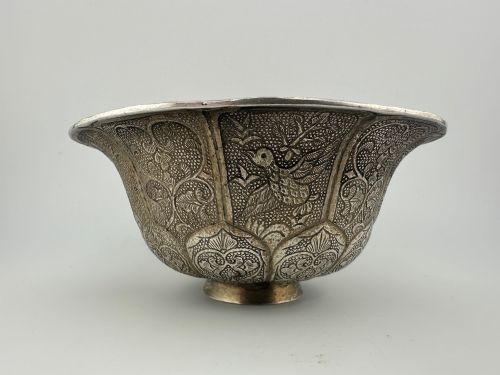
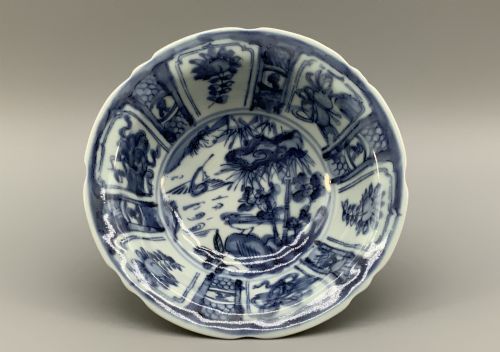
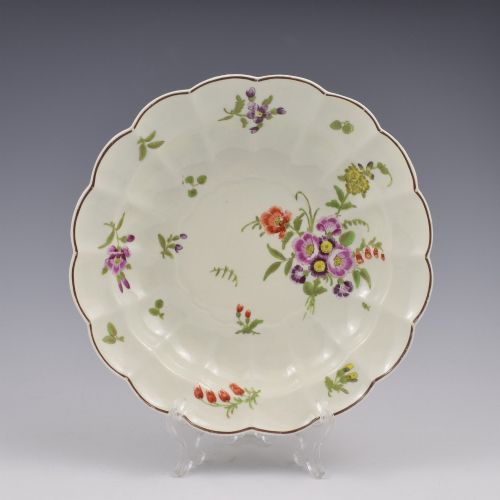
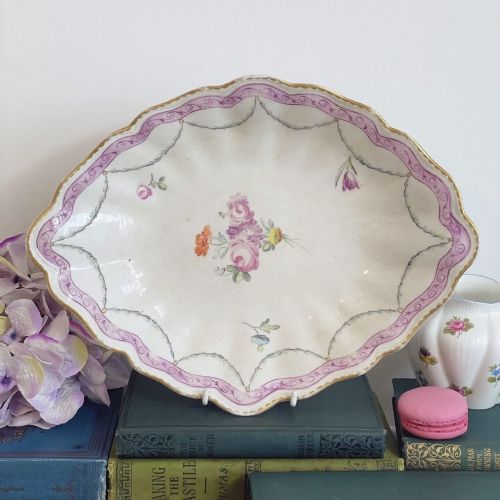
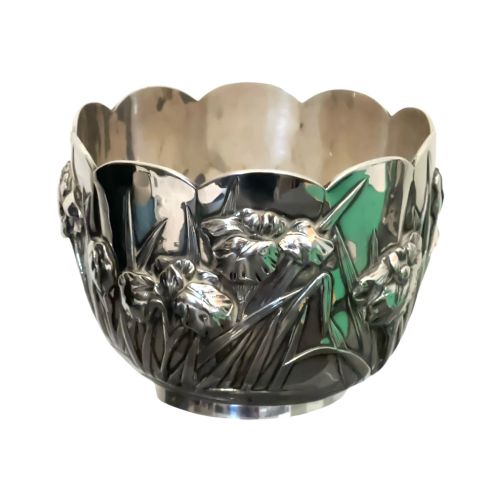
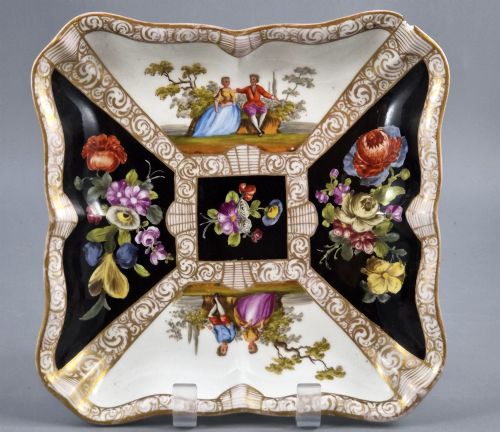
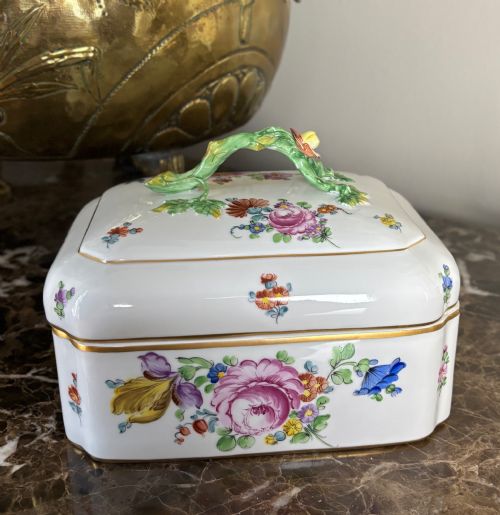
An antique floral bowl encompasses a diverse array of decorative vessels adorned with botanical motifs, painted flowers, and natural foliage. These pieces range from porcelain table vessels and earthenware dishes to solid silver centrepieces and bronze jardinieres created across the eighteenth, nineteenth, and early twentieth centuries.
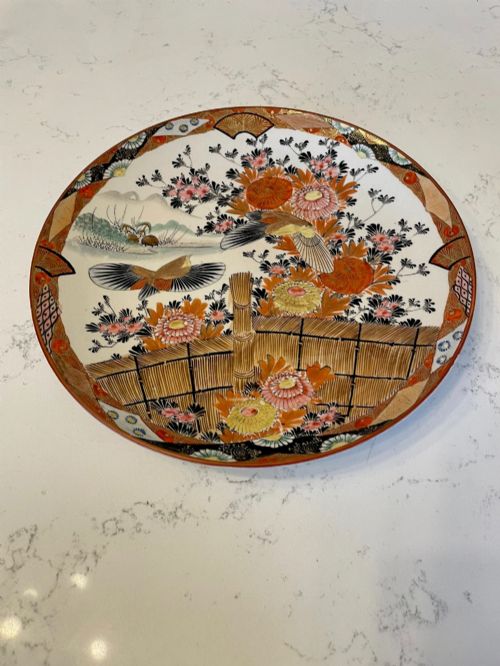
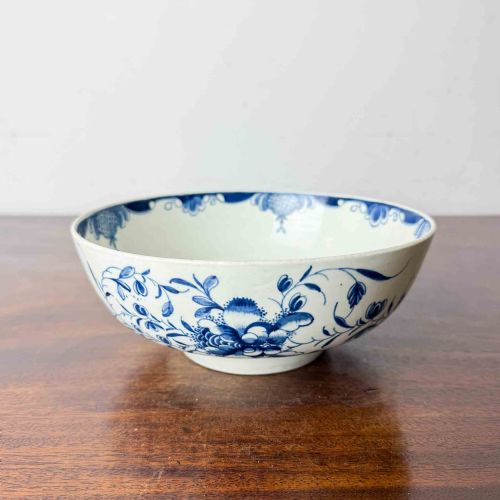
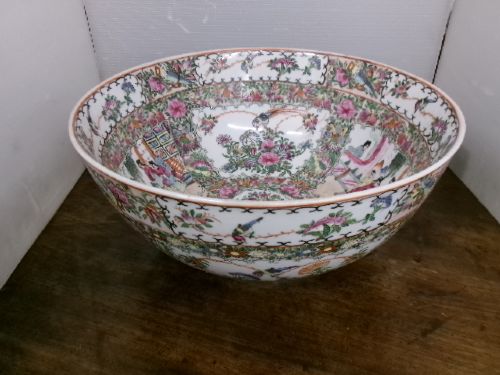
The selections available on this page lean heavily towards porcelain and ceramic forms from English factories, European houses, and East Asian export kilns. Buyers encounter everything from delicate lobed dessert bowls and Imari display pieces to large Canton hand-painted basins and silver repoussé vessels.
Origins span widely across England, continental Europe, Japan, and China, reflecting distinct regional tastes in floral design. Whether searching for a Georgian Worcester junket dish or a Japanese Meiji period bronze jardiniere, each item serves as a tangible record of period artistic styles.
Materials and construction methods
Makers shaped these bowls using traditional ceramic methods, employing hard-paste and soft-paste porcelain, earthenware, and ironstone bodies fired in kilns. Artisans applied cobalt blue underglazes, polychrome enamel paints, and intricate hand-painting directly onto the clay before glazing and refiring.
Metal vessels in the collection utilise sterling silver, silver plate, white metal, and bronze formed through casting, hammering, and detailed repoussé work. Craftsmen embellished these metallic surfaces with chased floral borders, applied gold leaf, and fine gilding to highlight the naturalistic motifs.
Listings feature porcelain, earthenware, ironstone, silver, bronze, and treen across periods from the 1700s through the early 20th century.
Distinctions in quality and execution
Quality separates mass-produced utility wares from pieces that received the undivided attention of master painters and skilled silversmiths. Superior examples display precise, confident brushwork in the floral enamels, crisp definition in moulded edges, and careful finishing without glaze pooling or firing distortions.
The weight of the metal, the depth and clarity of chased repoussé botanical details, and the prestige of the originating workshop or factory heavily influence the standing of each piece. Well-preserved gilding and intact original surfaces signal careful preservation over the centuries.
Derby Porcelain·Worcester Porcelain·Meissen·Doulton Lambeth·Royal Doulton·Royal Vienna·Henry Wilkinson And Co
The Antique Floral Bowl Glossary
- Imari
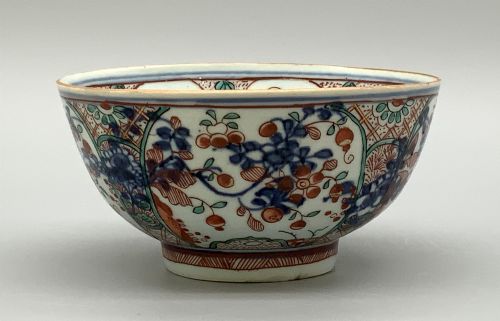
- A style of Japanese export porcelain characterised by a palette of underglaze blue, iron red, and gold. These pieces frequently feature dense panels of flowers and foliage.
- Repoussé
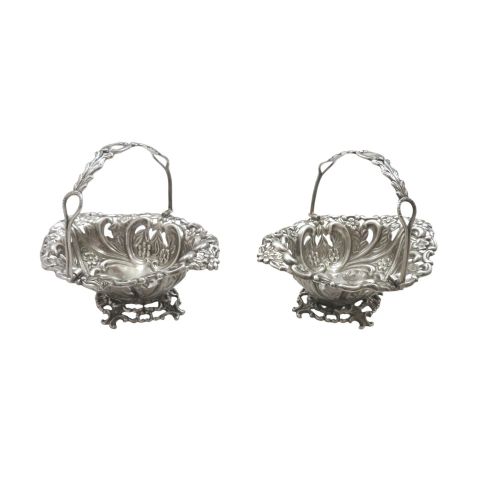
- A metalworking technique where the artisan hammers the design from the reverse side to create a raised floral pattern in relief on the front. This method appears frequently on silver baskets and bowls.
- Jardiniere
- A large decorative pot or ornamental bowl designed to hold plants or flowers. They appear in ceramic, porcelain, and heavy bronze.
- Kangxi
- A significant period of the Qing Dynasty spanning the late seventeenth and early eighteenth centuries, noted for exceptional blue and white porcelain production. Pieces from this era often bear specific reign marks.
- Comport
- A shallow decorative bowl or dish raised on a foot or pedestal, traditionally used for serving fruit or sweets at formal dining tables.
Antique Floral Bowl: Frequently Asked Questions
How do I care for an antique porcelain bowl?
Wash porcelain pieces gently by hand using lukewarm water and mild soap, avoiding harsh scrubbing or dishwashers that can damage old glazes and hand-painted enamels.
Dry them carefully with a soft cloth and display them away from direct, prolonged sunlight to preserve the vibrant tones of the floral pigments.
Were these bowls used for food or display?
Many ceramic and porcelain bowls served practical dining functions, holding fruit, desserts, punch, or sauces during formal Georgian and Victorian meals. Others functioned strictly as decorative cabinet pieces, jardiniere planters, or centrepieces designed to enhance interior tables.
How can I tell an 18th century bowl from a 19th century one?
Examine the foot rim, glaze texture, and painting style closely, as eighteenth-century ceramics often feature softer paste bodies and hand-mixed pigments unique to early factory methods. Nineteenth-century pieces frequently display sharper transfer-printing elements alongside hand-painted highlights or heavier industrial ironstone construction.
Maker marks, factory stamps, and stylistic cues like Rococo Revival curves or Meiji period motifs provide further chronological anchors for dating.
What is the difference between Chinese export and European floral bowls?
Chinese export bowls were produced in kilns specifically to satisfy Western trade demands, often combining traditional Asian forms and porcelain bodies with floral designs tailored for European drawing rooms. European factories like Meissen, Worcester, and Derby developed their own distinct interpretations inspired by these imports.
Export pieces frequently showcase Canton or famille rose enamelling, while European equivalents utilise local clay bodies and period-specific painting styles.