

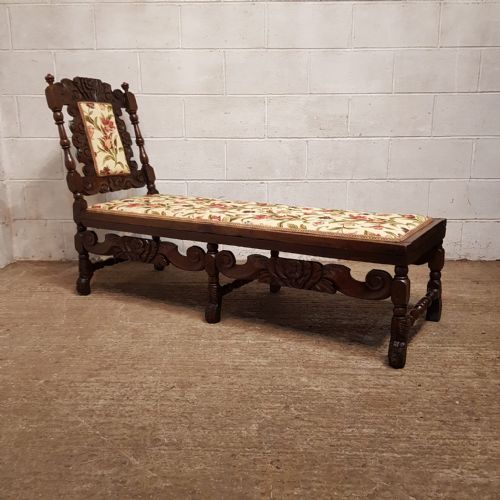


Antique Floral Bed
An antique floral bed brings botanical ornament and historic woodwork into a bedroom, offering distinct period character through painted panels or embroidered textiles.
Antique Floral Bed
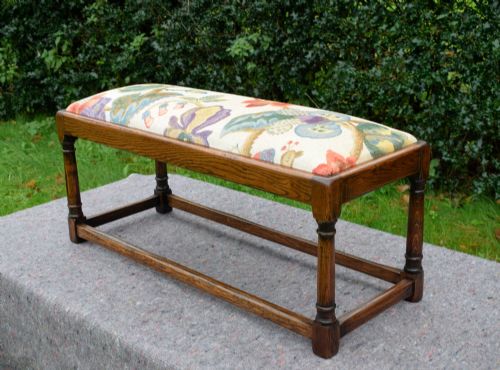
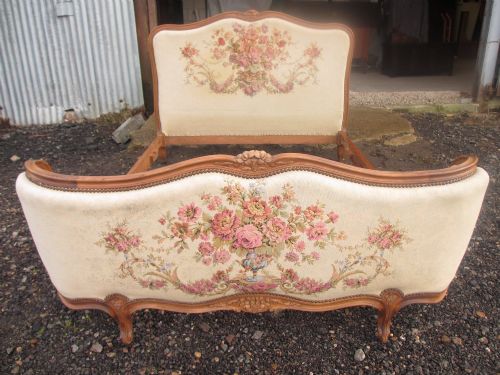
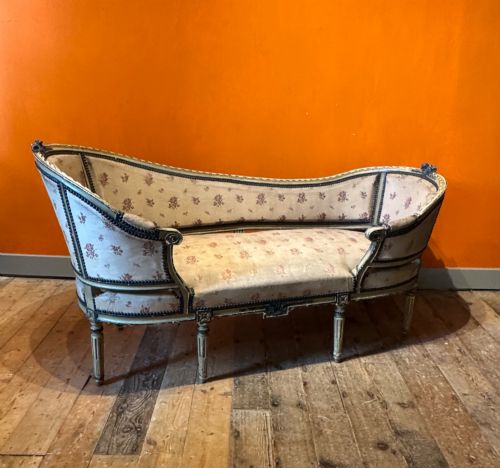
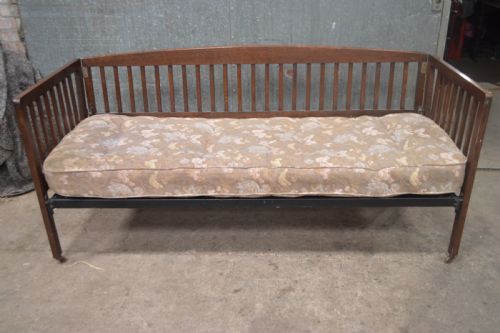
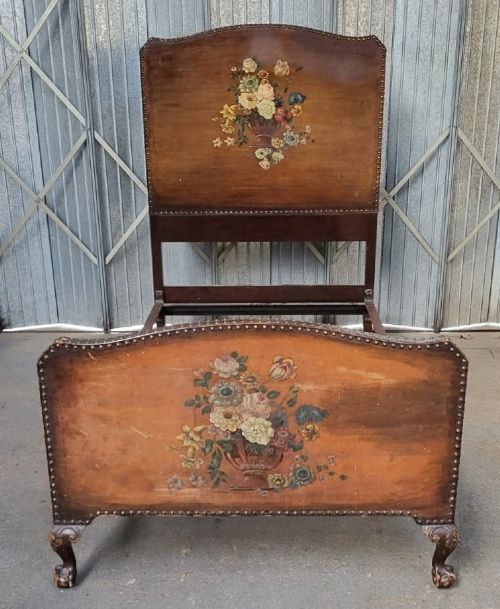
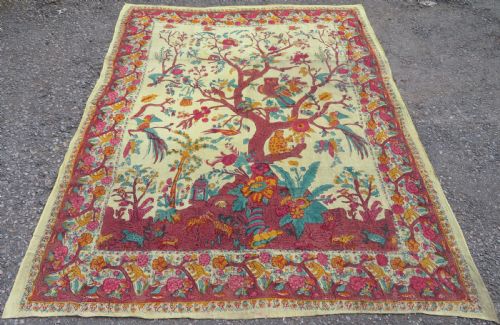
An antique floral bed encompasses wooden bedsteads, day beds, and embroidered textile covers featuring botanical motifs produced across the nineteenth and early twentieth centuries. These pieces draw on Victorian, Art Nouveau, and Louis XVI revival styles, incorporating hand-painted floral panels or Central Asian needlework into domestic sleeping quarters.
The selection on this page centres primarily on European wooden bed frames alongside embroidered Suzani textiles and day beds from the nineteenth century and the Edwardian era. Walnut, oak, and rosewood serve as the main structural supports for these frames, while silk and cotton form the ground fabrics for related wall hangings and bed covers.
Makers and workshops across England, France, and Central Asia contributed to this group, ranging from large retail furnishers like Harrods to traditional nomadic embroiderers. Buyers select these items to anchor a room with distinct historical craftsmanship rather than standard modern mass-produced furniture.
Materials and construction methods
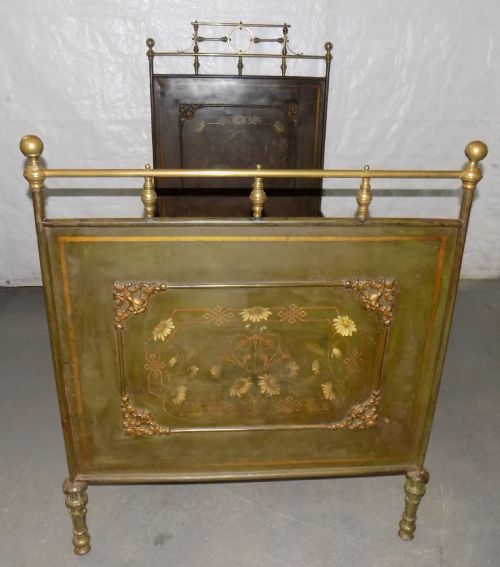
Cabinet makers utilised solid hardwoods such as walnut, oak, and rosewood to construct the structural bed frames, often applying marquetry or carved details to the headboards and footboards. Brass, nickel plating, and toleware also appear as primary framing materials, providing contrasting metallic finishes to the timber.
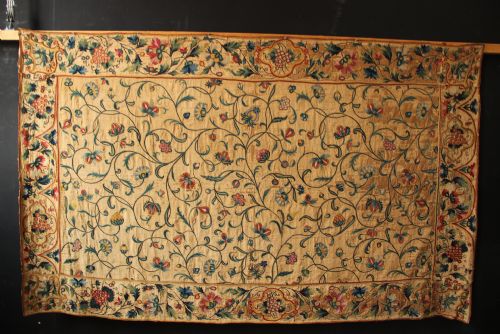
Painted decorative elements rely on hand-applied pigments directly onto wood or leather panels, specifically depicting floral sprays and botanical arrangements in the French and Dutch revival styles. Textile pieces employ silk and cotton embroidery threads worked into linen or cotton grounds, visible in Central Asian Suzanis and English crewelwork.
Antique Floral Bed Retail Price Guide 2026
Typical asking prices for floral bed among the pieces listed under this phrase on Sellingantiques today, from the lower quarter to the upper quarter. They describe what is for sale here now, not the wider market.
Listings feature walnut, oak, rosewood, brass, and painted leather spanning the nineteenth century through to the Edwardian period.
Distinctions in craftsmanship
The grade of an antique floral bed depends on the execution of the hand-painted botanical panels and the precision of the timber carving. Superior examples display crisp joinery and finely detailed brushwork that retains its original pigment without excessive later repainting.
In textile-based pieces, the density of the silk embroidery stitches and the complexity of the floral layout determine the quality. Tightly worked needlework on early cotton or linen grounds indicates a higher standard of production than sparse, hurried stitching.
H. Goodall & Sons·Louis Majorelle·Gillows·Harrods
The Antique Floral Bed Glossary
- Suzani
- A type of embroidered silk or cotton tribal hanging or cover from Central Asia, typically featuring bold floral motifs on a neutral ground.
- Day bed
- A multifunctional piece of furniture used for both seating and reclining, combining elements of a sofa and a bed.
- Toleware
- Enamelled or japanned metalware produced in various European workshops, frequently decorated with painted floral designs.
- Marquetry
- The art of applying pieces of veneer to a structure to form decorative patterns, such as floral motifs on wood surfaces.
- Crewelwork
- A type of embroidery using wool yarn on a heavy linen or cotton fabric, often seen in early English decorative panels.
Antique Floral Bed: Frequently Asked Questions
What defines an antique floral bed?
An antique floral bed is a historic sleeping platform, day bed, or associated textile cover featuring painted botanical designs or embroidered flower motifs. These pieces typically date from the nineteenth or early twentieth centuries and reflect prevailing revival styles of their respective decades.
Buyers encounter solid wood frames with painted leather panels alongside silk-embroidered Suzani covers from Central Asia. Each item integrates floral ornamentation into functional domestic furniture and textiles.
How do I care for painted wooden beds?
Maintaining painted wooden furniture requires stable room temperatures and protection from direct sunlight to preserve the original pigments and timber surfaces. Dusting with a dry, soft cloth prevents particulate buildup without introducing damaging moisture.
Harsh chemical cleaning agents should be avoided entirely to protect historic varnishes and hand-painted floral panels. Gentle care ensures the original finish remains stable over decades of daily use.
Where were these pieces made?
The items originate from various European workshops in England, France, and Austria, alongside traditional nomadic production centres in Uzbekistan. Each region utilised distinct regional timbers and local craft traditions to construct frames and textiles.
European makers focused on carved walnut and painted toleware, while Central Asian artisans produced fine silk embroidery. This geographical diversity provides a wide range of aesthetic approaches within the same category.
How do I identify the period?
Dating relies on the stylistic markers of the wood carving, the construction techniques of the frame, and the materials used in any upholstery. Victorian and Edwardian pieces often display specific revival characteristics like Louis XVI or Dutch styles.
Examining the underlying timber, fixings, and textile dyes offers further clues to the manufacturing era. Comparing these details against documented examples helps confirm whether a piece belongs to the nineteenth or twentieth century.