



Antique Floral Accessory
An antique floral accessory brings botanical detail to everyday desk and hearth tasks through hand-painted enamel, cast metal and carved papier-mâché.
Antique Floral Accessory
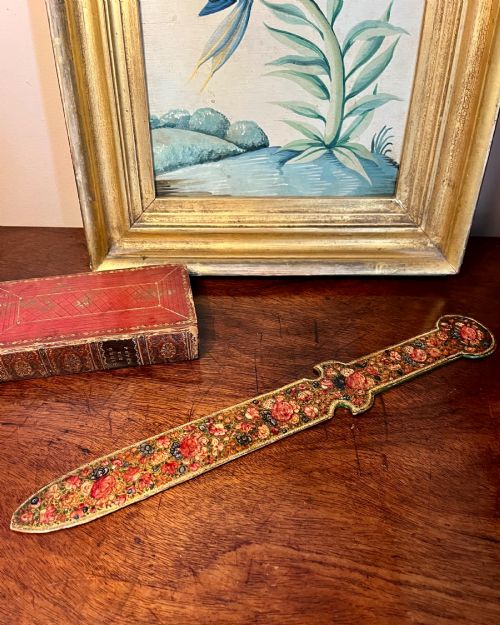
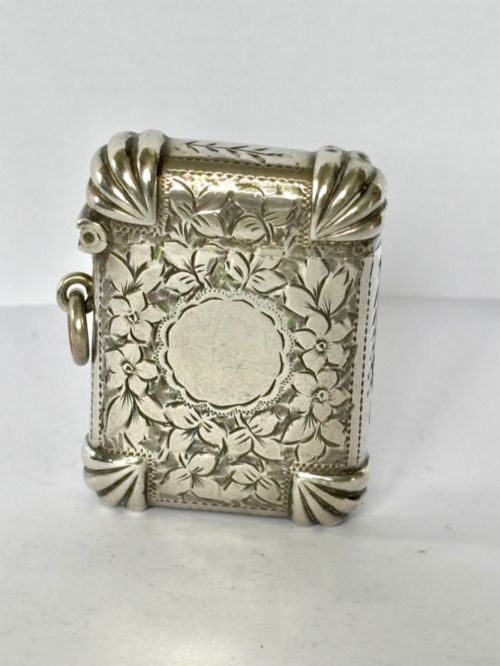
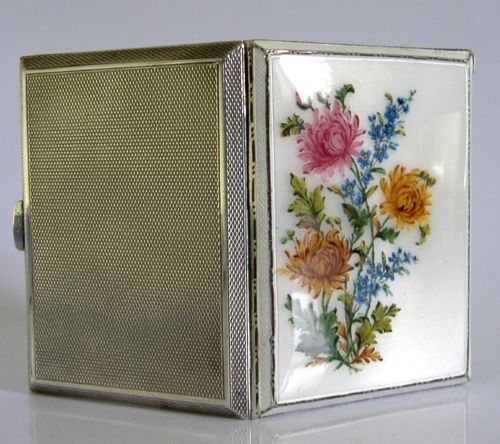
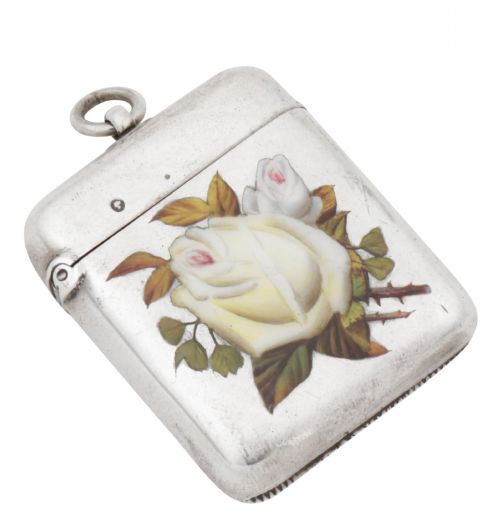
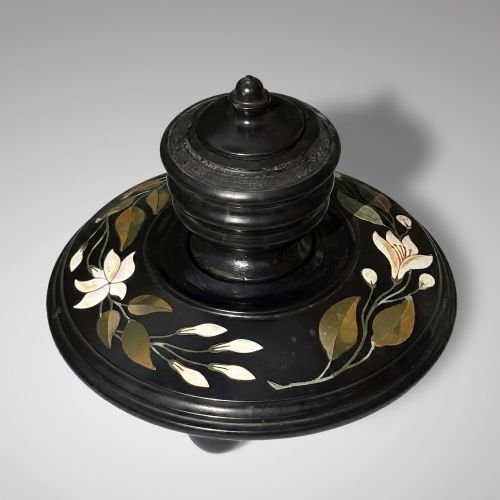
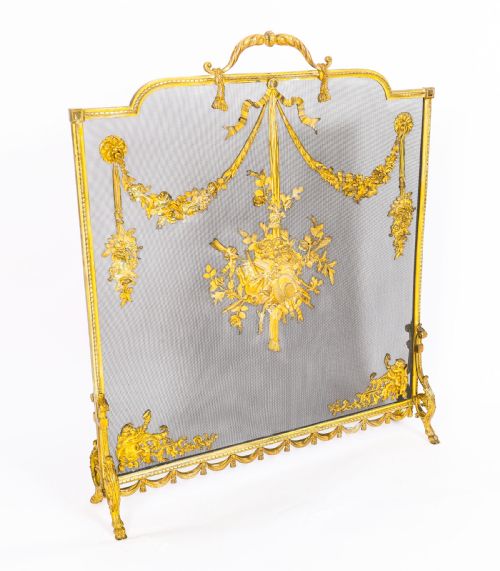
An antique floral accessory spans utilitarian desk equipment and fireside furnishings decorated with plant motifs, petals and leaves. Buyers seek these items for their blend of domestic utility and decorative botanical craft. The selection met most frequently on this page includes sterling silver vesta cases, enamel cigarette holders, and painted papier-mâché letter openers or desk sets from the nineteenth and early twentieth centuries.
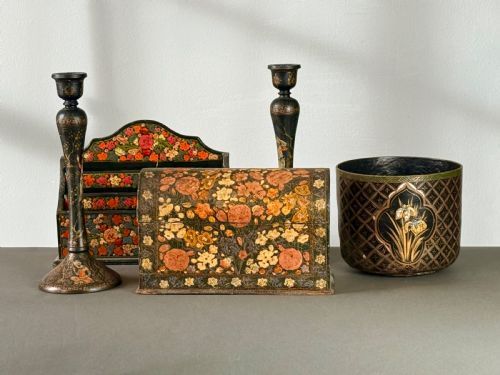
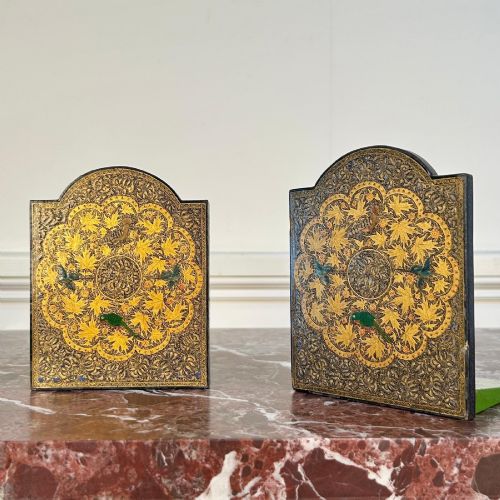
The assortment reaches from Victorian silver napkin rings and inkwells to Kashmiri bookends and lacquered letter racks. Floral decoration manifests as hand-painted chrysanthemums, roses, and guilloche enamel medallions. Forms serve practical functions in the study, drawing room or fireside, uniting everyday utility with ornamental design.
Materials and construction
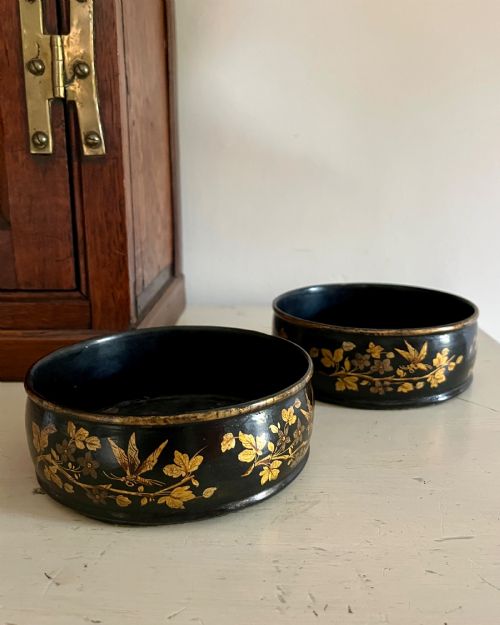
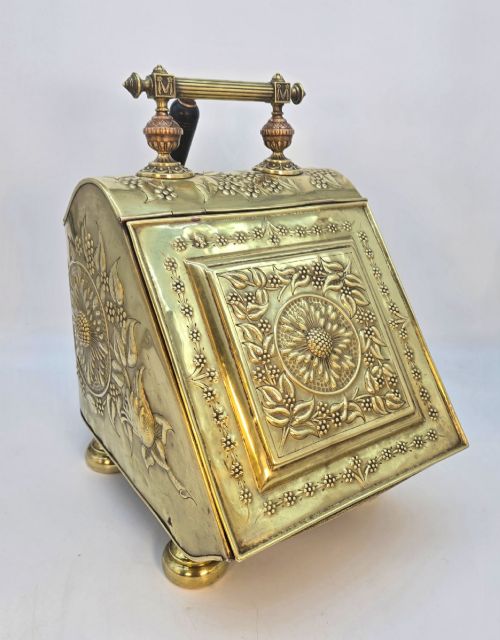
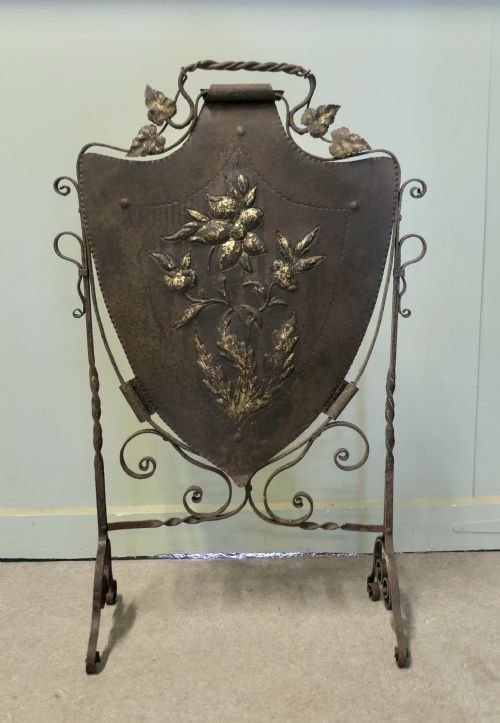
Makers utilised sterling silver, brass, cast iron, and wood alongside papier-mâché and lacquer to form the structural bodies of these items. Metals undergo casting, piercing, and polishing, visible in pieces like brass fireplace fenders and silver cotton holders with scrollwork. Papier-mâché items receive layered finishes of black lacquer and gilded decoration.
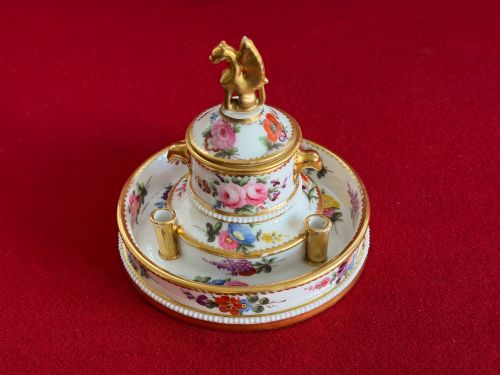
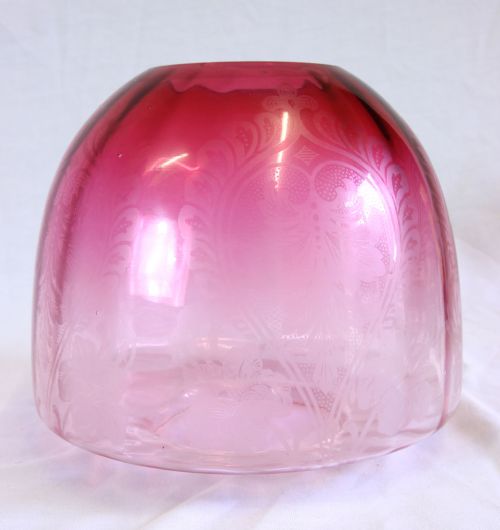
Surface ornamentation relies on hand-painting, guilloche enamel, and ceramic firing. Artisans apply painted floral scenes onto metal vesta cases, enamel cigarette boxes, and porcelain inkstands. Glass pieces incorporate moulded or tinted elements, while textile works integrate silk.
Antique Floral Accessory Retail Price Guide 2026
Typical asking prices for floral accessory among the pieces listed under this phrase on Sellingantiques today, from the lower quarter to the upper quarter. They describe what is for sale here now, not the wider market.
Listings feature sterling silver, papier-mâché, brass, and porcelain across Victorian, Edwardian, and Art Deco periods.
Evaluating the craftsmanship
Quality rests in the crispness of the physical execution and the fineness of the botanical painting. Superior examples exhibit precise hand-painted floral details without blurring, alongside clean piercing or casting in silver and brass. Inferior pieces display worn surfaces, muddy enamel work, or repetitive stamped patterns lacking individual hand-finishing.
The integrity of the structural materials dictates longevity and tactile appeal. Solid silver items with well-preserved guilloche enamel outclass plated wares suffering from base metal exposure. Similarly, finely carved teak or intact papier-mâché with unchipped lacquer sits above mass-produced substitutes.
EV PLEDGE AND SON·WILLIAM NEALE
The Antique Floral Accessory Glossary
- Vesta case
- A small pocket container used to hold matches. These often feature hinged lids and engraved or enamelled floral decoration.
- Guilloche enamel
- A decorative technique where translucent enamel covers a base metal engraved with precise geometric patterns. This method adds depth beneath floral medallions.
- Papier-mâché
- A composite material made from paper pulp or reinforced sheets mixed with glue, then moulded and lacquered. It provides a lightweight yet durable base for desk accessories.
- Inkwell
- A small jar or reservoir for liquid ink, typically fitted to a desk stand. Materials range from glass and porcelain to marble and silver.
- Toleware
- Painted or lacquered metalware, commonly tin, finished with decorative floral motifs. It frequently appears in stands and domestic accessories.
Antique Floral Accessory: Frequently Asked Questions
What materials are common in floral accessories?
These pieces utilise sterling silver, brass, cast iron, glass, porcelain, and papier-mâché. Metal items frequently incorporate painted enamel or gilding.
Wooden and lacquered objects also appear, showcasing hand-painted botanical motifs and carved details.
How do I identify a Victorian piece?
Victorian items often carry hallmarks, manufacturer stamps, or style indicators associated with the nineteenth century. Silver pieces frequently display town marks and date letters.
Decorative cues include Gothic Revival influences, heavy cast brass, and detailed hand-painted floral enamels.
Where were these accessories used?
Items such as inkwells, letter openers, and vesta cases served personal and desk organisation needs in studies and drawing rooms. Fire screens, coal scuttles, and fenders furnished the hearth.
Portable accessories like cigarette cases and napkin rings accompanied the user through daily domestic life.
How should I clean antique enamel and silver?
Enamel surfaces require gentle wiping with a soft, damp cloth to preserve delicate painted floral details. Harsh chemical cleaners damage the glass paste.
Silver components benefit from occasional polishing with a specialised cloth, avoiding abrasive pastes that wear away engravings or thin plating.