


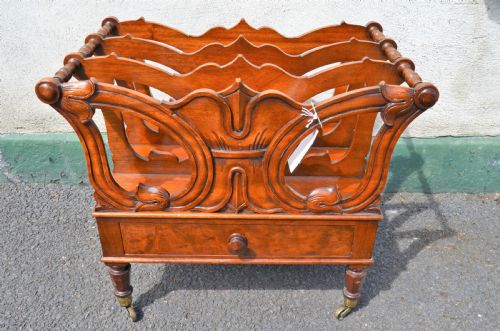
Antique Floor Music Stand
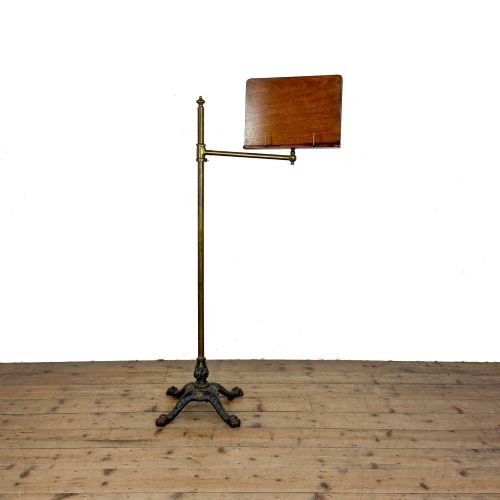
These antique floor music stand pieces combine utility with decorative presence, offering adjustable heights and pivoting desks to hold scores or folios.
Antique Floor Music Stand
An antique floor music stand provides a dedicated, adjustable surface for supporting sheet music or books at a comfortable height while playing or reading. The examples on this page span the nineteenth and early twentieth centuries, encompassing Victorian, Edwardian, and interwar periods.
Beyond standard music stands, the listings show related forms including reading stands, adjustable lecterns, portfolio stands, and combined music stand tables. These items serve similar domestic functions in parlours and music rooms.
Materials represented range from traditional hardwoods such as mahogany and oak to brass, cast iron, bamboo, and ebonised finishes. Stylistic influences span from William IV and Regency precedents through to Black Forest carving and Ecclesiastical designs.
How they were made
Cabinet makers utilised dense hardwoods like Cuban mahogany and oak for structural stability, employing turned columns and carved details such as those seen in Black Forest pieces. Softer woods like pine appear in supporting elements.
Metal components, particularly brass and cast iron, provide the mechanical strength needed for adjustable reading desks and revolving frameworks. Ebonisation techniques offered an alternative aesthetic, imitating rarer ebony timbers through stained finishes.
Some stands double as magazine racks, proving that Victorians loved multitasking furniture just as much as we do.
What varies in quality
Quality rests in the precision of the adjustable mechanism and the stability of the central column and base. Stands with smooth, reliable height adjustment and firm locking actions demonstrate superior engineering.
The choice of timber grain and the crispness of hand-carved ornamentation distinguish finer workshop production from simpler utility pieces. Timber selection, such as figured mahogany or detailed oak carving, elevates the piece.
U Phone of Leeds·Lochmanns·Harrods
The Antique Floor Music Stand Glossary
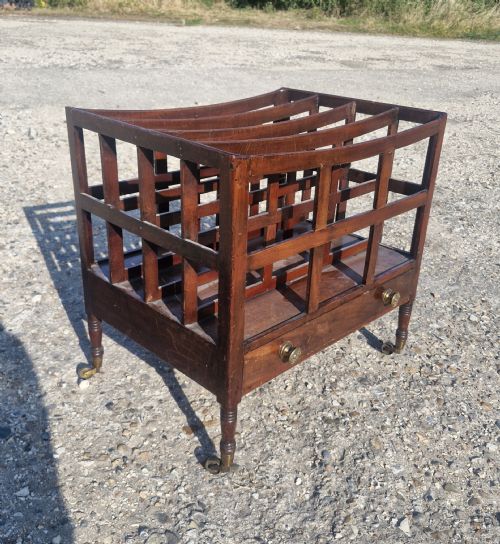
- Canterbury
- A low stand featuring partitions, originally designed to hold sheet music or folios. Many examples incorporate a small drawer or carry handles.
- Lectern
- A slanted reading desk designed to support books or papers for a standing speaker or musician. These often feature adjustable heights and book ledges.
- Ebonised
- Wood finished with a black stain or paint to imitate ebony. This treatment was popular during the Victorian period for decorative furniture.
- Portfolio stand
- A specialised stand configured to hold large flat works, prints, or musical scores securely. They often feature hinged frames or trough bases.
Antique Floor Music Stand: Frequently Asked Questions
How do I adjust the height?
Many stands utilise a sliding brass or wooden stem secured by a thumbscrew or clutch mechanism. Others employ a simpler pin and hole system.
Care should be taken when releasing the mechanism to support the weight of the desk above.
Were these made for home use?
These pieces were designed primarily for domestic parlours, music rooms, and libraries. They accommodated sheet music for piano players or reading material for household members.
Institutional examples such as lecterns also served in churches and schoolrooms.
How do I date an adjustable stand?
Dating relies on timber selection, fastening types, and stylistic motifs corresponding to periods like the Victorian or Edwardian eras. Mahogany and rosewood are common in earlier pieces, while oak and ebonised finishes span into the twentieth century.
Patent marks or maker signatures can occasionally provide a precise decade.
Can these hold heavy modern books?
Most stands are structurally capable of supporting substantial volumes, provided the adjusting mechanism locks securely. The stability depends largely on the weight and spread of the base feet.
Heavy folios or large scores fit comfortably on reading ledges designed for music books.