



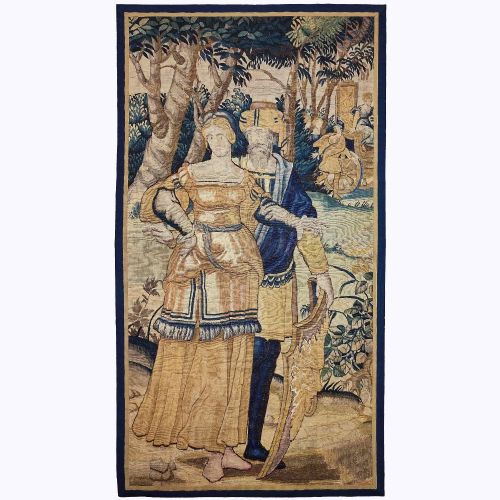


Antique Flemish Artwork
Antique flemish artwork brings centuries of European painting and tapestry into modern interiors.
Antique Flemish Artwork
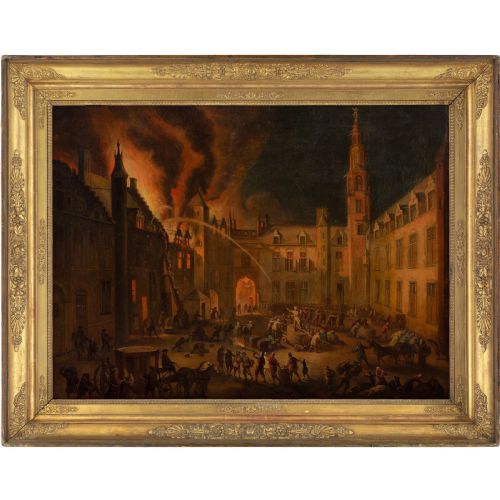
When you search for antique flemish artwork, you encounter oil paintings, oil portraits, panel paintings, and tapestry panels spanning multiple centuries. The selection on this page ranges from sixteenth-century panels and seventeenth-century genre scenes to nineteenth-century interpretations and later still lifes.
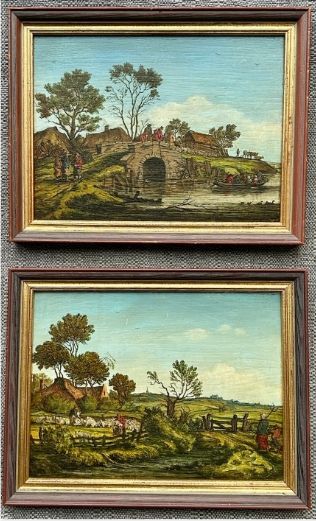
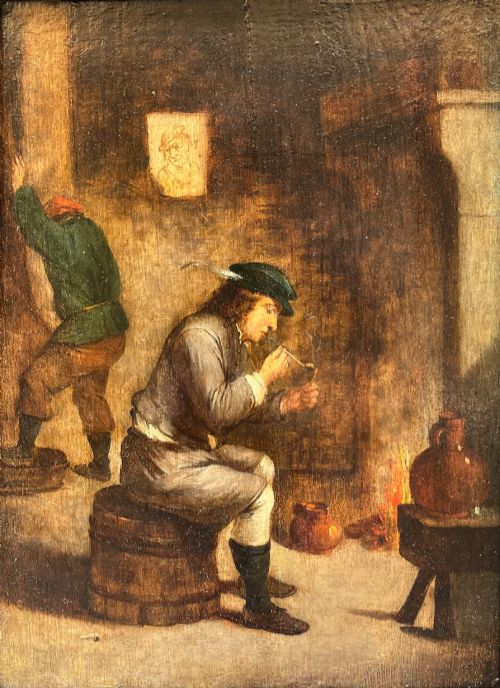
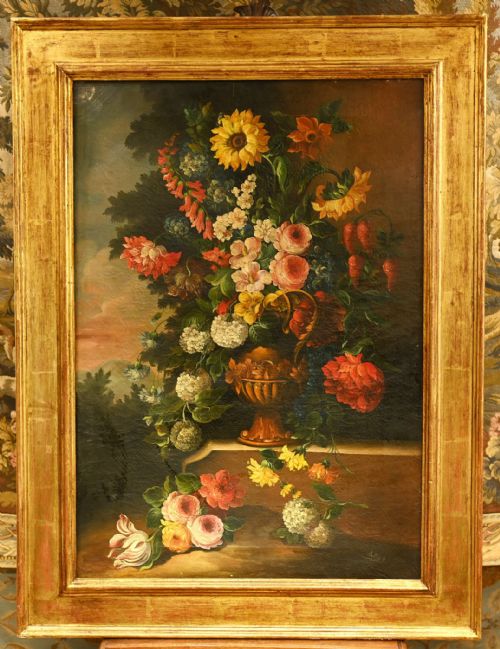
The dominant forms are oil paintings on canvas and wood panel, depicting landscapes, village festivities, tavern interiors, floral still lifes, and allegorical subjects. These pieces reflect the rich traditions of the Northern Renaissance, Flemish Baroque, and later regional schools.
Buyers most frequently meet seventeenth-century compositions and nineteenth-century works executed in historical styles. Portraits of figures, animal paintings, and detailed landscapes form the core of the available pieces.
Materials and construction
The physical works rely primarily on oil paint applied to prepared canvas or solid wood panels, occasionally accompanied by textile elements such as tapestry panels. Artists built compositions using layered pigments that allowed for deep tones, fine glazes, and intricate details in clothing, foliage, and architectural settings.
Giltwood frames often house these paintings, providing decorative borders that complement the dark palettes and golden highlights typical of old master works. Wood panels required careful seasoning to prevent warping over centuries, while canvases relied on sturdy stretchers and traditional priming methods.
Antique Flemish Artwork Retail Price Guide 2026
Typical asking prices for flemish artwork among the pieces listed under this phrase on Sellingantiques today, from the lower quarter to the upper quarter. They describe what is for sale here now, not the wider market.
Listings feature canvas, wood panel, and giltwood materials across the seventeenth, eighteenth, and nineteenth centuries.
Judgments of quality
Quality rests upon the handling of light, shadow, and anatomical precision within the painted figures or natural subjects. Works by recognised masters, studio circles, or skilled followers display superior brushwork and compositional balance compared to later decorative copies.
Condition plays a vital role, distinguishing works with intact original surfaces and minimal overpainting from those heavily restored. The clarity of detail in complex scenes, such as village fetes or crowded tavern interiors, separates exceptional pieces from simpler compositions.
Félix Vanden Eycken·David Teniers The Younger·Frans Snyders·Peter Paul Rubens·Frans Pourbus the Elder
The Antique Flemish Artwork Glossary
- Oil painting
- A work of art created using pigments bound with a medium of drying oil, typically applied to canvas or wood panel. This technique allowed artists to achieve remarkable depth and luminous colour variations.
- Wood panel
- A solid wooden support used for painting before canvas became dominant, frequently utilised by early Flemish and Northern Renaissance artists. These panels provide a rigid, smooth surface for fine detail work.
- Flemish Baroque
- An artistic style associated with seventeenth-century Flanders characterised by drama, rich colour, and emotional intensity. Peter Paul Rubens stands as the central figure of this movement.
- Northern Renaissance
- The cultural and artistic movement in Europe north of the Alps during the fifteenth and sixteenth centuries. It emphasises meticulous detail, realism, and religious symbolism.
- Tapestry panel
- A piece of heavy hand-woven textile featuring pictorial designs, used historically as wall hangings for insulation and decoration. These textiles often depict narrative scenes or allegorical figures.
- Genre painting
- Artwork that depicts aspects of everyday life by portraying ordinary people engaged in common activities. Tavern interiors and village celebrations frequently serve as subjects for this genre.
Antique Flemish Artwork: Frequently Asked Questions
What subjects appear in antique flemish artwork?
The subjects range widely from portraits of historical figures and poets to lively tavern interiors and winter landscapes. Floral still lifes, animal studies, and allegorical religious scenes also feature prominently across the centuries represented.
Artists frequently documented daily life, festive village gatherings, and sweeping Rhineland views with meticulous detail. This variety allows collectors to select pieces focused on portraiture, nature, or narrative storytelling.
How do I distinguish sixteenth and seventeenth century pieces?
Sixteenth-century works often reflect Northern Renaissance or Mannerist styles, utilising wood panels and rigid, formal compositions. Figures in these earlier pieces typically display distinct linear precision and symbolic clothing.
Seventeenth-century works frequently embrace Flemish Baroque dynamism, softer transitions of light, and looser brushwork influenced by masters like Rubens and Teniers. Examining the preparation of the wood panel or canvas helps confirm the age of the support.
Where were these artworks originally displayed?
Wealthy merchants, civic institutions, and nobility originally displayed these oil paintings and tapestries within grand European residences and public buildings. Large landscapes and religious panels often decorated private chapels or reception rooms.
Smaller panel paintings suited the domestic interiors of prosperous burghers who favoured intimate portraits and genre scenes. Tapestry panels served both a decorative function and a practical one by insulating stone walls.
How should I care for an old master oil painting?
Protect the painting from direct sunlight and maintain stable indoor humidity levels to prevent the canvas or wood panel from cracking. Avoid hanging works near heat sources that might dry out the traditional oil pigments and grounds.
Dust the surface gently with a soft, dry brush and consult a professional conservator before attempting any cleaning. Original frames also require careful handling to preserve their giltwood finishes.