
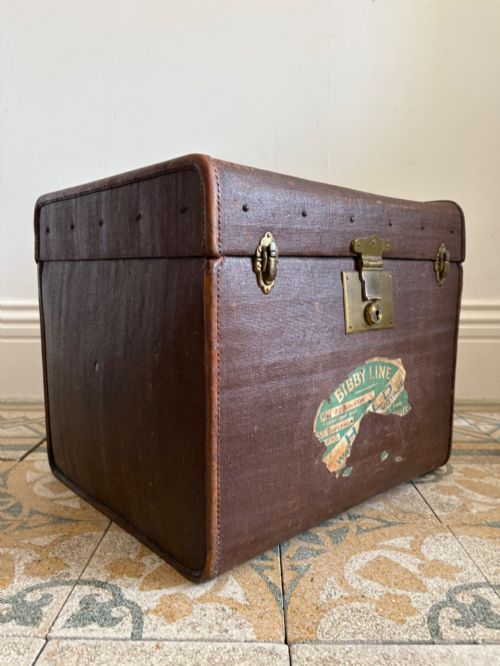


Antique Fitted Steamer Trunk
These antique fitted steamer trunks are robust travel companions built for ocean liners, offering clever internal organisation and character in equal measure.
Antique Fitted Steamer Trunk
An antique fitted steamer trunk is a sturdy piece of luggage designed to fit into the cabins of ocean liners during the nineteenth and early twentieth centuries. These trunks typically feature internal compartments, drawers, or wardrobe hangers to keep garments tidy during long journeys across the sea.
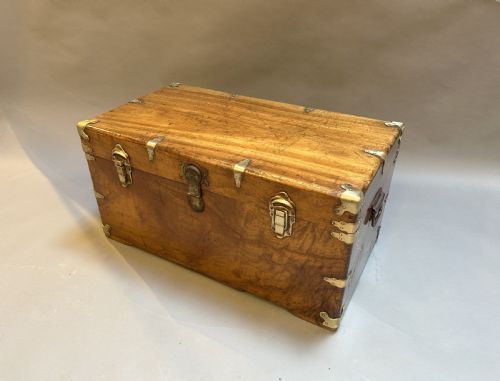
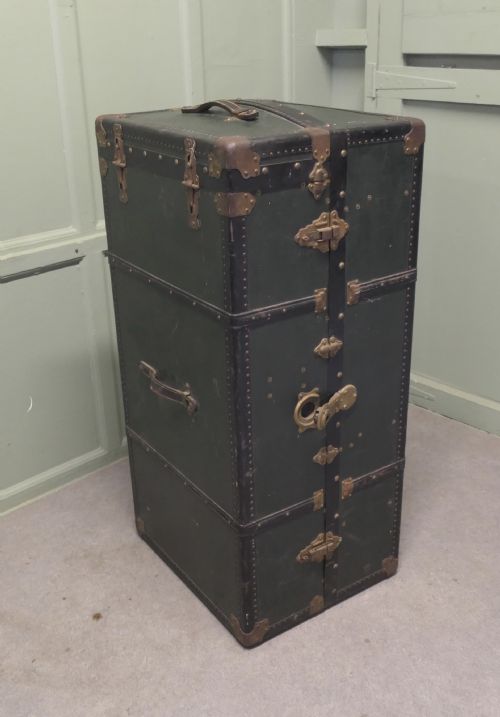
The versions met on this page range from compact vintage camphor wood chests to large cabin wardrobes and graduated suitcase sets. Many examples originate from the Edwardian era and the nineteen-twenties, displaying functional forms suited for modern interior storage.
Makers such as Louis Vuitton, Seaward, and Hartman Luggage Co. produced specialised travel pieces that survive today as decorative furniture. Buyers look for original hardware, travel labels, and internal fittings that tell the story of past voyages.
Materials and construction methods
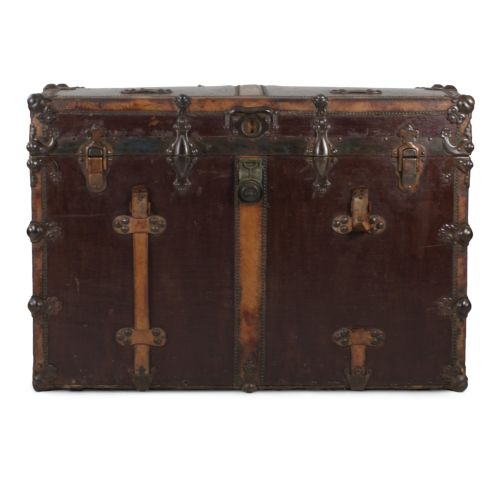
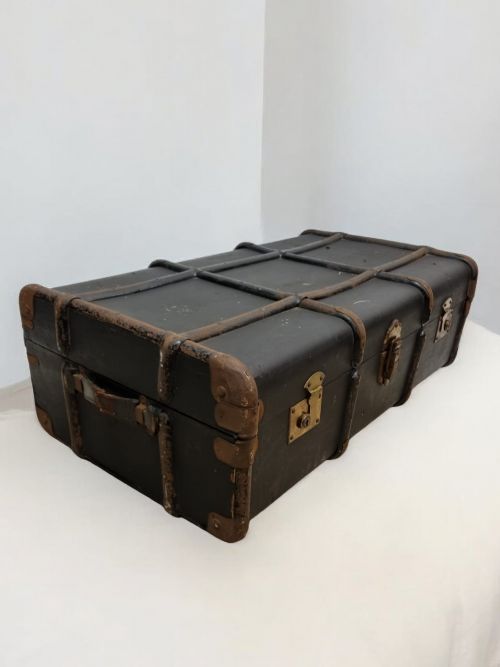
These trunks are constructed using sturdy woods such as camphor wood and pine, reinforced with heavy leather, canvas, vellum, or vulcanised fibre to withstand rough handling during travel. Metal corners and brass bands protect the structural edges from impact.
Workshops utilised riveted metal bindings and original hardware to secure the exterior panels while maintaining structural integrity. Internal compartments were built with lightweight timber and fitted fabric linings to protect delicate garments.
Many surviving trunks still bear colourful paper travel labels from long-forgotten steamship lines and grand hotels.
Distinguishing quality and craftsmanship
The caliber of an antique fitted steamer trunk is determined by the completeness of its internal fittings, such as original drawers, hangers, and compartmentalized trays. Pieces retaining their manufacturer stamps or signatures demonstrate higher provenance.
Material selection and hardware durability also distinguish finer examples, particularly those employing brass bindings and genuine leather over robust wooden frames. Trunks with extensive period travel labels retain more historical narrative.
Louis Vuitton·Hartman Luggage Co.·Seaward
The Antique Fitted Steamer Trunk Glossary
- Steamer trunk
- A low-profile luggage chest designed specifically to slide beneath the berth in a steamship cabin. These trunks prioritized space efficiency without sacrificing internal storage capacity.
- Cabin wardrobe
- A vertical trunk that opens like a cupboard to reveal hanging space and drawers. This form allowed travellers to transport formal attire without severe creasing.
- Vulcanised fibre
- A laminated material made from cellulose, treated to create a tough, water-resistant surface. It protected luggage exteriors from the damp conditions found on ocean voyages.
- Vellum
- A fine parchment material utilised to cover luxury luggage exteriors during the nineteenth and early twentieth centuries. It provided a smooth, durable finish before being sealed.
- Camphor wood
- A fragrant timber valued for its natural insect-repellent properties. Trunks made from this material protected stored woolens and textiles from moth damage during transit.
Antique Fitted Steamer Trunk: Frequently Asked Questions
How were steamer trunks used?
Travellers packed clothing, hats, and personal items into these trunks for extended voyages on ocean liners and trains. Their low profiles allowed them to slide easily under cabin berths or into designated baggage holds.
Inside, specialised compartments and drawers kept garments organised during transit. Upon arrival at a destination, the trunk served as a temporary wardrobe in hotel rooms.
How do I clean the interior?
Gently vacuum dust and debris from fabric linings using a soft brush attachment. Wipe wooden surfaces with a dry cloth to preserve the aged finish.
Avoid harsh chemical cleaners that might damage historical textiles or original paper linings. Airing out the trunk in a dry room helps eliminate musty storage odours.
Can I use one as a coffee table?
Many people place these sturdy trunks in living rooms to serve as low tables with hidden storage inside. Their flat tops and robust construction accommodate books, lamps, and decorative objects.
Placing a glass top over the trunk protects delicate leather or canvas surfaces from daily wear. The interior remains accessible for storing blankets and seasonal items.
What period do these trunks date from?
The pieces available here span from the mid-nineteenth century through the nineteen-twenties. Victorian and Edwardian examples sit alongside later industrial travel pieces from the early twentieth century.
Stylistic details such as brass hardware, exterior materials, and internal fittings help indicate the specific decade of manufacture.