

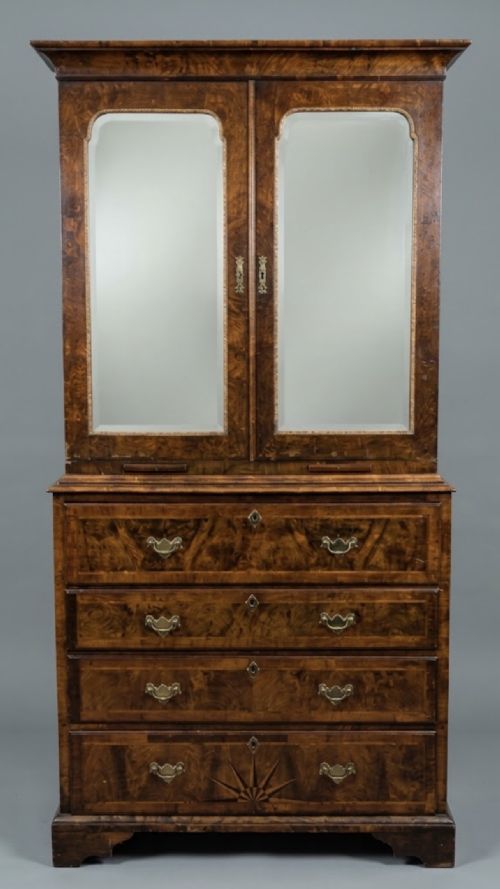
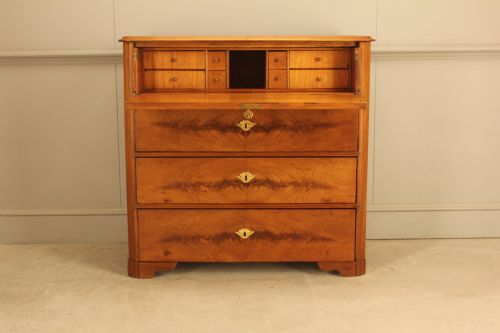
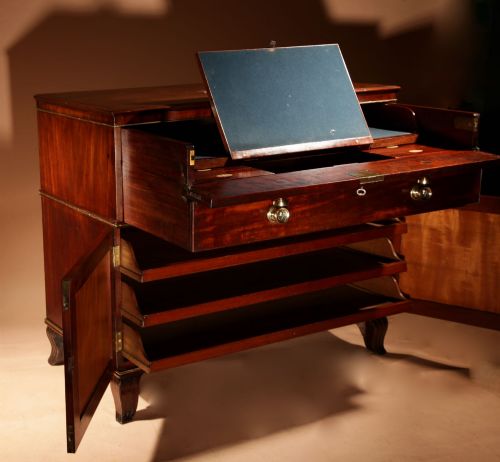
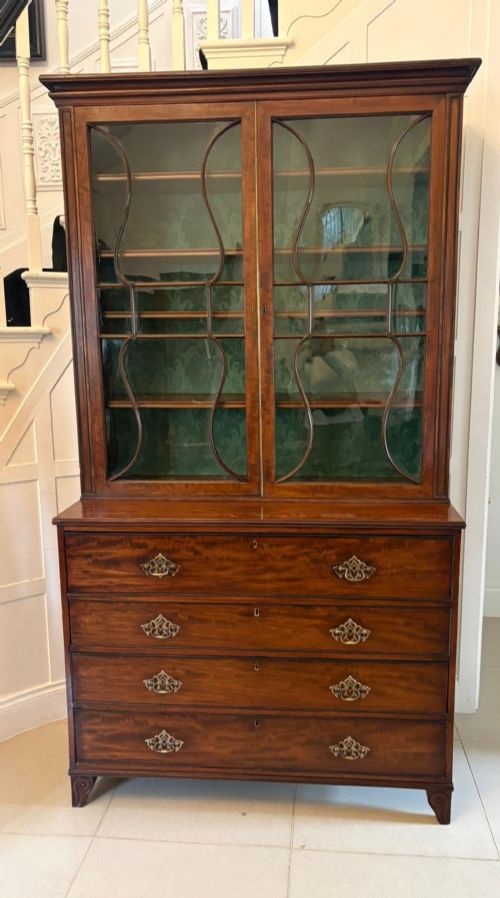
Antique Fitted Secretaire
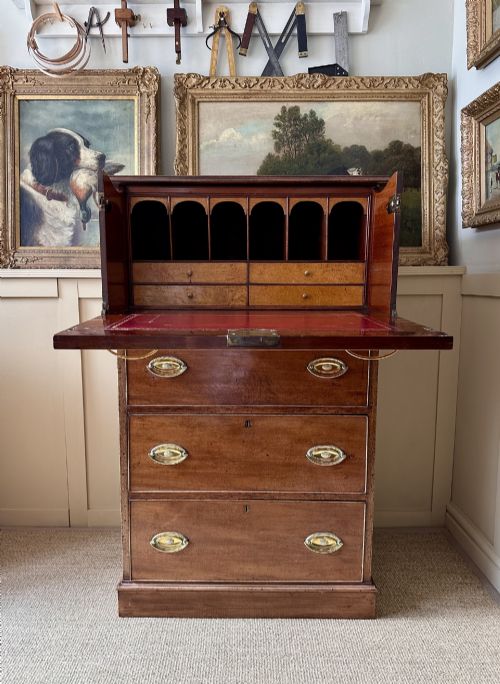
An antique fitted secretaire combines the outward dignity of a chest or bookcase with a clever drop-down writing surface, offering hidden drawers and pigeonholes for correspondence.
Antique Fitted Secretaire
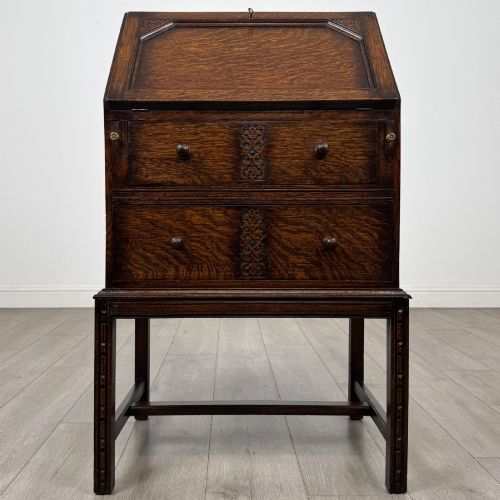
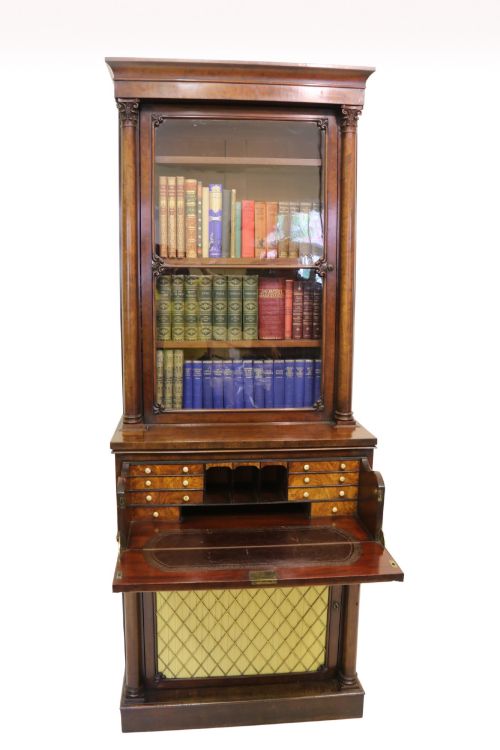
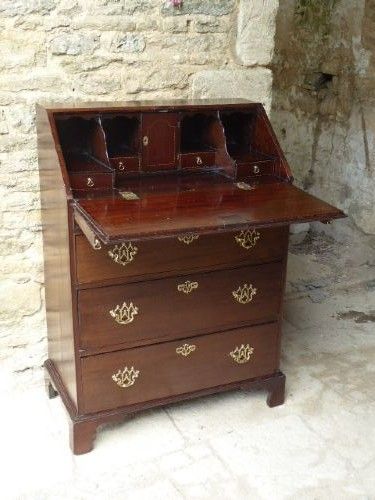
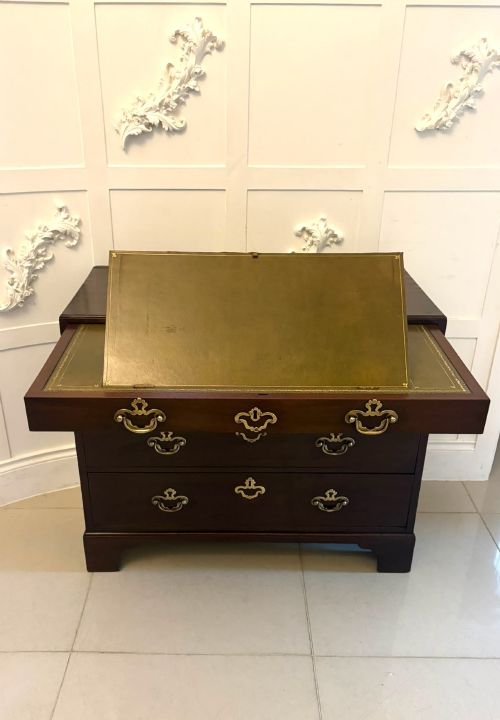
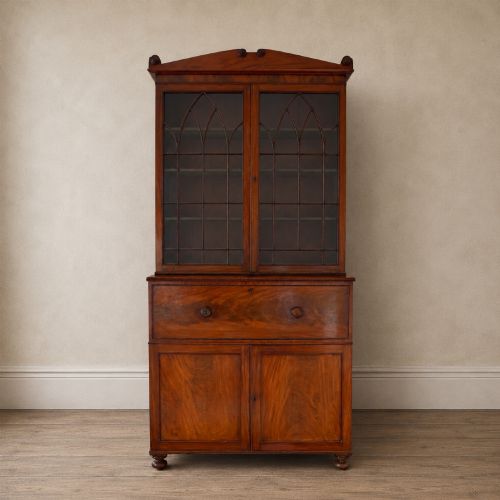
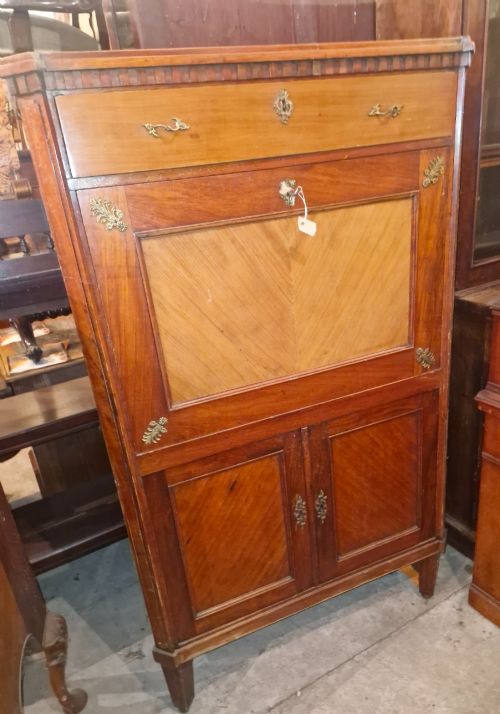
When you search for an antique fitted secretaire, you encounter case furniture designed to conceal a writing desk within its upper drawers or cabinet doors. The pieces on this page span the eighteenth, nineteenth, and early twentieth centuries, drawing from Georgian, Victorian, Regency, and Edwardian periods.
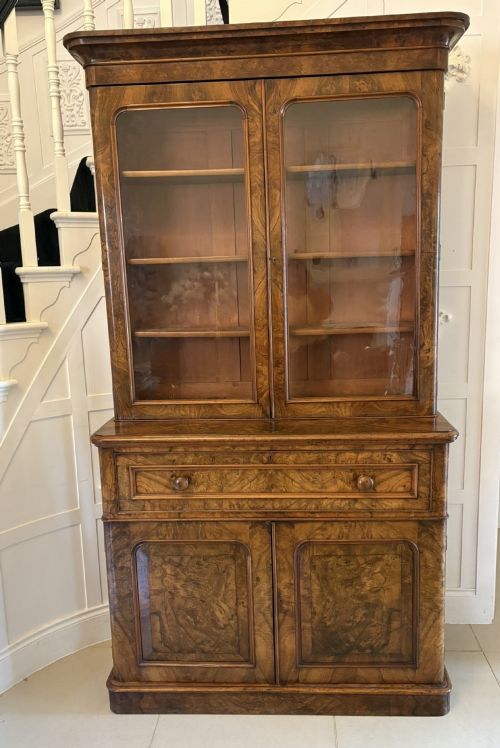
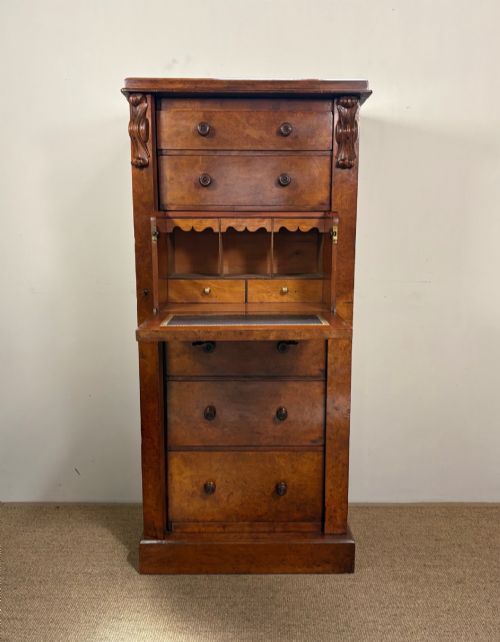
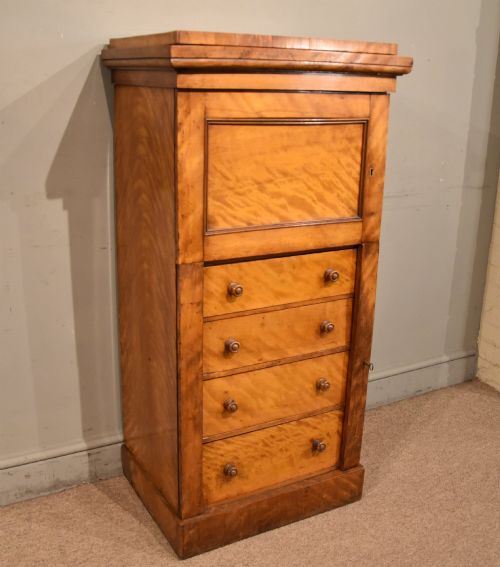
The most common forms include secretaire bookcases, Wellington chests with secretaire drawers, tallboys, and campaign chests. These items originate from British, Swedish, and Biedermeier workshops, moving from formal Georgian drawing rooms to military campaigns and country houses.
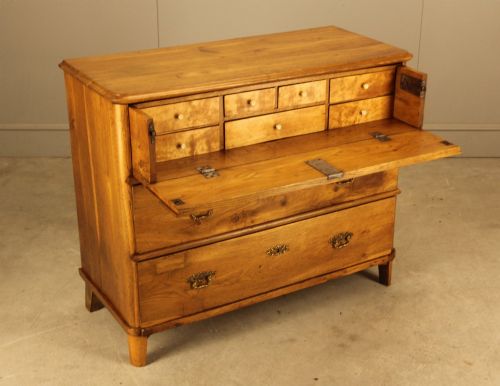
Makers integrated the writing compartments seamlessly into chests of drawers and press cupboards so the furniture maintained its primary storage function while providing a dedicated surface for letters.
Materials and Construction
Cabinet makers relied predominantly on dense timbers like mahogany, walnut, and oak, often selecting figured veneers and burr walnut to create striking grain patterns on the drawer fronts and fall-front desks. Secondary woods provided structural stability inside the hidden compartments.
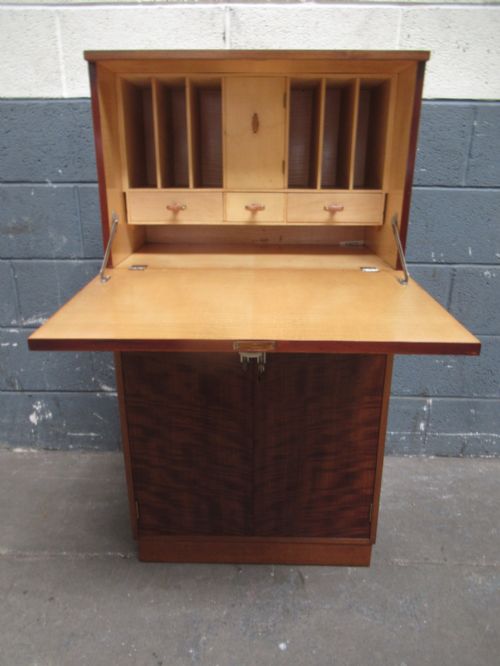
Writing surfaces frequently incorporated inset panels of leather or baize, surrounded by satinwood or rosewood internal stationery drawers and pigeonholes. Brass hardware, including campaign mounts, drop handles, and locking mechanisms, secured the drawers and glazed bookcase doors.
Antique Fitted Secretaire Retail Price Guide 2026
Typical asking prices for fitted secretaire among the pieces listed under this phrase on Sellingantiques today, from the lower quarter to the upper quarter. They describe what is for sale here now, not the wider market.
Many secretaire drawers conceal tiny spring-loaded secret compartments behind the pigeonholes, designed for letters and currency.
Distinctions in Execution
Quality rests in the precision of the internal mechanism, where the fall-front desk drops smoothly on quadrant hinges to reveal closely fitted pigeonholes and secret compartments without binding. The complexity and depth of the internal stationery fitments set finer examples apart from simpler utility pieces.
Gillows of Lancaster·Chippendale
The Antique Fitted Secretaire Glossary
- Secretaire
- A desk or cabinet featuring a concealed writing drawer with a drop-down front. This fold-down panel exposes small drawers and pigeonholes.
- Wellington chest
- A tall, narrow chest of drawers secured by a hinged locking stile on one side. This locking bar fastens over the edge of all drawers simultaneously.
- Tallboy
- A tall chest of drawers consisting of one chest stacked directly on top of another. They frequently incorporate a secretaire drawer in the waist.
- Campaign chest
- Portable furniture built in sections with recessed brass handles and corner brackets. Officers used these robust chests during military campaigns.
- Escritoire
- An alternative term for a writing cabinet or desk. The word shares roots with the French term for writing.
Antique Fitted Secretaire: Frequently Asked Questions
How do I open the secretaire drawer?
Most secretaire drawers require a key to unlock the main drawer front before the panel can fold downward. Once unlocked, internal catches or quadrants release the writing flap to a horizontal position.
If the mechanism resists, check for internal transit locks or secret release buttons hidden within the pigeonholes behind the stationery drawers.
Were these desks used for daily writing?
In the eighteenth and nineteenth centuries, these pieces served as the primary household desk for managing correspondence, keeping accounts, and storing personal documents. The fitted interior kept ink, paper, and seals organised behind locked doors.
Today, they function well in studies and living rooms as compact writing desks that close away clutter when not in use.
How do I tell a Georgian secretaire from a Victorian one?
Georgian pieces generally display restrained classical proportions, premium flame mahogany or walnut veneers, and subtle cockbeading around the drawer edges. Cabinet makers of this era focused on architectural cornices and understated bracket feet.
Victorian examples often employ heavier timbers, richer burr walnut veneers, and more ornate interior stationery layouts with satinwood inlay. You may also encounter machine-made elements and machine-cut dovetails in later nineteenth-century pieces.
Can I fit a modern laptop inside one?
Many interior writing compartments provide enough depth and width for a compact laptop or tablet when the fall-front is open. You should measure the internal writing surface dimensions and clearance height carefully before placing modern technology inside.
The fold-down writing flap supports handwriting and lightweight devices, but heavy pressure on the centre hinge should be avoided.