

Antique Fitted Desk
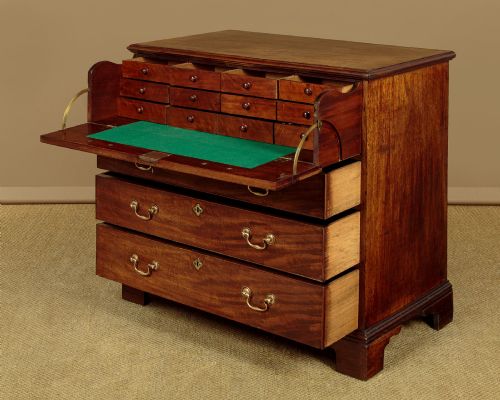
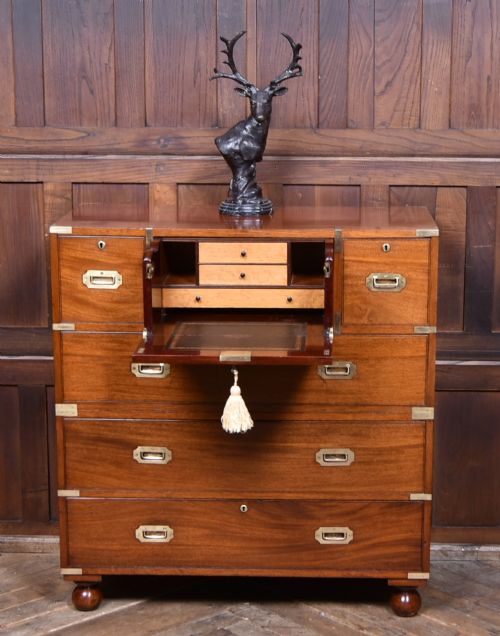
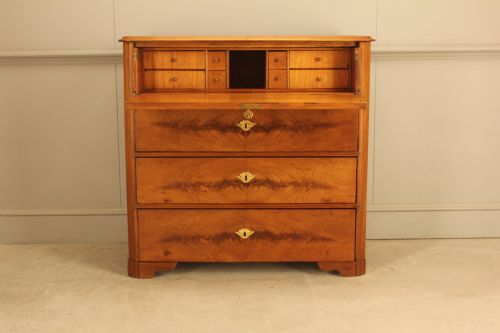
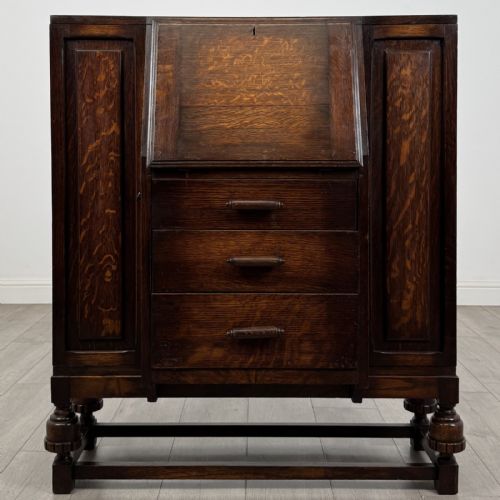
An antique fitted desk brings order to correspondence, housing secret compartments, pigeon holes and stationery drawers behind drop fronts or tambour panels.
Antique Fitted Desk
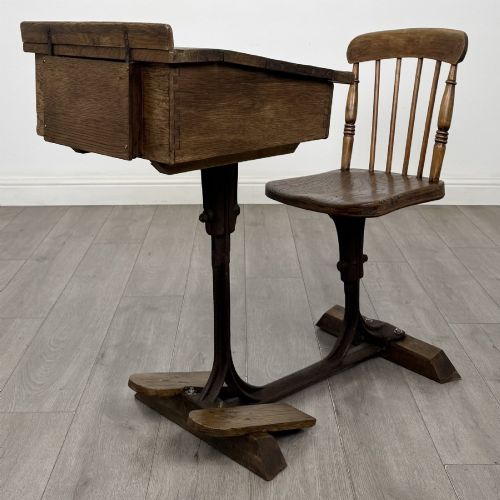
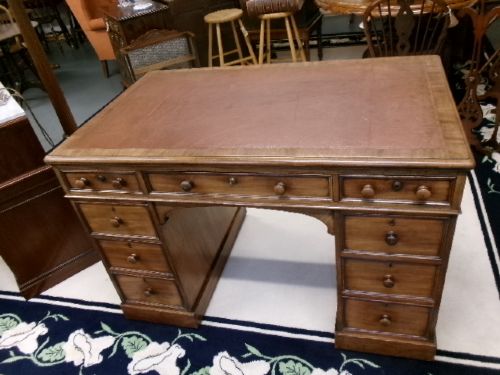
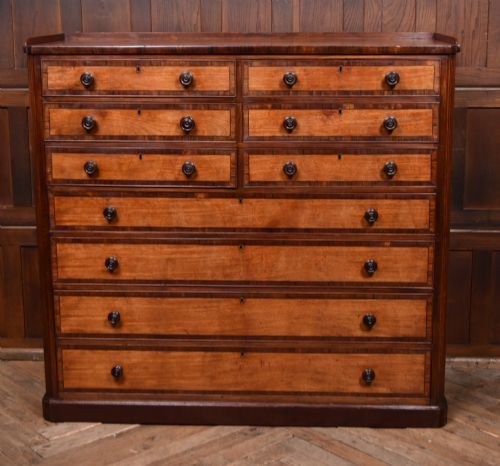
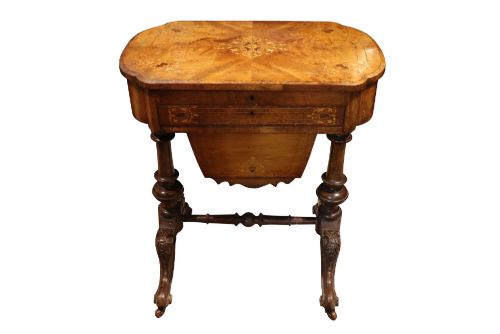
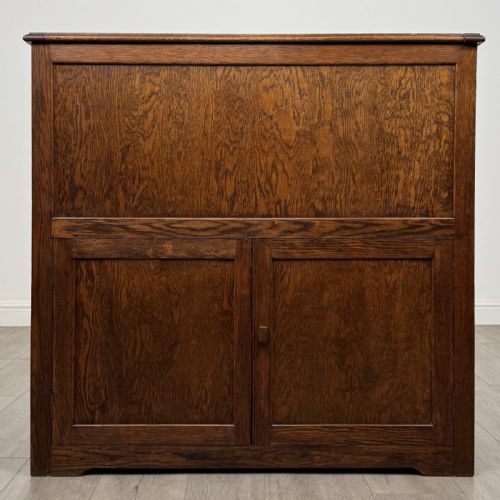
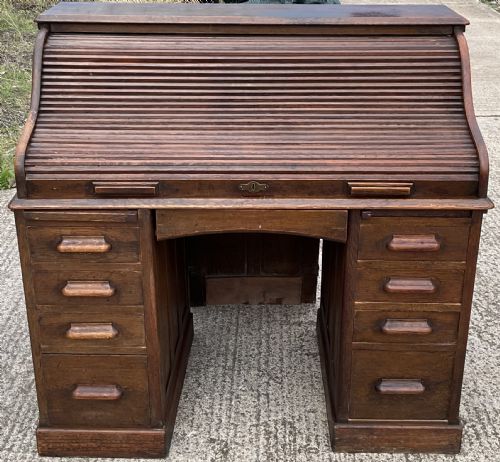
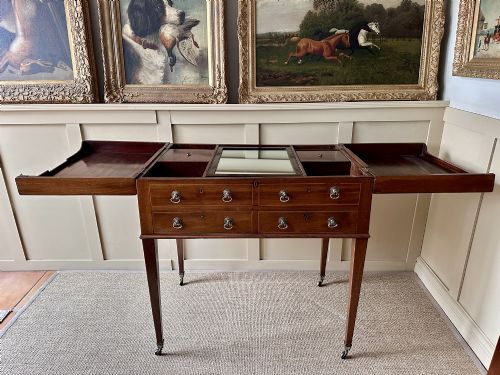
When you search for an antique fitted desk, you encounter diverse forms designed for domestic and commercial workspace, including bureaus, pedestal desks, secretaire bookcases and writing slopes.
The selections span multiple periods from the eighteenth century through the Georgian, Victorian and Edwardian eras, with oak and mahogany being the predominant woods.
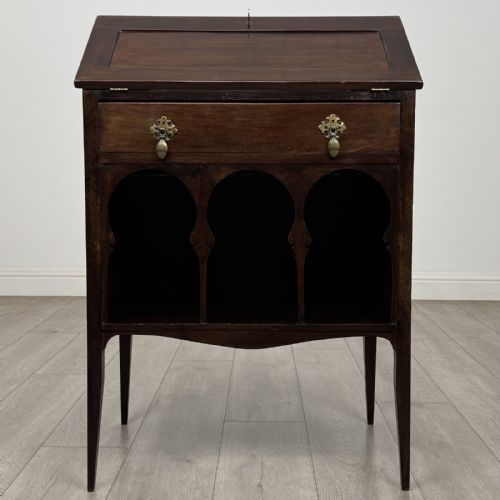
Bureau styles dominate the current selection, frequently featuring fitted interiors with pigeon holes and small drawers concealed beneath sloping lids.
Materials and Construction
Cabinet makers utilised dense hardwoods like mahogany, oak, walnut and rosewood, often selecting figured veneers for visual depth on primary surfaces.
Brass hardware, including campaign mounts, drop handles and escutcheons, secures structural corners and drawer assemblies.
Leather inserts frequently surface on writing surfaces, complemented by internal secondary woods such as pine and oak within the concealed drawers.
Antique Fitted Desk Retail Price Guide 2026
Typical asking prices for fitted desk among the pieces listed under this phrase on Sellingantiques today, from the lower quarter to the upper quarter. They describe what is for sale here now, not the wider market.
Secret compartments require locating hidden wooden springs or sliding panels to reveal tiny drawers meant for smuggling love letters.
Craftsmanship and Detail
Superior pieces display meticulous timber selection, such as figured mahogany or burr walnut matched symmetrically across large expanses.
Internal complexity dictates distinction, separating simple pigeon holes from intricate nests of secret drawers, sliding compartments and specialised stationery wells.
Joinery execution in the internal fittings and drawer construction reveals the maker's precision, distinguishing standard commercial output from refined cabinet work.
Gillows of Lancaster
The Antique Fitted Desk Glossary
- Secretaire
- A desk or cabinet featuring a drop-down writing flap that conceals an internal arrangement of small drawers and pigeon holes. This form merges storage cabinetry with a dedicated writing surface.
- Pigeon hole
- A small, open compartment within a desk interior designed for sorting letters and documents. These compartments form the core of the fitted desk interior.
- Tambour
- A sliding door constructed from narrow strips of wood glued to a fabric backing, allowing it to curve around corners. This mechanism operates the roll top on certain desks.
- Pedestal desk
- A freestanding desk supported by two pedestals of drawers beneath the main work surface. These large pieces provide substantial kneehole clearance and extensive storage.
Antique Fitted Desk: Frequently Asked Questions
What is an antique fitted desk?
An antique fitted desk is a piece of antique furniture designed for writing and administration, containing internal compartments, drawers or pigeon holes.
These pieces encompass forms such as bureaus, pedestal desks, secretaire bookcases and campaign writing slopes dating from the eighteenth to the early twentieth century.
How do I identify the period?
Period identification relies upon wood selection, structural hardware, construction techniques and stylistic revival cues visible in the piece.
Georgian and Regency items utilise solid mahogany or figured veneers with hand-cut dovetails, whereas Edwardian examples frequently feature golden oak, linenfold carving or machine-made components.
How were writing slopes used?
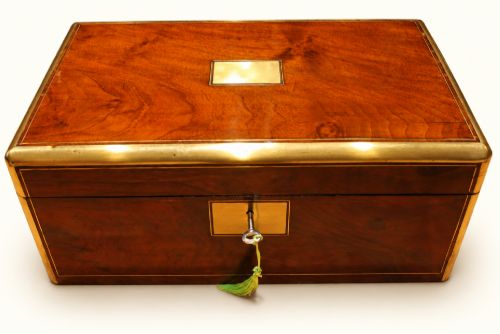
Writing slopes served as portable writing desks containing sloped surfaces for correspondence and internal storage for inkwells, paper and pens.
Travellers and military officers utilised campaign versions fitted with brass bindings and secret drawers to secure documents during transit.
Where should I place a bureau?
A bureau suits studies, living rooms or bedrooms where the drop-front lid can close to conceal paperwork and stationery.
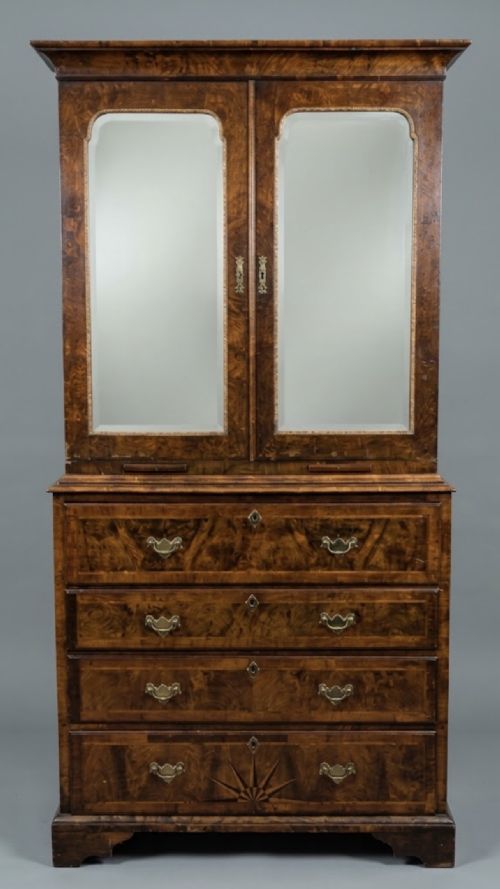
Freestanding pedestal desks occupy room centres, while bureau bookcases require wall placement to support upper shelving and glazed display sections.