


Antique Fishing Engraving
These antique fishing engraving works and associated silver slices capture natural history with precise detail, offering buyers a tangible connection to nineteenth-century aquatic illustration.
Antique Fishing Engraving
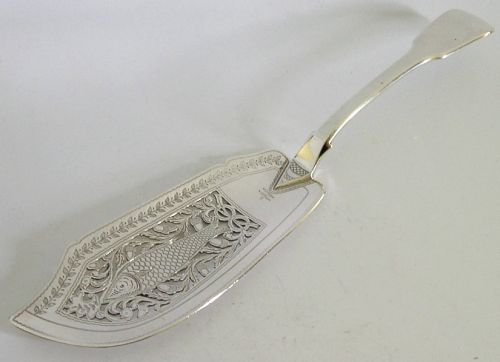
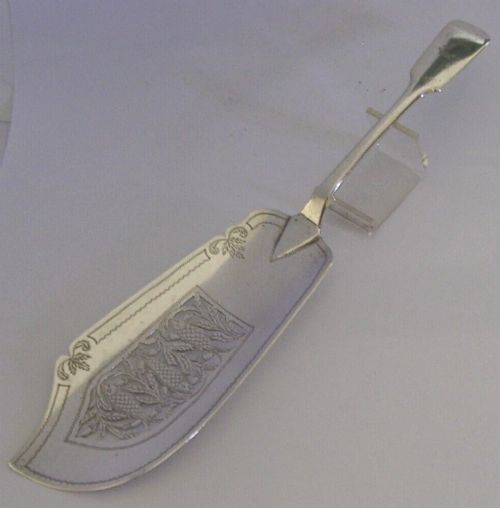
When you search for an antique fishing engraving, you encounter framed prints alongside heavy silver serving cutlery and fish slices bearing hand-engraved motifs. The selection spans the eighteenth and nineteenth centuries, including works by notable illustrators such as Jonathan Couch.
Most items you meet here combine paper prints with framed presentations or feature on solid sterling silver and silver-plated utensils. Georgian and Victorian examples dominate the range, often showcasing natural history subjects.
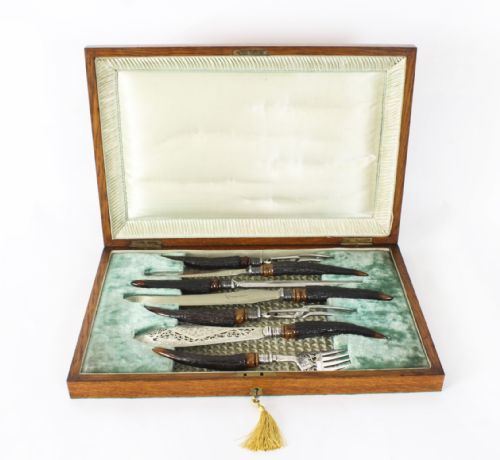
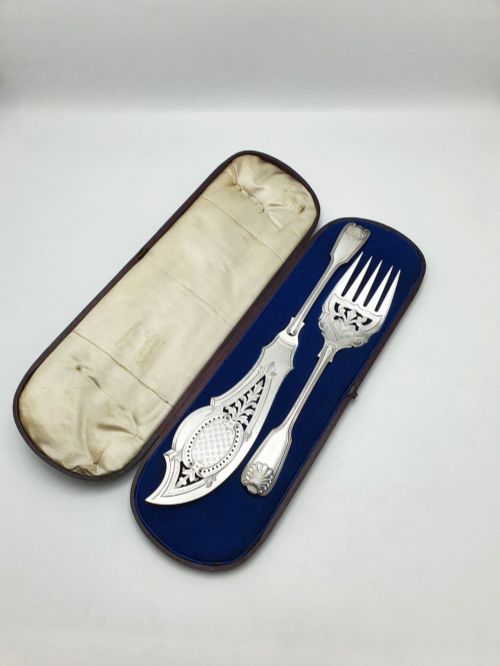
Buyers find both standalone framed prints of fish and functional dining implements like fish servers that utilise detailed engraving upon metal blades. These pieces originate from English and French makers across the 1800, 1890, 1880, and 1870 periods.
Materials and Construction
The paper prints rely on traditional plate printing techniques to transfer fine illustrative lines onto paper sheets. Artisans applied hand-colouring or left monochrome ink impressions depending on the publisher and date.
Metal utensils such as fish slices and servers combine sterling silver or silver plate with organic elements like stag antler, horn, and wood for handles. Silversmiths pierced, engraved, and chased the metal blanks to create decorative patterns alongside the fish motifs.
Factors of Quality
The crispness of the printed lines and the preservation of the paper determine the visual quality of an engraving. Clear plate marks and clean margins indicate superior print production.
For silver pieces, the depth and clarity of the engraved fish or family crests dictate the craftsmanship level. Solid sterling silver items with intact hallmarks and well-preserved antler or horn handles represent the higher end of the range.
Jonathan Couch·Thomas Daniell·Charles Boyton
The Antique Fishing Engraving Glossary
- Engraving
- A printmaking technique where an artist cuts lines into a metal plate to hold ink. This method produces sharp, permanent details on both paper prints and silver blades.
- Fish Slice
- A wide, flat serving utensil designed for portions of fish at the dining table. These implements often feature pierced decoration and engraved aquatic scenes.
- Sterling Silver
- An alloy containing a high proportion of pure silver by mass, standard in British and Irish tableware. Items bear hallmarks indicating their assay office and year of production.
- Silver Plate
- A base metal coated with a thin layer of silver through electroplating or older fusion methods. This material provided a bright finish for Victorian cutlery at a lower cost than solid silver.
- Stag Antler
- The shed horn of a deer utilised for knife and fork handles during the nineteenth century. Natural texture gives a secure grip and a distinctive rustic appearance.
Antique Fishing Engraving: Frequently Asked Questions
What is an antique fishing engraving?
An antique fishing engraving is a printed illustration of fish produced on paper during the eighteenth or nineteenth century. These works capture natural history subjects with fine illustrative lines.
Buyers also encounter the term applied to silver fish servers and slices featuring hand-engraved aquatic decoration. Both forms reflect the Victorian and Georgian interest in natural sciences.
How were silver fish slices used?
Silver fish slices were deployed at formal dining tables to serve delicate portions of fish during large courses. Their wide, perforated blades allowed juices to drain away while lifting the flesh intact.
Matched sets often included a fork alongside the slice for complete serving utility. Wealthy households utilised these pieces as part of extensive flatware services.
How do I date a silver fish server?
Dating relies heavily upon the stamped hallmarks found on sterling silver items, which indicate the assay office, standard, and year code. Makers' marks further narrow down the production period.
Stylistic cues such as fiddle pattern stems or naturalistic stag antler handles help place silver-plated examples into broader decades like the 1880s or 1890s.
How should I display framed prints?
Framed prints require placement away from direct sunlight to prevent the paper and any applied colour from fading over time. Stable indoor humidity levels protect both the paper fibres and the frame construction.
Grouping several prints together creates a cohesive natural history display on a wall. Ensure proper backing materials are used to prevent acid transfer into the antique paper.