





Traditional English Art Print
A traditional english art print captures rural pursuits, landscapes, and portraiture across centuries of British craftsmanship.
Traditional English Art Print
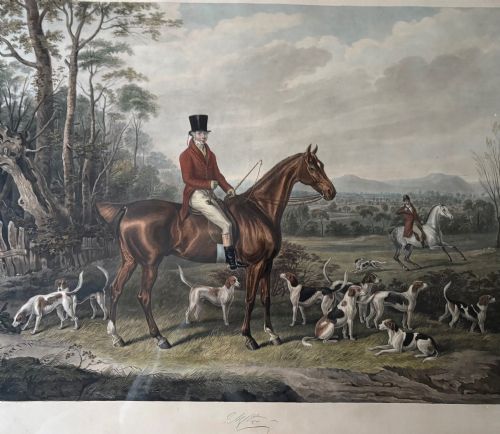
When buyers search for a traditional english art print, they encounter a diverse selection of framed works spanning the eighteenth, nineteenth, and early twentieth centuries. These pieces encompass framed wall art, watercolour paintings, and historical engravings documenting sporting scenes, pastoral landscapes, and notable figures.
Framed prints and original paintings dominate the selection, often preserved behind glass within wood or gilt wood frames. Buyers select these works to bring historical depth and classic British character to interior spaces.
Materials and methods
Works utilise traditional substrates such as paper and canvas, housed within wooden or gilt wood frames under glass. Mediums span watercolour, ink, oil paint, and hand-coloured engraving.
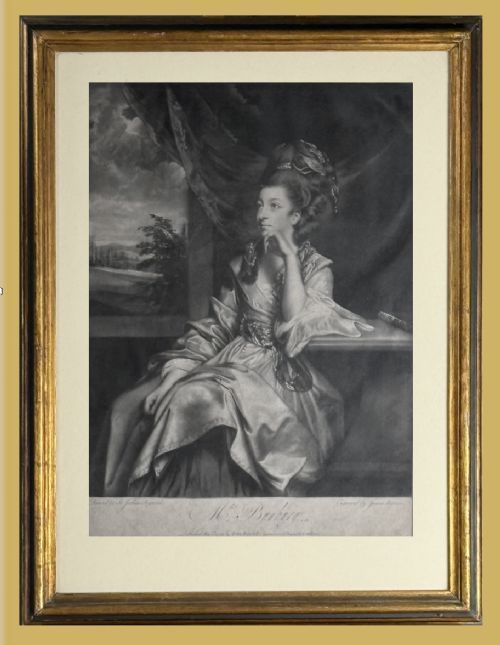
Printmakers employed techniques including mezzotint, lithography, aquatint, and etching to produce detailed historical imagery. Publishers often hand-coloured these engravings and lithographs to enhance visual depth.
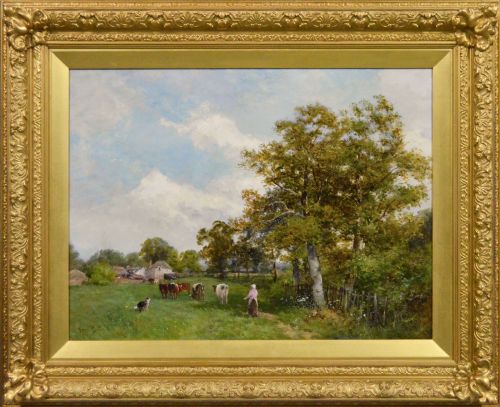
Original paintings rely on oil on canvas or delicate watercolour washes on paper, frequently paired with period frames that complement the composition.
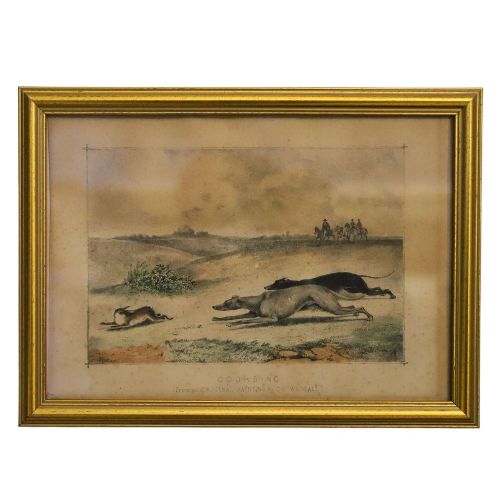
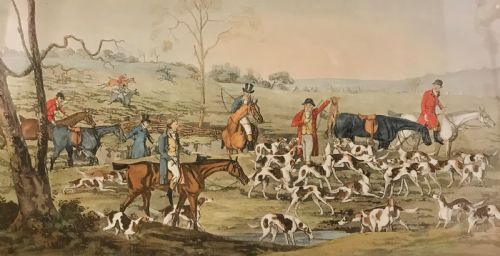
Several sporting prints document rigorous pursuits like hare coursing and fox hunting, alongside the spirited exploits of John 'Mad Jack' Mytton.
Assessing quality
Quality rests upon the crispness of the original impression in prints and the handling of light and pigment in paintings. Masterful draughtsmanship and distinct line work elevate a piece above standard decorative output.
The preservation of the paper, pigment stability, and the integrity of the original frame influence the standing of an artwork. Contemporary mountings and well-preserved historical frames contribute to the overall desirability of the piece.
James Watson·Sir Joshua Reynolds·David Bates·C. H. Weigall·Charles Faulkner·James Dobie·W. Dendy Sadler·John Atkinson·Tom Carr·Isaac Cullin·Charles Hunt·Francis Calcroft Turner·Edward Lloyd·Lilian Stannard·Abraham Van Blyenberch
The Traditional English Art Print Glossary
- Mezzotint
- A printmaking process where the copper plate is roughened to achieve rich tonal gradations in dark areas. This technique allows for subtle shadows and deep contrasts.
- Lithography
- A planographic printing method using a stone or metal plate on which the image area retains ink. Artists use this process to produce detailed graphic reproductions.
- Aquatint
- An intaglio printmaking technique that creates areas of tone resembling watercolour washes. It was frequently combined with line etching for sporting and topographical prints.
- Gilt wood
- Wood coated with a thin layer of gold leaf or gilt paint. This finish defines traditional picture frames from the Georgian and Victorian periods.
- Etching
- A process where lines are bitten into a metal plate with acid before printing. The resulting impressions display fine, precise linear detail.
Traditional English Art Print: Frequently Asked Questions
What is a traditional english art print?
These works comprise historical engravings, lithographs, etchings, and paintings depicting British landscapes, sporting events, and portraits.
They reflect aesthetic tastes from the eighteenth century through to the early twentieth century, preserved in traditional frames.
How were sporting prints created?
Publishers utilised printing techniques such as lithography, engraving, and aquatint to capture fast-paced scenes of hunting, horse racing, and coursing.
Craftsmen often hand-coloured the finished impressions to add vibrancy and detail to the prints.
How should I hang these artworks?
These framed pieces suit traditional interiors, studies, and hallways where their historical subject matter can be appreciated up close.
Keep them away from direct sunlight to protect the paper, watercolours, and coloured inks from fading.
How do I identify the period of a print?
Examine the paper type, framing style, and publication details printed in the margins, which often record dates and publishers.
Stylistic cues in clothing, architecture, and transport also help narrow down the decade of production.