



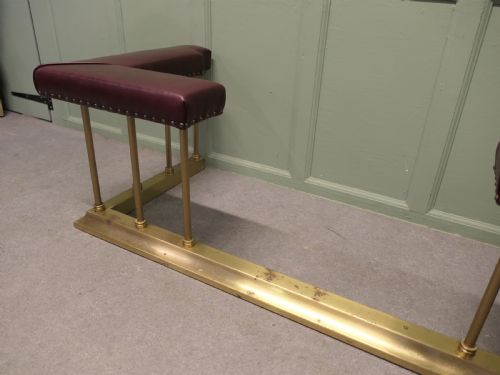


Antique Fireplace Seat
An antique fireplace seat brings warmth and grounded comfort to a hearth, combining sturdy framing with cushioned leather or fabric.
Antique Fireplace Seat
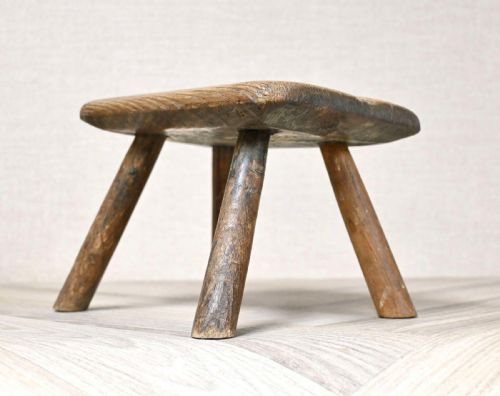
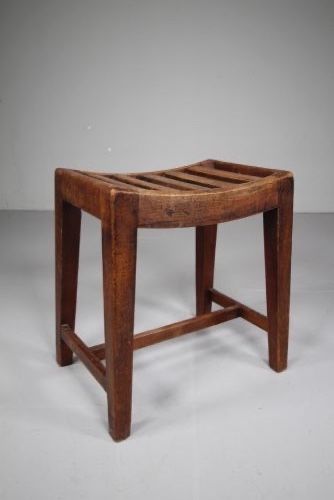
An antique fireplace seat encompasses low stools, footstools, armchairs, and specifically club fenders that bridge the gap between seating and hearth furniture. These pieces draw from Victorian, Edwardian, Art Deco, and Georgian traditions, often utilising low profiles designed to sit comfortably close to the fire.
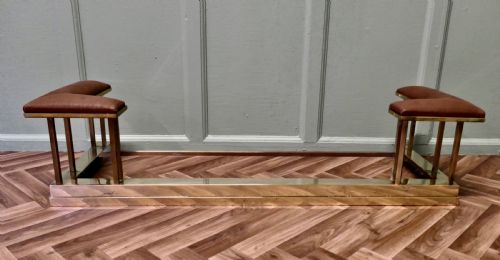
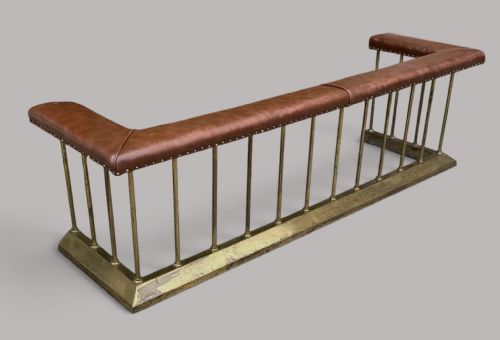
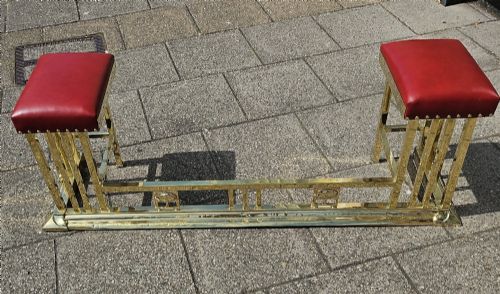
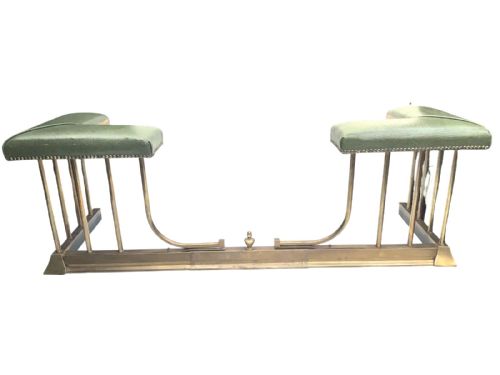
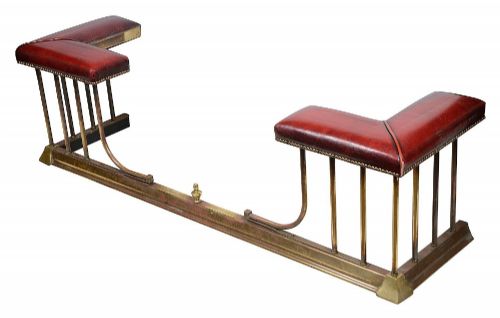
The most common variety encountered on this page is the club fender, typically constructed with a metal frame and paired with leather upholstered corner seats. These low-slung structures allow people to sit directly above or beside the hearth while keeping the fire accessible.
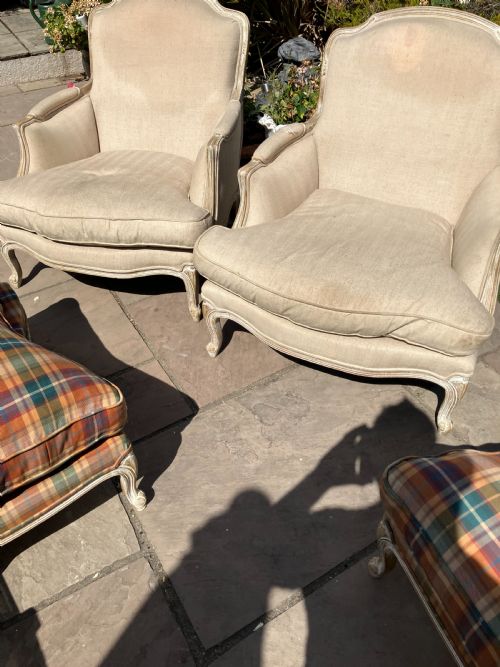
Alongside metal and leather fenders, the selection includes wooden armchairs, footstools covered in kilim or fabric, and carved oak pieces originating from the nineteenth and early twentieth centuries. Each form serves the practical purpose of hearthside resting while reflecting the specific interior style of its period.
Materials and construction methods
Makers built the structural framework of these pieces using durable metals such as brass, copper, steel, and iron, or dense hardwoods including oak and mahogany. These materials endured the heat and heavy daily use associated with the hearth.
Upholstery traditionally involved high-grade leather, frequently finished in tan or green, secured over dense padding or paired with intricate wood carving. Metalwork often combined cast components with tubular brass or steel rails to create adjustable or fixed configurations.
The selection includes formal Georgian mahogany stools alongside robust Arts and Crafts oak fenders and Edwardian club seating.
Distinctions in quality and execution
Superior examples display crisp casting in the brass or iron framework alongside tight, hand-stitched leather upholstery that shows thoughtful proportion and balance. Lower tiers of quality often reveal simpler stamped metalwork or replacement padding lacking the integrity of the original construction.
The degree of hand-carving on wooden elements and the structural rigidity of the frame separate standard production pieces from finer workshop outputs. Attention to detail in the joints and the use of substantial gauge metals determine the longevity of the seat.
William Birch
The Antique Fireplace Seat Glossary
- Club fender
- A low, padded metal frame surrounding a fireplace that provides perimeter seating. These fixtures typically combine brass or steel uprights with leather bench seats.
- Hearth stool
- A low seat placed near the fireplace for warming feet or resting close to the fire. They often feature carved wooden frames and upholstered tops.
- Chesterfield seat
- A style of deep button-tufted upholstery commonly applied to the leather pads of club fenders. This method secures the padding while creating a distinctive quilted pattern.
- Kilim
- A flat-woven textile often utilised as a durable upholstery covering for nineteenth-century footstools. These wool fabrics bring distinct geometric patterns to the hearth.
- Wingback
- An armchair style featuring protective side panels designed to shield the sitter from drafts. These forms appear in oak and upholstered variants near the fire.
Antique Fireplace Seat: Frequently Asked Questions
What is a club fender?
A club fender is a low metal structure that sits around a hearth, featuring upholstered seats on either side. It allows people to sit close to the fire while protecting the room from sparks.
Originating in British country houses, these seats became popular in the Victorian and Edwardian eras as a sociable way to gather around the fireplace.
How do I choose the right size?
Measure the width and depth of your fireplace hearth before selecting a fender or stool. The seat must leave adequate clearance for tending the fire and operating hearth accessories.
Proportion matters significantly, as a low fender should complement the scale of the fireplace opening without overwhelming the surrounding mantelpiece.
How do I care for leather upholstery?
Clean the leather gently using a dry or slightly damp cloth to remove dust from regular hearth use. Avoid placing seats directly against intense heat sources that might dry out the material.
Apply a suitable leather conditioner periodically to maintain suppleness and preserve the rich patina developed over decades of use.
Can these seats be adjusted?
Some period club fenders feature adjustable frames designed to fit varying hearth dimensions. These mechanisms typically involve sliding metal bars secured with thumbscrews.
Fixed-size fenders require precise measurement of your fireplace surround to ensure a correct fit during installation.