


Antique Fireplace Ornaments
These antique fireplace ornaments bring character to a hearth, ranging from earthenware spaniels to solid brass andirons.
Antique Fireplace Ornaments
When you search for antique fireplace ornaments, you encounter a varied collection of mantelpiece figures, hearth furniture, and decorative metalwork designed to dress a chimney breast. These items bridge the gap between utility and display, transforming a cold grate into a focal point of the room.
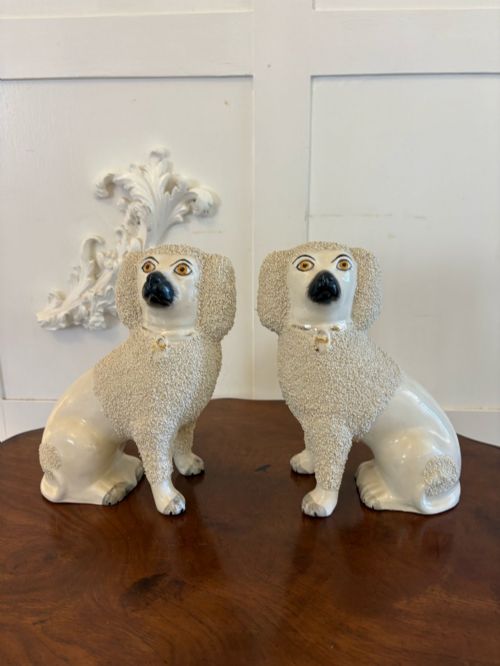
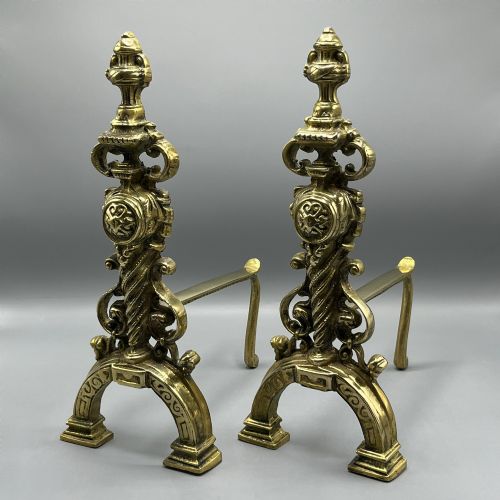
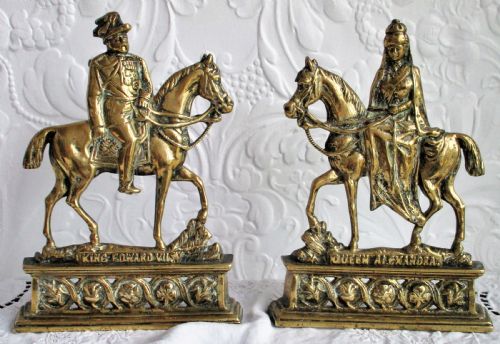
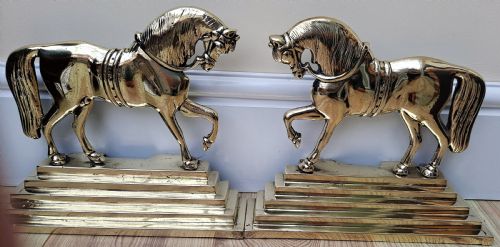
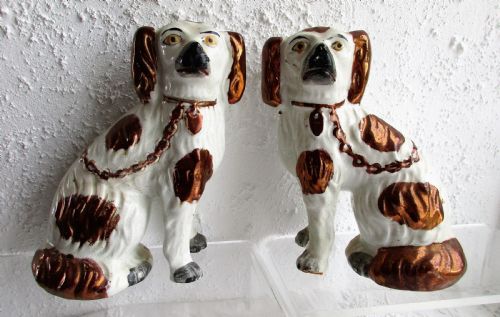
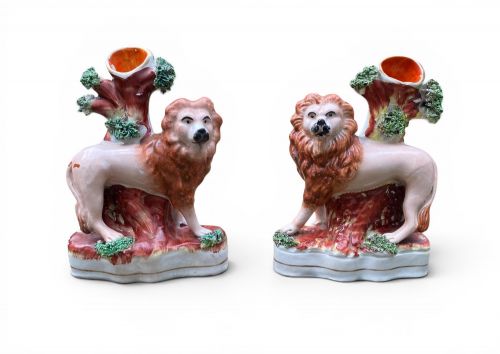
The most common items on this page are pairs of ceramic Staffordshire dogs, often modelled as spaniels, poodles, or greyhounds intended to sit at either end of a mantel shelf. Alongside these pottery figures, you find brass andirons, cast iron doorstops, and bronze finials originating from the nineteenth century.
Originating largely from Victorian England and nineteenth-century France, these pieces reflect the domestic tastes of their eras. Makers produced earthenware pottery for everyday parlours and cast bronze or brass accessories for grander reception rooms.
Materials and construction methods
Pottery ornaments rely on earthenware or ceramic bodies shaped in moulds, then finished with hand-painted details, enamel, or coloured glaze. Staffordshire potters often applied copper lustre or simple black and white pigments before a final firing.
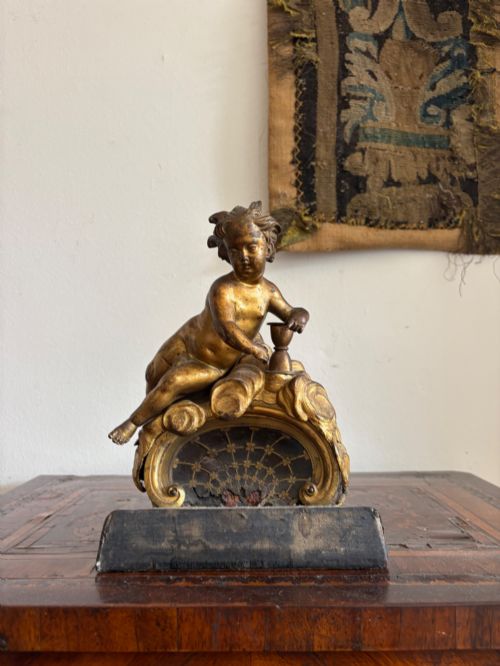
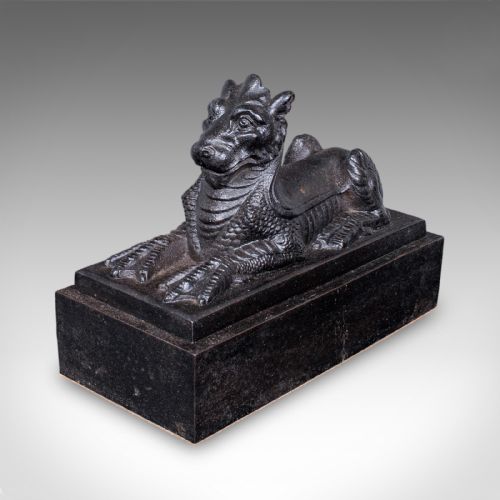
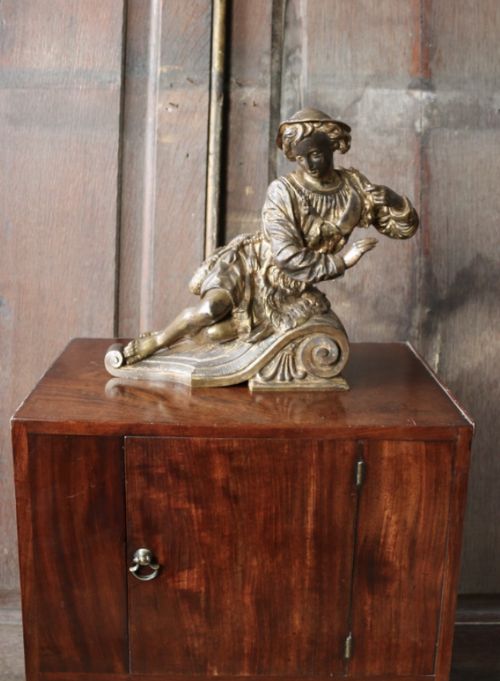
Metal items utilise cast iron, solid brass, and gilt bronze or ormolu. Founders poured molten metal into sand or lost-wax moulds, subsequently chasing the surfaces by hand to sharpen details on figures, fire dogs, and chenets.
Listings feature items spanning the nineteenth century, including Victorian earthenware, French gilt bronze, and English brass.
Distinguishing quality across the range
In metalwork, the weight of the bronze or brass and the depth of the chased detail separate standard production from finer foundry work. Heavy casting and well-defined patination indicate skilled craftsmanship rather than mass production.
The Antique Fireplace Ornaments Glossary
- Andirons
- Iron or brass supports placed horizontally in a hearth to hold logs for burning. They often feature decorative finials facing the room.
- Chenets
- French term for fire dogs used to support wood in an open fireplace. They frequently incorporate cast bronze or ormolu decoration in historical styles.
- Spill Vases
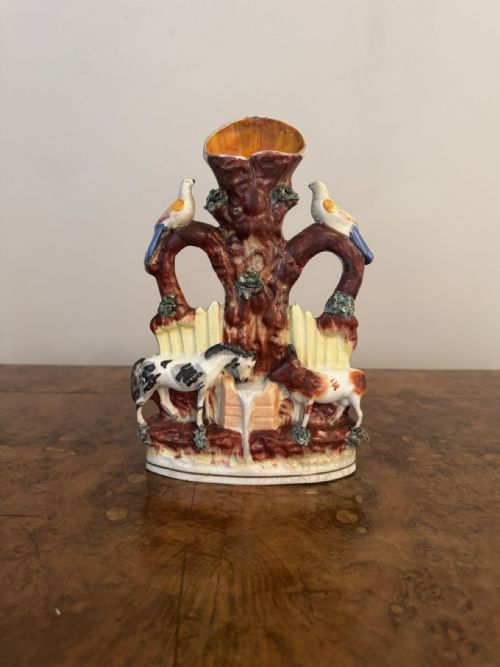
- Small hollow ceramic figures fitted with an attached cylindrical vase. Victorians placed these on mantelpieces to hold wooden spills used for lighting fires and pipes.
- Flatback
- A Staffordshire pottery figure with a finished front and a hollow, unglazed flat back designed to sit flush against a wall.
- Ormolu
- Finely chopped or ground high-karat gold applied to a bronze object using mercury amalgamation. This technique gives metalwork a rich, enduring golden surface.
Antique Fireplace Ornaments: Frequently Asked Questions
What are Staffordshire dogs?
Staffordshire dogs are ceramic mantelpiece figures, most commonly depicting spaniels, produced in English potteries during the nineteenth century. Makers typically sold them in opposing pairs to sit at either end of a fireplace.
Potters moulded these earthenware dogs from local clay and finished them with hand-painted patches, gilt collars, or copper lustre. They served a purely decorative purpose in Victorian parlours.
How do I use andirons?
Andirons sit inside the fireplace hearth to elevate firewood off the floor, allowing air to circulate beneath the logs for a better burn. Their decorative front standards remain visible when the hearth is empty.
Ensure your fireplace opening is deep enough to accommodate the length of the andirons before placing them in position. Heavy brass or iron pairs provide stability for burning logs.
What is a spill vase?
A spill vase is a ceramic figure combined with a small cylindrical holder designed to store thin tapers of wood. Victorians used these spills to transfer flames from the fireplace fire to candles and pipes.
These pieces combine ornamental animal or human figures with practical utility. They sat on mantelpieces within easy reach of the hearth.