



Antique Figurine Set
An antique figurine set brings together matched figures in porcelain, bronze or silver, offering a cohesive display of historical craft.
Antique Figurine Set
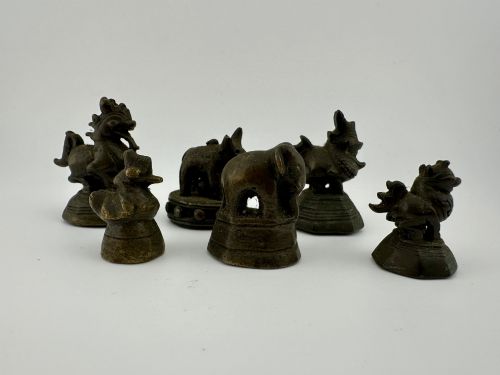
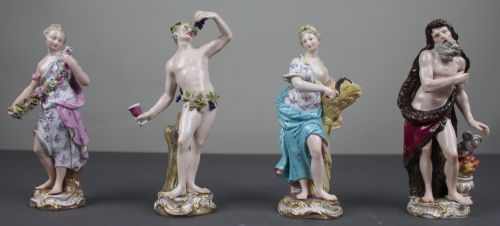
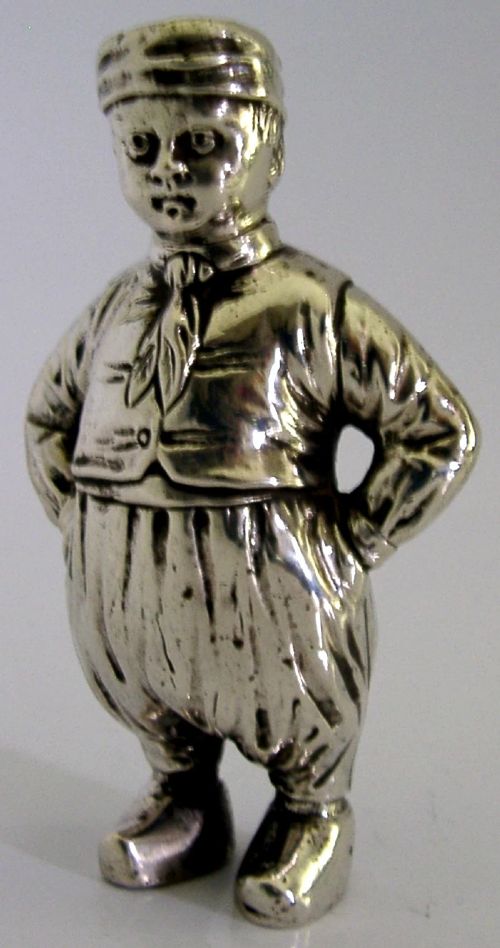
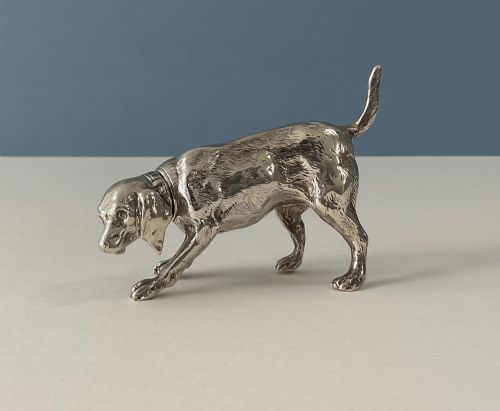
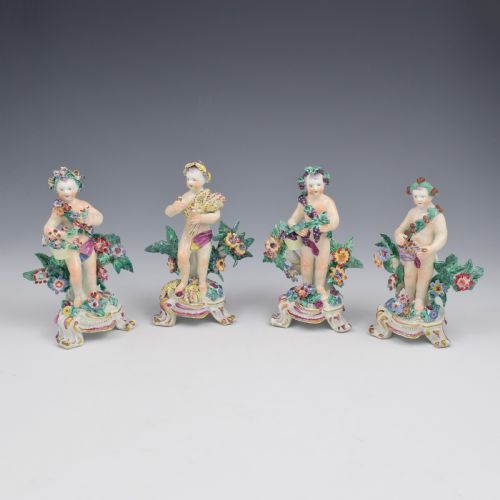
An antique figurine set comprises multiple related sculptures or vessels designed as a cohesive group rather than isolated pieces. These assemblies appear in various forms, from porcelain figures representing allegorical themes to matched sets of silver novelty pepper pots and bronze animals.
The materials span delicate porcelain, solid silver, gilt bronze, spelter and carved wood, reflecting the diverse applications of figures in domestic interiors and desk collections across past centuries. Sets frequently incorporate animal subjects, human characters or allegorical representations linked by a common maker or theme.
Most examples originate from the eighteenth, nineteenth and early twentieth centuries, encompassing Victorian, Edwardian and Art Deco stylistic periods. Buyers encounter everything from miniature carved wooden bears to matched pairs and larger groupings of four seasons or continents.
Materials and construction methods
Porcelain sets rely on meticulous hand-painting and high-temperature firing, often associated with renowned European factories that shaped and glazed detailed statuettes. Artisans applied pigments and enamel directly onto the ceramic body before a final glaze seals the surface.
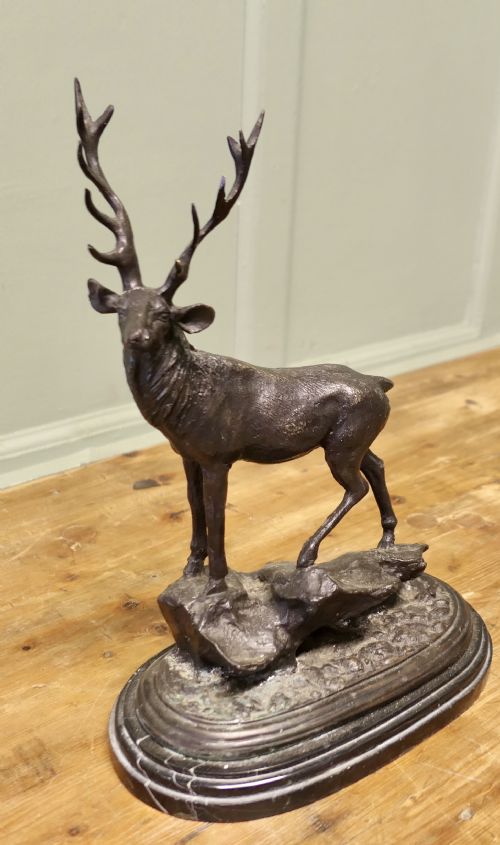
Metal sets utilise casting techniques such as lost-wax bronze casting or silver fabrication, frequently mounting heavier figures onto marble or onyx plinths. Details like engraving, chasing and partial gilding or ormolu finishing enhance the visual texture of bronze, spelter and solid silver components.
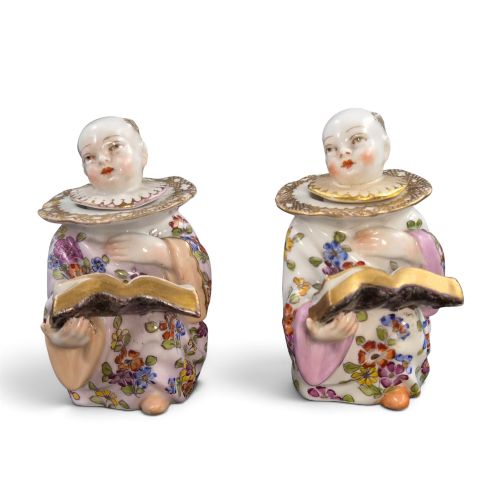
Functional forms include inkwells, pepper pots, cruet sets and companion pieces alongside purely decorative statuettes.
Assessing quality in grouped figures
The standard of modelling and surface finishing distinguishes superior sets, particularly in the crispness of facial expressions, hand-painted details and drapery folds on porcelain or bronze. Finer examples maintain uniformity across every component in the grouping, ensuring no single figure feels secondary or mismatched.
The integrity of the material and the preservation of original patination or hand-applied colour dictate the enduring standing of a set. Well-executed bases, such as fitted marble plinths or original mounting hardware, contribute to the overall cohesion and authority of the group.
Edmé Samson·Meissen·Bow Porcelain·KPM Berlin·Achille Mollica·Le Courtier·Gory
The Antique Figurine Set Glossary
- Allegorical figure
- A statuette representing an abstract idea, season, continent or virtue through human or putti form. These figures frequently appear in multi-part sets symbolising four elements or seasons.
- Ormolu
- Finely ground high-carat gold applied to a bronze base using a mercury amalgamation technique, creating a durable golden surface layer. This finish adds bright metallic contrast to nineteenth-century sculptures and inkwells.
- Spelter
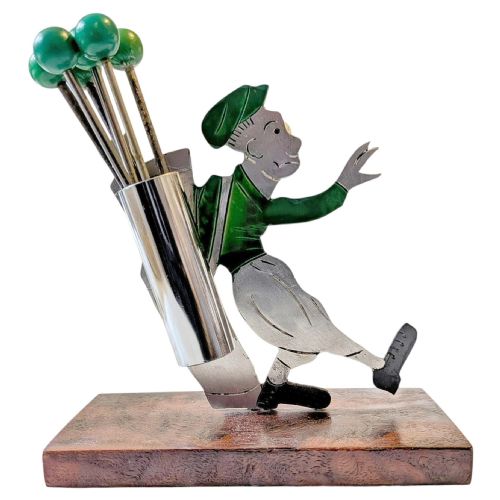
- A zinc alloy cast into decorative figures and patinated to resemble bronze, commonly utilised for French Art Deco animal sculptures mounted on marble bases. It provides a more accessible sculptural medium while retaining crisp cast detail.
- Novelty cruet
- A condiment container, such as a pepper pot or salt cellar, modelled in the playful shape of an animal or character. Victorian silversmiths produced these in sterling and solid silver as functional table items.
- Fairing
- A small, humorous porcelain ornament produced during the Victorian era for sale at annual fairs. These domestic scenes often depict animals or people in comical situations.
Antique Figurine Set: Frequently Asked Questions
What materials make up these antique figurine sets?
The listings show pieces fashioned from porcelain, solid silver, sterling silver, bronze, spelter, enamel, gold leaf, marble and carved wood. Different periods favoured particular mediums, such as porcelain for eighteenth-century allegories and spelter with marble for Art Deco works.
Makers combined these materials to produce decorative table accessories, desk stands and standalone sculptural groupings.
How were these figurine sets used originally?
Many sets served dual purposes as both decorative mantel ornaments and functional items like inkwells, companion sets or condiment cruets. Miniature animals and figures were arranged on desks or dining tables as entertaining conversation pieces.
Others functioned purely as allegorical displays representing seasons or continents in period drawing rooms.
How do I care for antique porcelain and metal figures?
Porcelain figures require gentle dusting with a soft, dry brush to protect delicate hand-painted enamel and gilt details from moisture damage. Metal and bronze components benefit from occasional light dusting while avoiding harsh chemical cleaning agents that strip patination.
Securing figures properly on stable surfaces prevents accidental tipping, especially for pieces mounted on marble plinths.
How do I identify the period of a figurine set?
Dating relies on stylistic indicators such as the neoclassical drapery of eighteenth-century porcelain, the ornate detailing of Victorian silver, or the sleek geometric lines of Art Deco spelter figures. Maker marks, signatures on bronze bases and material composition offer further chronological clues.
Comparing the modelling style to established factory traditions helps narrow down the decade of production.