


Antique Figure of a Woman
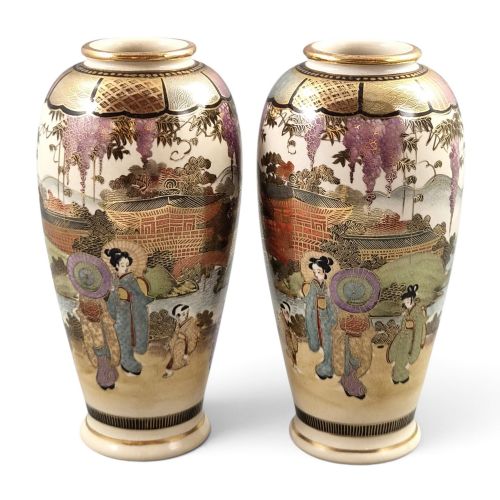
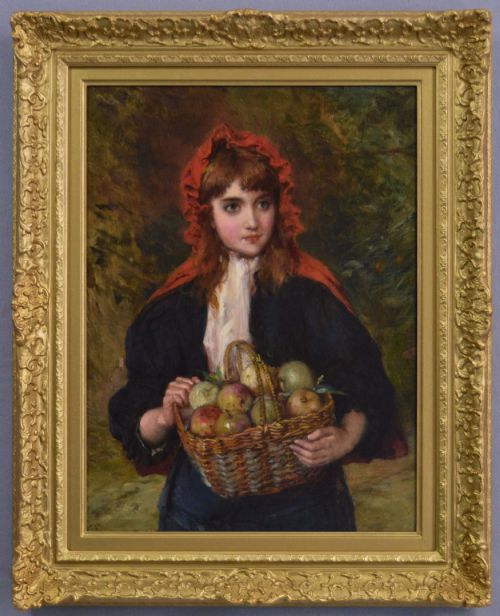
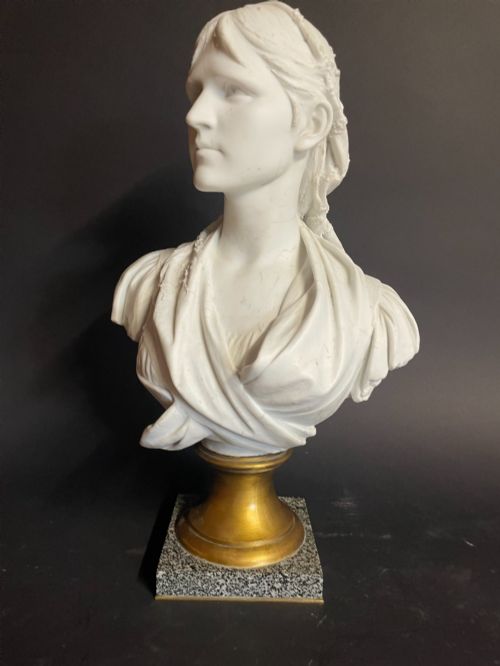
An antique figure of a woman brings sculptural presence and painted narrative into a room, spanning delicate porcelain, carved marble and oil on canvas.
Antique Figure of a Woman
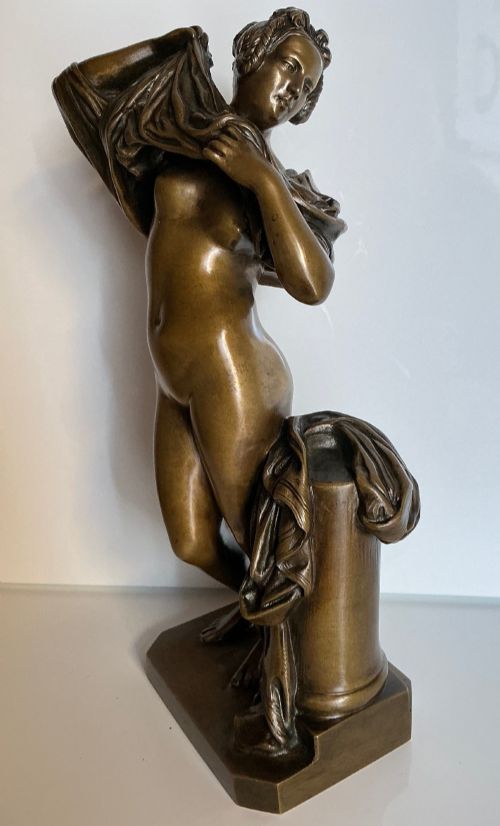
An antique figure of a woman encompasses diverse three-dimensional and two-dimensional representations, ranging from carved marble and cast bronze sculptures to painted portraits on canvas. Buyers searching this phrase encounter subjects depicted in various domestic, classical, and natural settings.
The selections span distinct periods including the nineteenth century alongside early twentieth century productions. Figures appear in materials such as earthenware, porcelain, and alabaster, reflecting shifting aesthetic movements from Victorian tastes to Art Nouveau and Art Deco designs.
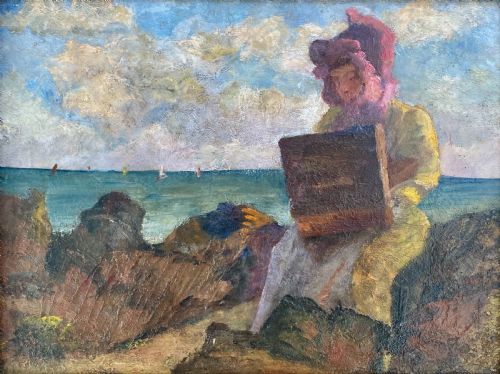
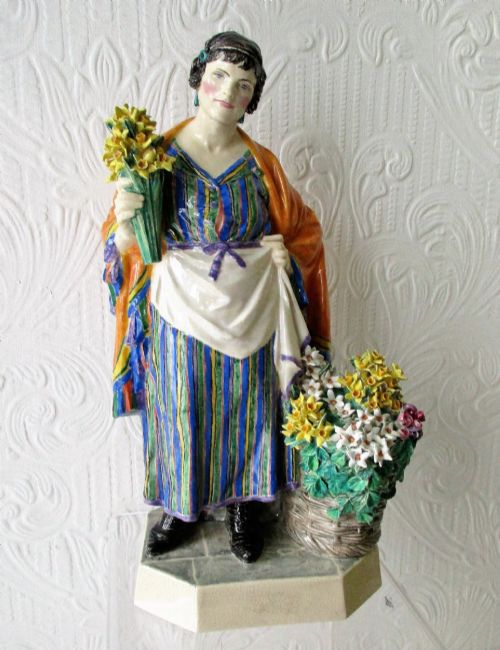
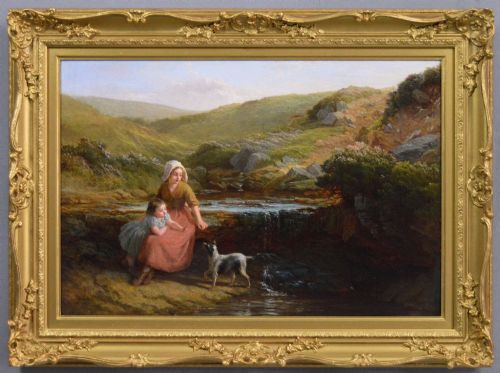
Three-dimensional pieces include portrait busts, decorative figurines, and sculptural dancers, while flat works comprise genre oil paintings and portraits. These objects capture female subjects through regional European and Japanese artisanal traditions.
Materials and Construction
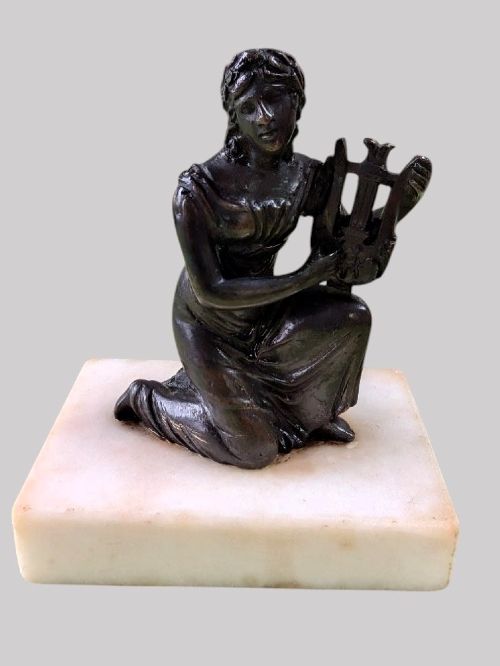
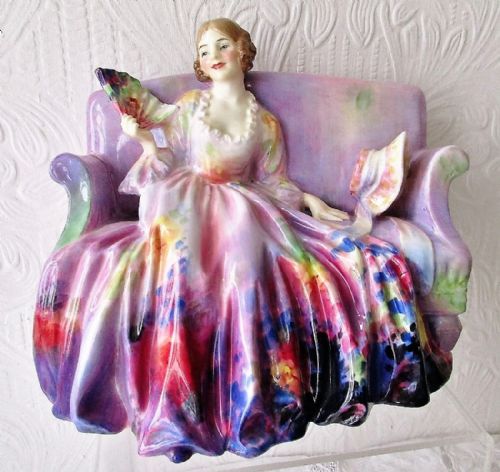
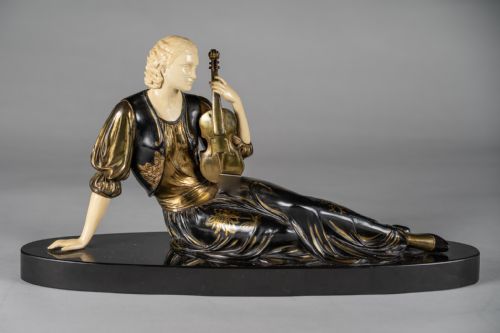
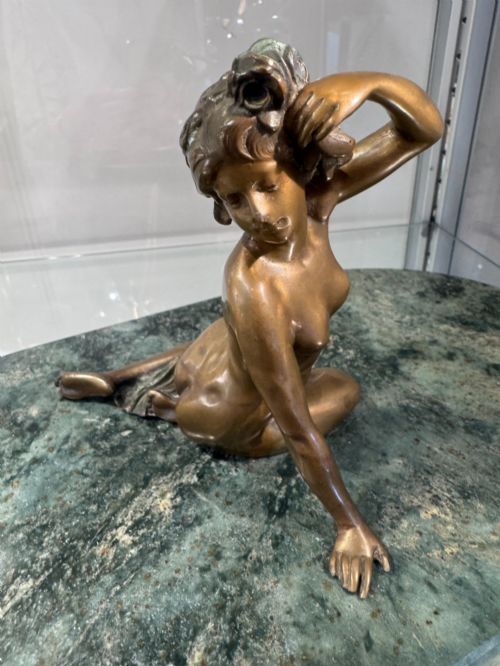
The fabrication of these pieces relies upon traditional casting, carving, and modelling techniques applied to diverse substances. Bronzes involve metal casting often mounted on marble bases, whilst ceramic examples utilise earthenware, porcelain, and studio pottery methods.
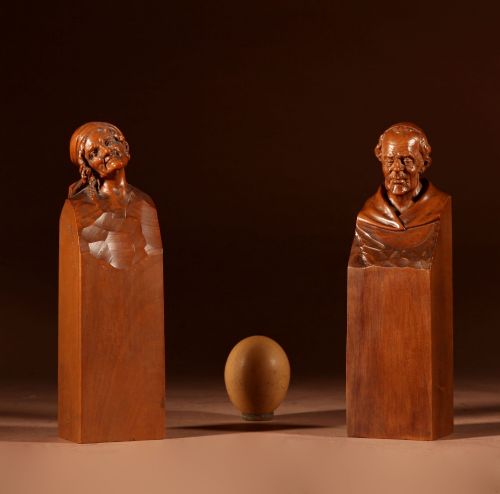
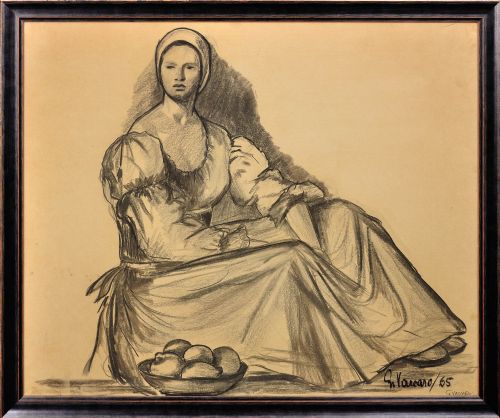
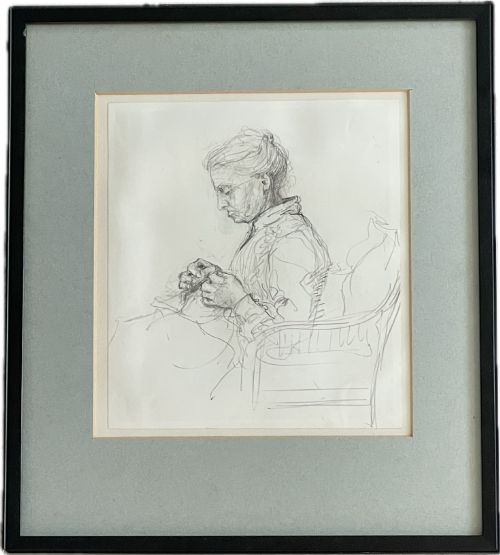
Carved works demonstrate skilled handling of alabaster, pear wood, and marble to achieve detailed drapery and facial expressions. Painted depictions utilise oil on canvas or graphite on paper, employing layered pigments and fine brushwork to establish texture and depth.
Antique Figure of a Woman Retail Price Guide 2026
Typical asking prices for figure of a woman among the pieces listed under this phrase on Sellingantiques today, from the lower quarter to the upper quarter. They describe what is for sale here now, not the wider market.
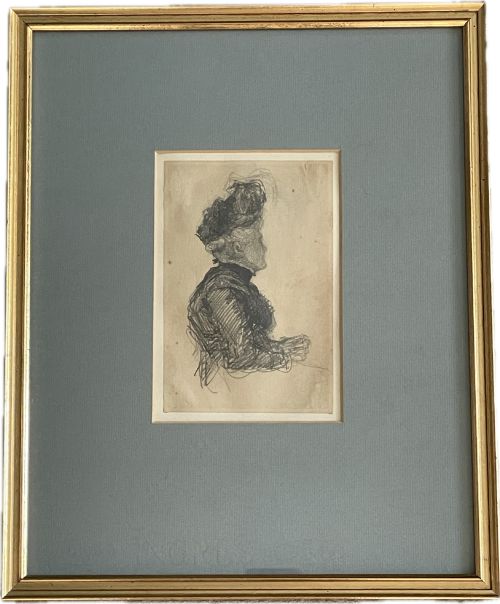
A silent circus drawing sits alongside solemn marble busts and bronze dancers, proving art can be both serious and delightfully eccentric.
Evaluating Execution
The integrity of the material and the sophistication of the composition separate standard commercial output from distinguished pieces. Signed works and items originating from recognised studios or notable makers demonstrate higher levels of design ambition.
Edward Holmes RBA·William Oliver·Demetre Chiparus·Charles Vyse·Jules Dalou
The Antique Figure of a Woman Glossary
- Alabaster
- A fine-grained mineral frequently carved into portrait busts and figural sculptures. Its translucent quality permits subtle play of light across the surface.
- Parian ware
- A type of unglazed bisque porcelain resembling white marble, developed during the nineteenth century for sculptural figures. It captures fine detail with a smooth matte finish.
- Patina
- The surface sheen and coloration developed on bronze sculptures over time through oxidation and handling. It indicates age and protects the underlying metal.
- Genre painting
- Artwork depicting scenes from everyday life involving human subjects. These compositions record domestic moments and outdoor activities.
Antique Figure of a Woman: Frequently Asked Questions
Where were these figures displayed?
These pieces served as interior decorations placed upon mantelpieces, tables, and dedicated pedestals within domestic interiors and galleries. Their presence added classical or contemporary artistic focal points to principal rooms.
Larger marble and bronze sculptures occupied prominent floor spaces, while smaller porcelain figurines and framed paintings adorned smaller surfaces and walls.
How do I identify the period?
Dating relies upon stylistic markers such as Art Nouveau curves or Neoclassical motifs, alongside material composition and finishing techniques. Signature marks and maker inscriptions provide direct chronological references.
Examining the base, patination, and framing offers further clues to the manufacturing era and regional origin.
Are these works signed?
Certain sculptures and paintings bear artist signatures, foundry stamps, or studio marks inscribed into the material or painted upon the surface. These identifiers connect the piece to specific creators and workshops.
Unsigned examples remain common, requiring stylistic attribution based on period conventions and material characteristics.
How should I care for them?
Maintenance involves gentle dusting with a soft brush, avoiding chemical cleaners that might damage delicate patinas, glazes, or painted surfaces. Bronze and marble benefit from stable indoor environments away from direct sunlight and moisture.
Wooden and ceramic pieces require protection from sudden temperature fluctuations to preserve their structural integrity.