


Antique Figural Side Light
An antique figural side light brings sculptural form and period character to a room, offering functional illumination through human or animal figures cast in metal or carved in stone.
Antique Figural Side Light
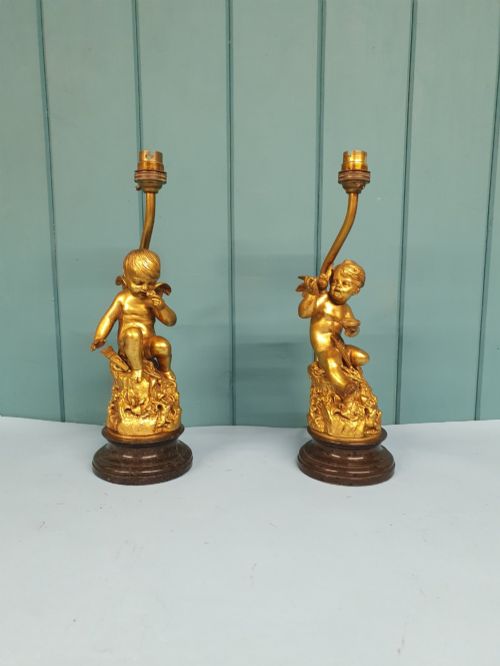
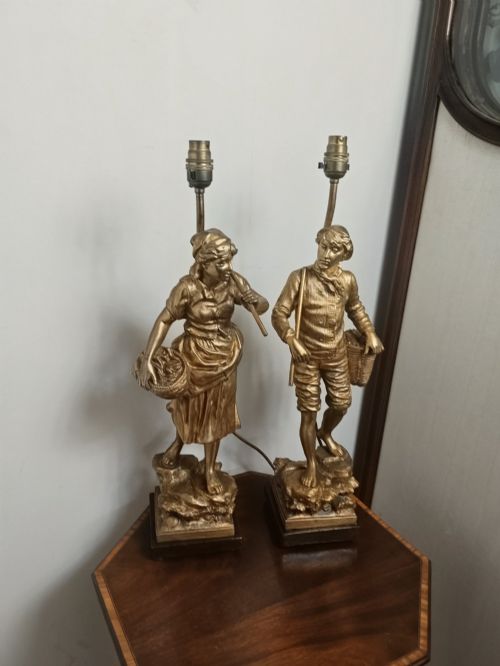
An antique figural side light takes the form of a table or desk lamp incorporating sculpted figures, cherubs, or ladies as the central decorative element. These pieces combine practical lighting with expressive sculptural design, functioning primarily as decorative side illumination.
The most common versions encountered on this page date from the late nineteenth century through to the nineteen-thirties. Examples range from French neoclassical and rococo revival styles to bold Art Deco designs and flowing Art Nouveau contours.
How they were made
These lamps rely on cast metals such as bronze, brass, and chrome to form the structural figures and bases. Many pieces incorporate carved marble plinths, ceramic bases, or glass elements to complement the metallic structure.
Makers frequently combined materials within a single piece, pairing frosted glass figurines or fabric shades with metal mounts and porcelain bodies. Surface treatments include gilding, patination, and hand-painted details on porcelain or ceramic sections.
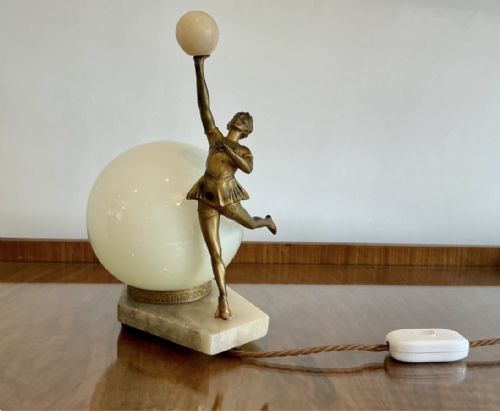
One nineteen-thirties Art Deco lamp immortalizes a tennis player mid-match, bringing athletic vigour to the usual lineup of serene cherubs and ladies.
What varies in quality
The choice and integrity of the supporting materials also separate standard pieces from superior ones. Heavy marble or solid bronze bases indicate a higher grade of manufacture than lighter alloy or hollow pressings.
E Rousseau·Aug Moreau
The Antique Figural Side Light Glossary
- Patina
- The surface sheen and coloration developed on metal or wood over decades of handling and exposure. It provides a visual indicator of age and wear.
- Ormolu
- Gilt bronze, where a layer of gold is applied to a bronze base using mercury amalgamation or electroplating. This finish creates a rich golden appearance.
- Spelter
- A zinc alloy frequently used as a cheaper alternative to bronze for figural castings. It is softer and often painted to imitate bronze.
- Cloisonné
- An enamelling technique where thin metal strips are applied to a metal body to create cells filled with vitreous enamel. It appears on various decorative lamp bases.
- Frosted glass
- Glass treated with acid or sandblasting to create a matte, translucent surface. This technique diffuses the light emitted from the bulb.
Antique Figural Side Light: Frequently Asked Questions
How do I date a figural lamp?
Dating relies heavily on the stylistic clues of the figure, the base materials, and the manufacturing methods. Art Deco pieces show geometric lines from the nineteen-thirties, while earlier nineteenth-century examples often favour neoclassical or rococo revival motifs.
Examining the wiring, screw threads, and lamp holders can also provide clues, though many antique lamps have been rewired for modern use.
What styles are common in these lamps?
The selection includes French neoclassical, rococo revival, Art Nouveau, and Art Deco styles. Figures range from classical cherubs and putti to stylized female dancers and tennis players.
Materials shift across these styles, moving from gilded bronze and marble in the nineteenth century to chrome and frosted glass by the nineteen-thirties.
Where should I place a side light?
These lamps suit side tables, desks, or mantelpieces where their sculptural qualities can be appreciated up close. They provide ambient accent lighting rather than bright task illumination.
Keep them away from direct moisture and position them on stable surfaces to protect the heavy bronze, brass, or marble bases.
Are these lamps fragile?
The metal and stone components are generally robust, but glass shades, frosted panels, and porcelain bases require careful handling. Regular dusting with a dry cloth helps preserve the patination on bronze and brass surfaces without stripping the finish.
Check the stability of the figure on its base periodically, as older fixings can loosen over time.