



Antique Figural Candle Sconces
Antique figural candle sconces bring sculptural presence to a wall, combining human or mythical figures with functional illumination.
Antique Figural Candle Sconces
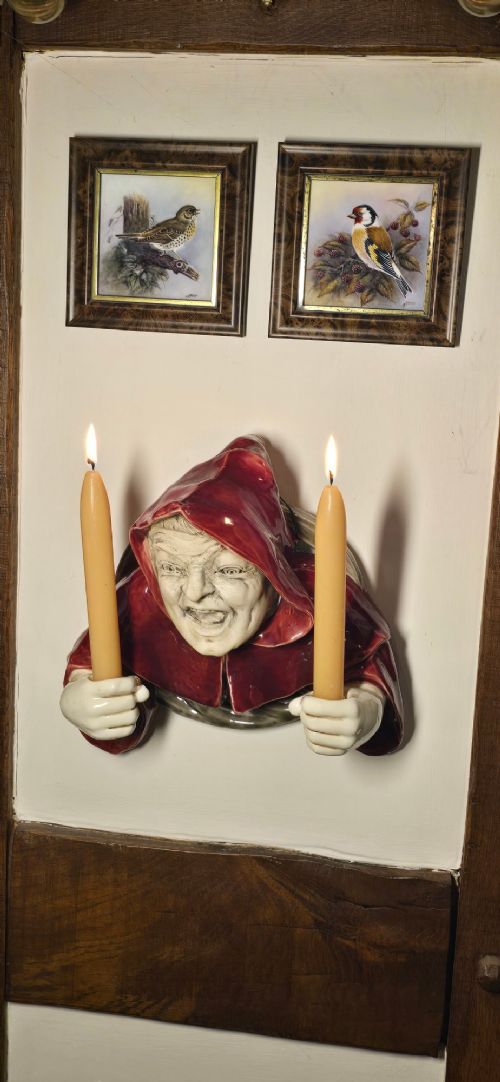
Antique figural candle sconces and related figurative lighting encompass wall-mounted fixtures, candelabra, and sculptural candlesticks shaped around human figures, putti, caryatids, and historical or mythological characters.
The pieces appearing on this page stretch across the Georgian, Victorian, and Edwardian eras, with notable French, German, and English origins represented in the selection.
Buyers will encounter materials ranging from hard paste porcelain and enamel to cast bronze, silver plate, and carved elements mounted on marble or onyx bases.
Materials and Techniques
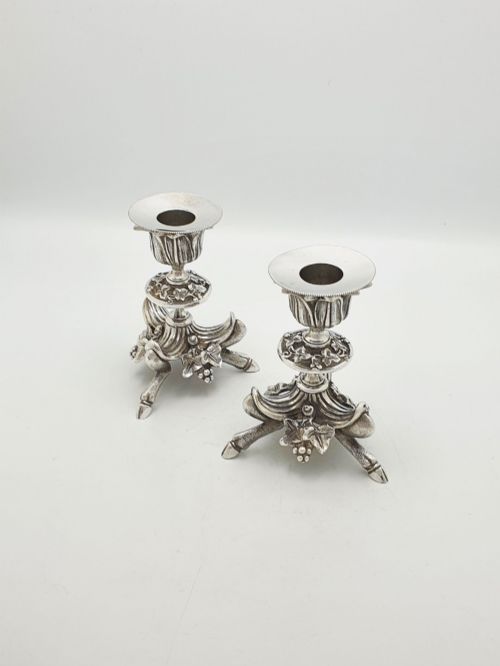
Metal examples utilise bronze, spelter, and silver plate, often featuring patinated finishes, gilding, or gold leaf applied to cast figures and armatures.
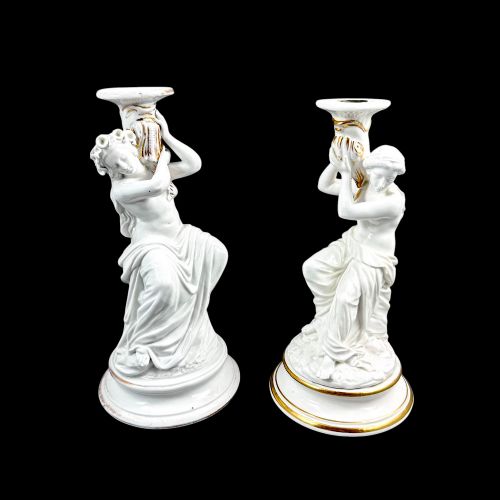
Ceramic and porcelain items employ hard paste bodies, soft glazes, and hand-painted polychrome enamel details, sometimes paired with gilt bronze mounts.
Antique Figural Candle Sconces Retail Price Guide 2026
Typical asking prices for figural candle sconces among the pieces listed under this phrase on Sellingantiques today, from the lower quarter to the upper quarter. They describe what is for sale here now, not the wider market.
Listings feature periods spanning from the Georgian era through the Victorian period and into the early twentieth century, utilising bronze, porcelain, and marble.
Craftsmanship and Execution
The distinction between tiers rests in the crispness of the casting in metal pieces and the fineness of the hand-painting and modelling in porcelain figures.
Superior examples maintain their original gilding, patination, and matching elements, while lesser pieces show loss to the finish or replaced components.
Royal Worcester·Sitzendorf·Derby Porcelain·Minton·James Hadley
The Antique Figural Candle Sconces Glossary
- Caryatid
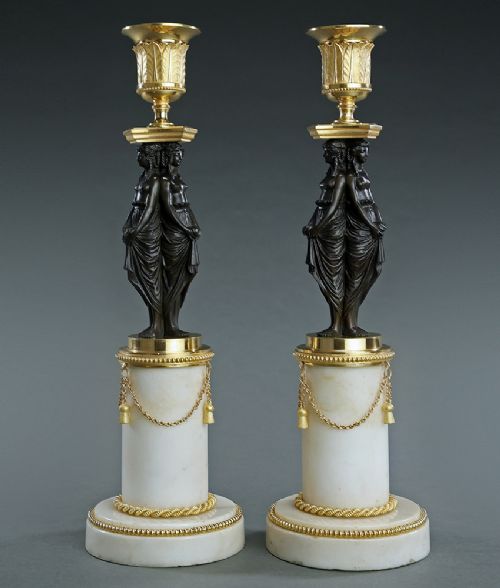
- A sculpted female figure serving as an architectural support or architectural element in place of a column. These figures frequently appear supporting candle arms on classical sconces.
- Spelter
- A zinc alloy commonly utilised as a less costly alternative to bronze for figural castings during the nineteenth century. It is usually given a bronze or painted finish.
- Hard paste porcelain
- A dense ceramic composition fired at high temperatures, allowing for sharp detail in moulded figural groups. Factories such as Derby and Sitzendorf utilised this material.
- Rococo Revival
- A nineteenth-century design style marked by asymmetric scrollwork, naturalistic floral motifs, and flowing curves. It heavily influences the bases and sconces of many Victorian pieces.
Antique Figural Candle Sconces: Frequently Asked Questions
How do I mount antique figural candle sconces safely?
Wall-mounted sconces require secure fixings suited to the weight of the metal, bronze, or ceramic body. Ensure the wall brackets match the original hanging points before installation.
Keep burning candles away from draughts and soft furnishings to protect both the surrounding room and the antique material.
Can these candle sconces be converted to electricity?
Many collectors prefer to retain the original configuration for candles, but professional conversion is possible. A restorer can run wiring without altering the visible figural elements.
Discuss reversible wiring methods with a specialist to preserve the structural integrity of bronze or porcelain components.
How should I clean porcelain figural candle sconces?
Dust porcelain surfaces gently with a soft, dry brush to remove particles without disturbing delicate painted enamel details. Avoid harsh chemical cleaners that can strip surface decoration.
Metal components require specific care depending on whether they feature original patination, silver plating, or gilt bronze finishes.
What distinguishes French figural sconces from English pieces?
French examples often lean towards neoclassical or rococo themes utilising bronze, marble, and patinated metals, frequently referencing classical mythology. English productions more commonly employ porcelain figures from factories like Derby and Worcester.
Both traditions integrate sculptural figures directly into the functional design of the light holder.