
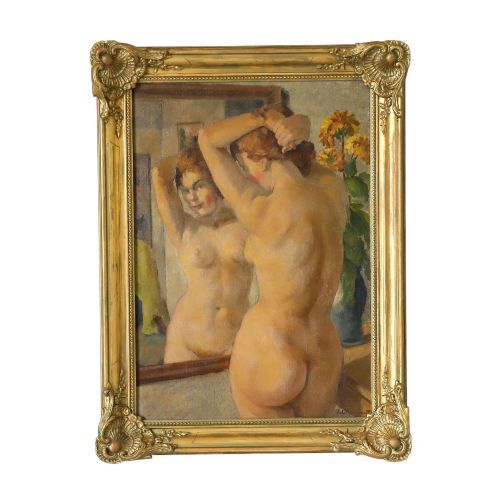


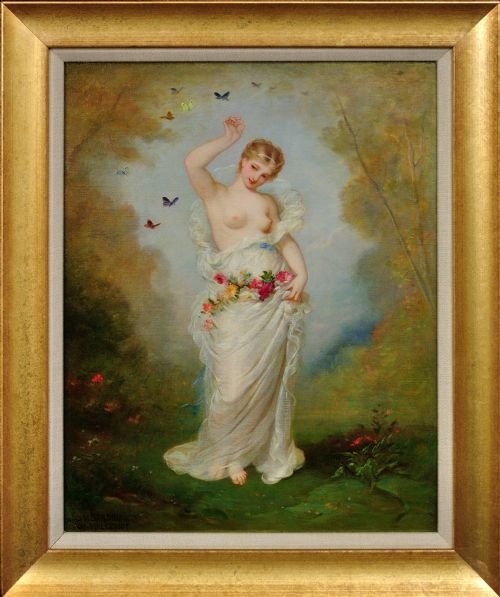


Antique Female Nude Painting
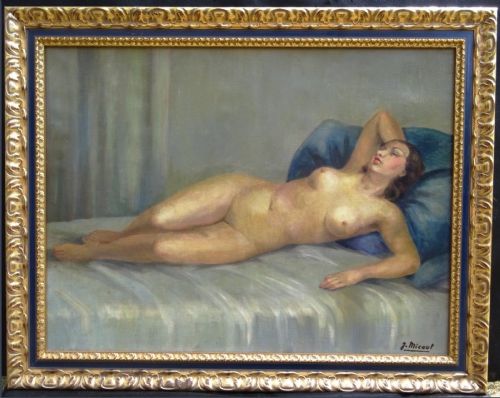
An antique female nude painting brings centuries of intimate form and human expression into a room, spanning delicate waterpapers to bold canvases.
Antique Female Nude Painting
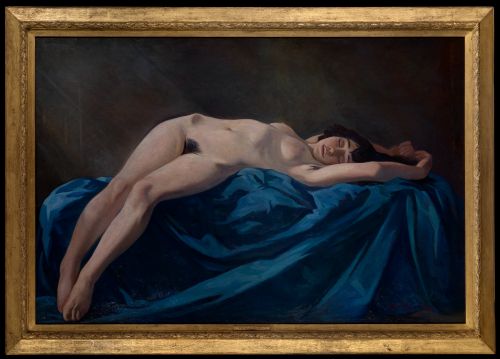
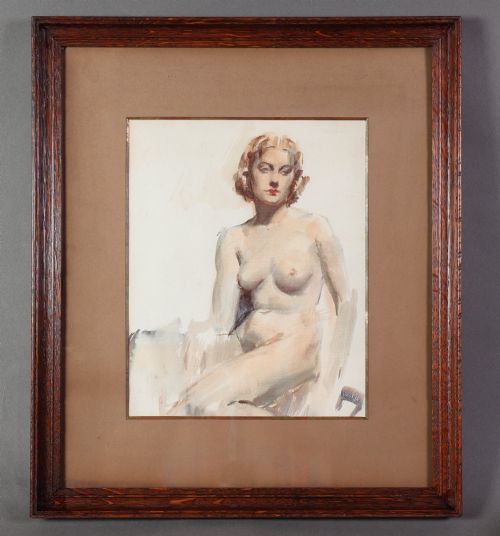
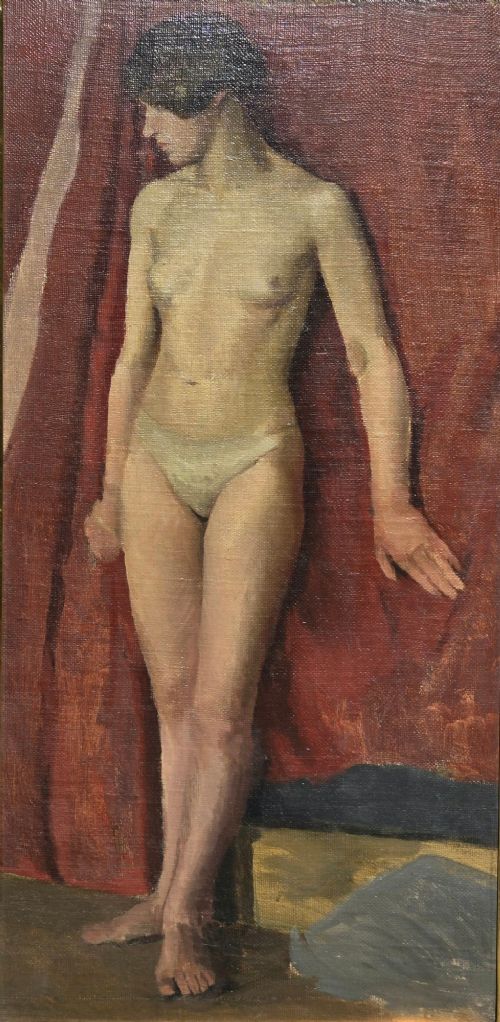
An antique female nude painting encompasses works rendered in oil, watercolour, and ink across periods ranging from the mid-nineteenth century through the mid-twentieth century. Buyers searching this phrase encounter everything from French academic compositions and Impressionist riverbank scenes to intimate British school studies.
The selections available here lean heavily toward early twentieth-century oil on canvas and paper, alongside Victorian watercolours and detailed miniatures. Works reflect broader movements including Art Deco, Orientalism, and the Edwardian academic tradition.
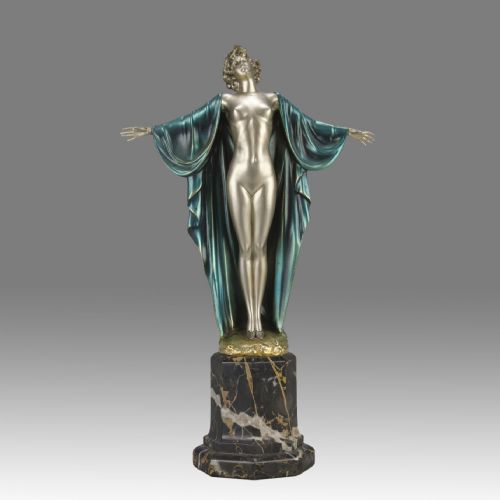
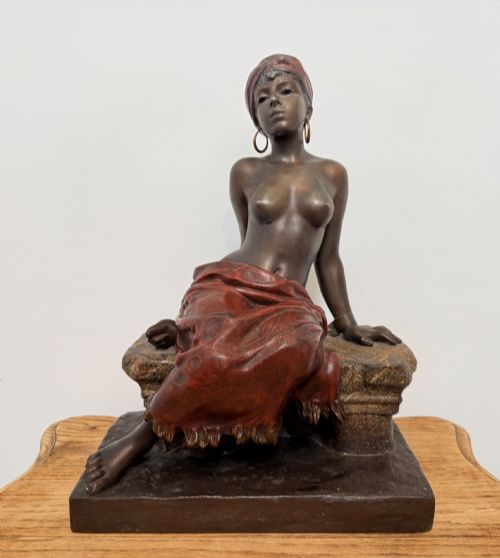
Subjects range from mythological Nereids and dancers to quiet domestic interiors and sunbathing figures. The presence of sculptural bronze figurines alongside these flat works reveals how makers across Europe rendered the human form in three dimensions as well.
Materials and Technique
Artists relied primarily on oil paint applied to canvas or wood panel, utilising brushwork that ranges from tight academic realism to loose Impressionist and Fauvist strokes. Watercolours and pen-and-ink sketches on paper offer a more immediate, transparent glimpse into the draughtsmanship of the period.
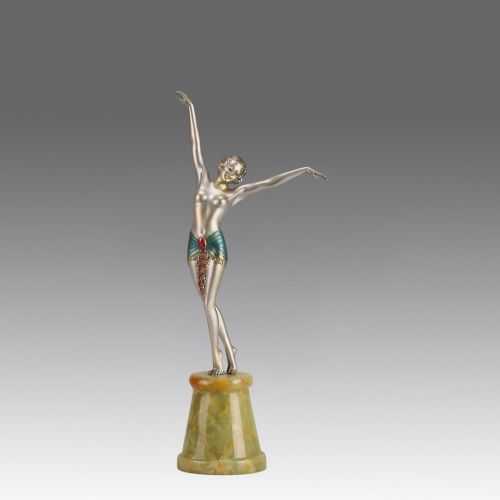
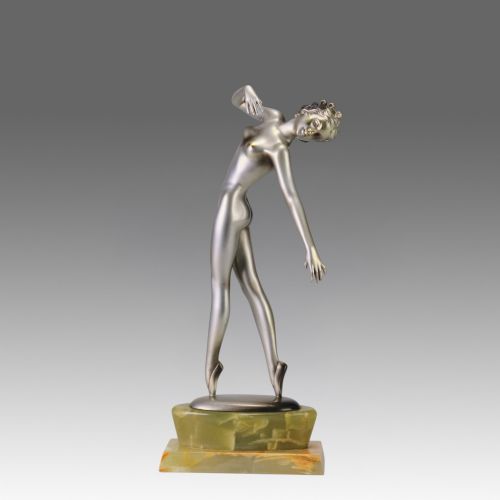
Bronze works often employ cold-painted techniques, where intricate patination is applied by hand over the metal surface, sometimes paired with bases of onyx. Spelter and other alloy figures demonstrate parallel approaches to casting and surface finish in an Art Deco idiom.
Several bronze dancers strike poses that suggest they might prefer stepping off their onyx plinths to join the party.
Evaluating Quality
The distinction between ordinary and exceptional works rests on the surety of the line and the handling of light across the human form. Superior pieces demonstrate anatomical conviction and purposeful brushwork, whereas lesser examples rely on formulaic shading and stiffness in posture.
Provenance and attribution elevate certain works, particularly when signed by documented academic masters or members of recognised avant-garde groups. The harmony between the medium and the subject matter further separates standard decorative studies from enduring artistic achievements.
Ferdinand Preiss·Josef Lorenzl·Bergman Vienna·E Villanis·Bruno Zach·William Edward Frost·Sir William Russell Flint
The Antique Female Nude Painting Glossary
- Academic Realism
- A style of painting and sculpture produced under the influence of European academies of art, prioritising accurate anatomy and classical themes. It often reflects rigorous training in proportion and historical precedent.
- Cold-Painted Bronze
- A method of decorating bronze sculptures by applying polychrome paint over a metallic base without firing at high temperatures. This technique requires careful hand-application to achieve vivid surface detail.
- Impressionism
- A nineteenth-century movement characterised by relatively small, thin, yet visible brush strokes and an emphasis on accurate depiction of light. Artists working in this manner prioritized outdoor subjects and everyday scenes.
- Spelter
- An alloy of zinc and lead used as a cheaper alternative to bronze for casting decorative figurines. It was frequently painted to simulate bronze or given metallic finishes during the Art Deco era.
- Nereid
- A sea nymph in Greek mythology, frequently depicted in classical and academic art as a female figure inhabiting marine environments. These subjects allowed artists to explore draped or nude forms near water.
Antique Female Nude Painting: Frequently Asked Questions
What periods do these paintings cover?
The selections span from the mid-nineteenth century through the mid-twentieth century, capturing shifts from academic realism to early modernism.
Key decades represented include the Victorian era, the Edwardian period, and the interwar years of the nineteen-twenties and nineteen-thirties.
How should I display an antique nude?
These works suit traditional study spaces, drawing rooms, or private galleries where lighting can be controlled to highlight surface textures.
Framed oil paintings and watercolours require placement away from direct sunlight to preserve the integrity of the pigments.
Are bronze sculptures included with the paintings?
Several cold-painted bronze figures and spelter statuettes accompany the flat works on this page, offering complementary interpretations of the human form.
These three-dimensional pieces share aesthetic links with the paintings through their shared period styles, including Art Deco and Orientalism.
What is the difference between academic and impressionist works?
Academic paintings focus on precise draughtsmanship, smooth blending, and mythological or historical narratives inherited from official training institutions.
Impressionist and post-impressionist pieces prioritise loose brushwork, natural light effects, and contemporary scenes observed directly from life.