

Antique Female Figure
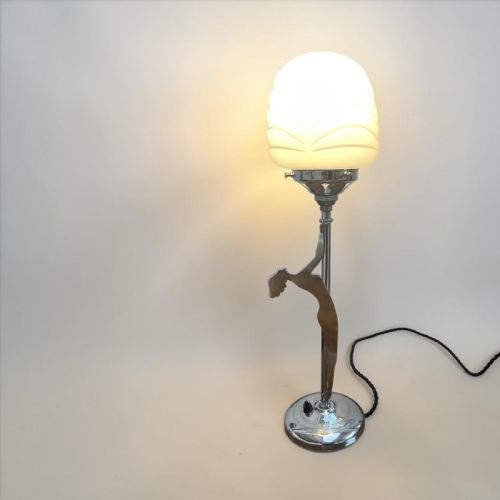
An antique female figure brings classical grace, Art Deco rhythm, or Victorian solemnity into a room through bronze, alabaster, and oil paint.
Antique Female Figure
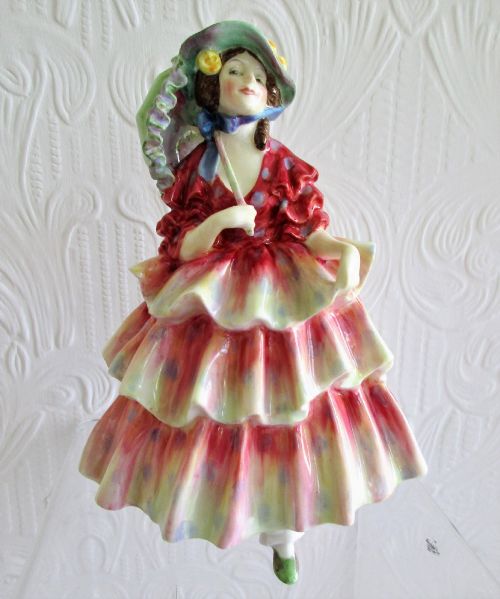
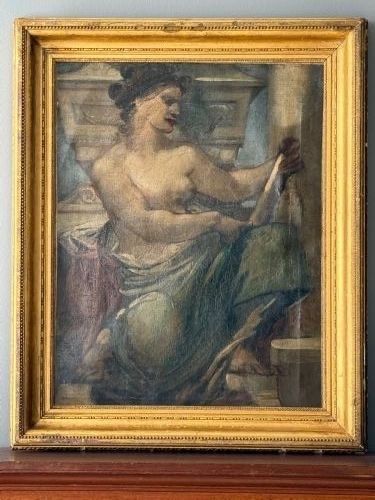
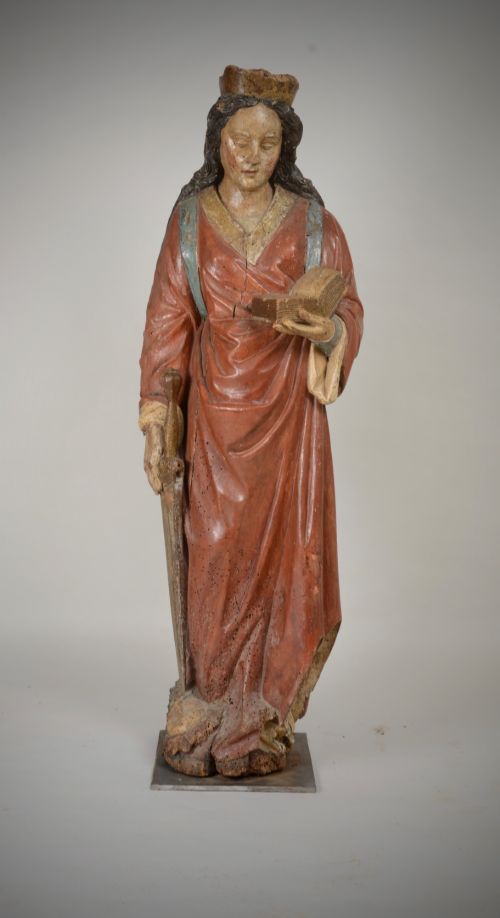
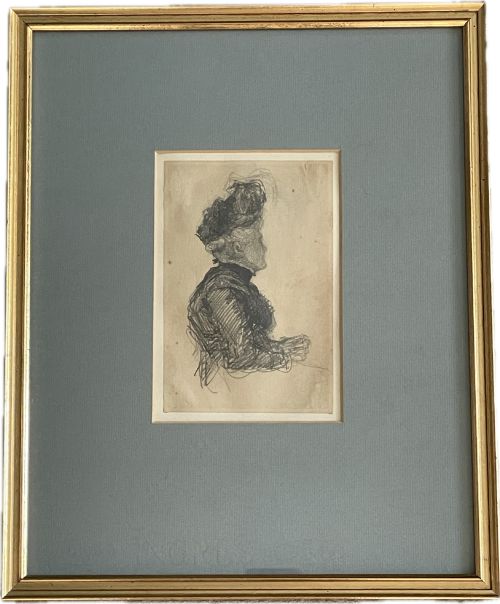
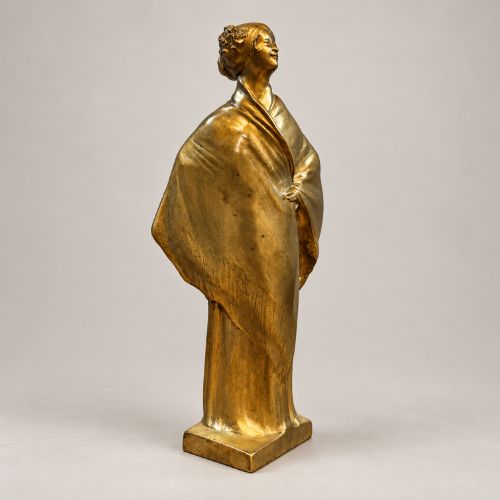
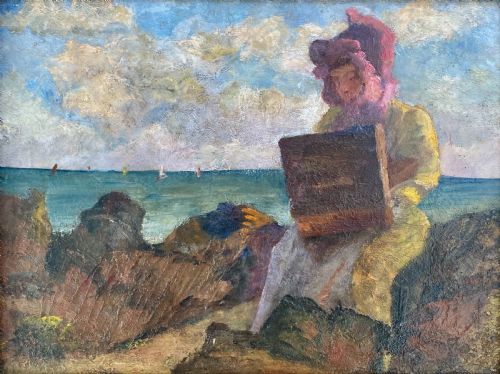
When you search for an antique female figure, you encounter sculptural works in bronze, alabaster, and cast stone alongside oil paintings, drawings, and portraits on canvas or board. These objects span periods from the eighteenth century through the Victorian era into the Art Deco and Art Nouveau movements of the early twentieth century.
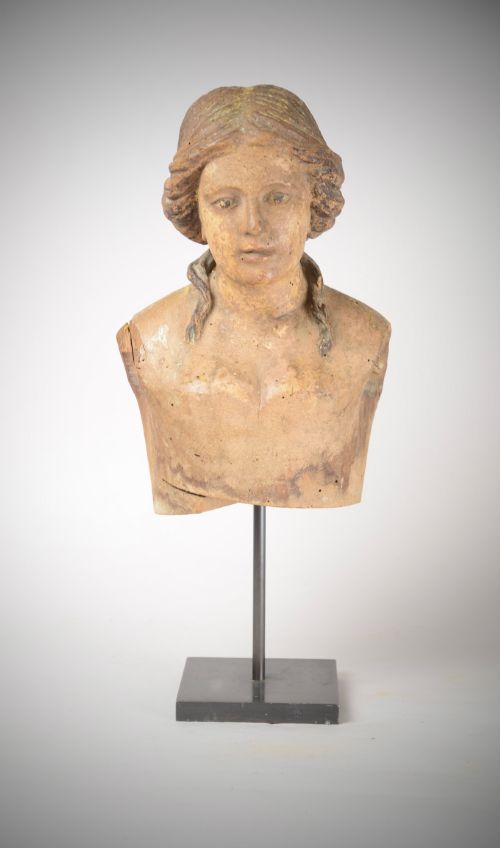
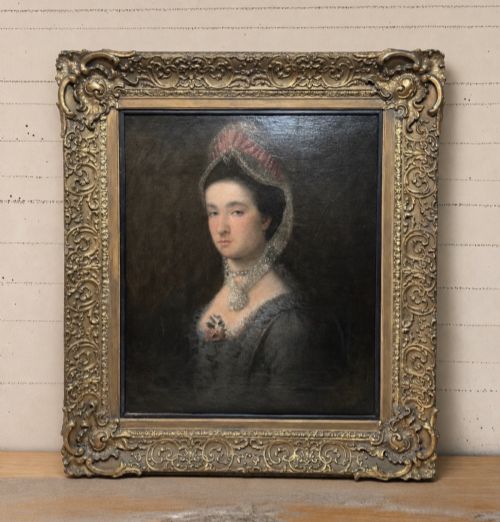
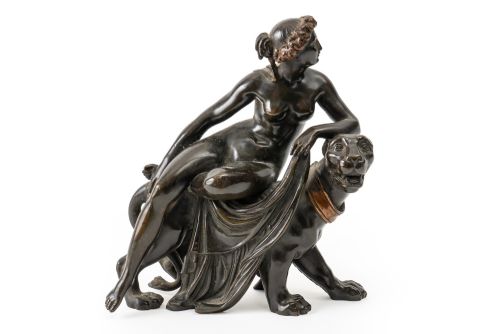
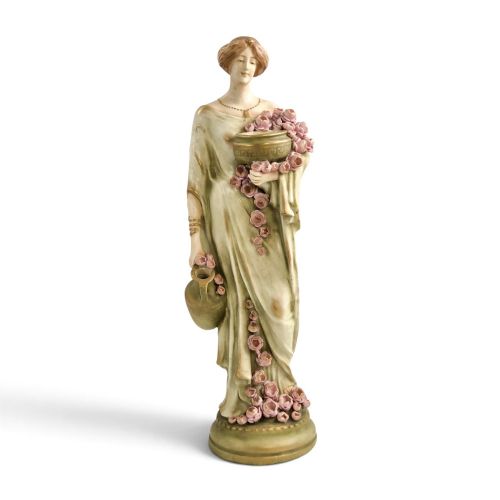
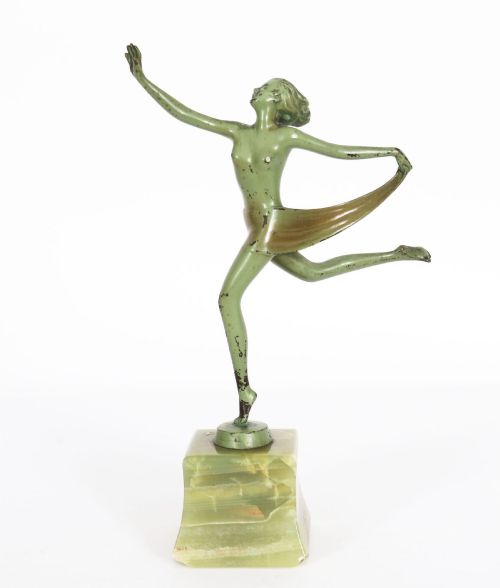
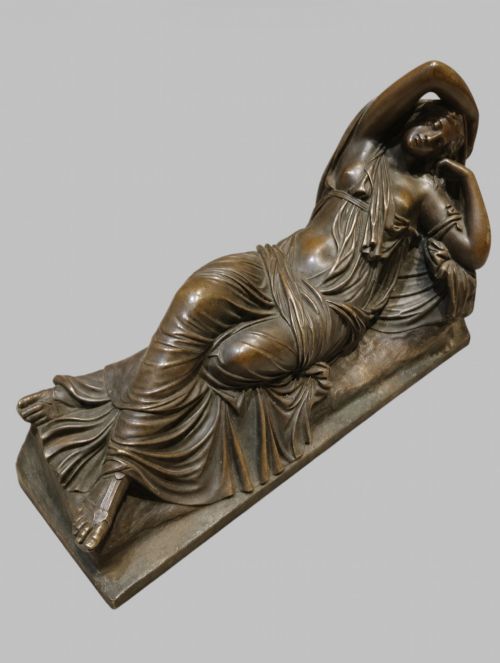
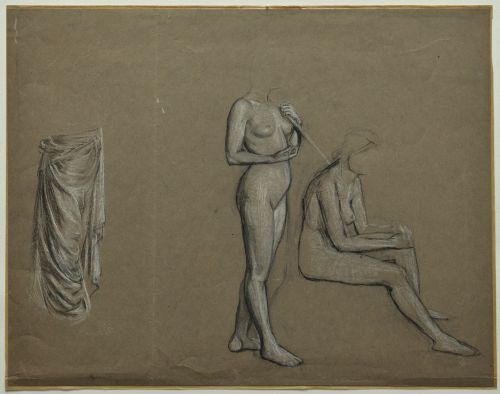
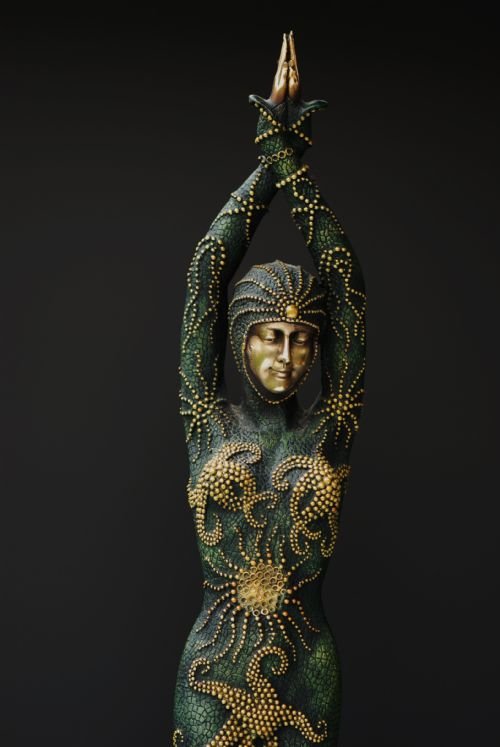
The sculptural pieces take the form of full-length dancers, classical maidens, bathers, and detailed busts representing mythological figures like Diana or muses like Erato. You also meet two-dimensional works depicting female subjects, ranging from eighteenth-century French school drawings to twentieth-century oil paintings and mixed media studies.
Materials and methods of construction
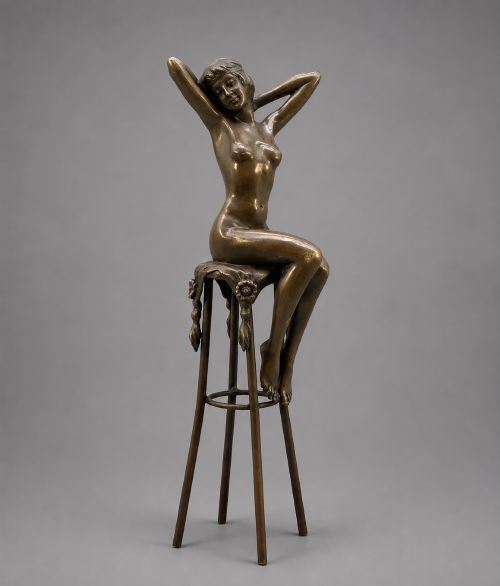
The physical objects rely heavily on cast metals such as bronze, silvered bronze, cold-painted bronze, and spelter, frequently mounted upon heavy marble or stone bases. Foundries and artisans utilised lost-wax casting and hand-finishing techniques to render the drapery, hair, and posture of the subject.
Carved stone pieces utilise alabaster, marble, and cast stone to achieve smooth surfaces for busts and full figures. Painted works employ oil on canvas, oil on board, and mixed media on paper, often framed in giltwood to complement the palette of the image.
Antique Female Figure Retail Price Guide 2026
Typical asking prices for female figure among the pieces listed under this phrase on Sellingantiques today, from the lower quarter to the upper quarter. They describe what is for sale here now, not the wider market.
Listings feature sculptural works in bronze, alabaster, and marble alongside oil paintings and drawings spanning the eighteenth to the twentieth centuries.
Distinctions in standard and execution
The quality of a cast bronze or spelter figure depends upon the crispness of the chasing and the subtlety of the patina, where superior examples retain sharp facial expressions and clear detailing in the fingers and drapery. Casts produced by established foundries or signed by known sculptors display greater precision in assembly and mounting on the marble base.
Gustave Dussart·Maurice Giraud-Rivière·Etienne-Henri Dumaige·Ferdinand Barbedienne·Bruno Zach·Josef Lorenzl·E Villanis·Affortunato Gory
The Antique Female Figure Glossary
- Spelter
- A zinc alloy utilised as a less expensive substitute for bronze in decorative figures, often given a bronze-coloured or painted finish. It appears frequently in twentieth-century decorative statuary.
- Parian ware
- A fine-grained bisquefine porcelain resembling marble, developed in the nineteenth century and used for portrait busts and classical figures. It offers a smooth, matte white surface.
- Cold-painted bronze
- Bronze objects decorated with non-heat-set paints, a technique common in Austrian foundries during the late nineteenth and early twentieth centuries. The surface requires careful handling to preserve the pigment.
- Grand Tour
- A cultural journey undertaken by wealthy Europeans in the eighteenth and nineteenth centuries, returning with small-scale bronzes, busts, and artworks collected along the route.
- Lost-wax casting
- A metal-casting method where a wax model is melted from a mould to create a hollow metal sculpture. This process allows for intricate detail in figurative works.
Antique Female Figure: Frequently Asked Questions
How do I identify Art Deco figures?
Art Deco figures typically feature stylized, geometric lines with subjects like dancers, athletes, or companions posed on spherical or stepped marble bases. The materials often include silvered bronze, cold-painted bronze, or carved alabaster reflecting the aesthetic of the 1920s and 1930s.
These pieces emphasise dynamic movement and modern costume, distinguishing them from the softer, flowing organic curves of earlier Art Nouveau or the rigid symmetry of Neoclassical works.
What is the difference between bronze and spelter?
Bronze is a durable copper alloy that takes a deep patina and holds fine chisel work during the casting process. Spelter is a softer zinc-based metal that was frequently used for decorative statuary as a more affordable alternative.
Under closer inspection, bronze feels heavier and colder, whereas spelter is lighter, softer, and more prone to surface wear where the applied finish has rubbed away.
How do I care for cold-painted bronze?
Cold-painted bronze requires gentle dusting with a soft, dry brush to protect the delicate painted pigments applied to the metal surface. Moisture and chemical cleaning agents must be avoided entirely as they lift the original paint.
Keeping the piece in a stable environment away from direct sunlight prevents the colours from fading and preserves the fragile finish.