



Antique Faux Tortoiseshell
Antique faux tortoiseshell items bring rich mottled warmth into a room, spanning dressing table sets, mirrors and clocks crafted across the nineteenth and early twentieth centuries.
Antique Faux Tortoiseshell
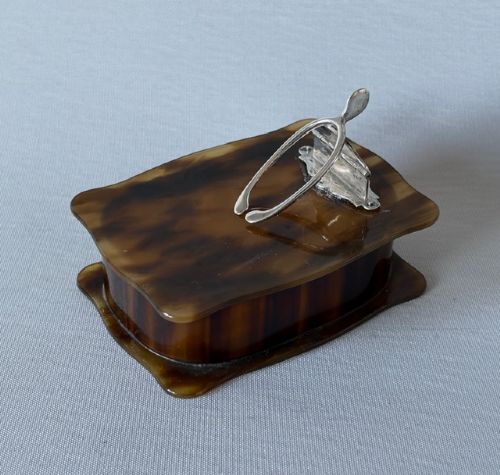
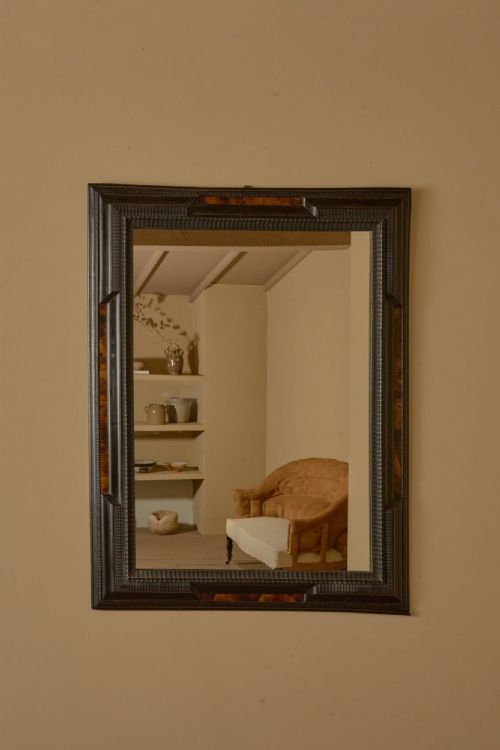
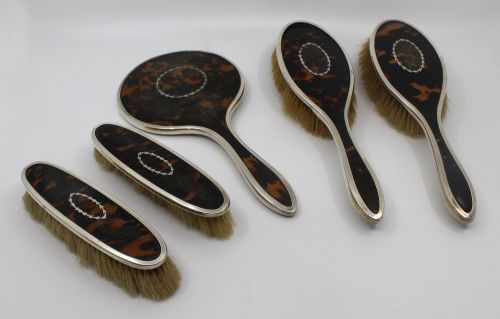
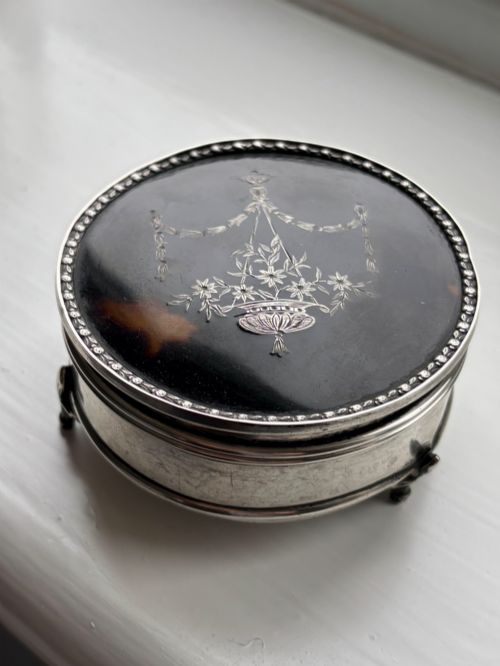
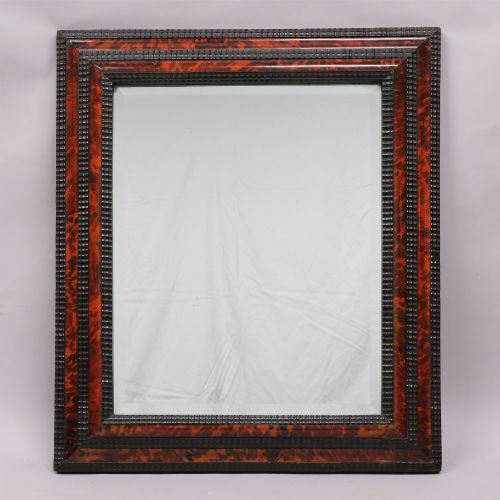
When you search for antique faux tortoiseshell, you encounter an array of decorative objects, mirrors and timepieces fashioned to mimic the coveted patterning of genuine shell. The selection here ranges from Victorian vanity items and mantel clocks to Italian ripple-framed mirrors and Art Deco dressing table boxes. These pieces capture the tortoiseshell aesthetic through ingenious surface treatments rather than organic materials, offering a distinctive domestic presence.
The objects most commonly met on this page include mirrors and clocks produced during the nineteenth century, alongside George V and Art Deco silver-mounted vanity pieces. Makers utilised paint, celluloid and specialised finishing techniques on wood, glass and metal to replicate the translucent amber and dark brown shell markings. These domestic furnishings demonstrate how nineteenth and early twentieth century craftsmen satisfied the appetite for exotic textures using alternative means.
What varies in quality
The distinction between ordinary and superior examples lies in the depth and naturalism of the mottled surface pattern. Finer pieces display layered, translucent colouration that closely mimics the organic depth of real shell, whereas lesser items present flat, uniform brushwork. The quality of the underlying substrate, whether seasoned timber, heavy glass or cast metal, also dictates the overall substance of the piece.
Execution of secondary elements, such as the crispness of ripple mouldings on frames or the integration of sterling silver mounts by established makers, separates standard production from exceptional work. The longevity of the surface finish and the preservation of the painted or treated ground determine how well the illusion holds up under scrutiny. Superior examples maintain their visual richness and structural integrity across decades of domestic use.
Antique Faux Tortoiseshell Retail Price Guide 2026
Typical asking prices for faux tortoiseshell among the pieces listed under this phrase on Sellingantiques today, from the lower quarter to the upper quarter. They describe what is for sale here now, not the wider market.
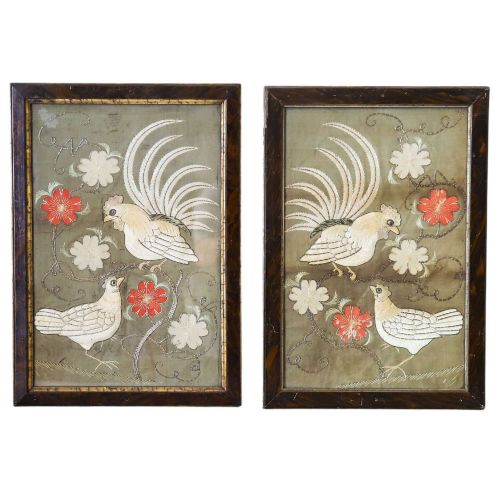
Cockerels and hens gaze out from behind protective frames, immortalised in French silk embroideries alongside tortoiseshell illusions.
Ollivant & Botsford·Hawkes & Co
The Antique Faux Tortoiseshell Glossary
- Ebonised wood
- Timber treated with a dark finish to imitate expensive ebony. This dark ground frequently frames faux tortoiseshell panels and mirrors.
- Ripple frame
- A picture or mirror frame featuring undulating, wave-like mouldings carved or shaped into the wood. These often accompany nineteenth century Italian faux tortoiseshell mirrors.
- Celluloid
- An early thermoplastic material developed in the nineteenth century. It was frequently utilised in Art Deco pieces to simulate tortoiseshell and other natural textures.
- Tôle peinte
- Painted sheet metal, typically tin or iron, shaped into domestic items such as trays and decorative objects. Artisans applied pigmented finishes to create tortoiseshell and other decorative effects upon the metal surface.
Antique Faux Tortoiseshell: Frequently Asked Questions
What is faux tortoiseshell made from?
These pieces achieve their mottled appearance through painted surfaces on wood or metal, or via synthetic materials like celluloid. Craftsmen layered pigments to imitate the distinctive amber and dark brown tones of genuine shell.
Substrates vary from ebonised wood and glass to tôle peinte and sterling silver mounts, depending on the specific object type and period of manufacture.
How do I date a faux tortoiseshell mirror?
Dating relies on observing construction methods, framing styles and associated materials such as ebonised wood or ripple mouldings. Nineteenth century examples often feature heavy wooden frames with distinct graining.
Twentieth century pieces, including Art Deco items, frequently incorporate modern synthetics like celluloid alongside silver mountings bearing hallmarks that provide precise years.
Where were these decorative items used?
Domestic objects such as mantel clocks, wall mirrors and dressing table boxes served functional and decorative roles in Victorian and Edwardian interiors. Vanity sets sat upon bedroom dressing tables for daily grooming routines.
Larger items like cupboards, bedstead frames and wall brackets brought decorative warmth into principal reception rooms and private chambers alike.
How do I care for antique faux tortoiseshell?
Maintenance requires gentle dusting with a soft, dry cloth to protect delicate painted surfaces and aged finishes from abrasion. Avoid liquid cleaners and harsh chemicals that might degrade historic pigments or varnishes.
Keep pieces away from direct sunlight and extreme temperature fluctuations to prevent the warping of wooden substrates or the degradation of early plastics.