


Antique Faux Marble Table
An antique faux marble table brings decorative surface painting and classic stone appearance into rooms through wood, paint and specialist finishing techniques.
Antique Faux Marble Table
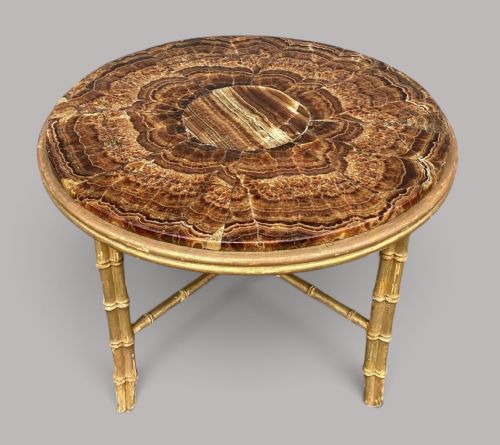
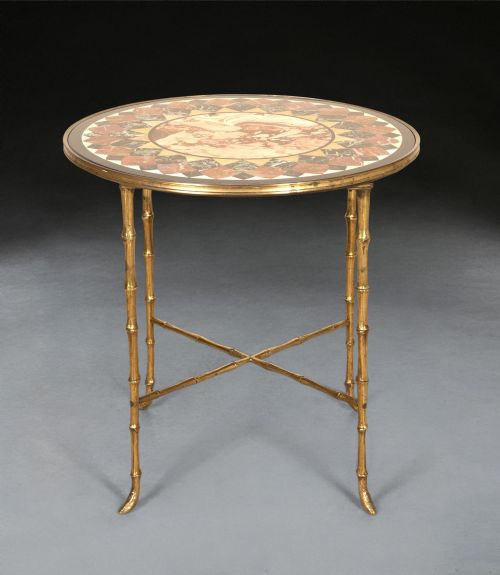
When hunting for an antique faux marble table, buyers encounter a variety of forms ranging from washstands and dressing tables to console tables and low occasional coffee tables. These pieces emerge across several periods, including the eighteenth century, the Regency era, the Victorian period, and the late nineteenth century.
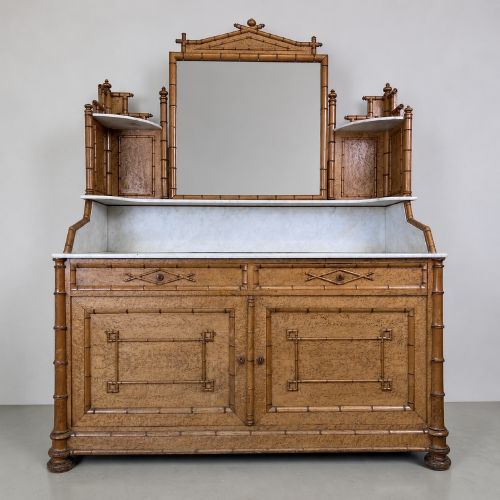
The most frequent examples found in this selection include washstands, bedside cabinets, and console tables featuring painted surfaces mimicking stone. Makers applied these decorative finishes to practical items of furniture, combining solid timbers and pine with painted decoration to create the appearance of luxurious material on more accessible items.
Styles span Neoclassical, French Chateau, French Aesthetic Movement, and Victorian faux bamboo, showing how different workshops adapted the painted marble surface. An antique faux marble table might present as an Italian Neoclassical console or a French bedside piece with simulated stone tops.
How they were made
Craftsmen utilised wood, pine, and painted wood as the foundational structures for these items, applying specialist paint layers to achieve the simulated stone effect. Artisans manipulated paint and pigments by hand to replicate the natural veining, colour variations, and depth found in genuine quarried marble.
Carpenters built the supporting tables, washstands, and pedestals using traditional joinery before painters executed the faux finish across the top surfaces. Additional materials like giltwood, brass, and glass sometimes complemented the painted woodwork, particularly in Neoclassical or French furniture.
Listings feature 19th Century, Victorian, and 18th Century pieces, utilising materials like pine, paint, giltwood, and brass across washstands, clocks, and console tables.
What varies in quality
The standard of an antique faux marble table rests heavily on the skill of the surface painting and how convincingly the brushwork imitates actual stone. Superior examples display subtle layering, realistic mineral veins, and a depth of colour that fools the eye, whereas lesser pieces rely on crude, flat washes of paint.
The integrity of the underlying woodwork and the fidelity to period styles also determine the grade of the piece, from refined Italian Neoclassical consoles to simpler Victorian pine washstands. Original grain finishes and untouched painted surfaces command higher appreciation than later repainted or heavily restored tops.
The Antique Faux Marble Table Glossary
- Faux marble
- A decorative painting technique used to imitate the appearance of real marble on wood or other surfaces. Artisans manipulate pigments to mimic natural stone veining.
- Console table
- A table designed to be placed against a wall, frequently featuring decorative legs and a shaped top. These often served as formal side pieces in grand rooms.
- Washstand
- A piece of furniture made to hold a basin and jug for washing, typically equipped with a protective splashback and a durable top surface. Many utilised faux finishes to withstand daily use.
- Neoclassical
- A style spanning the eighteenth and nineteenth centuries drawing inspiration from the classical art and architecture of ancient Greece and Rome. It emphasises symmetry, restraint, and classical motifs.
- Occasional table
- A small, versatile table intended for light, intermittent use around a parlour or sitting room. They appear in various heights and pedestal configurations.
Antique Faux Marble Table: Frequently Asked Questions
What is an antique faux marble table?
An antique faux marble table is a piece of furniture featuring a top or surface painted by hand to simulate the look of genuine quarried stone. These tables were produced during periods when decorative painting techniques allowed makers to offer the aesthetic of expensive marble on more accessible wooden frames.
Such pieces include console tables, washstands, and occasional coffee tables originating from the eighteenth, nineteenth, and Victorian eras. The painted surfaces often mimic specific stones like porphyry, providing decorative visual appeal without the immense weight of solid stone.
Where were these tables used originally?
These tables served various practical and decorative functions in period homes, from grand reception rooms to private bedrooms and dressing quarters. Console tables typically stood against walls in formal hallways or parlours as display surfaces.
Washstands and bedside cabinets with faux marble tops were placed in bedrooms, where the wipeable painted surface provided a functional utility for washing utensils. Occasional tables moved around sitting rooms to hold lamps, books, or decorative items.
How do I identify the period of the table?
Identifying the period of the table involves examining the structural joinery, the timber used in the carcass, and the stylistic vocabulary of the base. For instance, eighteenth-century Italian pieces often show Neoclassical proportions, while late-nineteenth-century examples frequently incorporate faux bamboo turnings.
The specific technique of the paintwork, the types of wood underneath such as pine or maple, and overall design characteristics help narrow down the decade of manufacture. Comparing the form to documented furniture types from eras like the Regency or Victorian periods clarifies the timeline.