




Antique Farmhouse Settle
An antique farmhouse settle is a robust wooden bench designed to block draughts, bringing centuries of vernacular utility and character into modern rooms.
Antique Farmhouse Settle
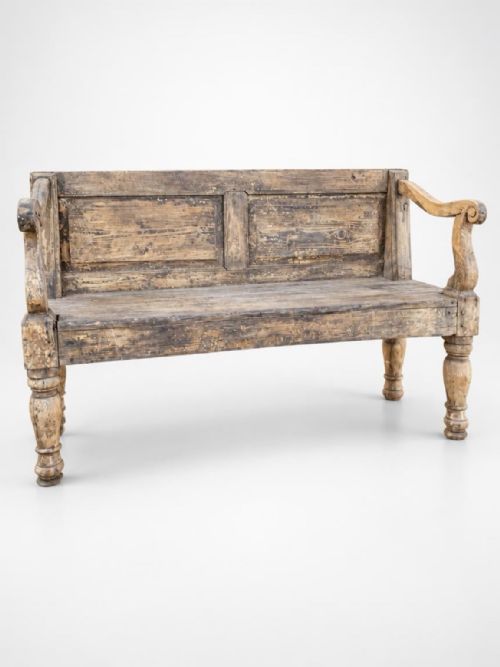
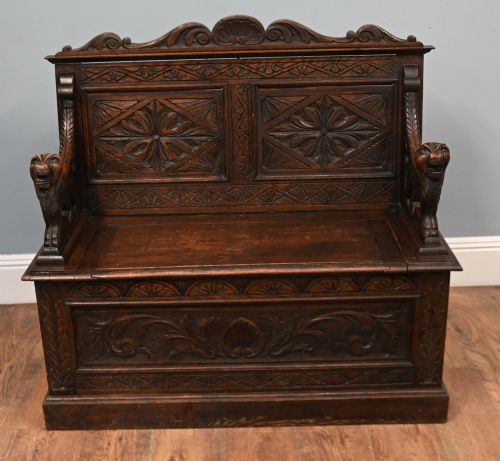
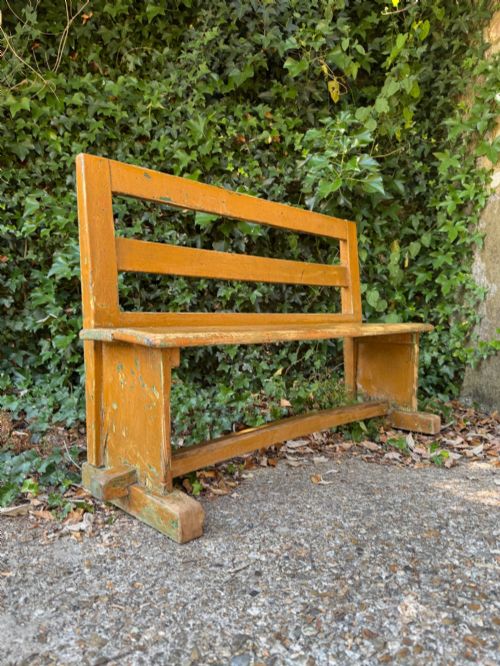
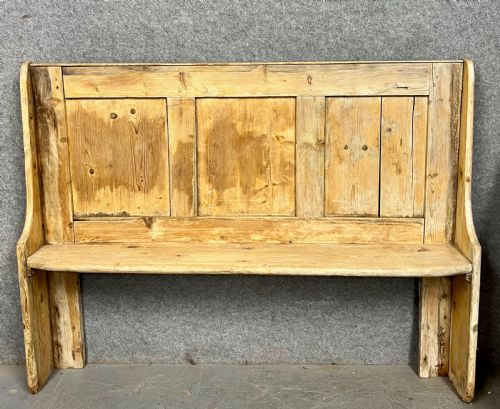
An antique farmhouse settle provides sturdy seating with high backs and solid sides, historically placed near hearths to keep out cold air. The selection here spans the nineteenth century, including specific years like 1870 and 1880 alongside broader period pieces.
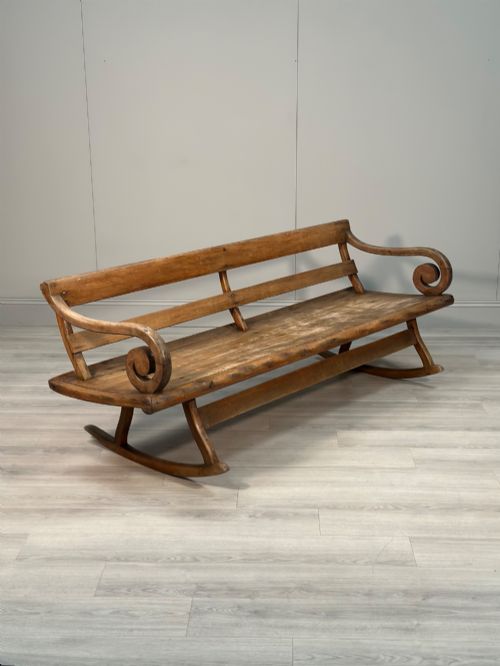
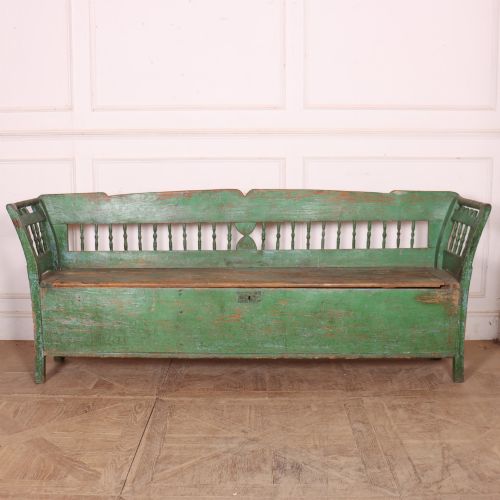
Forms range from straightforward pine benches and high back settles to rocking variants, curved oak and pine combinations, and very long French dining benches. These functional household items cross various regional styles such as English country, French provincial, Austrian folk art, and Alpine country.
Buyers encountering this group will find pieces predominantly rooted in rustic European and country traditions. The designs reflect practical rural living, utilising local timber to create durable furniture for halls, kitchens, and dining spaces.
How they were made
Maker construction relies heavily on solid woods such as pine, oak, chestnut, and general timber, frequently combined within a single frame. Carpenters utilised iron for structural reinforcement and hinges, ensuring the high backs and enclosed seats endured daily domestic use.
Surface treatments range from natural bleached chestnut and exposed wood grain to original painted finishes seen on Austrian examples. These techniques reflect traditional vernacular woodworking methods of the nineteenth century without excess ornamentation.
Antique Farmhouse Settle Retail Price Guide 2026
Typical asking prices for farmhouse settle among the pieces listed under this phrase on Sellingantiques today, from the lower quarter to the upper quarter. They describe what is for sale here now, not the wider market.
Current listings feature nineteenth-century pieces spanning pine, oak, chestnut, and iron, styled across English, French, and Austrian traditions.
What varies in quality
Quality rests in the integrity of the timber and the preservation of original surfaces, such as early paintwork or untouched bleached chestnut. Pieces exhibiting harmonious proportions and integrated construction stand apart from heavily altered examples.
The sophistication of regional vernacular details, from curved joinery to integrated rocking mechanisms, dictates the distinction between standard utilitarian benches and finer folk art pieces.
The Antique Farmhouse Settle Glossary
- Settle
- A wooden bench with a high back, solid arms, and often a storage box beneath the seat. It was traditionally positioned near fireplaces to deflect draughts.
- Vernacular furniture
- Domestic pieces made by local carpenters using regional materials to meet everyday practical needs rather than following high-style court fashions.
- Bleached chestnut
- Timber that has lightened in colour over time through exposure and weathering, or through historical washing processes.
- Folk art
- Decorative and utilitarian objects created within a specific regional tradition, often characterised by naive painting or traditional local motifs.
Antique Farmhouse Settle: Frequently Asked Questions
What is an antique farmhouse settle?
An antique farmhouse settle is a high-backed wooden bench designed to protect sitters from cold draughts in traditional rural homes.
These pieces typically feature solid wooden panels and enclosed lower sections, serving as both seating and spatial dividers in rustic interiors.
How were settles used historically?
Historically, settles were placed near kitchen hearths where the high back and solid wings trapped warmth from the fire.
They also functioned as general seating around dining tables and in hallways, offering robust utility for large households.
Where do these settles originate?
The pieces originate from various European regions, including England, France, and Austria, reflecting distinct local woodworking traditions.
Regional styles range from English country high backs to Austrian folk art painted finishes.
What woods are used in settles?
Makers utilised accessible local hardwoods and softwoods, frequently employing pine, oak, and chestnut for the primary framework.
Iron components were often incorporated for structural stability and functional movement such as hinges.