
Antique Fabric Art
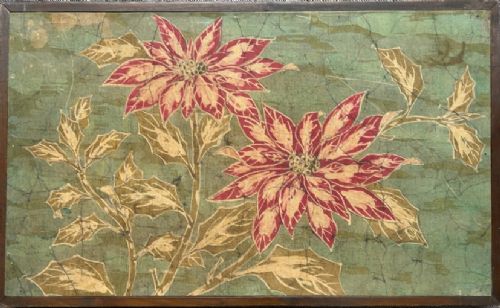
Antique fabric art brings textile history onto the wall through woven panels, framed garments, and embroidered silk.
Antique Fabric Art
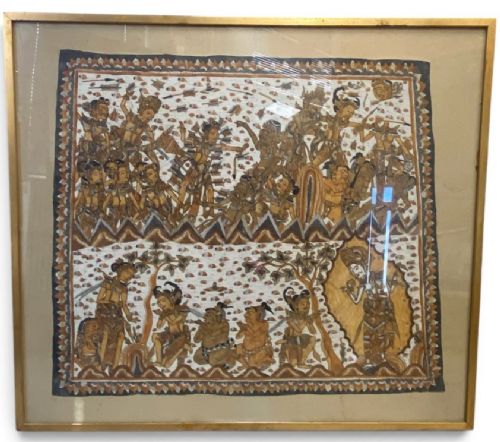
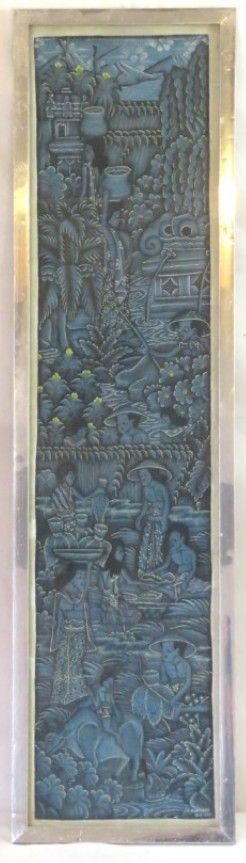
When you search for antique fabric art, you encounter a diverse group of textile pieces including framed dresses, embroidered panels, and woven wall hangings. These items range from large Uzbek ikat silk panels and crewelwork embroideries to French tapestries and Chinese silk sewn figures.
The objects span multiple centuries, with pieces originating from Central Asia, Europe, and East Asia. Many of these items were created as functional textiles or garments before being preserved as wall art, bringing historical craft directly into interior spaces.
Materials and construction methods
The construction of these pieces relies heavily on natural textiles such as silk, wool, cotton, and fabric combined with structural elements like wood, brass, and glass for framing or support. Artisans utilised techniques including hand sewing, crewelwork embroidery, and weaving to build intricate patterns.
Many textiles incorporate specialised dyeing methods, such as the resist-dyeing seen in ikat panels from Central Asia. Woven wall coverings and tapestries employ traditional loom methods using wool and silk threads to establish complex pictorial scenes.
A framed flag commemorating the 1937 coronation of George VI sits cheerfully among the historic textiles.
Factors that separate examples
Quality in these textile pieces rests on the complexity of the design, the fineness of the needlework, and the preservation of the original fibres. Finer silk embroideries and tightly woven tapestries demonstrate superior technical skill from the maker.
Condition also plays a significant role, as pieces retaining vibrant natural dyes and intact panels stand apart from those with extensive fibre degradation. The origin and cultural authenticity of regional pieces further influence their standing among examples.
Macy and Co·Fasold and Stuach·Liberty of London·Heals of London·Royal Doulton
The Antique Fabric Art Glossary
- Ikat
- A dyeing technique where yarns are tie-dyed before weaving to create intricate patterns with characteristic feathered edges. This method appears frequently in Central Asian panels.
- Crewelwork
- A type of surface embroidery using wool to execute flowing designs on a base fabric. This technique is often found on large wall hanging panels.
- Tapestry
- A form of textile art woven on a vertical loom, typically depicting pictorial scenes using coloured warp and weft threads. Historical examples often illustrate mythological or courtly subjects.
- Embroidery
- The art of decorating fabric using a needle to apply thread or yarn. Chinese and Central Asian panels utilise this method to render figures, trees, and flowers.
Antique Fabric Art: Frequently Asked Questions
How should antique fabric art be displayed?
These textile panels and woven hangings require mounting behind protective glass or careful hanging away from direct sunlight to preserve the delicate fibres and natural dyes.
Support frames must distribute the weight evenly across the fabric to prevent stretching or tearing over time.
What origins are common for these textiles?
The listings include pieces from Central Asia, such as Uzbek and Sumba ikat panels, alongside European tapestries and Chinese silk embroideries.
Each regional tradition utilises distinct motifs, from geometric dyed patterns to pictorial silk sewn figures.
How do I identify the age of a textile panel?
Dating relies on examining the type of weave, the composition of the dyes, and the characteristics of the base fabric or supporting frame.
Comparing the stylistic motifs and regional production methods against documented historical examples helps narrow the period of creation.
Are framed garments common in fabric art?
Framed historical dresses and costume panels appear among the selection, preserving historical fashion as decorative wall pieces.
These items are typically secured within specialised frames to protect the fragile construction materials.