

Antique Eternity Band
An antique eternity band brings continuous sparkle around the finger, combining historic metals with uninterrupted rows of gemstones.
Antique Eternity Band
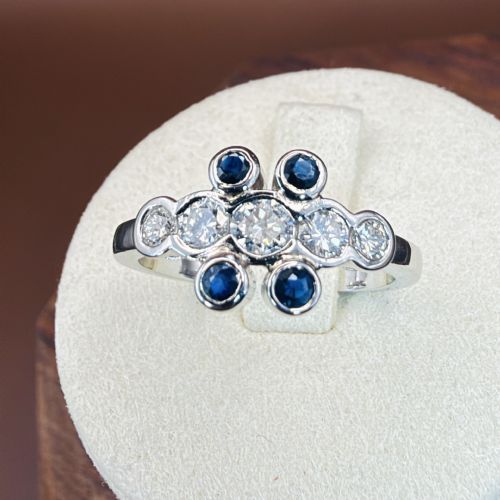
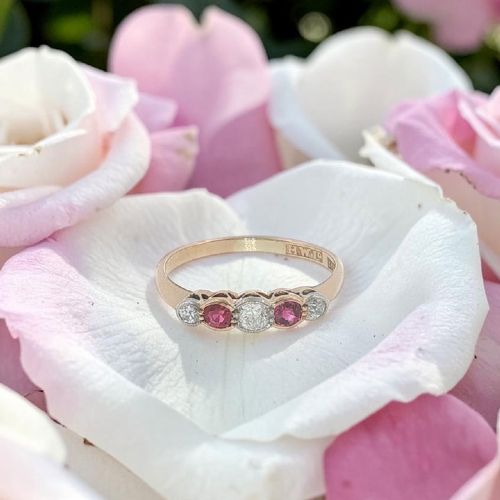
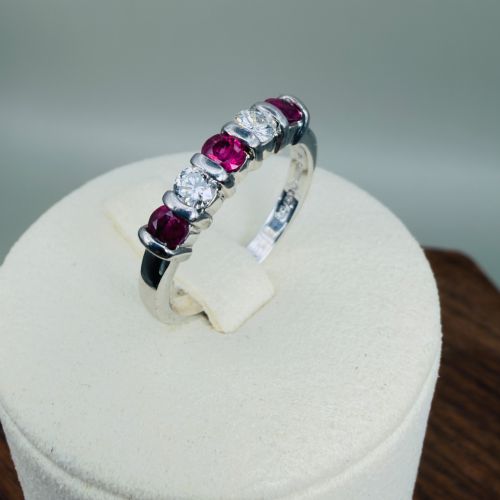
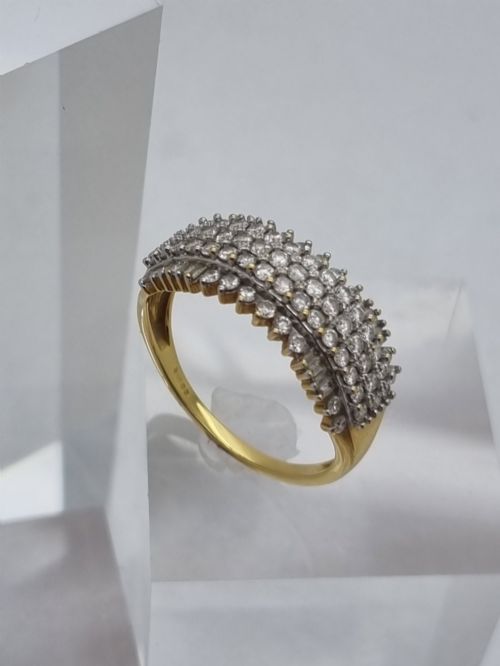
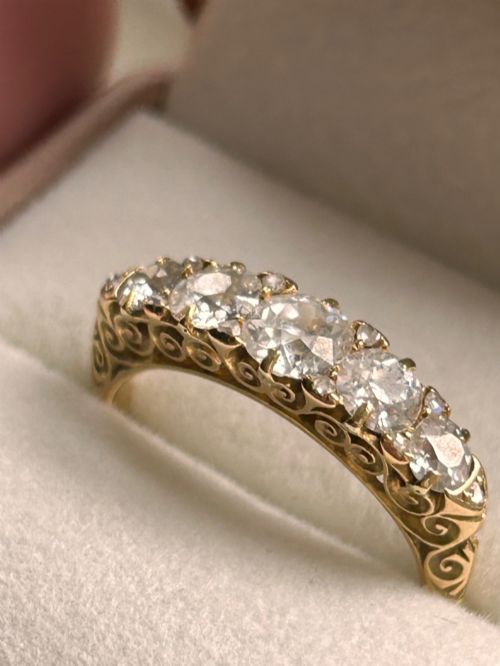
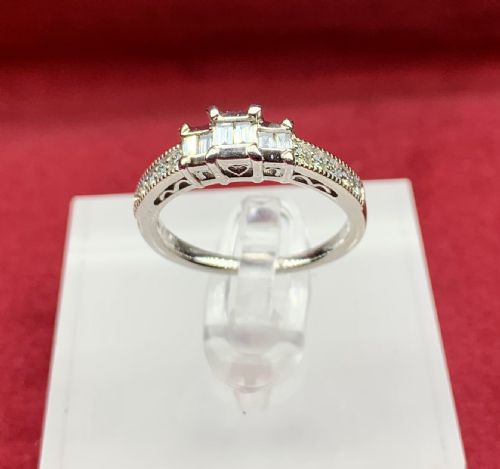
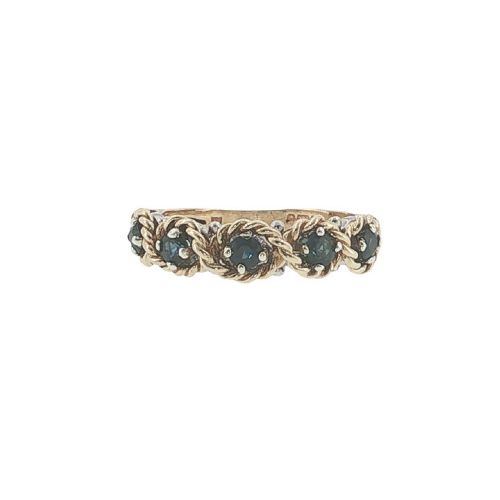
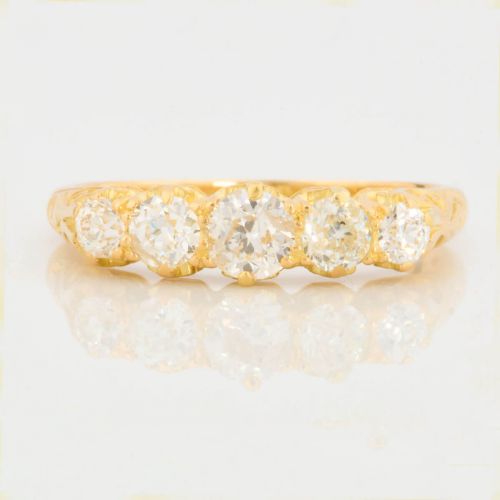
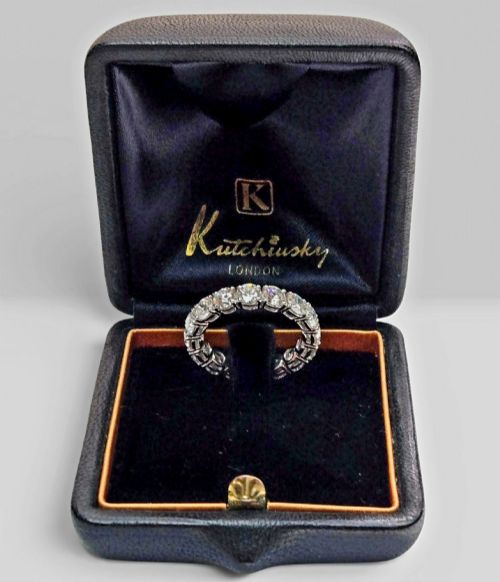
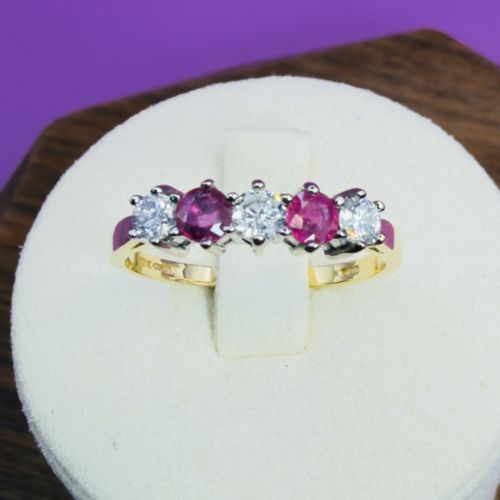
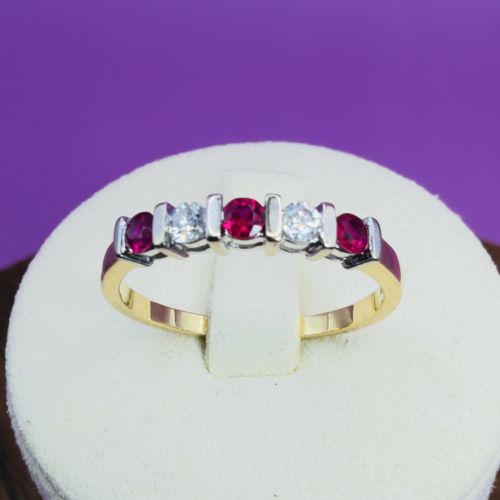
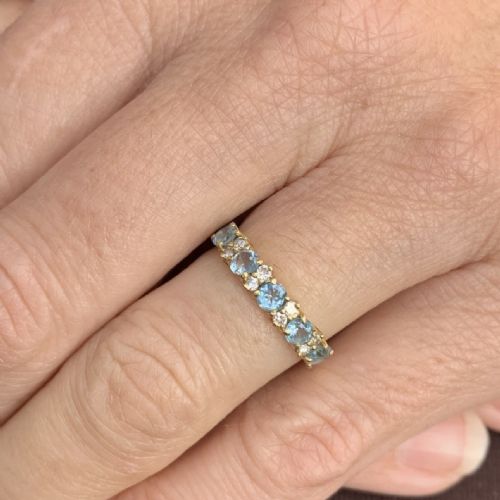
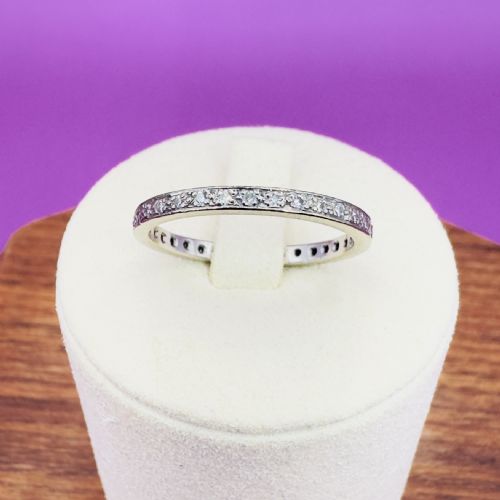
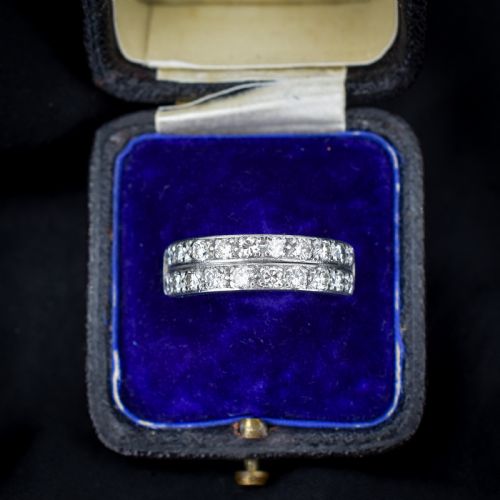
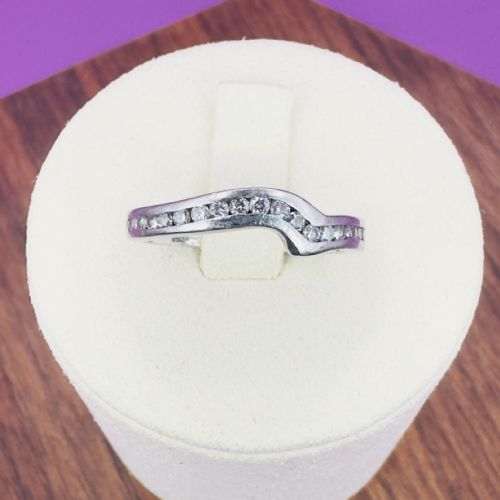
An antique eternity band represents a continuous circle of gemstones, typically diamonds set alongside rubies, sapphires, or emeralds. These rings span periods from the Victorian and Edwardian eras through the Art Deco movement and mid-century designs.
The pieces appear in various forms, including full eternity bands with stones circling the entire finger and half eternity bands where gems occupy only the upper face. White metals like platinum and 18ct white gold sit alongside traditional 18ct yellow gold mountings.
How they were made
Goldsmiths shaped durable mountings in platinum, 18ct white gold, and 18ct yellow gold to support continuous stone settings. Platinum gained favour for its strength in securing delicate channels and claws without bulk.
Craftsmen utilised old cut diamonds, rubies, sapphires, and emeralds, setting them closely together in rows. Techniques included flush, channel, and claw settings to maximise light passing through each stone.
Day and night swivel rings let wearers flip between entirely different gemstone faces depending on the hour.
What varies in quality
The overall standard rests upon the uniformity and match of the stones across the band. Graduated or precisely matched gems create visual harmony that distinguishes superior examples.
Construction precision dictates longevity, particularly in full eternity bands where wear on the sides of the mounting occurs daily. Robust metalwork around each setting ensures stones remain secure within the circle.
The Antique Eternity Band Glossary
- Full eternity band
- A ring set with an unbroken circle of gemstones around the entire finger. This design signifies endless devotion.
- Half eternity band
- A ring featuring gemstones set across the top half of the band, leaving the lower shank plain metal. This layout permits easier future size adjustments.
- Old cut diamond
- A diamond cut by hand before modern machinery standardised facets, often displaying smaller tables and higher crowns. These stones produce a softer, candlelit sparkle.
- Platinum
- A dense, silvery-white precious metal prized for durability and strength in fine jewellery settings. It holds small claw settings securely over decades of wear.
Antique Eternity Band: Frequently Asked Questions
Can antique eternity bands be resized?
Full eternity bands cannot usually be resized because altering the metal circle disrupts the continuous setting of the gemstones. Half eternity bands offer more flexibility since the plain lower shank permits adjustment by a skilled jeweller.
Buyers should confirm their exact ring size before purchasing a full eternity band to ensure a correct fit from the start.
What is the difference between full and half eternity bands?
A full eternity band displays gemstones all the way around the finger, creating uninterrupted sparkle from every angle. A half eternity band limits the stones to the upper face, which leaves solid metal underneath for comfort and resizing ease.
Both styles appear frequently across Edwardian, Art Deco, and mid-century periods.
How do I care for an antique eternity band?
Regular gentle cleaning in warm soapy water keeps diamonds and coloured gemstones bright by removing everyday oils. Periodic checks by a jeweller ensure that the claws or channels holding each stone remain tight and secure.
Storing the ring separately prevents softer gemstones like turquoise or pearls from scratching against harder diamonds.
What metals were commonly used in these rings?
Victorian and Edwardian pieces frequently utilise 18ct yellow gold or platinum mountings to secure diamonds, rubies, and sapphires. Art Deco and mid-century designs often favour platinum and 18ct white gold for a sleek, uniform appearance.
These durable precious metals were chosen specifically to withstand the daily wear placed upon band rings.