
Antique Etching
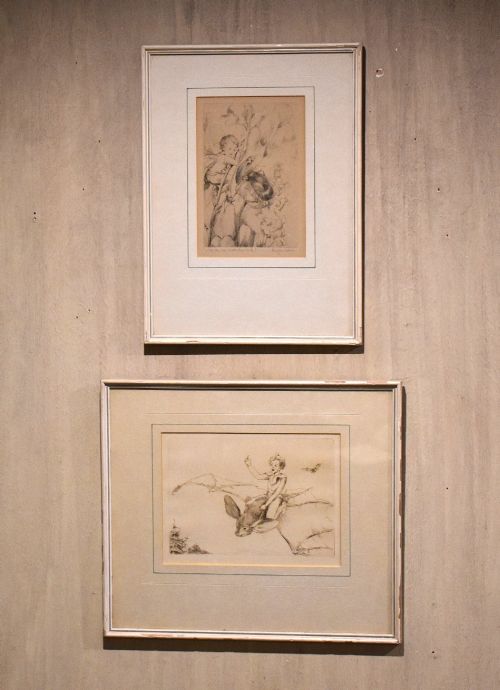
An antique etching brings historic line and tone directly to your wall, capturing the intimate hand of the printmaker on paper.
Antique Etching
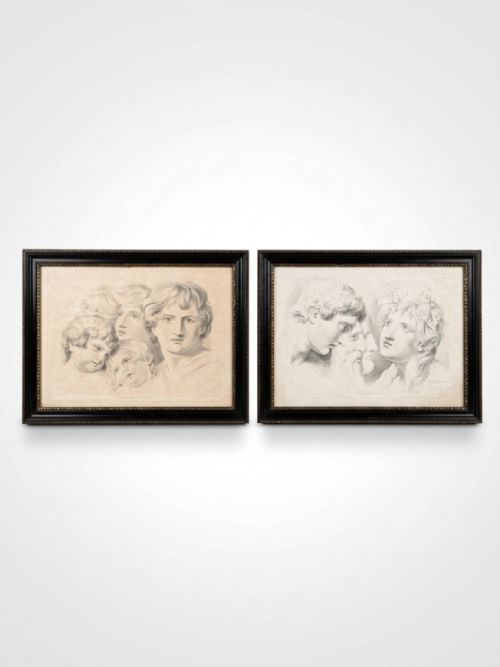
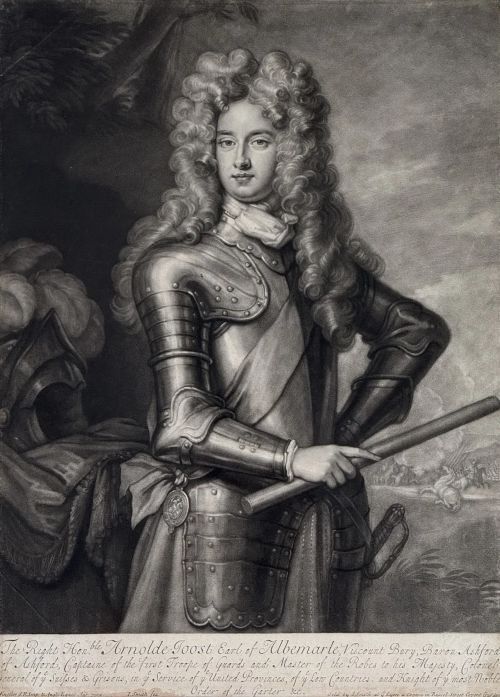
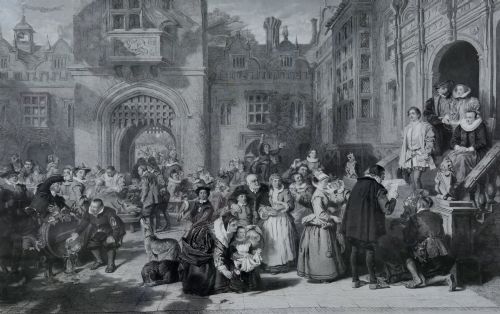
When you search for an antique etching, you encounter works printed from metal plates across several centuries, capturing animal studies, portraits, and classical scenes. These prints bridge the gap between historical documentation and fine art, offering direct insight into past printmaking traditions.
The selections span from seventeenth-century Baroque impressions through eighteenth-century animalier plates to twentieth-century surrealist visions. You are likely to meet framed prints originating from British, French, and European studios in various historical periods.
Materials and methods
Makers inscribed lines into metal plates coated with an acid-resistant ground, then submerged the metal in acid to bite the exposed designs. Ink was pressed into these recessed grooves before damp paper was forced into the lines under heavy press pressure.
Paper forms the primary support for these printed works, often retaining the distinct impression of the plate mark around the image. Ink tones vary from deep carbon blacks to warm sepias, interacting with the texture of the historic paper sheet.
Listings feature works spanning from the seventeenth century through to the 1930s on paper supports.
Assessing print quality
The crispness of the plate impression dictates visual clarity, separating sharp early strikes from worn later printings where fine lines soften. Strong tonal contrast and clear preservation of the paper margin demonstrate superior execution.
Condition of the paper sheet and stability of the ink influence the overall integrity of the piece. Well-preserved impressions maintain their original contrast without excessive fading or discoloration across the sheet.
Samuel Howitt·François Perrier·Herbert Dicksee·Kurt Lorein Victor Peiser
The Antique Etching Glossary
- Plate mark
- The indentation left in the paper by the edge of the metal plate during the printing press run. This depression confirms the intaglio nature of the print.
- Intaglio
- A printmaking family where ink is held in grooves cut below the surface of the plate. Etching and engraving both belong to this technical group.
- State
- A stage in the development of a printed image where changes are made directly to the metal plate. Collectors study different states to trace the evolution of a composition.
- Impression
- An individual piece printed from the prepared metal plate onto paper. Each impression carries unique subtle variations from the printing process.
Antique Etching: Frequently Asked Questions
How do I care for an antique etching?
Keep the framed print away from direct sunlight to prevent fading of the ink and yellowing of the paper support. Maintain stable indoor humidity levels to protect the historic paper from moisture damage.
Ensure the backing materials inside the frame are acid-free to preserve the paper sheet over time. Professional framing with UV-protective glass offers optimal defence against environmental degradation.
How are etchings different from engravings?
Etchings rely on acid to bite the design into the metal plate, producing lines with a slightly looser, more fluid character. Engravings are cut directly into the metal using a sharp hand tool called a burin, resulting in precise and rigid lines.
Under magnification, etched lines show slightly rounded edges where the acid has bitten laterally, while engraved lines feature sharp, clean trench walls.
What is a plate mark on a print?
A plate mark is the indented border pressed into the paper by the outer edges of the metal printing plate. It serves as a key indicator that a work was produced using an intaglio printing process.
Framers often take care to display the plate mark rather than hiding it beneath the window mount, as it proves the print is an original impression.
How do I date an old etching?
Examine the characteristics of the paper, including chain lines and watermarks, which help identify the manufacturing period of the sheet. Stylistic clues in the subject matter and framing context also provide reliable chronological markers.
Typography on the margins or inscriptions naming the artist and publisher often record the exact year of publication or printing.