


Antique Equestrian Hunting Art
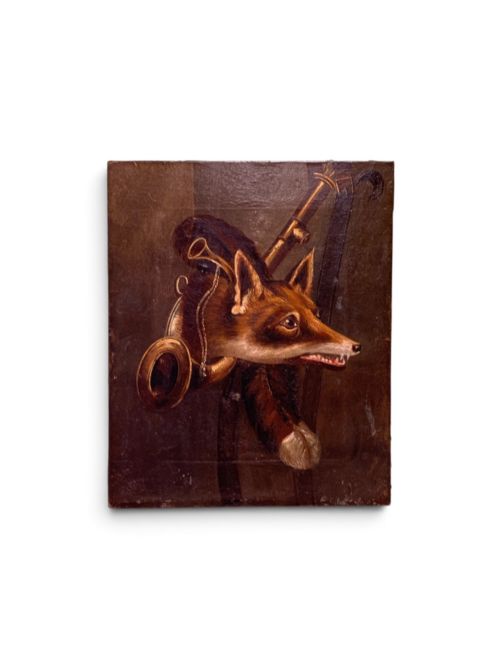
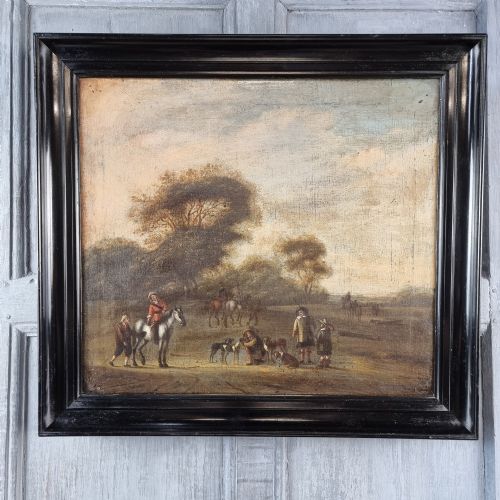
Antique equestrian hunting art captures the kinetic energy of hounds, horses and riders across canvas, paper and carved wood.
Antique Equestrian Hunting Art
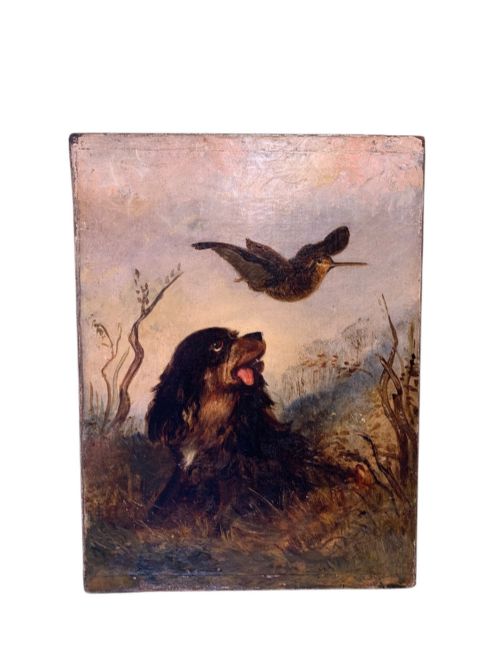
Antique equestrian hunting art encompasses framed oil paintings, watercolours, hand-coloured engravings and lithographs documenting field sports and canine portraits. The pieces span from the late seventeenth century through the Victorian and Edwardian eras into the mid twentieth century.
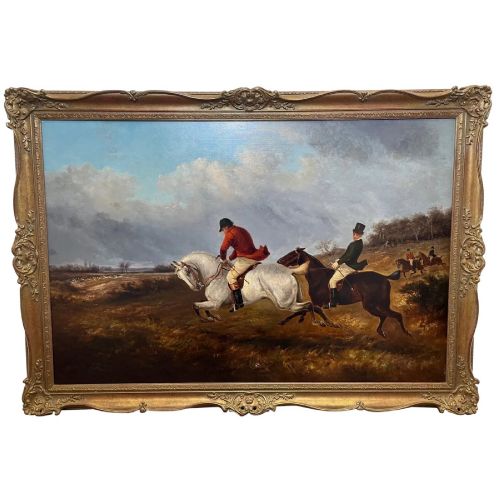
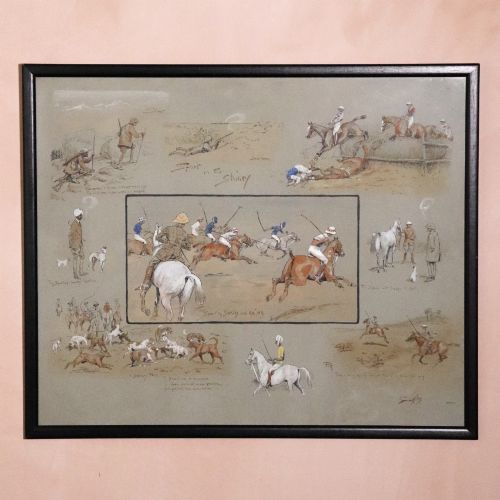
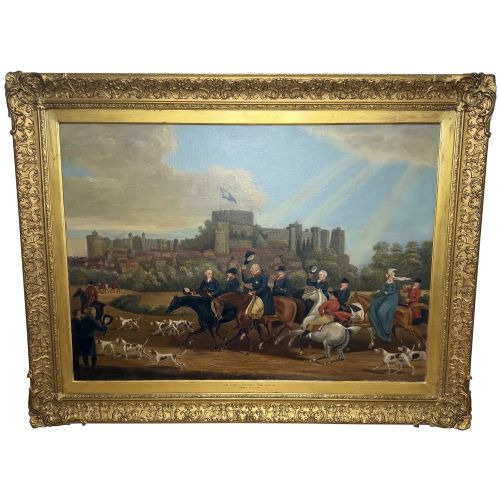
Buyers encounter oil paintings on canvas depicting mounted hunts alongside original prints by named publishers after artists such as Alken and Weigall. Works range from intimate animal studies to large framed canvases depicting notable packs like the Berkeley and the Quorn.
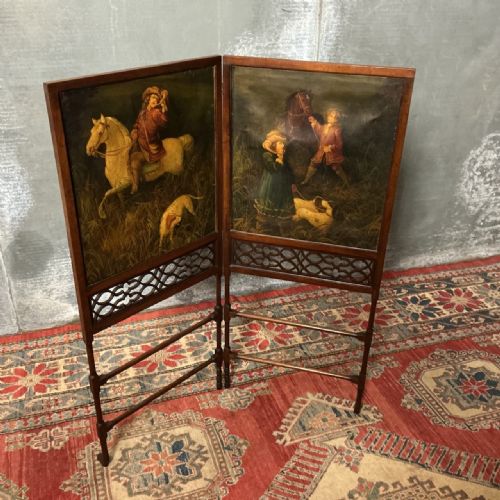
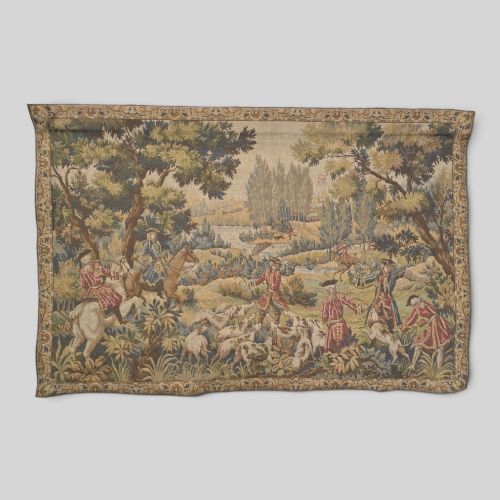
The selection includes reverse silhouette paintings on glass, tapestries and mahogany screen sets housing oil panels. These varied formats reflect domestic pastrooms and country houses where sporting pursuits formed a central visual theme.
Materials and technique
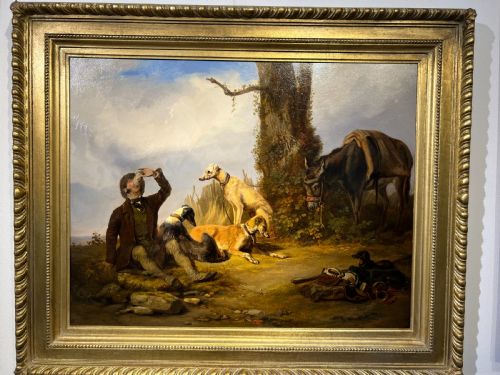
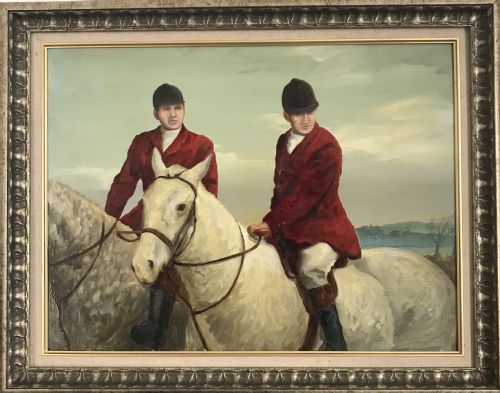
Works on canvas utilise oil paint applied by brush, often secured within gilt wood frames that complement the traditional subject matter. Painters layer pigments to render the muscular form of horses and the dense coats of hounds in woodland or moorland settings.
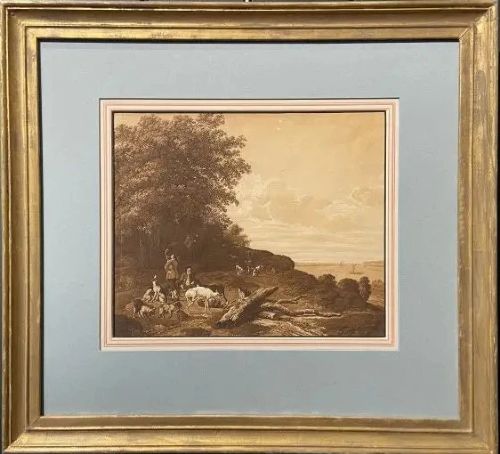
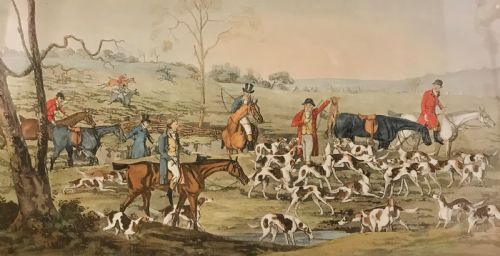
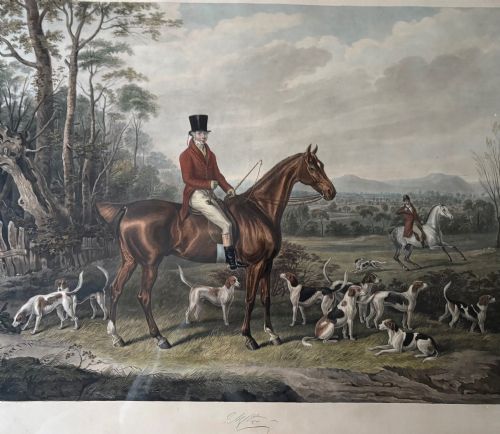
Paper works rely on lithography, aquatint and engraving techniques, sometimes finished with hand colouring to delineate riders' pink coats and landscape details. Reverse painting on glass employs delicate brushwork applied directly to the rear surface to achieve a glossy finish.
Listings feature oil paintings on canvas, hand-coloured engravings, lithographs and tapestries spanning the seventeenth to the mid twentieth century.
Judging quality
Quality rests upon the artist's command of animal anatomy and the convincing depiction of motion in horses at gallop or hounds in pursuit. Stronger compositions demonstrate accurate perspective in landscape backgrounds and distinct characterisation in human and animal portraits.
Materials contribute to overall grade, seen in the depth of oil pigments versus flat printing inks and the integrity of period gilt wood frames. Works bearing signatures from established sporting artists or contemporary attribution carry distinct art-historical weight.
Thomas Smythe·Sir Edwin Henry Landseer·C. H. Weigall·Snaffles·Basil Nightingale·Philip Henry Rideout·Charles Faulkner·Fannie Moody·Robert Cleminson·John Sanderson-Wells
The Antique Equestrian Hunting Art Glossary
- Lithography
- A planographic printing process using a stone or metal plate to produce multiple impressions on paper. This technique enabled the widespread distribution of sporting prints during the nineteenth century.
- Aquatint
- An intaglio printmaking technique that produces tonal areas resembling watercolour washes. It was frequently deployed alongside etching to create nineteenth-century hunting prints.
- Canvas
- A heavy woven fabric stretched across a wooden frame to serve as a support for oil paint. It remains the principal substrate for historical sporting paintings.
- Gilt wood
- Timber treated with a thin layer of gold leaf or metallic powder to create a decorative surface. Frames finished this way enclose many fine oil paintings.
- Tapestry
- A form of textile art woven on a loom, depicting pictorial scenes. Large examples served as wall hangings in country house interiors.
Antique Equestrian Hunting Art: Frequently Asked Questions
What subjects appear in equestrian art?
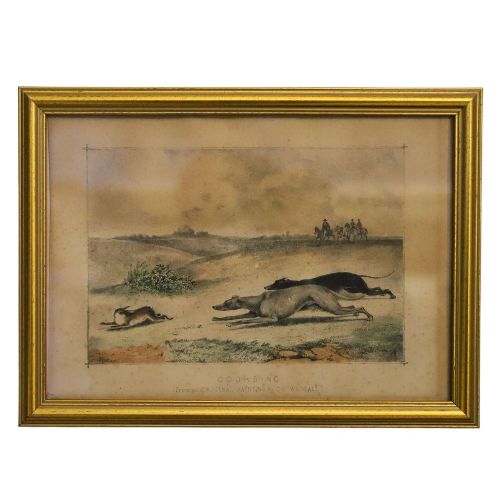
These works typically depict fox hunting scenes, horse portraits, hounds at rest, coursing greyhounds and coaching events. The compositions record specific hunts, notable packs and field sports across rural landscapes.
Artists focused heavily on the relationship between rider, hound and horse, capturing the tension of the chase or quiet moments in stable yards and kennels.
How do I date a hunting painting?
Dating relies on stylistic clues, costume details of the riders, framing materials and any inscribed signatures or publication dates on prints. Victorian and Edwardian works often feature specific clothing styles and horse breeding types characteristic of those decades.
Written records on the reverse of canvases or stretcher bars frequently provide additional clues regarding the artist and the specific hunt depicted.
Where were these artworks displayed?
Historically, these pieces hung in country houses, estate smoking rooms, hunting lodges and domestic reception spaces. They served to celebrate rural pursuits, favourite mounts and notable hunting trophies.
Today, collectors place them in studies, hallways and living rooms to maintain a connection to traditional sporting aesthetics and equestrian heritage.
Are prints considered original art?
Original period prints, such as nineteenth-century lithographs and hand-coloured engravings published by established firms, are distinct collectible works rather than modern reproductions. Many bear signatures or publisher publication dates from the era.
They offer an accessible entry point into sporting art while retaining historical value through period printing techniques and contemporary colour application.