

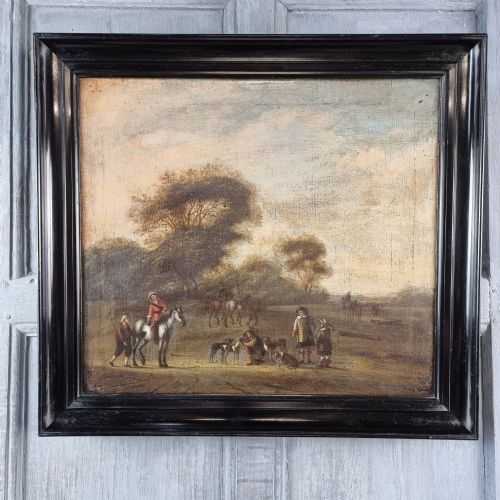
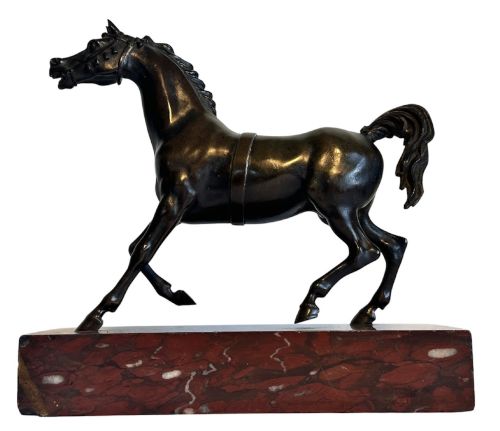
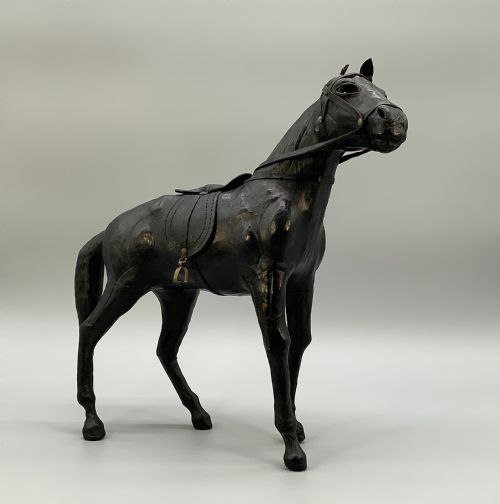
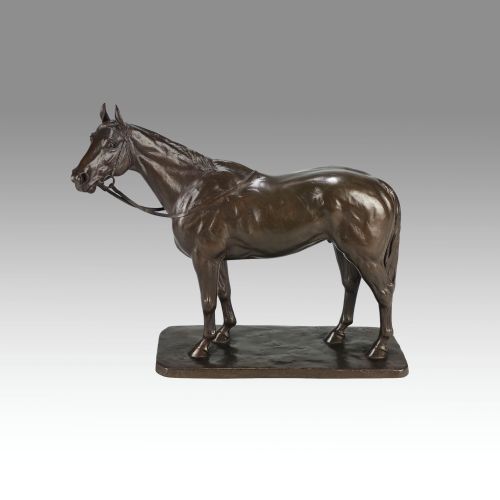
Antique Equestrian Figures
Antique equestrian figures capture riders and horses in bronze, earthenware, and marble across multiple centuries.
Antique Equestrian Figures
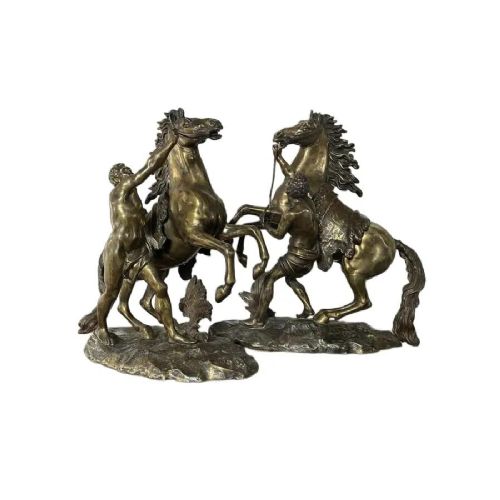
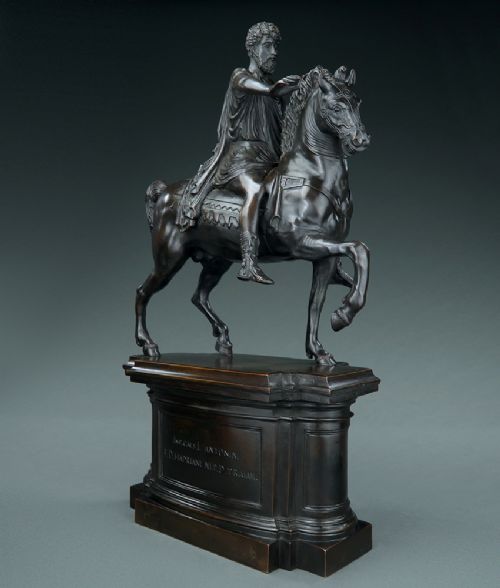
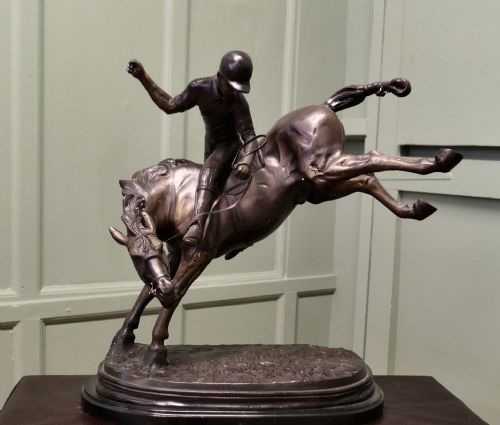
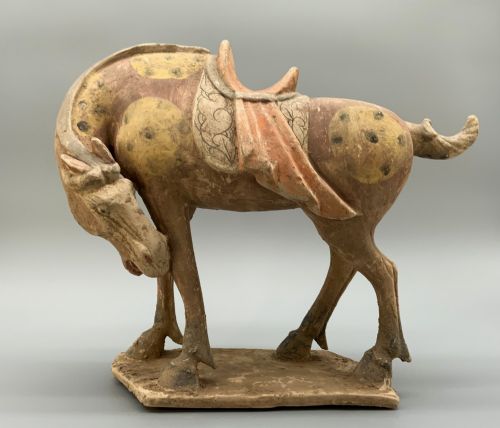
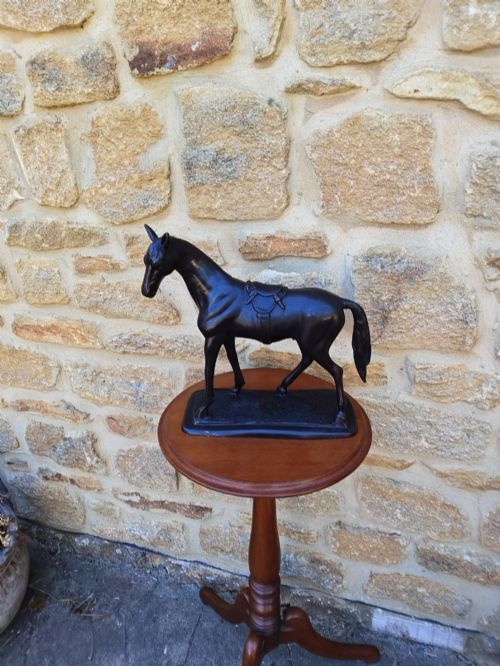
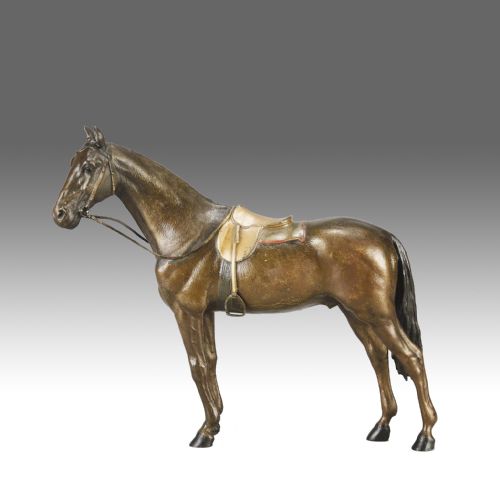
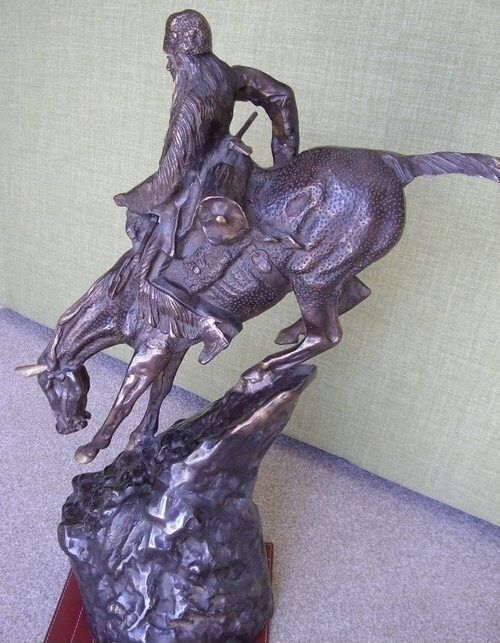
These pieces encompass sculptural works depicting horses and riders, ranging from classical Grand Tour studies to Victorian Staffordshire pottery and twentieth-century animalier bronzes. A buyer examining this selection encounters everything from small cabinet figures to large monumental sculptures and doorstops.
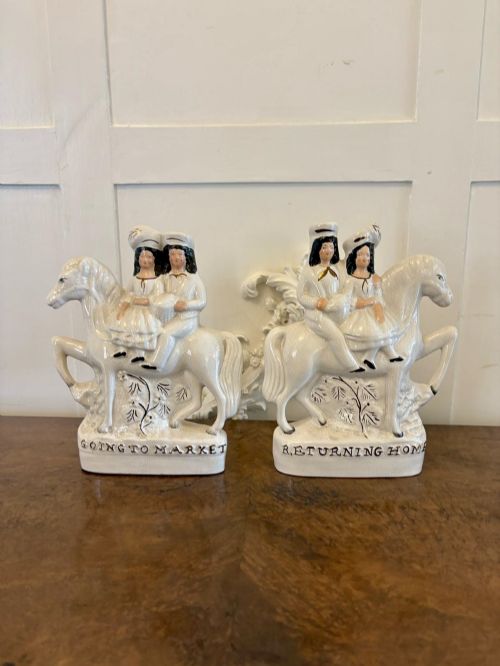
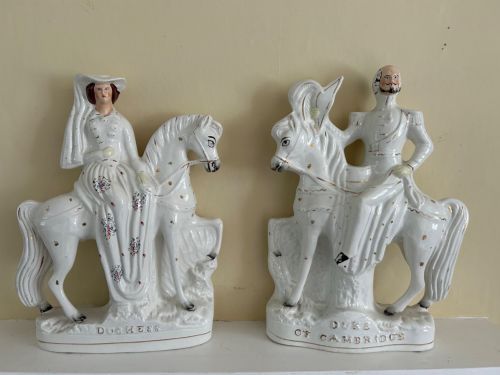
The most common items met on this page are nineteenth-century bronze casts and Staffordshire flatback earthenware pairs depicting historical figures, jockeys, or literary characters on horseback. Works span from the seventeenth century through to the 1930s, incorporating diverse international schools from English pottery to Austrian cold-painted foundry work.
Materials and methods
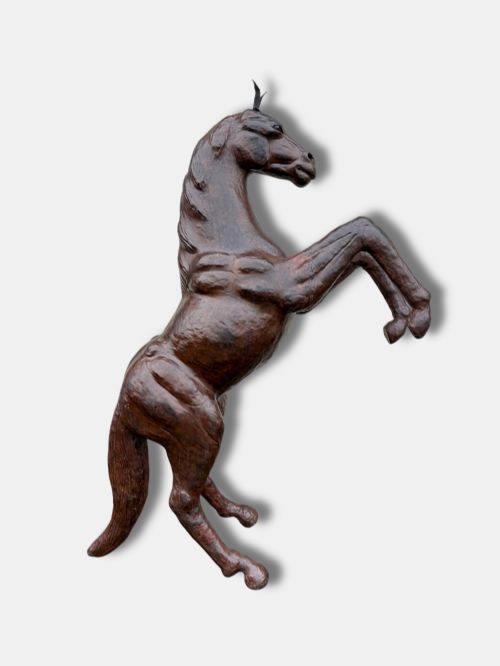
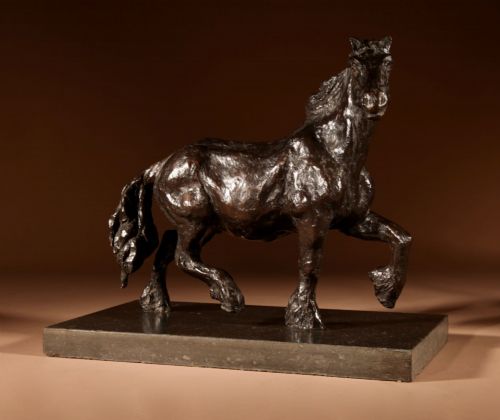
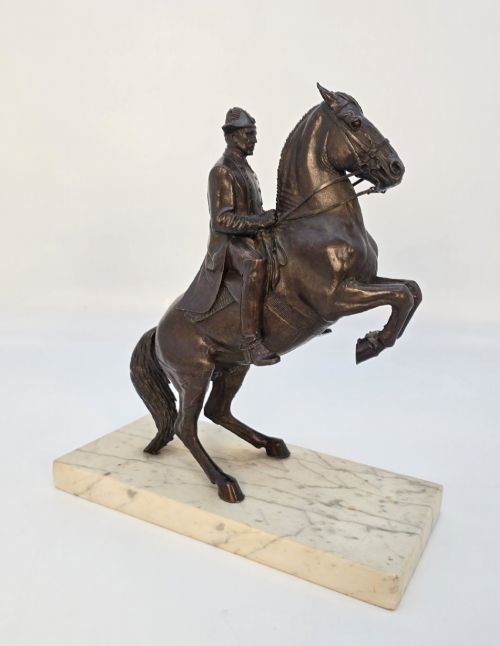
Foundries utilised bronze casting techniques, often mounting completed figures upon marble or slate bases, alongside cold-painting methods for polychrome metal surfaces. Sculptors also worked in carved wood, such as carousel pieces and draught horse studies, or studio plaster casts.
Potters shaped earthenware figures using earthenware clays finished with glazes, enamels, and hand-applied paints, particularly evident in Staffordshire flatbacks. Brass and gilt ormolu also appear among the metalwork materials recorded in the listings.
Antique Equestrian Figures Retail Price Guide 2026
Typical asking prices for equestrian figures among the pieces listed under this phrase on Sellingantiques today, from the lower quarter to the upper quarter. They describe what is for sale here now, not the wider market.
Listings feature items from the 17th Century, Victorian era, and 1930s, constructed in bronze, marble, earthenware, and wood.
Assessing quality and execution
Quality rests upon the crispness of the casting detail in metalworks and the finesse of the hand-painting upon earthenware bodies. Works attributed to known founders and sculptors demonstrate superior anatomical precision in the musculature of the horse and the posture of the rider.
The sophistication of the surface finish, whether patinated bronze, cold-painted enamel, or polychrome pottery glaze, dictates the distinction between standard decorative items and high-grade collector pieces. Proportions and the stability of original bases further define the execution of the piece.
Franz Bergman·Kunio Itô·John Willis Good·Alfred Dubucand·Charles Crozatier
The Antique Equestrian Figures Glossary
- Animalier
- A nineteenth-century artistic movement focused on the realistic depiction of animals, particularly horses and lions. Practitioners frequently produced dynamic bronze sculptures of wildlife and sporting subjects.
- Grand Tour
- A traditional trip through Europe undertaken by upper-class scholars and collectors during the eighteenth and nineteenth centuries. Souvenirs purchased on these journeys typically included small bronze copies of classical statues and historical monuments.
- Staffordshire flatback
- A type of nineteenth-century earthenware pottery figure designed with a detailed front and a flat, unpainted rear intended to sit against a mantelpiece. These figures frequently portrayed royalty, military leaders, and literary characters.
- Cold-painted bronze
- A manufacturing technique where bronze figures receive paint applications at room temperature rather than undergoing kiln firing. Austrian foundries utilised this method extensively for small decorative animal sculptures.
- Ormolu
- Gilded bronze furniture mounts and decorative objects created by applying a mercury and gold amalgam to a bronze base. This technique creates a rich golden surface finish seen on nineteenth-century statuettes.
Antique Equestrian Figures: Frequently Asked Questions
What periods do these figures cover?
The pieces span from the seventeenth century through the Victorian era and into the early twentieth century. Listings include items from the 1600s, nineteenth-century bronzes, and 1930s animalier works.
Most examples originate from the nineteenth and early twentieth centuries, reflecting the high popularity of equestrian subjects during those periods.
What materials are used in these sculptures?
Makers utilised bronze, marble, wood, earthenware, brass, and enamel to create these pieces. Metal sculptures frequently feature marble bases or cold-painted surfaces.
Ceramic examples rely on earthenware bodies finished with glazes and hand-painted details, particularly in Staffordshire pottery productions.
How do I identify a Grand Tour bronze?
Grand Tour bronzes are small souvenir studies produced in Italy and Europe during the nineteenth century for travellers. They often replicate classical monuments or historical figures and are mounted upon marble plinths.
These pieces capture the academic interest in antiquity that characterised nineteenth-century collecting habits.
Where were Staffordshire figures displayed?
Staffordshire figures were traditionally displayed on mantelpieces and shelves within nineteenth-century homes. Their flat backs allowed them to sit flush against a wall.
They often depicted contemporary monarchs, military commanders, or popular equestrian scenes of the Victorian period.