




Antique Equestrian Collectible
These antique equestrian collectible pieces bring horses, hounds and field sports into the room with sterling silver, bronze and porcelain.
Antique Equestrian Collectible
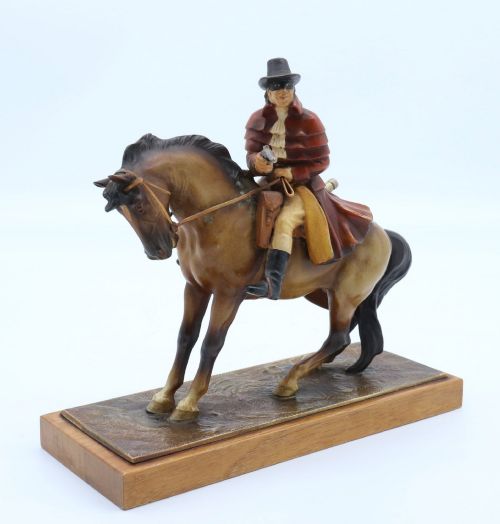
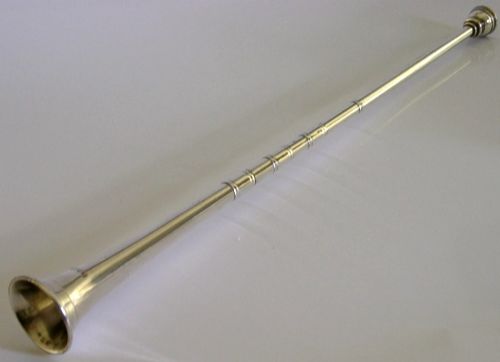
An antique equestrian collectible encompasses diverse objects linked to horses, hunting and riding, spanning the nineteenth and early twentieth centuries. When searching for an antique equestrian collectible, buyers encounter items ranging from silver hunting horns and jockey cap caddy spoons to pottery figures, snuff boxes and bronze sculptures.
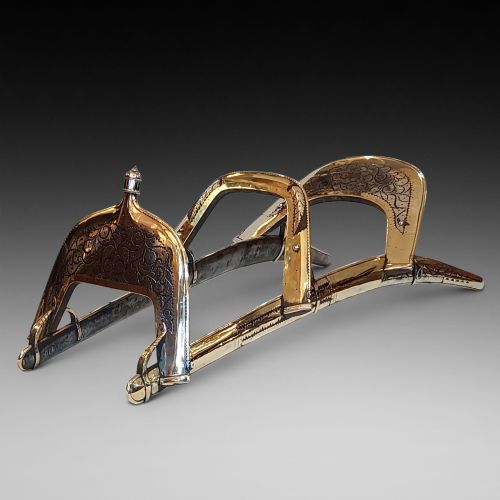
The pieces on this page originate from periods such as the Victorian and Edwardian eras, reflecting traditional British field sports alongside international pieces like Ottoman saddles and South American spurs. Common forms include walking sticks with horse head handles, vesta cases, and stirrup cups made from porcelain or silver.
How they were made
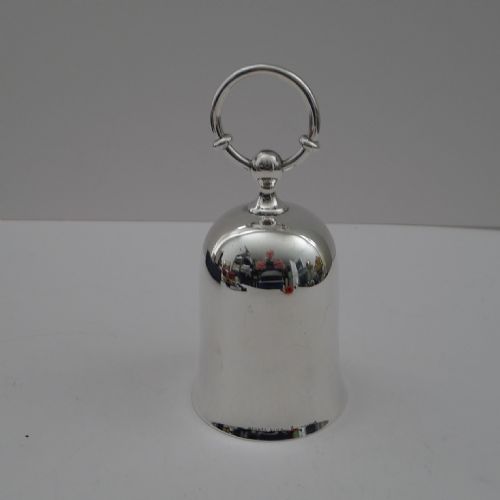
Makers shaped these items using traditional metalworking, ceramic firing and carving techniques appropriate to each material. Sterling silver and gold pieces involve silversmithing, casting and delicate enamel work, seen in items bearing Birmingham hallmarks and detailed figural designs.
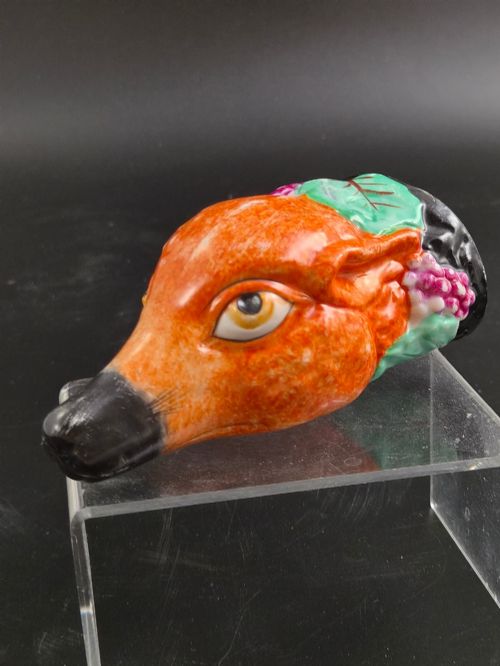
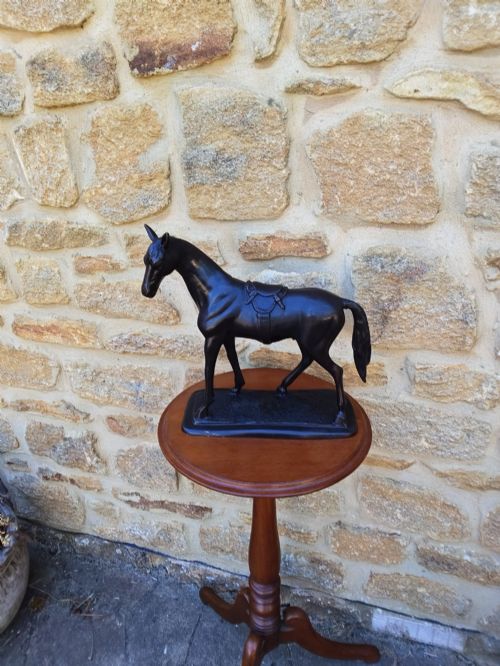
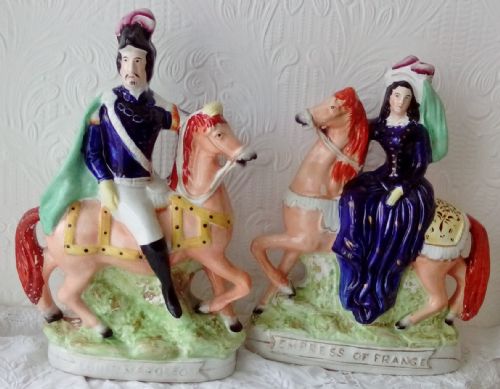
Pottery and porcelain items like stirrup cups and Staffordshire figures utilise moulded earthenware and ceramic bodies finished with hand-painted glazes. Bronze sculptures and cast metal items rely on metal casting methods to capture the musculature of horses and the textures of riding equipment.
Antique Equestrian Collectible Retail Price Guide 2026
Typical asking prices for equestrian collectible among the pieces listed under this phrase on Sellingantiques today, from the lower quarter to the upper quarter. They describe what is for sale here now, not the wider market.
Materials in these listings include sterling silver, enamel, porcelain, bronze, earthenware and wood across the nineteenth and early twentieth centuries.
What varies in quality
Quality in these items rests upon the crispness of detail in the casting or carving, particularly in silver horse heads, bronze equine sculptures and enamel jockey caps. Finer examples show precise hand-engraving and well-preserved painted polychrome surfaces.
The reputation of the silversmith, potter or maker adds distinction, as seen in pieces bearing clear hallmarks from recognised workshops. Materials also dictate worth, with solid sterling silver, gold and hand-painted porcelain holding higher regard than standard decorative substitutes.
Sampson Mordan·William Neale·John Meek
The Antique Equestrian Collectible Glossary
- Sterling silver
- A silver alloy containing 92.5 percent pure silver and 7.5 percent other metals, typically copper, used extensively for durable tableware, boxes and novelty items. This standard grade appears frequently in nineteenth-century hunting horns and caddy spoons.
- Stirrup cup
- A traditional ceramic or metal cup, often shaped like an animal head, handed to riders before a hunt. These cups typically lack a flat base so they cannot be set down until emptied.
- Vesta case
- A small pocket box designed to hold matches, frequently decorated with enamel or engraving. Victorian examples often featured racing themes or portraits of notable jockeys.
- Animalier
- A nineteenth-century artistic style focusing on the realistic depiction of animals, particularly horses and hounds. Bronze sculptures from this tradition emphasise dynamic movement and anatomical accuracy.
- Hallmark
- An official stamp applied to precious metals in Britain to indicate purity, the maker and the assay office year. These marks help verify the age and origin of silver equestrian pieces.
Antique Equestrian Collectible: Frequently Asked Questions
What is a jockey cap caddy spoon used for?
A jockey cap caddy spoon was designed in silver to measure tea leaves from a caddy into a teapot during the Georgian and Victorian periods. The bowl of the spoon often mimics the peaked cap worn by horse racing jockeys.
Today, these small silver pieces serve as cabinet collectibles rather than practical tea accessories, prized for their miniature craftsmanship and novelty form.
How can I date a silver hunting horn?
Silver hunting horns can be dated by examining the assay office hallmarks stamped into the metal, which indicate the exact year of manufacture and the maker. Stylistic details like engraving depth and mouthpiece design also point to nineteenth or early twentieth-century origin.
Many horns bear inscriptions or specific workshop marks that link them directly to silversmiths operating during the Victorian or Edwardian eras.
What are Staffordshire pottery figures?
Staffordshire pottery figures are earthenware ceramic pieces made in the Staffordshire Potteries region of England, often depicting notable historical figures, animals or literary scenes. Victorian examples frequently portray political leaders or royalty on horseback.
Collectors display these figures on mantelpieces and shelves as colourful examples of nineteenth-century folk art and domestic ceramic production.