

Antique Entry Hall Seating
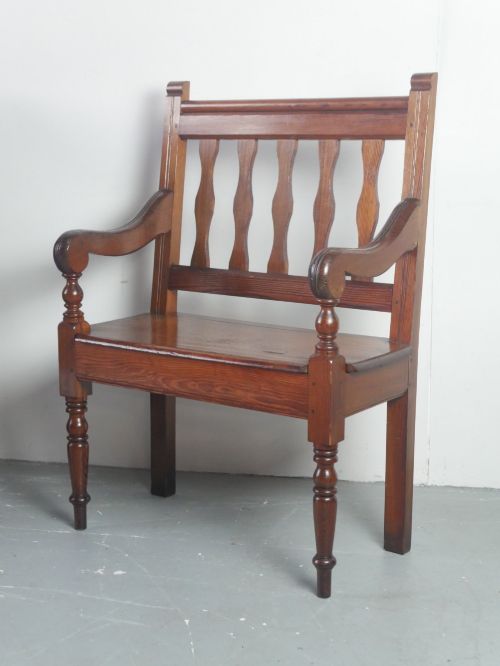
Antique entry hall seating comprises sturdy oak and mahogany chairs, benches and settle boxes designed to welcome visitors into the home.
Antique Entry Hall Seating
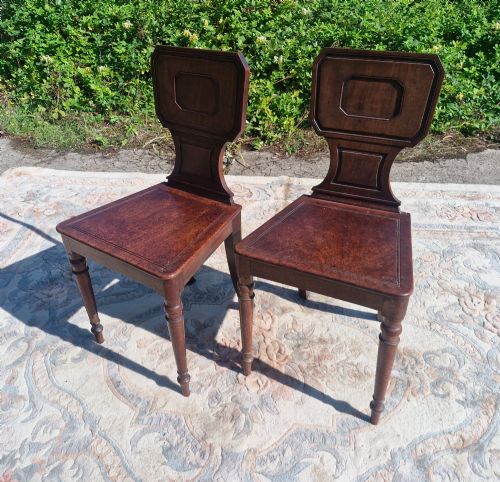
When you search for antique entry hall seating, you encounter practical furniture designed for corridors, vestibules and reception spaces. The selection ranges from single hall chairs to long benches and storage settles.
You meet Victorian and Georgian pieces most frequently here, alongside Regency, Edwardian and earlier examples. Materials span native timbers like oak and mahogany, complemented by pine, cherrywood and ash.
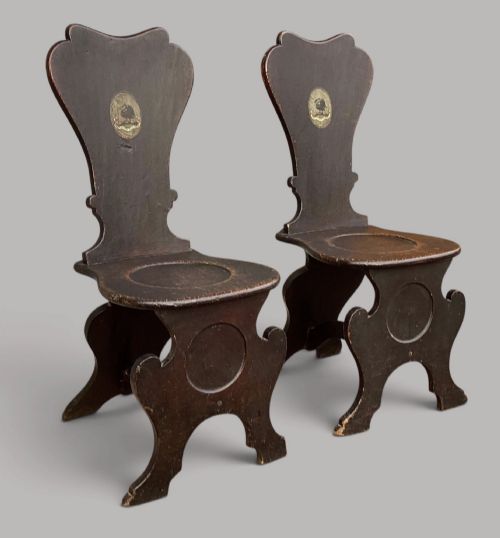
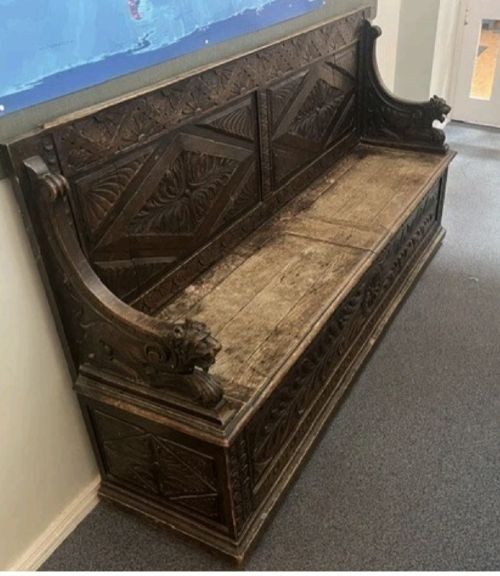
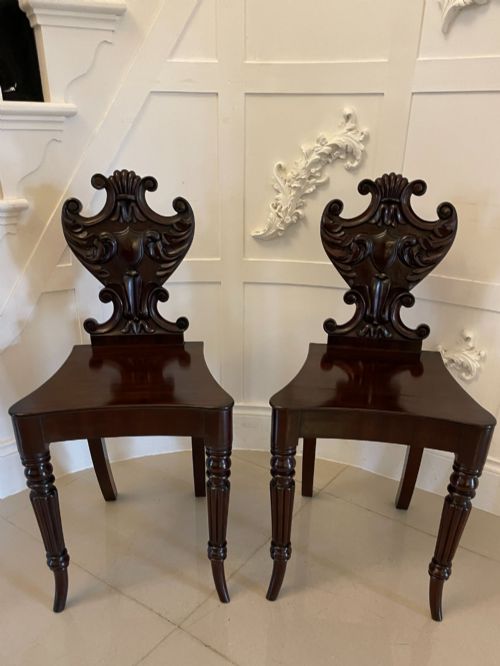
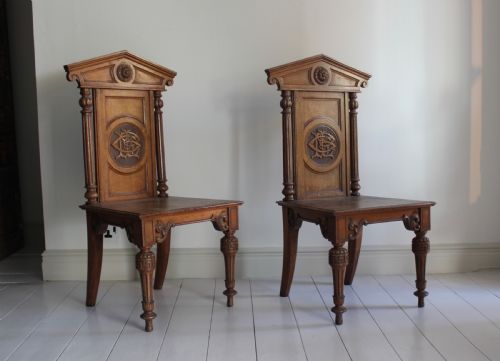
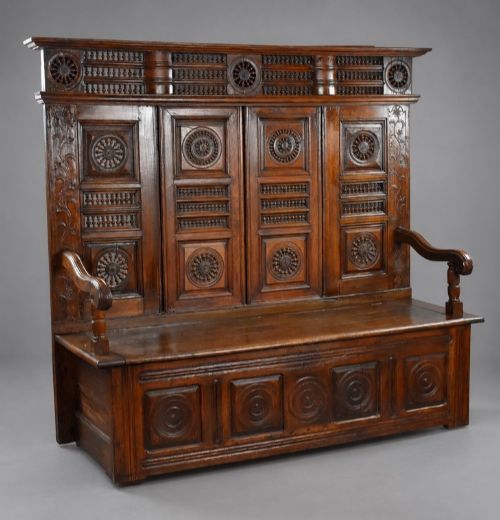
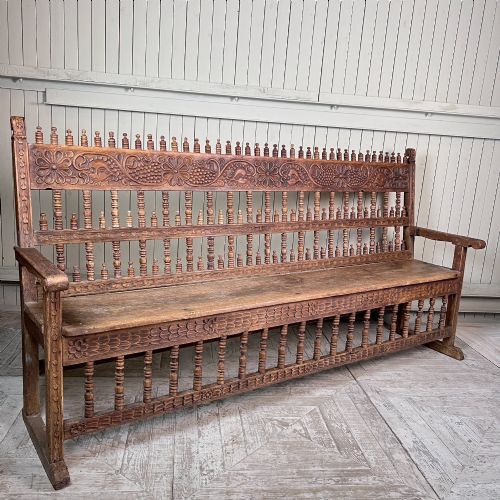
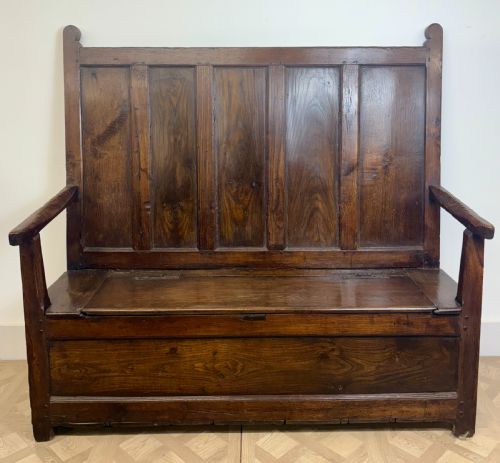
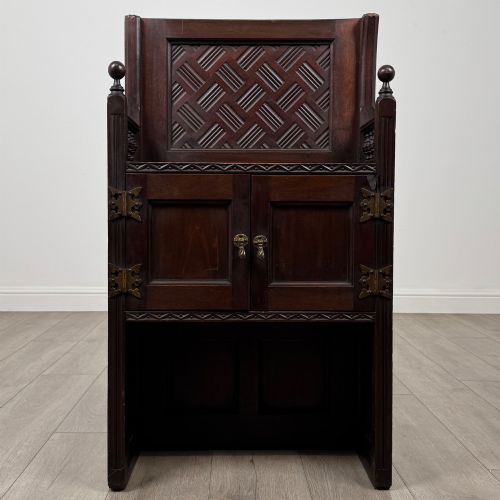
Forms include box settles with lift-up lids, sgabello chairs, window seats and church pews. Many pieces display revival styles such as Jacobean, Gothic and William IV.
Materials and construction methods
Cabinetmakers utilised solid timbers such as oak, mahogany and pitch pine to build durable furniture for heavy traffic areas. Joinery techniques included panelled construction, pegged joints and hand-carved details.
Secondary materials like ash, cherrywood and rush appeared in regional seating, while iron and brass provided structural reinforcement or hooks. Painted finishes and wax coatings protected the wood surfaces in draughty hallways.
Hungarian farmhouses contributed brightly painted pine settles that double as hallway storage chests.
Distinctions in craftsmanship and design
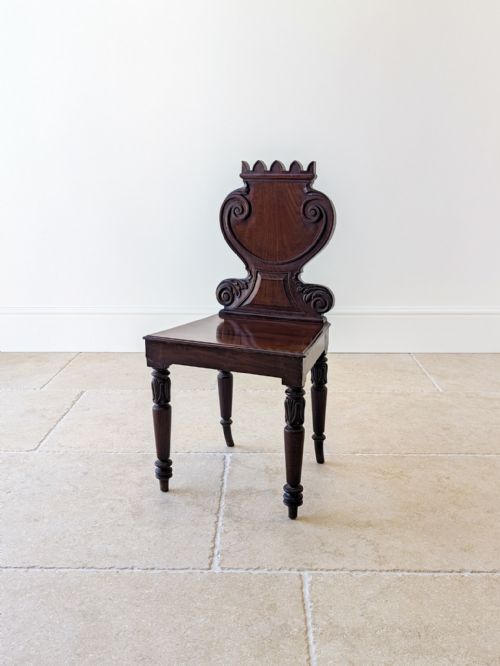
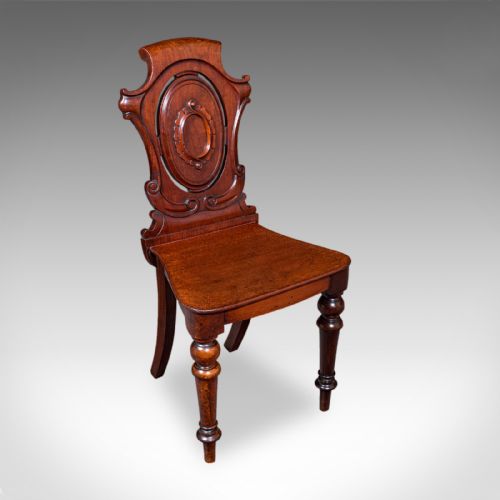
The standard of carving and timber selection separates standard utilitarian seating from finer commission pieces. Crisp relief work on shield backs or panelled settles demonstrates superior workshop execution.
Proportion and structural integrity dictate the grade of a piece, with well-balanced frames and original timber patination commanding greater appreciation. Retained original surfaces, whether waxed oak or painted pine, preserve historical character.
Shapland and Petter·Liberty
The Antique Entry Hall Seating Glossary
- Settle
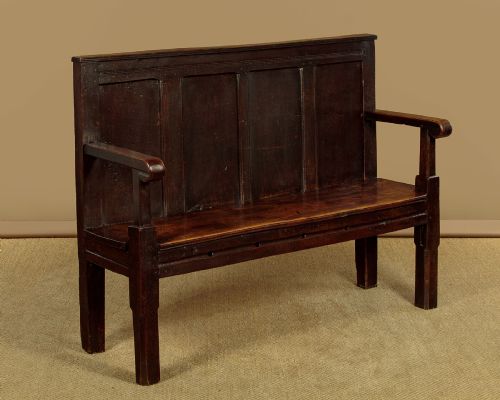
- A wooden bench with a high back, solid arms and often a storage box beneath the seat. This form provided draught protection in hallways and hearths.
- Sgabello
- A type of Renaissance-style chair featuring solid, trestle-like supports and an octagonal or polygonal seat. These decorative seats served primarily in formal entry spaces.
- Shield back
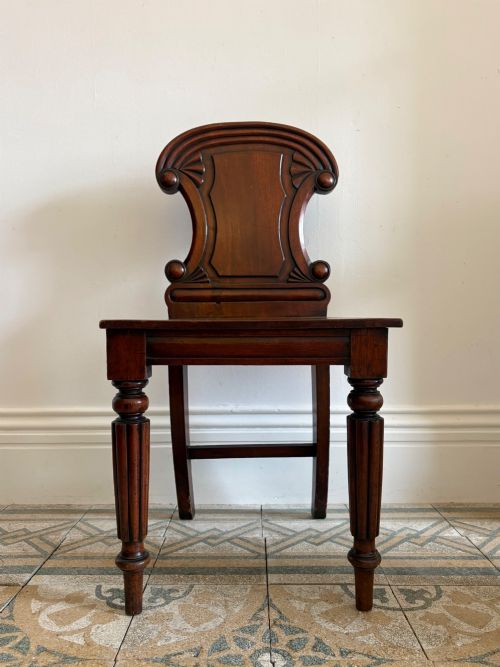
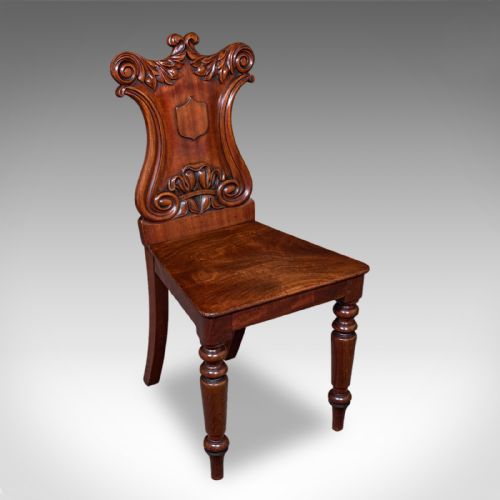
- A chair back shaped like a heraldic shield, popular in Georgian and Victorian mahogany seating. This design highlighted the cabinetmaker's skill in piercing and carving timber.
- Box settle
- A hall bench incorporating a compartment beneath the hinged seat for storing cloaks and boots. They appear frequently in oak and painted pine.
- Revival style
- A design movement looking back to earlier historical periods, such as Jacobean or Gothic. Makers reinterpreted these older aesthetics in Victorian seating.
Antique Entry Hall Seating: Frequently Asked Questions
Where were hall benches placed?
These pieces stood in entrance halls, corridors and vestibules to provide seating for visitors removing outerwear.
They also served practical storage functions for boots and garments.
How do I identify a Victorian hall chair?
Victorian examples often display carved wooden seats, shield or panelled backs, and dark mahogany or oak timbers.
Many incorporate Gothic or Jacobean revival motifs popular during the nineteenth century.
Are painted finishes period-correct?
Yes, original painted finishes appear on regional pine furniture such as Hungarian settles.
These surfaces often feature historical blues, greys or creams preserved beneath wax coatings.